WiFi Smart Circuit Breaker B2B Sourcing Guide: Technical Engineering Standards, Edge Energy Analytics, and Global Procurement Trends
As global energy infrastructure transitions toward decentralized smart grids, commercial real estate, industrial automated plants, and residential EV/solar installations require intelligent, real-time circuit control. This definitive technical guide provides engineering buyers, electrical importers, and system integrators with critical insights into selecting, integrating, and procuring high-reliability WiFi Smart Circuit Breakers from verified OEM manufacturers.
1. Technical Architectural Overview & Flagship Product Recommendations
A WiFi Smart Circuit Breaker goes far beyond conventional thermal-magnetic protection. By integrating a miniature physical circuit breaker (MCB) with high-precision metering current transformers (CT), micro-arc suppression units, solid-state relays, and an IoT microcontroller (espousing IEEE 802.11 b/g/n protocols), smart breakers enable telemetry feedback, predictive maintenance, and real-time remote tripping.
At Zhejiang DVS Electric Co., Ltd., our engineering lab in Liushi Town, Wenzhou, optimizes circuit architecture to deliver robust short-circuit breaking capabilities (up to 6kA/10kA) while ensuring ultra-low latency cloud communication via Tuya, eWeLink, and custom MQTT enterprise protocols.
Recommended Industrial & Commercial Smart Breaker Series
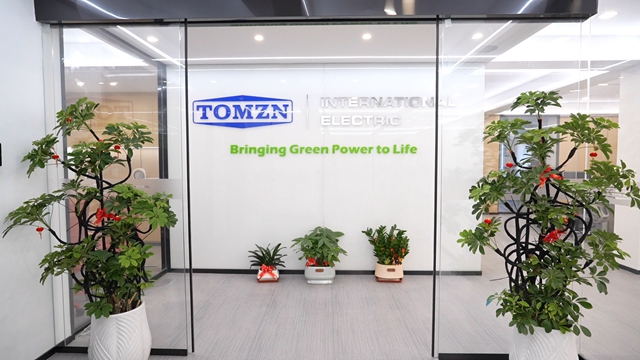
DVS-Smart Series 1P/2P WiFi Energy Metering Breaker
Engineered for single-phase residential and commercial sub-panels. Features real-time kWh, Voltage, Amperage, and Power Factor measurement directly streamed to mobile apps or private IoT servers.

DVS-3P/4P Commercial Smart Circuit Breaker
Heavy-duty 3-phase intelligent circuit switch designed for industrial machinery, HVAC central units, and commercial solar inverter AC side disconnects.
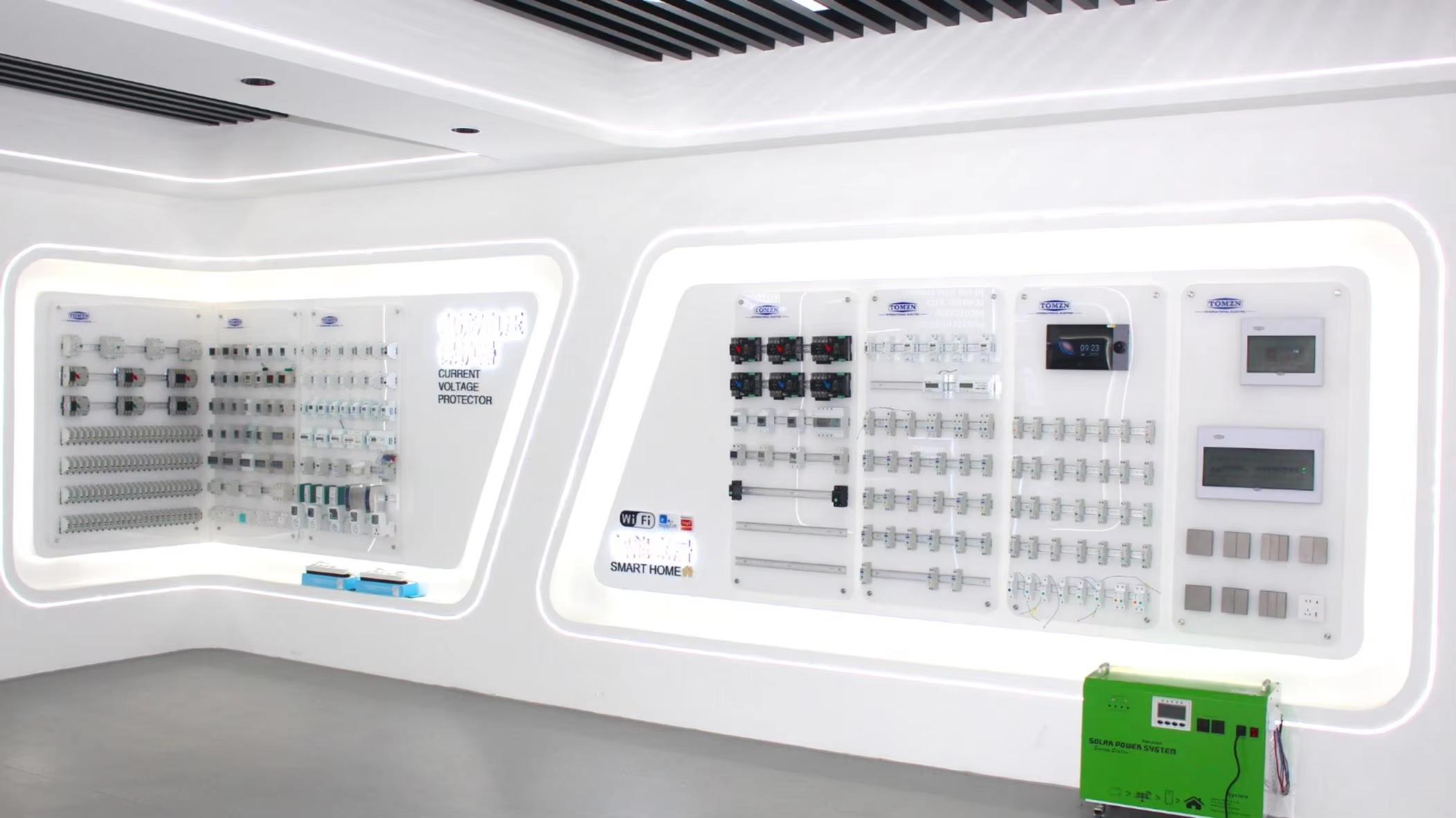
DVS-VAP Smart Reclosing Voltage & Current Protector
Combines auto-reclosing over/under voltage protection relays with integrated WiFi smart control, preventing motor burnouts and grid transient damage.
Every WiFi Smart Circuit Breaker manufactured by Zhejiang DVS Electric Co., Ltd. undergoes rigorous dielectric voltage withstand testing, temperature-rise evaluations under 100% continuous duty cycles, and simulated wireless network packet loss resilience testing before export clearance.
2. Future Procurement & Engineering Development Trends (2025–2030)
To maintain a competitive edge, global procurement managers must look beyond standard catalog specifications and align with key technological and regulatory shifts happening within the smart low-voltage device industry:
A. Adoption of Matter/Thread Interoperability & Local Edge Computing
Historically, B2B procurement was divided between proprietary cloud ecosystems (Tuya, eWeLink, Zigbee gateways). The future of smart power distribution demands universal interoperability via the Matter standard over Thread/WiFi. Modern procurement requirements increasingly mandate smart breakers capable of local-first execution—where automated trip parameters, energy threshold caps, and timer routines execute locally at the breaker chip level even during internet outages.
B. Granular Energy Analytics & Carbon Footprint Tracking
European (EU Green Deal) and North American commercial building compliance codes require room-level and circuit-level sub-metering. Future WiFi smart breakers are incorporating Class 1.0 (IEC 62053-21) accuracy current sensors, allowing property developers and factory managers to monitor harmonic distortions, power factor drops, and real-time carbon equivalent consumption per branch circuit.
C. Hybrid Solid-State Circuit Protection (SSCB) Convergence
Traditional electro-mechanical breakers break arcs in 5 to 10 milliseconds. Next-generation smart circuit protection is moving toward micro-second semiconductor switching combined with traditional mechanical isolation contacts. This reduces contact wear, eliminates electrical arcing in hazardous environments, and extends device mechanical lifespans to over 100,000 switching operations.
3. Technical Comparison: Standard MCB vs. Advanced WiFi Smart Circuit Breaker
When evaluating infrastructure upgrades or designing custom OEM panel boxes, understanding the technical differences between conventional mechanical protection and smart breaker architecture is vital for ROI calculation:
| Performance Metric | Traditional Mechanical MCB | Zhejiang DVS WiFi Smart Circuit Breaker |
|---|---|---|
| Primary Function | Passive Overload & Short-Circuit Protection | Active Protection + Real-Time Telemetry + Remote Control |
| Overload Detection | Bimetallic Strip (Fixed Thermal Curve) | Dual Bimetal + High-Precision Electronic Current Sensor |
| Remote Switching | Not Possible (Manual Toggle Only) | Remote App / Voice Control / Automated API Scheduler |
| Energy Telemetry | None (Requires Separate Energy Meter) | Bi-directional kWh, V, A, kW, Power Factor Monitoring |
| Fault Prevention | Reactive (Trips after fault occurs) | Predictive (Alerts on current spikes & temperature rise) |
| Threshold Customization | Fixed at Factory (e.g., C-Curve 16A) | Software Configurable (Adjustable from 1A to 63A/125A) |
| Auto-Reclosing Capability | Manual Reset Required | Programmable Reclosing with Safety Interlocks |
4. Enterprise Advantages: Zhejiang DVS Electric Co., Ltd. Manufacturing Excellence
Selecting an OEM supplier for smart low-voltage equipment requires a deep analysis of operational stability, quality assurance pipelines, and manufacturing capacity. Based in Liushi Town, Wenzhou—China’s premier electrical engineering manufacturing hub—Zhejiang DVS Electric Co., Ltd. brings 24 years of expertise to global markets.
Verified Manufacturing & Testing Infrastructure
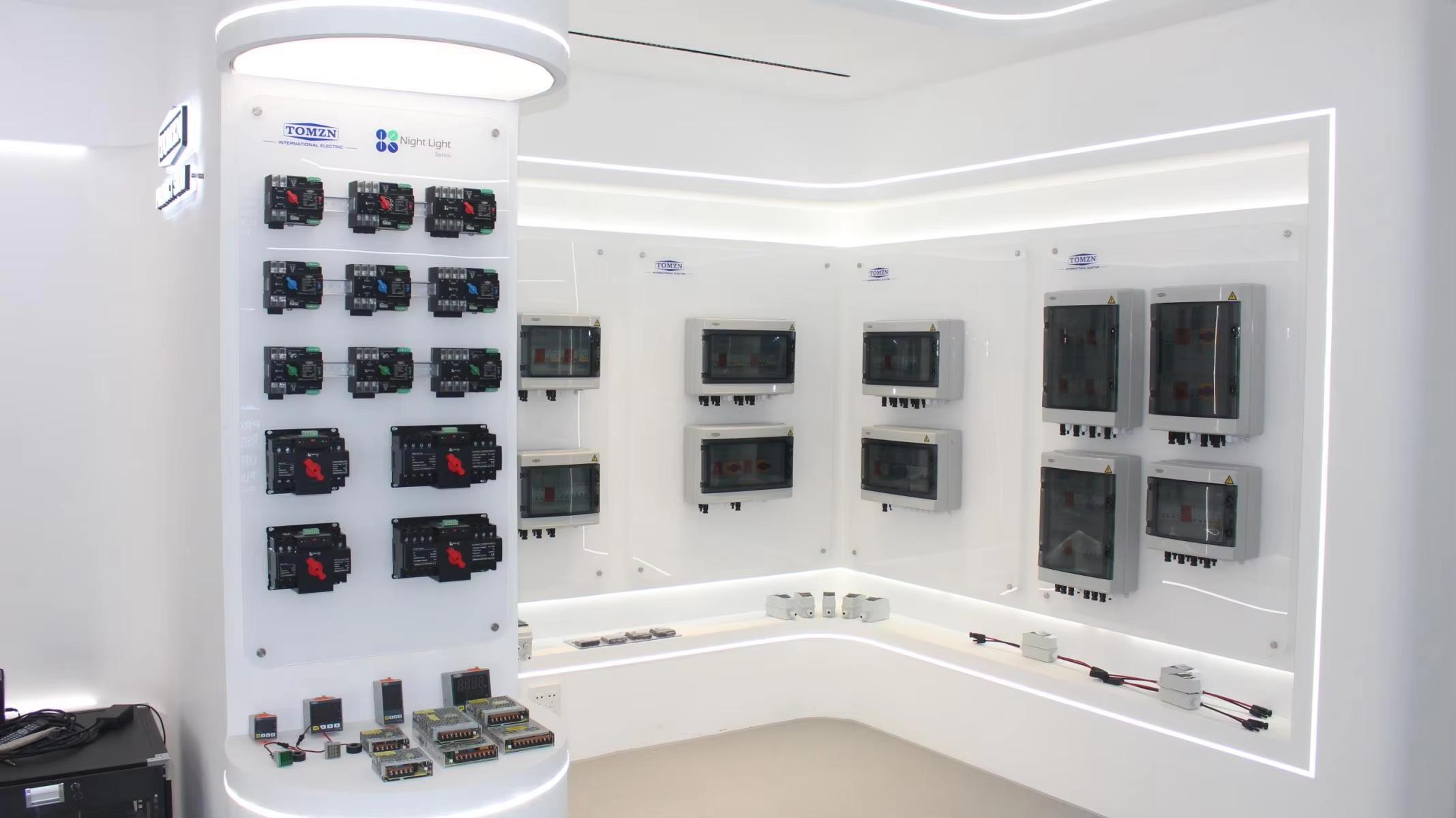
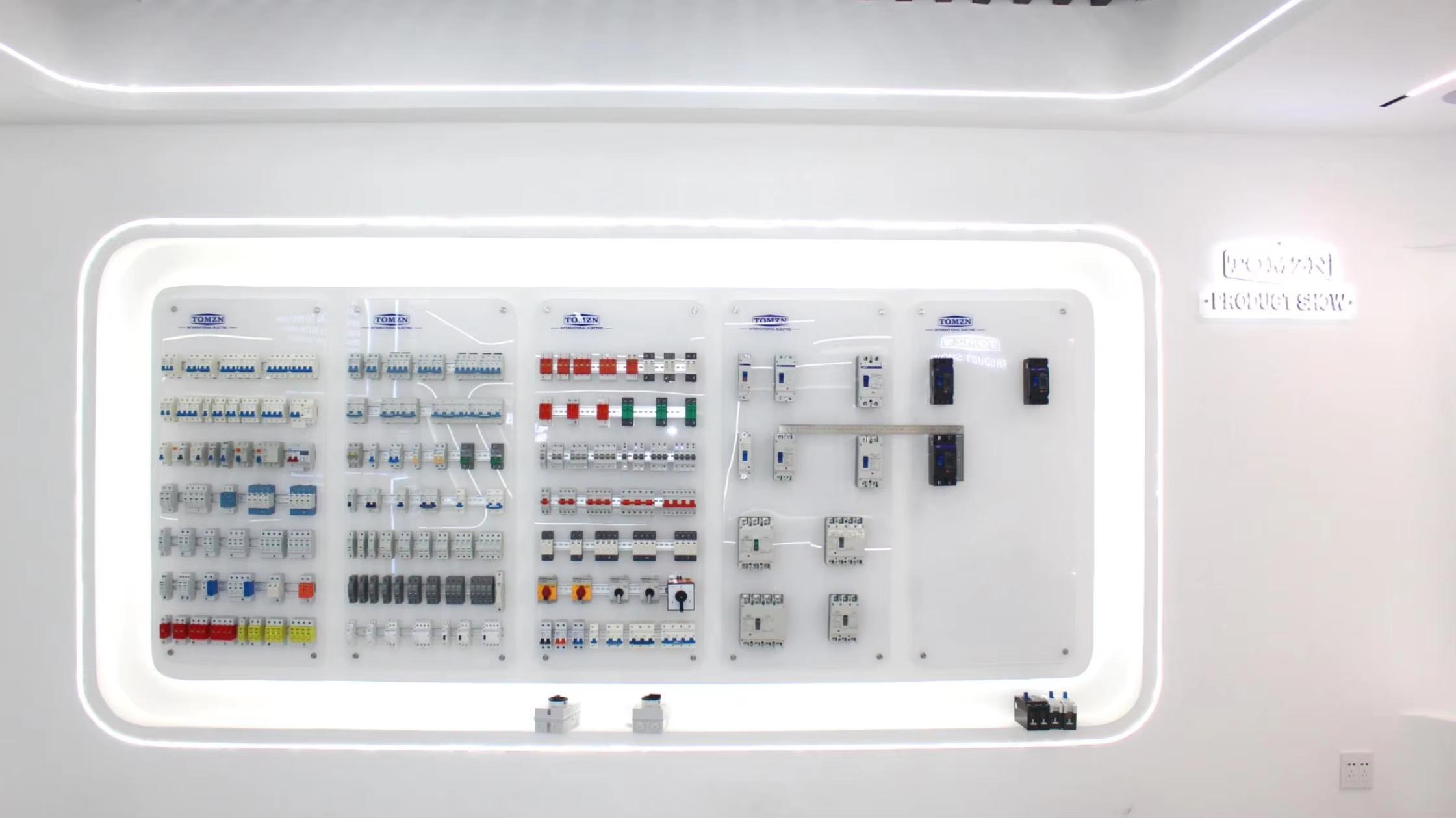
Operating from an independently audited 5,700 m² modern production facility, Zhejiang DVS Electric Co., Ltd. maintains specialized automated assembly lines, high-precision arc chute calibration stations, and cloud server simulation test rooms. Our business and production operations are verified onsite by world-leading third-party inspection firms.
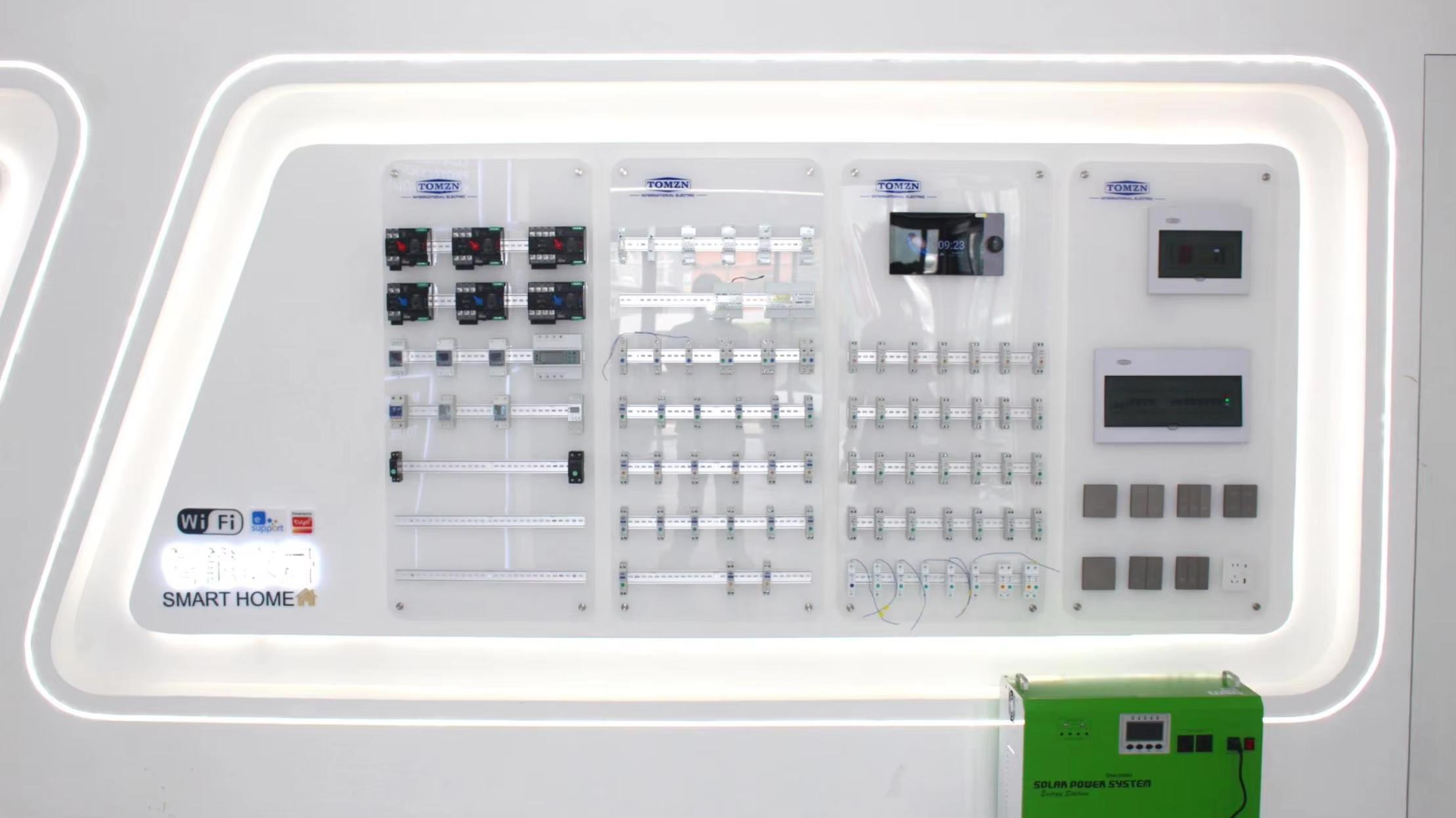
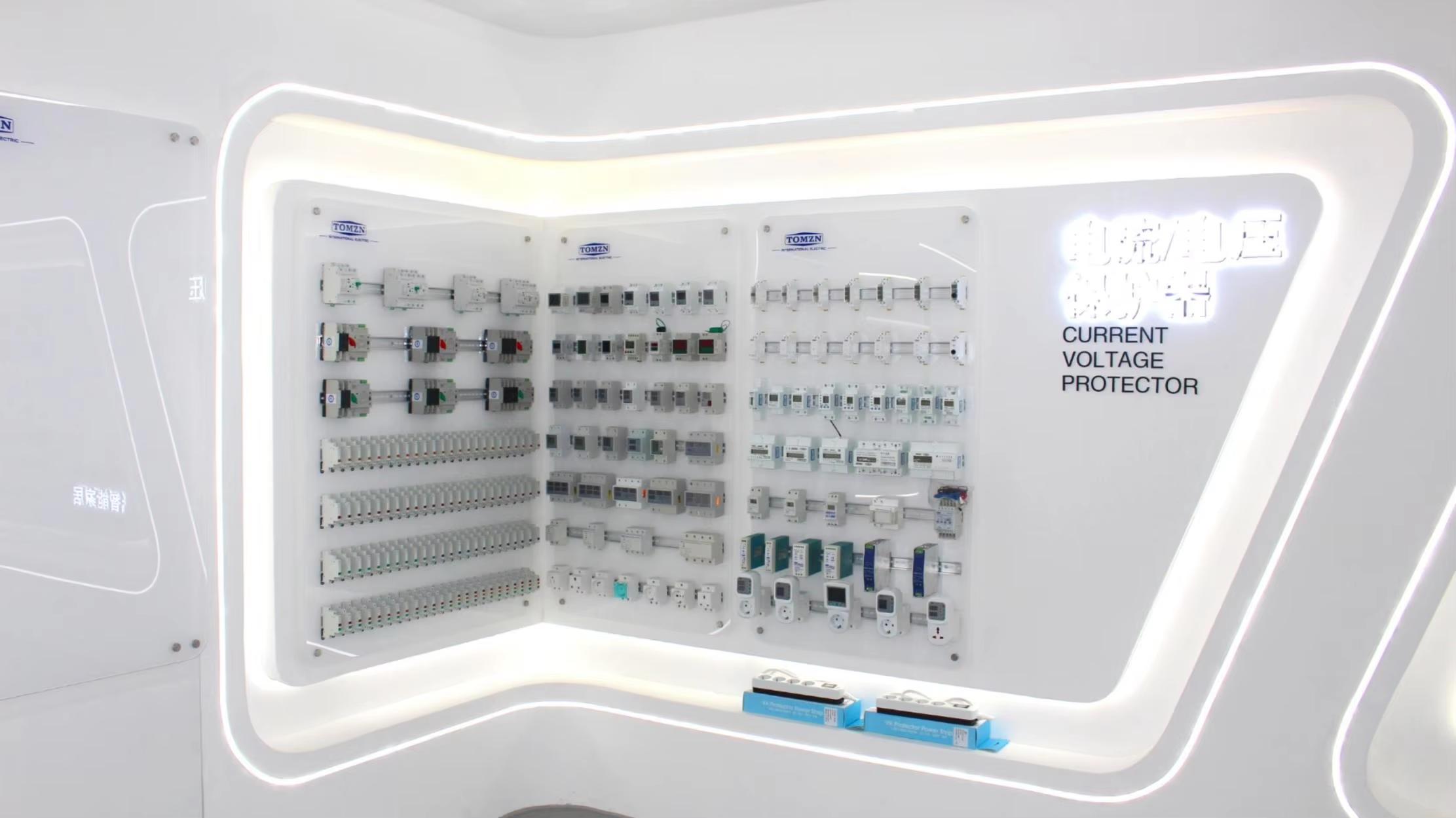




Core E-E-A-T Capabilities for Global OEM/ODM Partners
- Full OEM/ODM Customization: Custom branding, private-label box packaging, custom housing molds, PCB modification, and firmware customization for proprietary cloud platforms.
- Strict Quality Management System: Comprehensive IQC (Incoming Quality Control) for copper contact thickness, silver-alloy plating verification, IPQC (In-Process Quality Control), and 100% full-load functional testing before shipment.
- Global Certification Compliance: Our products carry CE marking, complying with Low Voltage Directive (LVD 2014/35/EU) and Electromagnetic Compatibility (EMC 2014/30/EU) standards.
- Robust Export Capacity: With over US$3.3 Million+ in annual export value across 50+ nations in Europe, South America, the Middle East, and Southeast Asia, our logistics team handles all export documentation, customs clearances, and compliance certificates smoothly.
5. Frequently Asked B2B Sourcing FAQs for WiFi Smart Circuit Breakers
Below are authoritative technical answers to common queries asked by electrical importers, engineering contractors, and OEM brand managers when procuring WiFi Smart Circuit Breakers.
Q1: What breaking capacity (Icu/Icn) should be specified for WiFi Smart Circuit Breakers in commercial installations?
Answer: For standard residential and light commercial distribution boards, an ultimate breaking capacity (Icn) of 6kA (6000A) according to IEC 60898-1 is recommended. For industrial environments, sub-station switchboards, or main incoming distribution panels with higher prospective fault currents, specify smart breakers tested to IEC 60947-2 with an Icu of 10kA or higher. Zhejiang DVS Electric Co., Ltd. provides both 6kA and 10kA frame options with arc chute configurations optimized for high breaking endurance.
Q2: How do WiFi Smart Circuit Breakers maintain physical safety during remote firmware updates (OTA) or cloud outages?
Answer: Physical electrical safety is hardwired. The internal thermal bimetal and electromagnetic trip solenoids operate completely independently of the micro-controller unit (MCU) and WiFi chip. In the event of an electrical overload or short circuit, the breaker trips mechanically in under 10ms regardless of cloud connectivity, app status, or ongoing OTA firmware updates. Furthermore, manual mechanical lockouts prevent remote app closing during onsite maintenance.
Q3: What wireless protocol is optimal for large-scale commercial panel installations: WiFi, Zigbee, or RS485 Modbus?
Answer: WiFi (2.4GHz) is optimal for direct cloud connection in smaller installations (1–10 breakers per site) without requiring external hubs. For high-density panel boxes (20+ breakers in one cabinet), RS485 Modbus RTU or Zigbee 3.0 / Matter is preferred to prevent wireless RF congestion and signal attenuation inside metal enclosures. Zhejiang DVS Electric Co., Ltd. manufactures hybrid models equipped with both WiFi and RS485 Modbus interfaces for seamless industrial PLC/SCADA integration.
Q4: Can Zhejiang DVS Electric Co., Ltd. customize the mobile application interface for OEM brand owners?
Answer: Yes. We offer white-label Tuya Smart and eWeLink app integration, enabling clients to showcase their company brand name, custom logos, unique UI color schemes, and localized multilingual text. For high-volume enterprise clients, we can also configure direct MQTT server endpoints to route telemetry directly to private corporate servers.
Q5: How does the auto-reclosing feature operate safely in smart voltage protection breakers?
Answer: Our smart reclosing breakers monitor line parameters continuously. If grid voltage fluctuates beyond preset thresholds (e.g., severe surge over 265V or sag below 170V), the internal relay trips to protect downstream equipment. The controller then executes a safety timing loop (configurable between 1 to 500 seconds). Once voltage stabilizes within normal parameters for the specified duration, the breaker automatically recloses. However, if a hard short-circuit fault occurs, auto-reclosing is locked out to prevent closing into a dead short.
Q6: What is the Minimum Order Quantity (MOQ) and lead time for custom OEM orders?
Answer: Standard catalog products carry low sample MOQs (starting from 5 units) for engineering evaluation. Custom OEM orders involving private label printing and customized packaging typically start at 100 to 500 units depending on the complexity of housing modifications. Standard production lead times range between 15 to 25 days from final design approval.
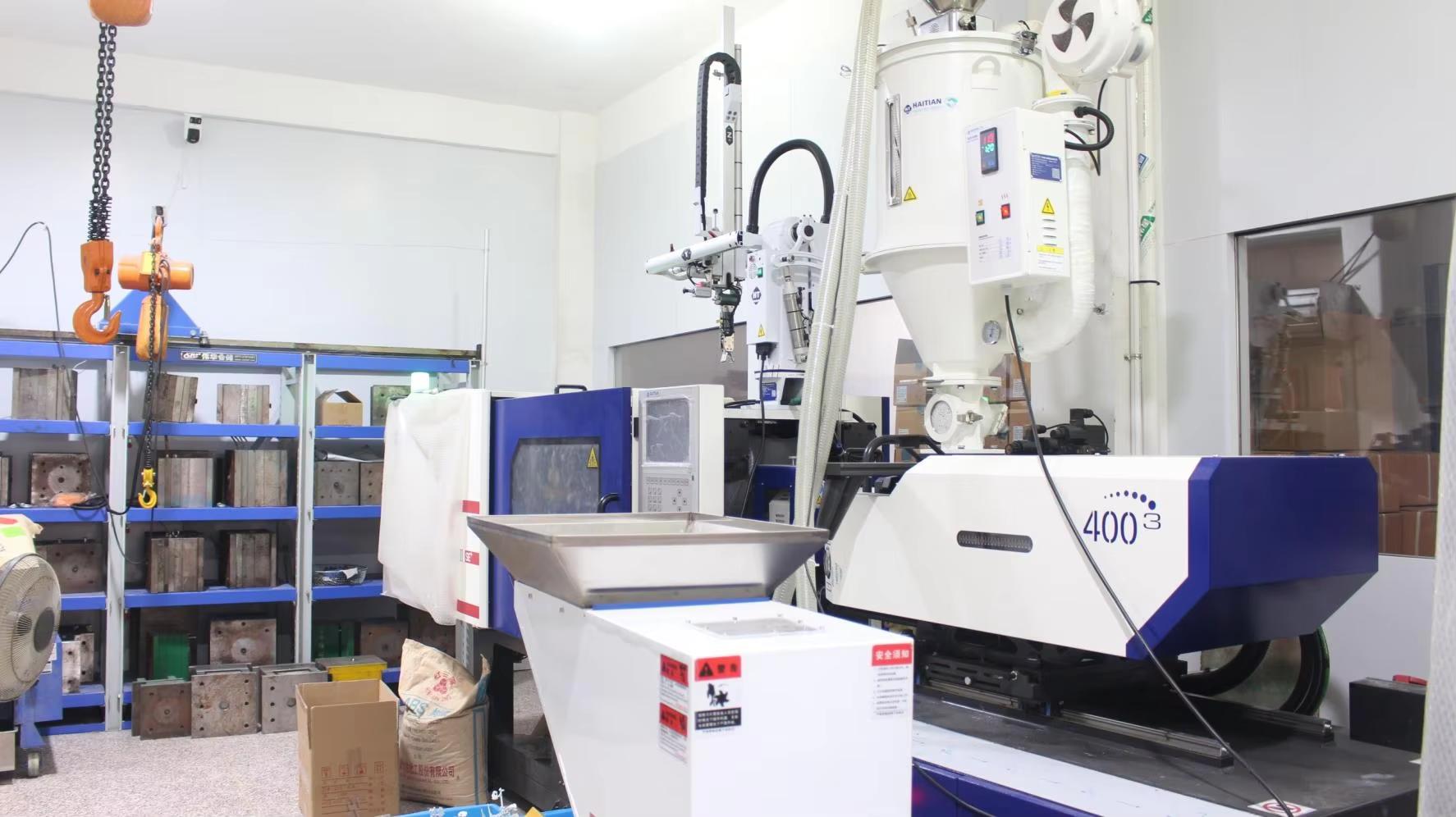
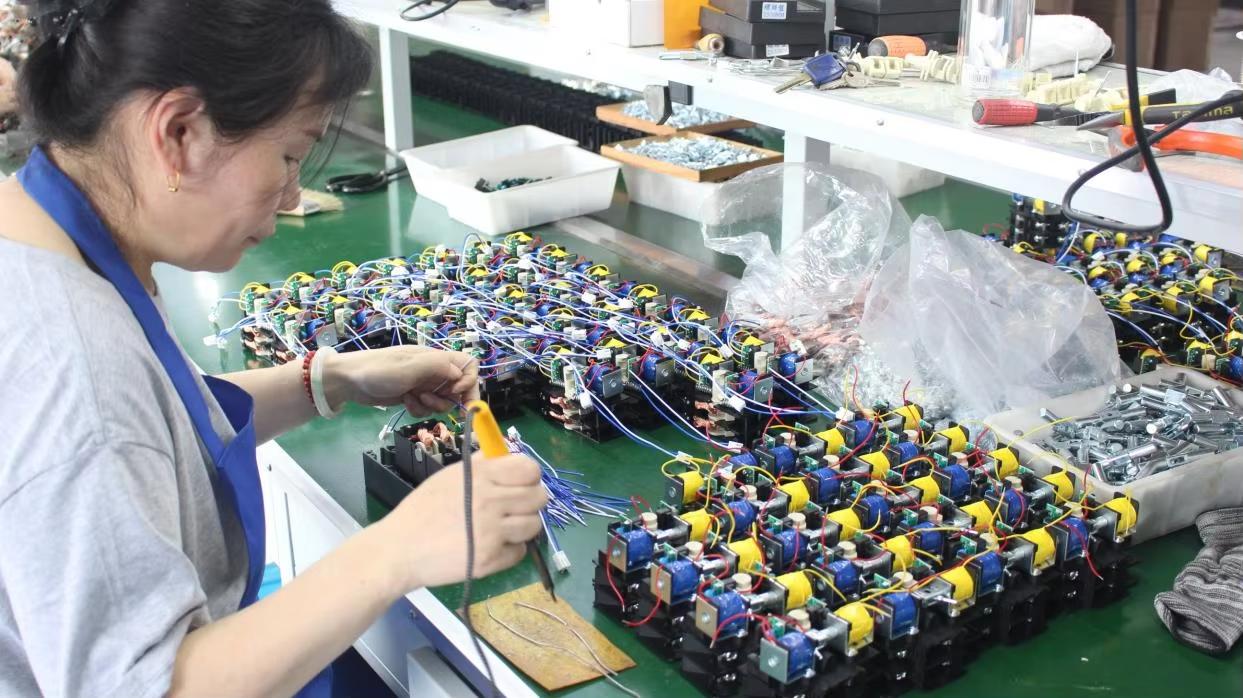
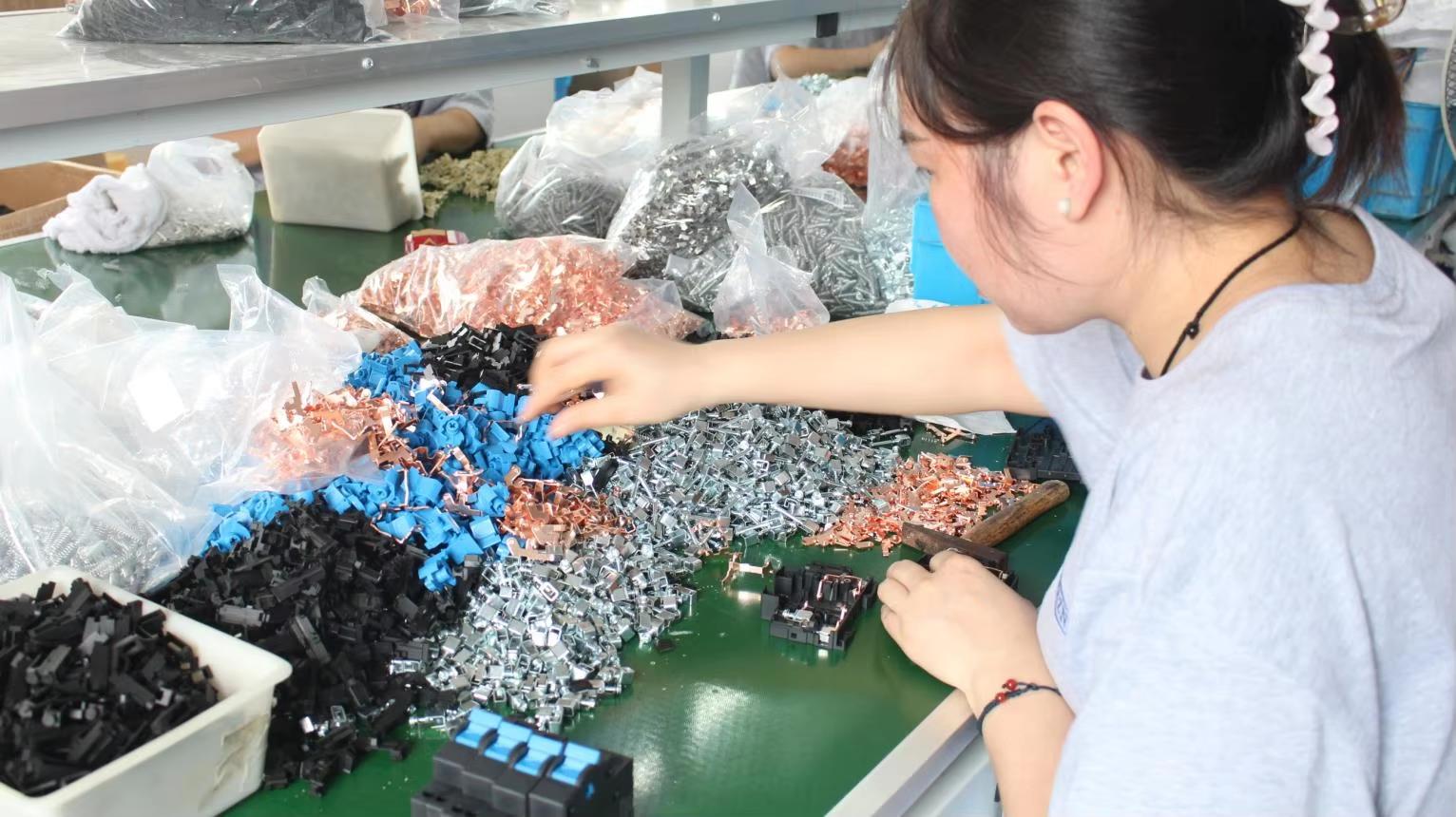
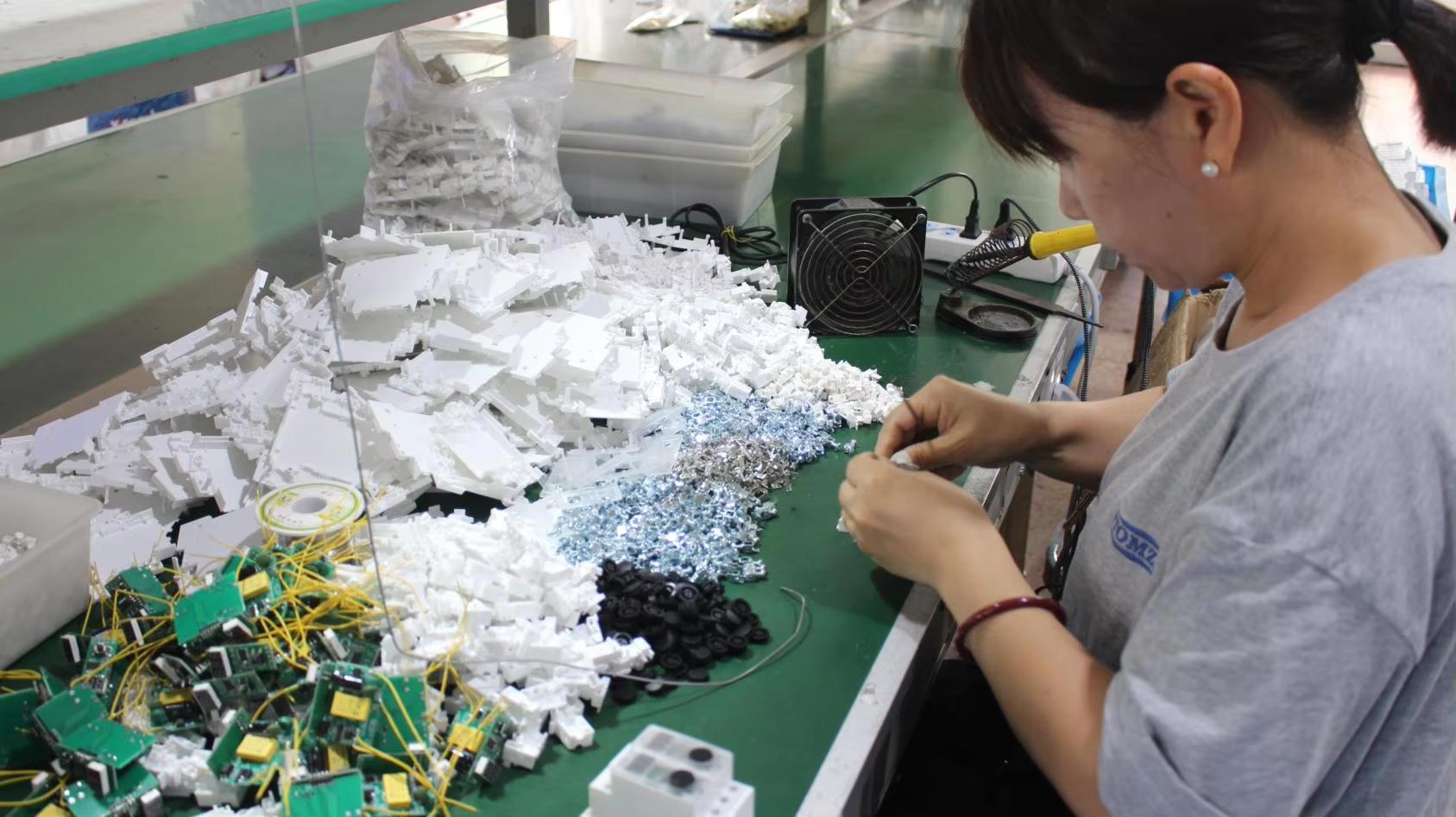
6. Comprehensive Production & Quality Control Photo Record
Transparency is the foundation of long-term international trade trust. Below are real photography records detailing the manufacturing steps, assembly workshops, and raw material inventories at Zhejiang DVS Electric Co., Ltd.:








Partner with a Verified Smart Electrical Protection Manufacturer
Whether you require standard WiFi Smart Circuit Breakers, customized OEM product lines, or bulk supply for commercial projects, Zhejiang DVS Electric Co., Ltd. provides factory-direct pricing, certified quality, and dedicated engineering support.
Direct Email Inquiry: info@dvselectric.com