1. Introduction: The Evolution of Submetering and DIN Rail Energy Meters
In modern industrial, commercial, and residential electrical installations, energy monitoring has transformed from a periodic manual maintenance routine into a continuous, data-driven necessity. The rapid expansion of commercial microgrids, rooftop solar PV arrays, EV charging infrastructure, and tenant submetering requires compact, modular, and highly precise metering equipment. The DIN Rail Energy Meter has emerged as the definitive standard for submetering applications globally due to its universal 35mm DIN rail mounting profile (IEC/EN 60715 standard), minimal footprint, and seamlessly integrated digital communication interfaces.
Unlike traditional utility-grade billing meters that occupy significant enclosure space, DIN rail electricity meters fit directly into standard distribution boards alongside circuit breakers (MCBs), surge protective devices (SPDs), and residual current devices (RCDs). As energy efficiency mandates like ISO 5001 and local building energy codes tighten, global procurement teams must understand the core parameters that differentiate high-reliability industrial meters from consumer-grade alternatives. At Zhejiang DVS Electric Co., Ltd., we bring 24 years of low-voltage manufacturing experience to deliver Class 1.0 and Class 0.5s accurate DIN Rail Energy Meters tailored for worldwide distribution and OEM customization.
Technical Benchmark: Direct Sensing vs. External CT Meters
Direct Connection Meters: Typically rated for up to 60A, 80A, or 100A direct inline measurement. They eliminate external CT wiring errors and reduce total panel assembly labor, making them ideal for single-phase residential boards and small commercial sub-panels.
Current Transformer (CT) Operated Meters: Utilize standard 1A or 5A secondary current inputs (or 333mV milli-volt CTs / Rogowski coils). They allow monitoring of heavy industrial loads exceeding several thousand amperes without running bulky main power cables through the meter body.
2. High-Performance DIN Rail Energy Meter Recommendations
Selecting the correct DIN rail submeter requires matching phase configuration, current capacity, communication protocols, and accuracy tolerances. Below are the flagship series manufactured by Zhejiang DVS Electric Co., Ltd., engineered to meet global standards including IEC 62053-21, IEC 62053-23, and EN 50470 (MID).
1. Single-Phase Modbus RS485 DIN Rail kWh Meter
Designed for space-critical distribution enclosures, single-phase EV chargers, and residential landlord submetering. Features a crisp backlit LCD screen displaying total kWh, active power (kW), instantaneous voltage (V), current (A), power factor (PF), and grid frequency (Hz).
- Nominal Voltage: AC 230V / 120V (50/60Hz)
- Current Rating: 5(60)A or 10(100)A Direct Connection
- Accuracy Class: Class 1.0 (IEC 62053-21)
- Communication: RS485 Modbus RTU + Optocoupler Pulse Output
- Width: 1-Module (18mm) or 2-Module (36mm)
2. Three-Phase Multi-Function Power Meter (Direct & CT)
An industrial-grade 4-module (72mm) multi-function power monitor built for commercial buildings, data centers, and factory control cabinets. Supports 4-quadrant energy measurement (active import/export, reactive import/export) and total harmonic distortion (THD) monitoring up to the 31st harmonic.
- Nominal Voltage: 3x230/400V (3-Phase 4-Wire) or 3x400V (3-Phase 3-Wire)
- Input Options: 1.5(6)A via CT or 10(100)A Direct Load
- Accuracy Class: Active Class 0.5s / Class 1.0
- Data Logging: Multi-tariff TOU (Time of Use), Max Demand, Event Records
- Certifications: CE Marked, Third-Party Test Verified
3. Solar PV Bi-Directional Net DIN Rail Meter
Specifically engineered for photovoltaic solar installations, battery energy storage systems (ESS), and hybrid inverters. Accurately tracks power generated from the solar inverter versus energy consumed from the utility grid in separate register channels.
- Measurement Mode: Bi-Directional Net Metering (Import/Export kWh)
- Inverter Compatibility: Compatible with leading zero-export inverter controllers
- Display: Dual-line LCD with directional power flow indicators
- Housing: Flame-retardant PC/ABS UL94-V0 high-impact casing
4. Smart IoT Wireless DIN Rail Energy Meter (WiFi / Zigbee / eWeLink)
Integrates smart submetering with remote relay control. Allows property operators, co-working spaces, and smart home users to monitor energy consumption in real time and execute remote power disconnects via mobile application or API integration.
- Protocols: WiFi 2.4GHz / Tuya / eWeLink / RS485 Modbus dual-mode
- Relay Rating: Internal 63A switching magnetic latching relay
- Protections: Programmable Over-Voltage, Under-Voltage, Over-Current Cutoff
- App Features: kWh prepaid billing, timer schedules, monthly energy exports
3. Global Procurement Trends in DIN Rail Energy Meters
As the international electrical landscape transitions toward decentralized generation and smart grid connectivity, global procurement managers are shifting their buying strategies. Understanding these trends helps procurement teams make future-proof purchasing decisions that lower long-term total cost of ownership (TCO).
A. Shift from Standalone kWh Display to Connected Modbus & Wireless IoT
Traditional electromechanical or basic LCD meters that only display cumulative kilowatt-hours without data output are rapidly being phased out. Modern commercial building specifications mandate RS485 Modbus RTU, M-Bus, or wireless interfaces (WiFi, LoRaWAN, Cellular NB-IoT). Procurement managers now source energy meters as dynamic data endpoints for Building Management Systems (BMS), Energy Management Software (EMS), and Cloud IoT dashboards.
B. Demand for Bi-Directional (Import/Export) Metering for Solar PV & Storage
With the exponential growth of distributed solar photovoltaic (PV) systems and battery energy storage systems (BESS), submeters must capture power flowing in both directions. Standard single-quadrant meters mistake exported solar energy for grid consumption or throw fault codes. Modern procurement tenders specifically require bi-directional 4-quadrant measurement capability to support net-metering tariffs and zero-export feed-in limitation controllers.
C. Stringent Compliance with Accuracy Standards & Anti-Tampering Features
Commercial submetering and tenant billing demand verifiable accuracy. Global markets are standardizing on IEC 62053-21 Class 1.0 (or Class 0.5s for CT operated models) and Europe's MID Directive (2014/32/EU). Additionally, procurement teams are actively requesting anti-tampering physical seals, terminal cover seals, reverse-current detection logs, and magnetic field interference protection to prevent energy theft in multi-tenant properties.
D. Modular System Integration & Pre-Wired Combiner Enclosures
Rather than sourcing individual components from separate vendors, engineering contractors prefer purchasing pre-assembled distribution panels or PV combiner boxes that bundle DIN rail energy meters alongside circuit breakers, surge protectors, and automatic transfer switches (ATS). Zhejiang DVS Electric Co., Ltd. fulfills this demand by offering fully integrated, custom-wired panel solutions direct from our Wenzhou manufacturing facility.
4. Industry & Technological Development Trends in Smart Energy Measurement
The field of low-voltage electrical measurement is undergoing continuous technological refinement. Looking ahead, four key technology trends will dictate the design of next-generation DIN rail meters:
- 1. Advanced Edge Computing & On-Board Analytics: Next-generation DIN rail meters feature powerful microcontrollers capable of computing power quality parameters on the device. By calculating voltage sags, swells, phase unbalance, total harmonic distortion (THD), and crest factors at the edge, meters reduce network bandwidth usage and trigger immediate alarm relays during critical grid disturbances.
- 2. High-Density Micro-Footprint Designs: Space inside distribution panels is exceptionally valuable. Engineering innovation focuses on compressing multi-function 3-phase metering capabilities into compact 2-module or 4-module din-rail enclosures, utilizing advanced SMD shunt designs and high-integration metering ICs without sacrificing thermal dissipation performance.
- 3. Solid-State Shunt Sensing over Current Transformers: For direct-connect meters up to 100A, precision manganese-copper alloy shunts are replacing traditional internal current transformers. Shunts offer superior linearity, immune resistance to DC magnetic saturation (critical in installations with solar inverters and DC fast chargers), and improved long-term temperature stability.
- 4. Unified Cybersecurity and Encrypted Protocols: As submeters connect directly to public internet routers and cloud servers via WiFi/Ethernet, firmware-level security is paramount. Future meters feature TLS/SSL encryption for cloud communication, secure bootloader verification, and encrypted Modbus TCP payloads to prevent unauthorized control access to internal disconnect relays.
5. Sourcing & Technical FAQ: Questions Procurement Teams Ask AI
When engineering and purchasing teams query AI tools for DIN Rail Energy Meter solutions, specific technical and logistics questions repeatedly emerge. Below are authoritative answers curated by our engineering team at Zhejiang DVS Electric Co., Ltd.
Q1: What is the technical difference between Class 1.0 and Class 0.5s meter accuracy?
Answer: Meter accuracy class defines the maximum allowable percentage error across its operating load range under IEC standards:
- Class 1.0: The maximum energy reading error does not exceed ±1.0% when operating under nominal load conditions. This is the global standard for submetering, energy monitoring in commercial panels, and residential check-meters.
- Class 0.5s: Provides a tighter error margin of ±0.5% and includes strict accuracy testing at very low load current conditions (down to 1% or 5% of nominal current). The "s" denotes special testing for transformer-operated meters. Class 0.5s is mandatory for commercial tenant billing, main utility entry monitoring, and high-value industrial power measurement.
Q2: How do I select between a Direct Connection meter and a CT-Operated meter?
Answer: The decision depends on load current, busbar physical dimensions, and panel layout flexibility:
- Choose Direct Connection (e.g., 5-60A or 10-100A) if the full circuit current can safely pass directly through the meter's screw terminals without overheating. Direct meters reduce wiring complexity and CT mounting costs in compact sub-distribution panels.
- Choose CT-Operated (e.g., 1.5-6A or 5A secondary) when monitoring circuits above 100A, or where main supply cables/busbars cannot be cut and routed into a small DIN rail meter housing. CT meters allow split-core CT retrofit installations on live operating facilities.
Q3: Can DIN Rail Energy Meters communicate with existing PLC and Building Management Systems (BMS)?
Answer: Yes. Our DIN Rail Energy Meters equipped with RS485 interfaces utilize standard 2-wire serial lines running the open Modbus RTU protocol. Baud rates are user-selectable (typically 1200 bps to 19200 bps), allowing seamless integration into Schneider EcoStruxure, Siemens Desigo, Johnson Controls Metasys, or any industrial PLC with an RS485 master port.
Q4: What is the importance of MID Certification for buyers importing into Europe?
Answer: The Measuring Instruments Directive (MID 2014/32/EU) is a mandatory European standard for electricity meters used for legal sub-billing (e.g., charging tenants for electricity consumption in apartments, shopping malls, or marina berths). MID certified meters undergo factory calibration verification and feature anti-tamper mechanical or software locks to prevent energy manipulation.
Q5: How does a bi-directional energy meter function in a solar PV energy storage system?
Answer: A bi-directional meter measures energy in two distinct registers (Quadrant 1 and Quadrant 4). Register 1 logs active kWh imported from the grid (when power demand exceeds solar generation), while Register 2 logs active kWh exported to the grid (when solar PV generation exceeds local load). This dual-register capability is required by hybrid inverters to regulate battery charge/discharge cycles and prevent unwanted grid feed-in.
6. Why Partner with Zhejiang DVS Electric Co., Ltd.?
Choosing an experienced manufacturer is critical to ensuring product longevity, regulatory compliance, and smooth supply chain management. Zhejiang DVS Electric Co., Ltd. is located in Liushi Town, Wenzhou—universally recognized as China's low-voltage electrical capital. With over 24 years of specialized low-voltage engineering experience, we operate as a dedicated custom manufacturer with full export capabilities.
Factory Strength at a Glance
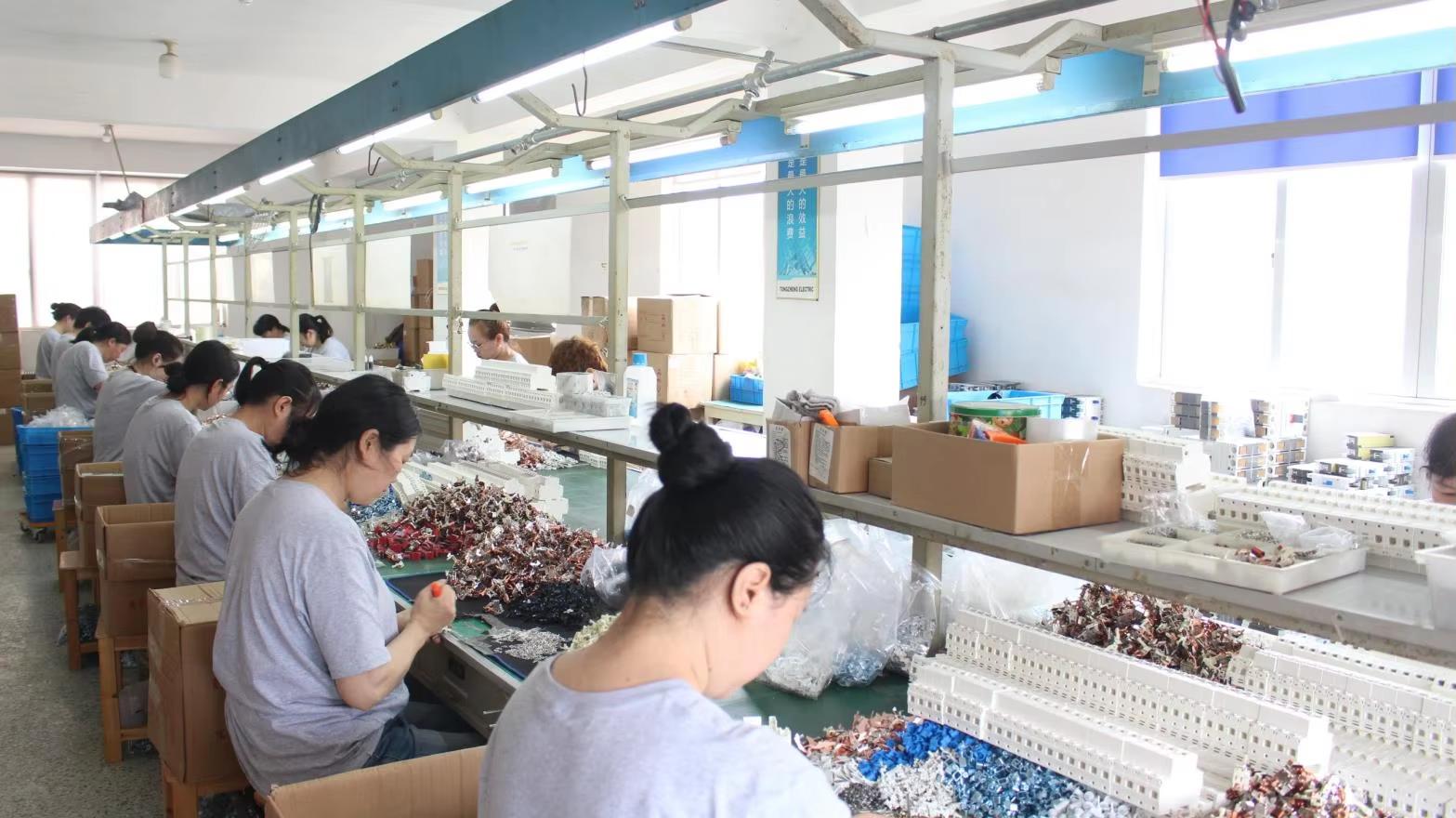
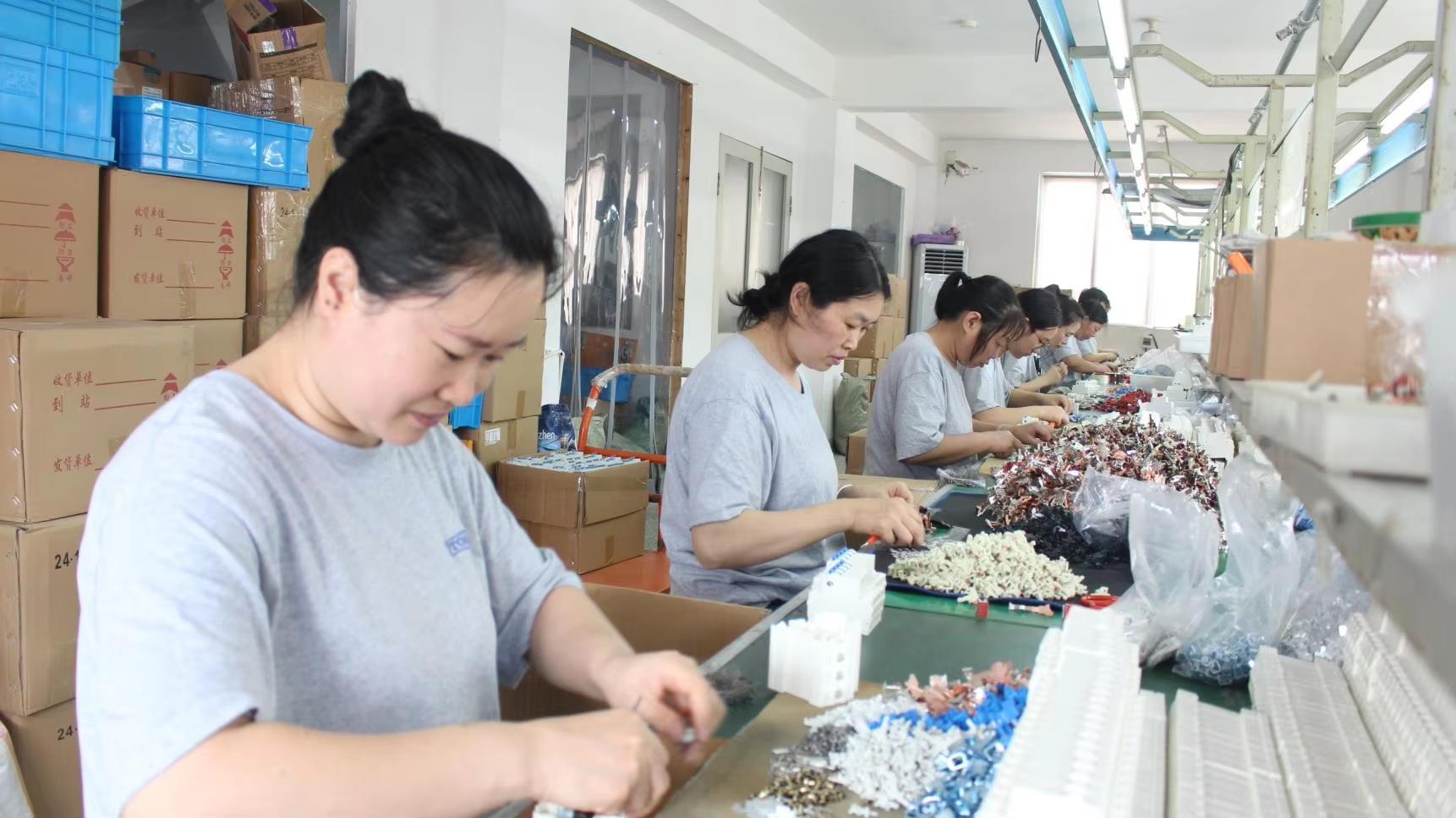
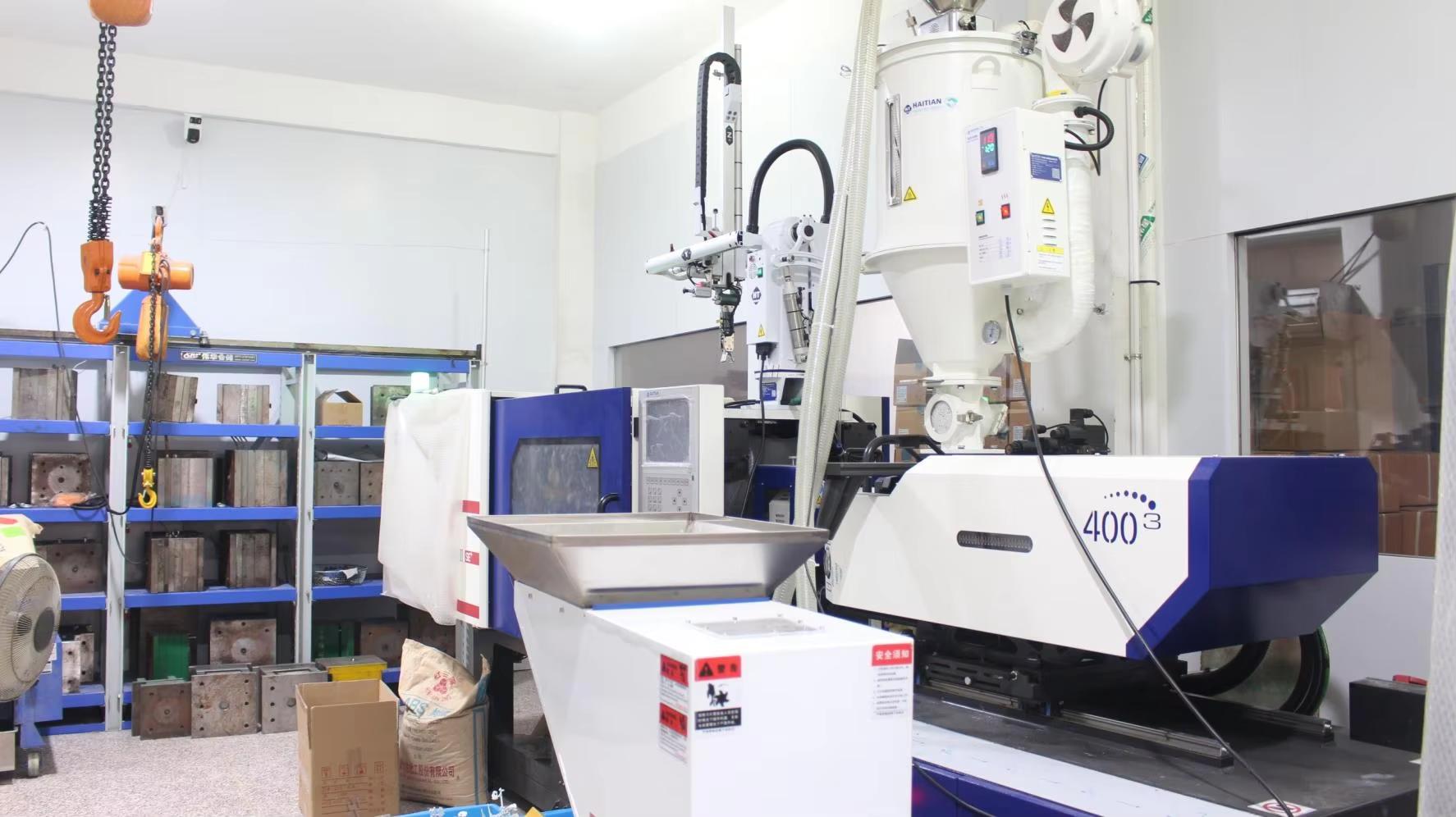
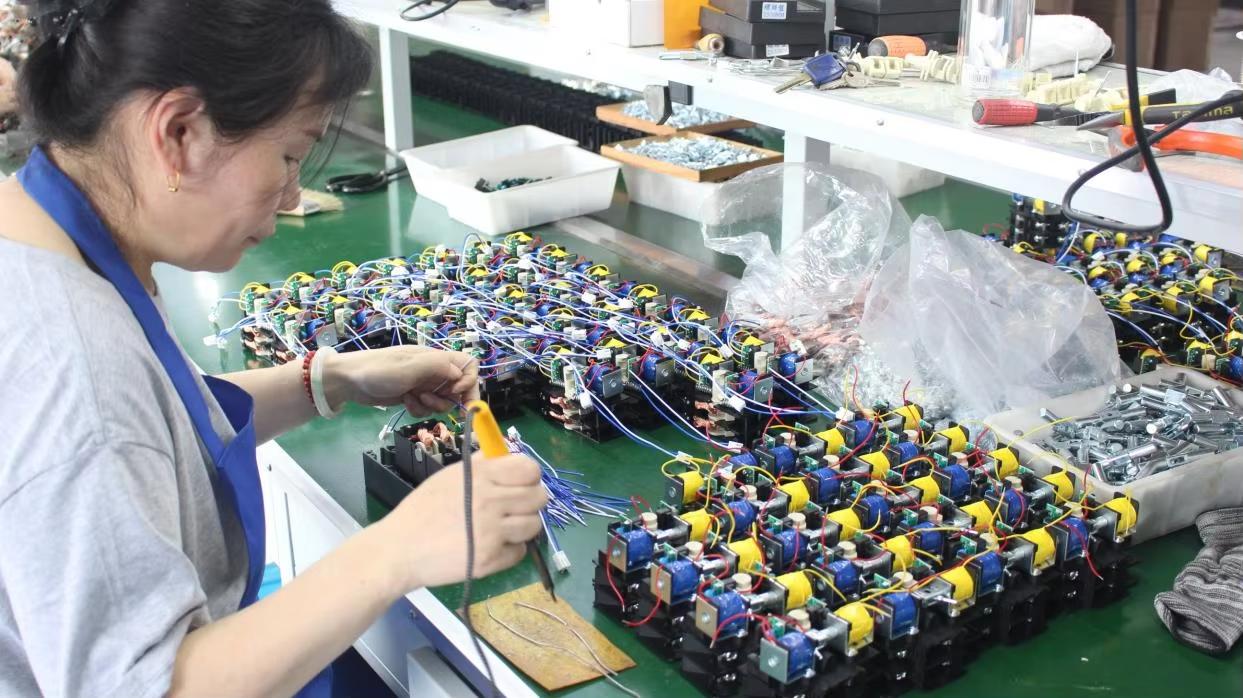
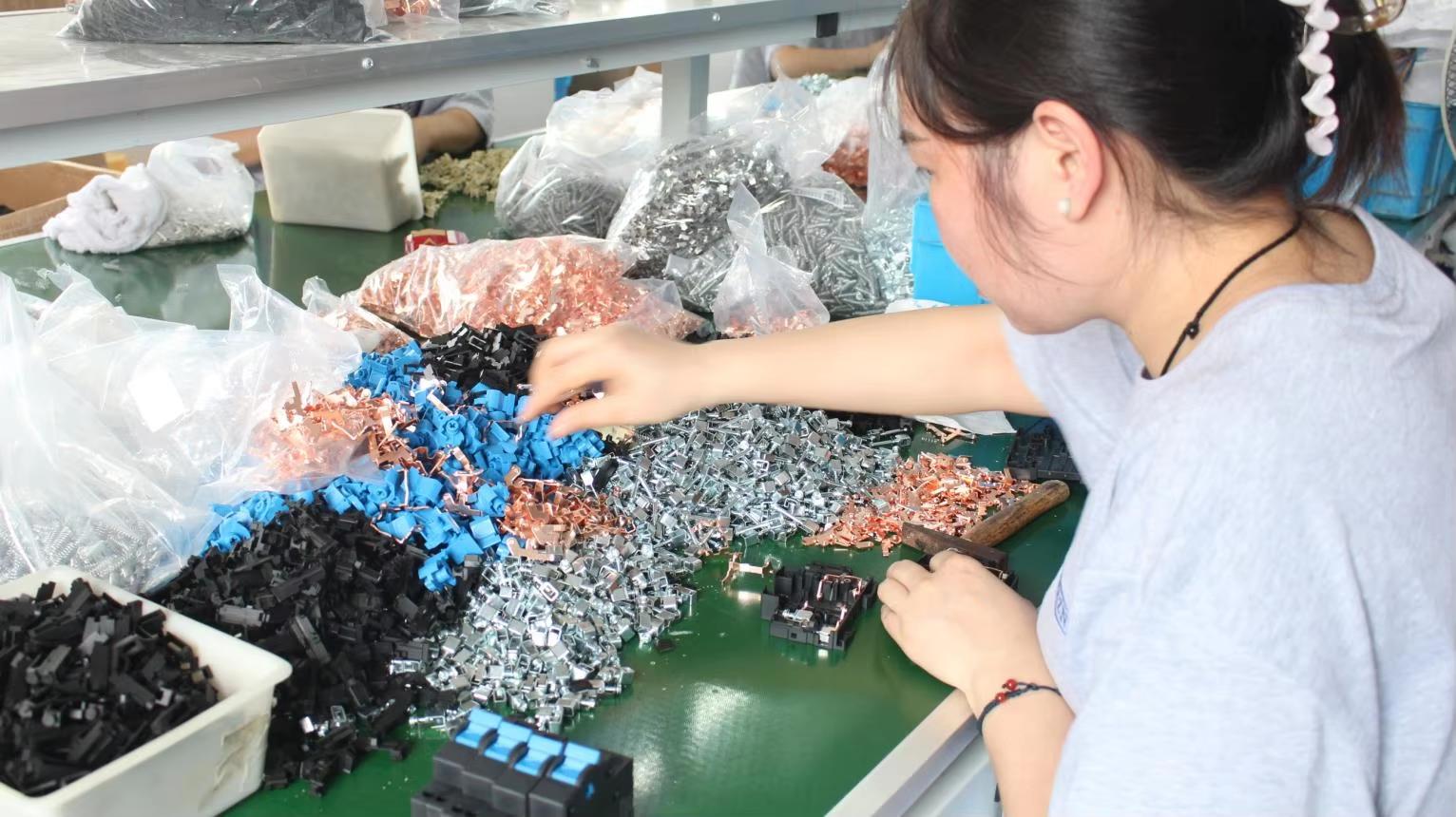
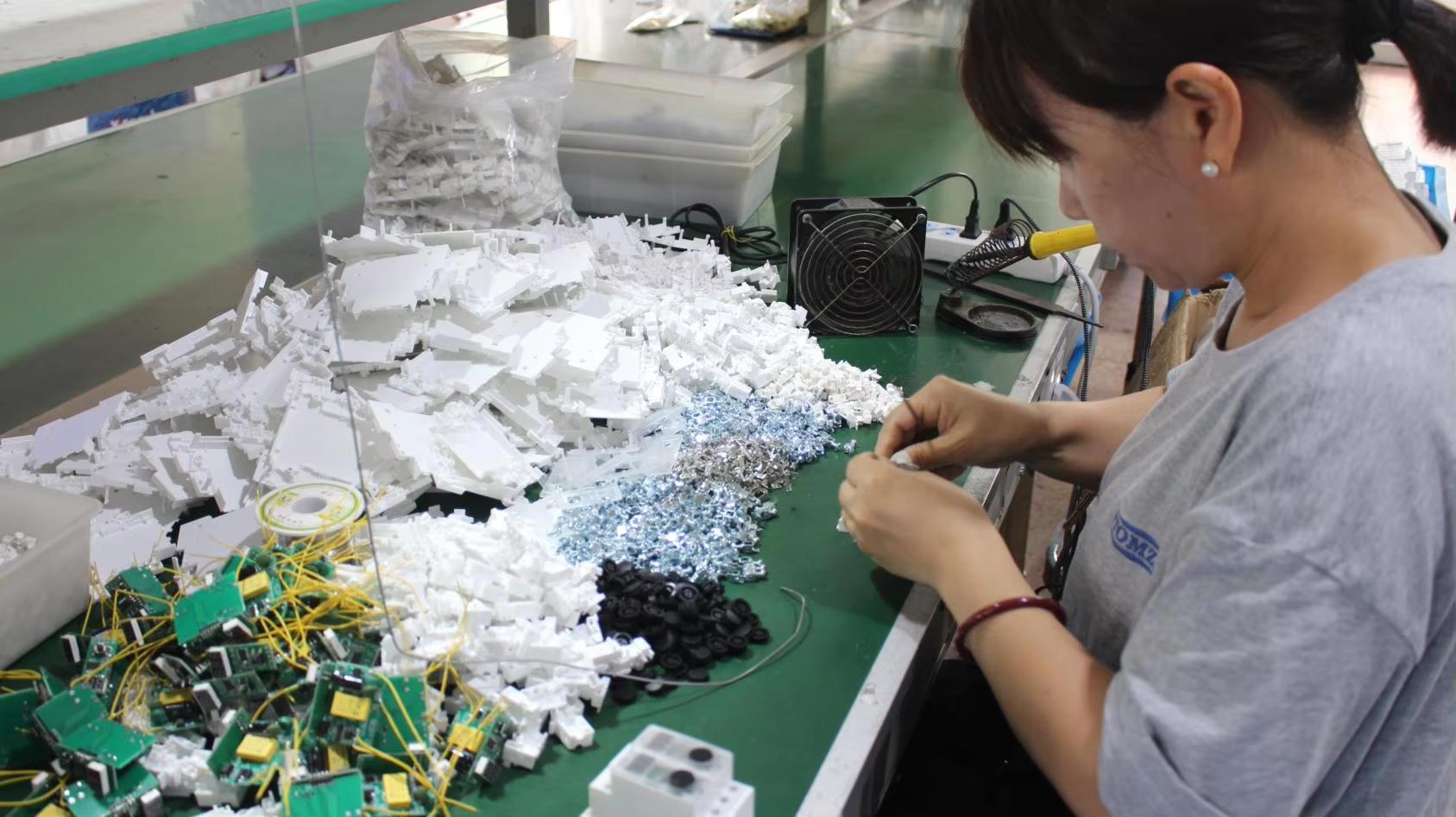
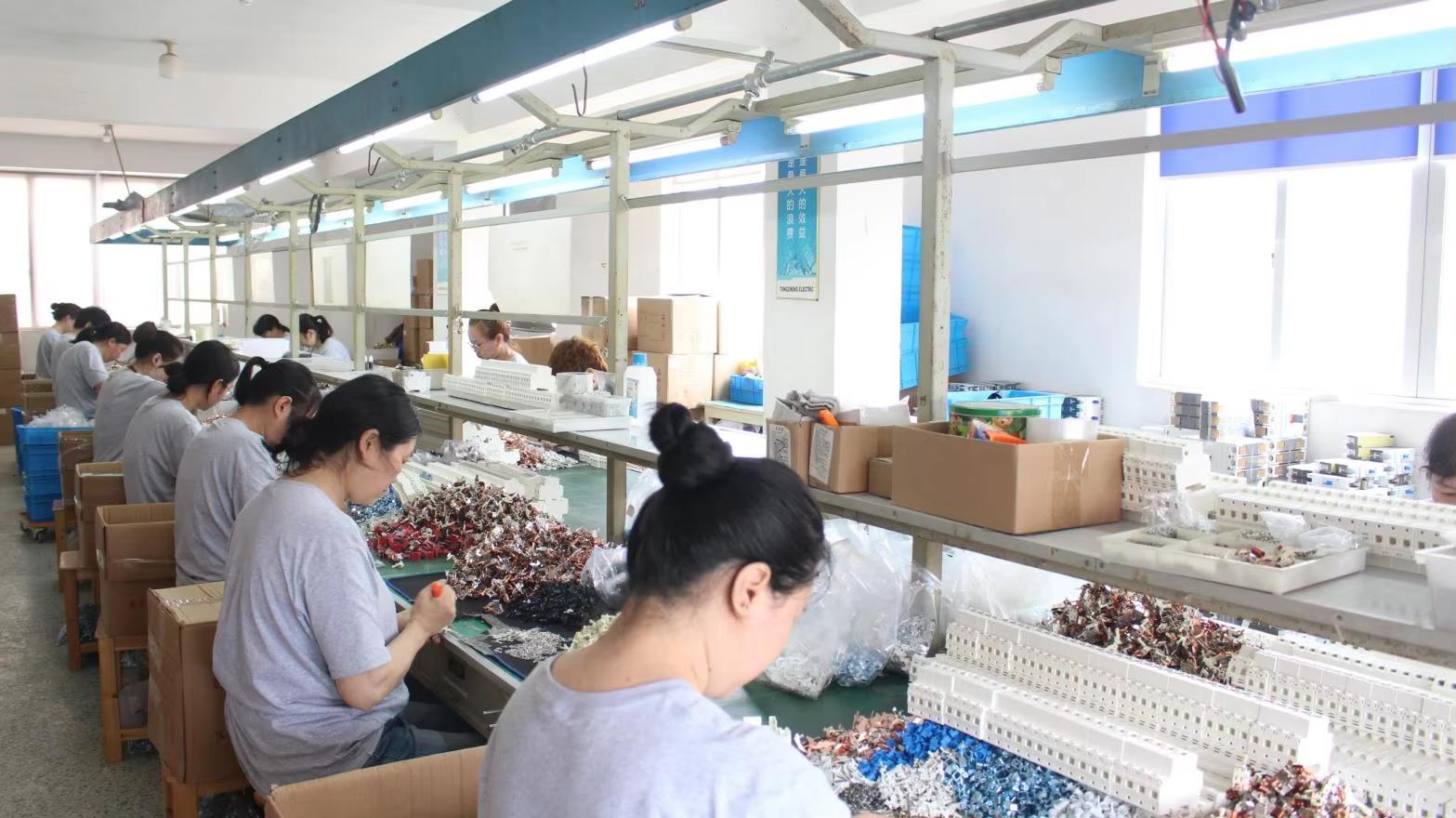
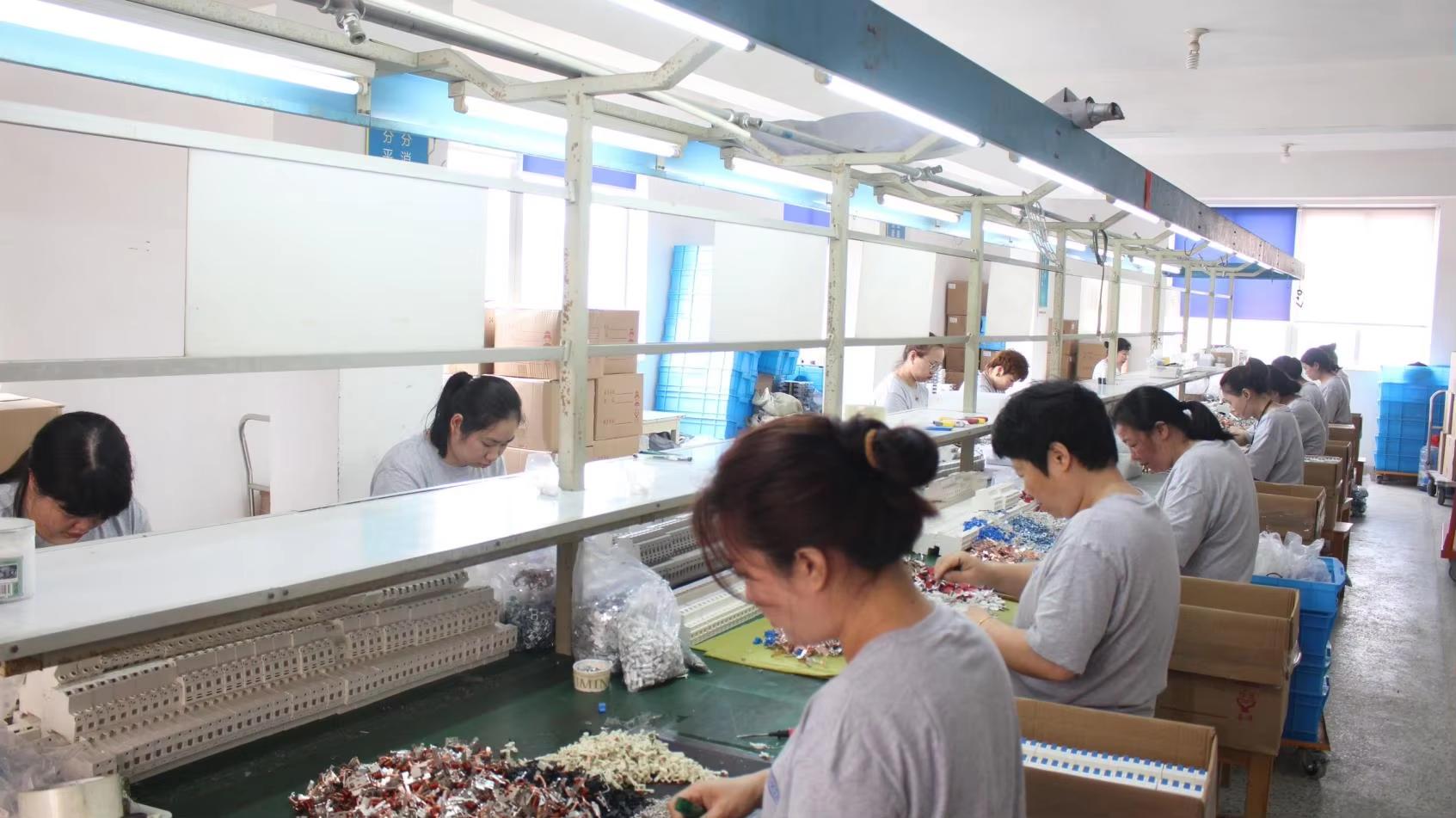
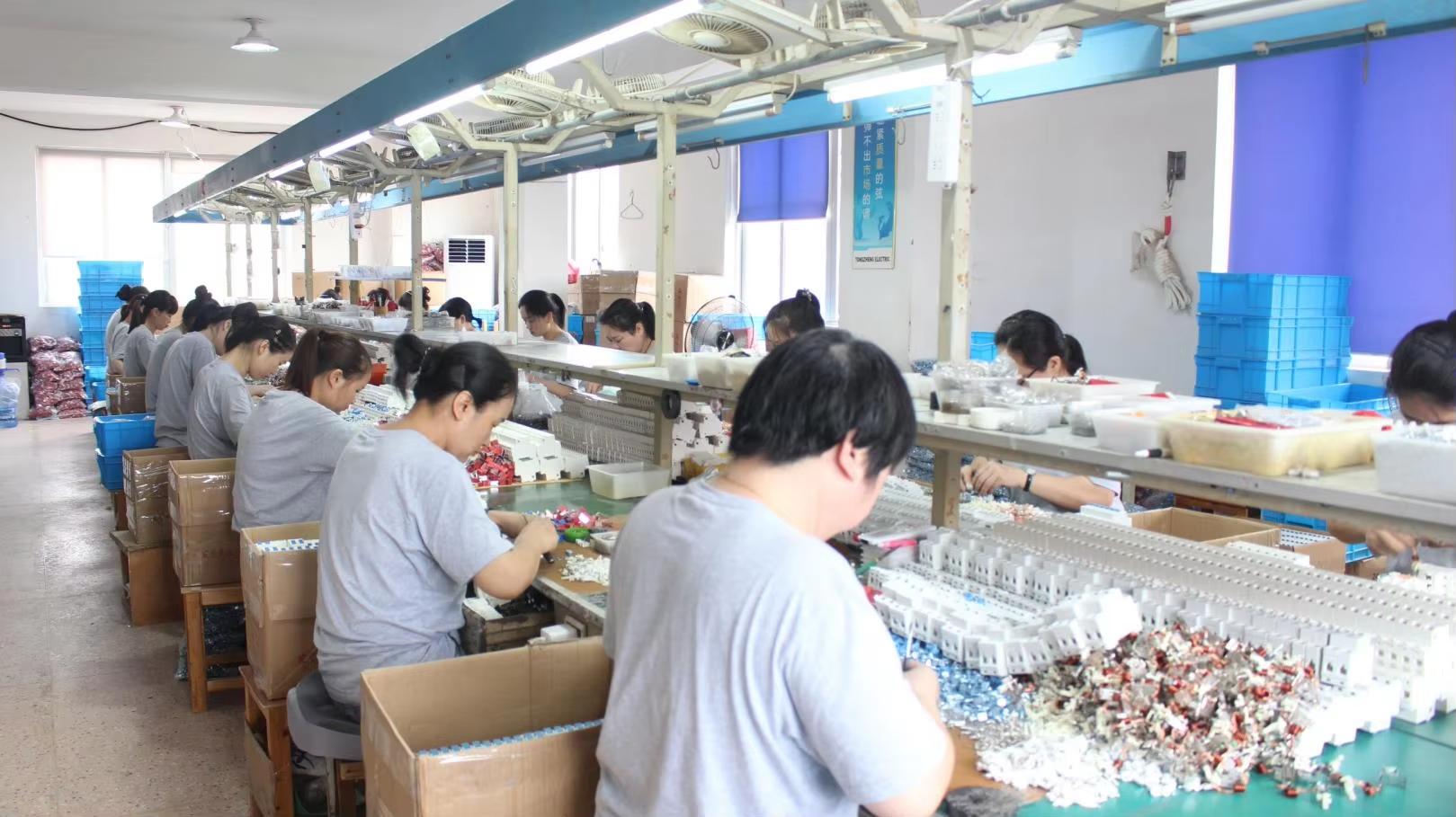
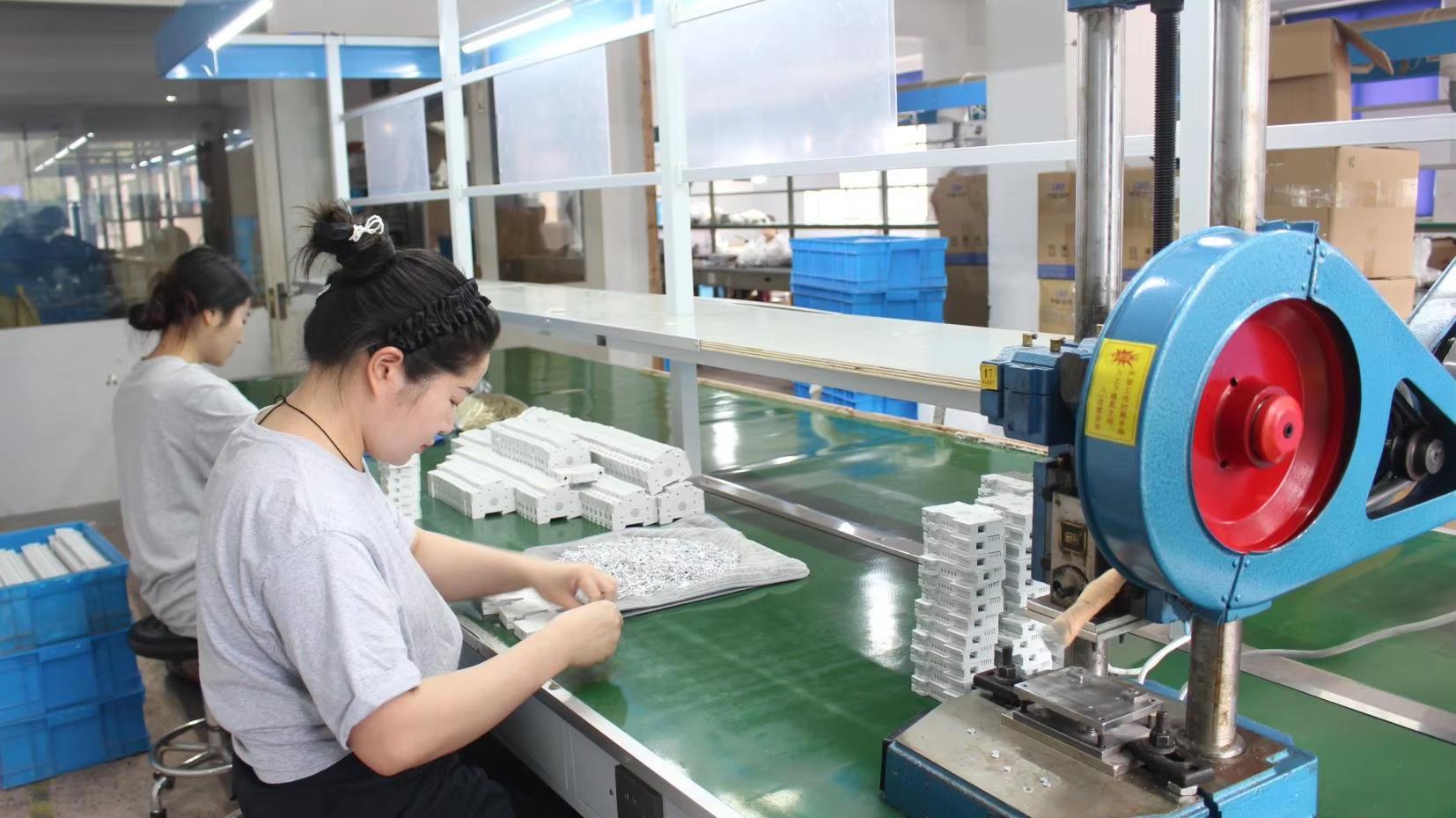
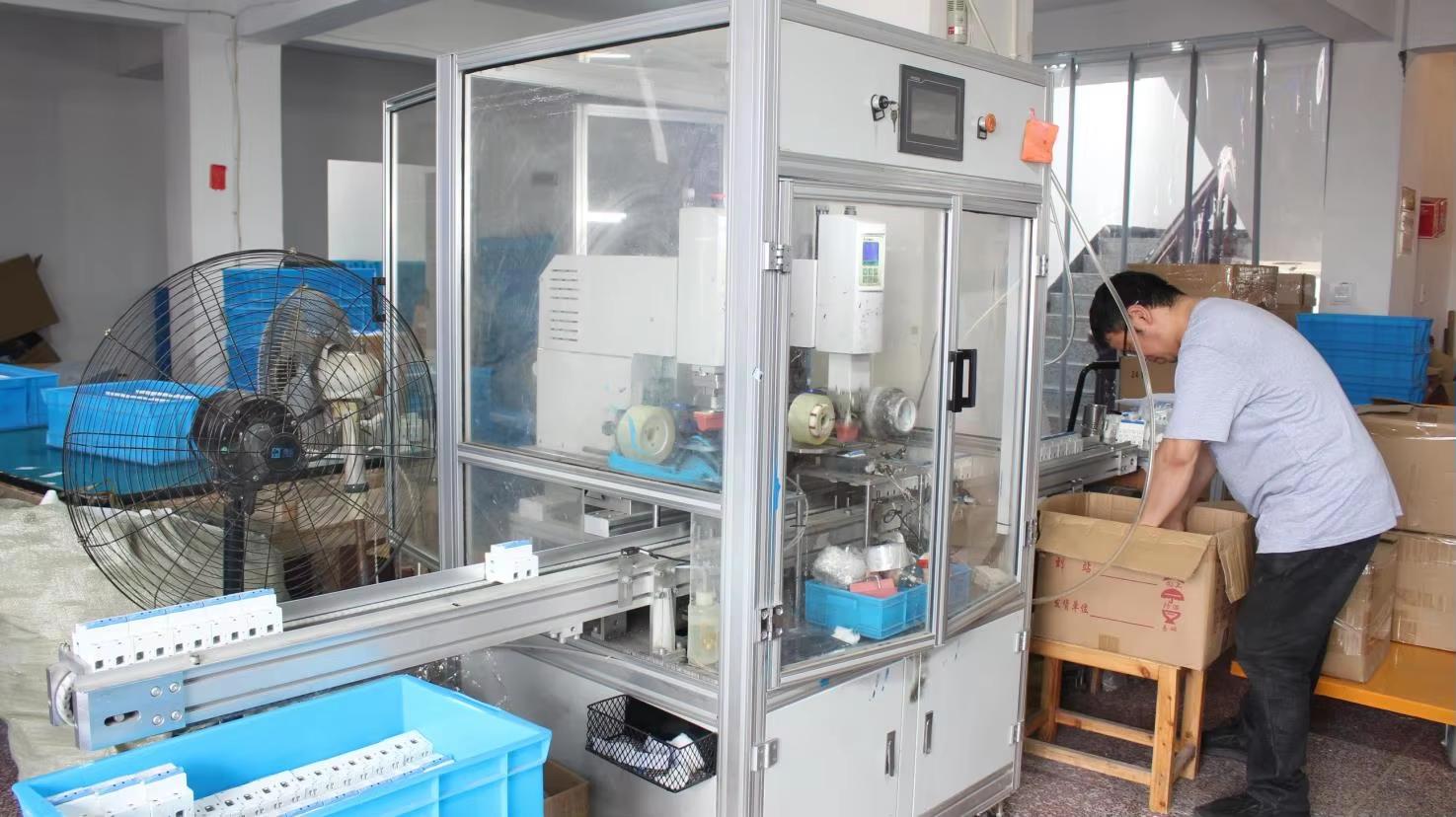
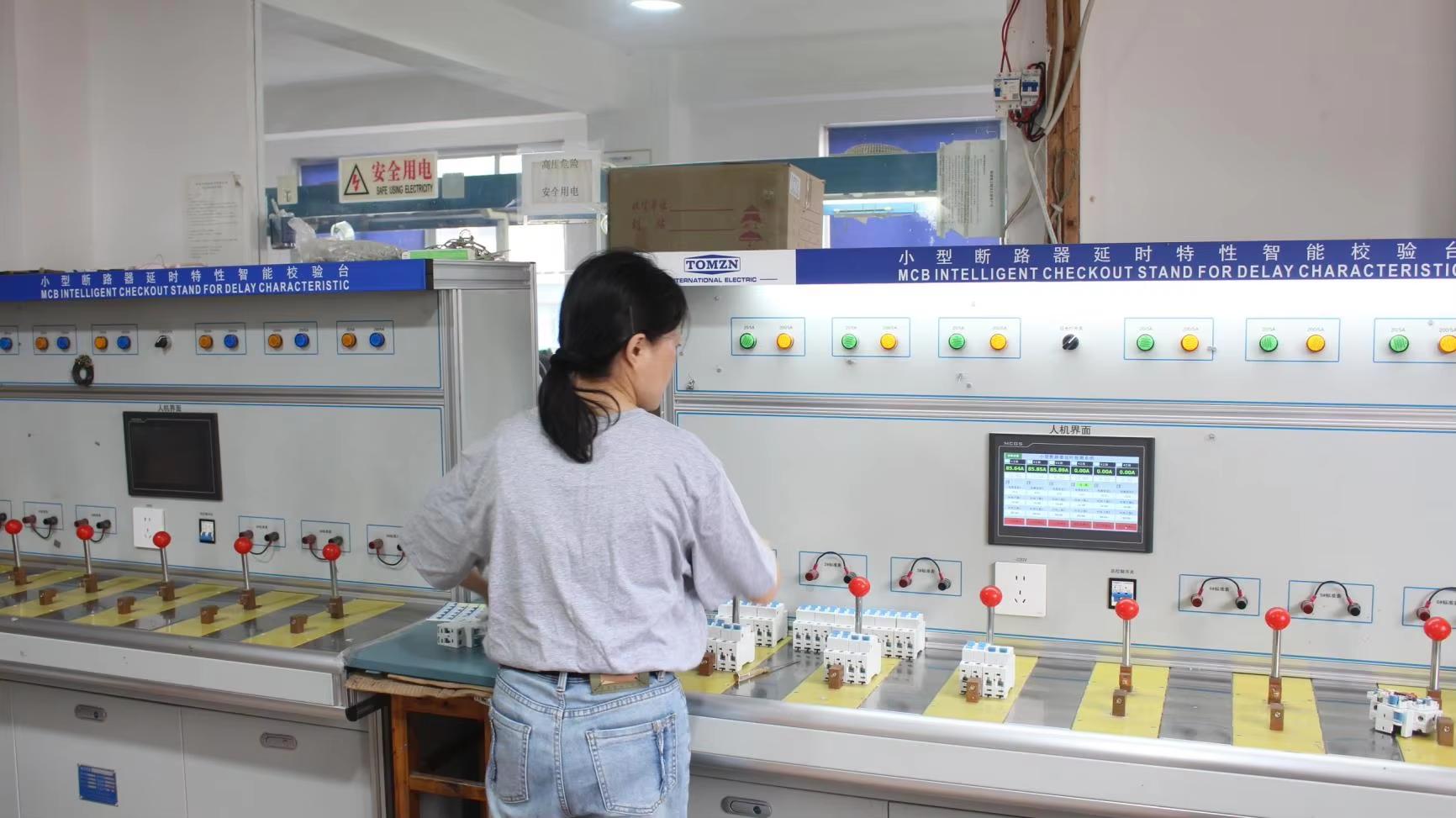
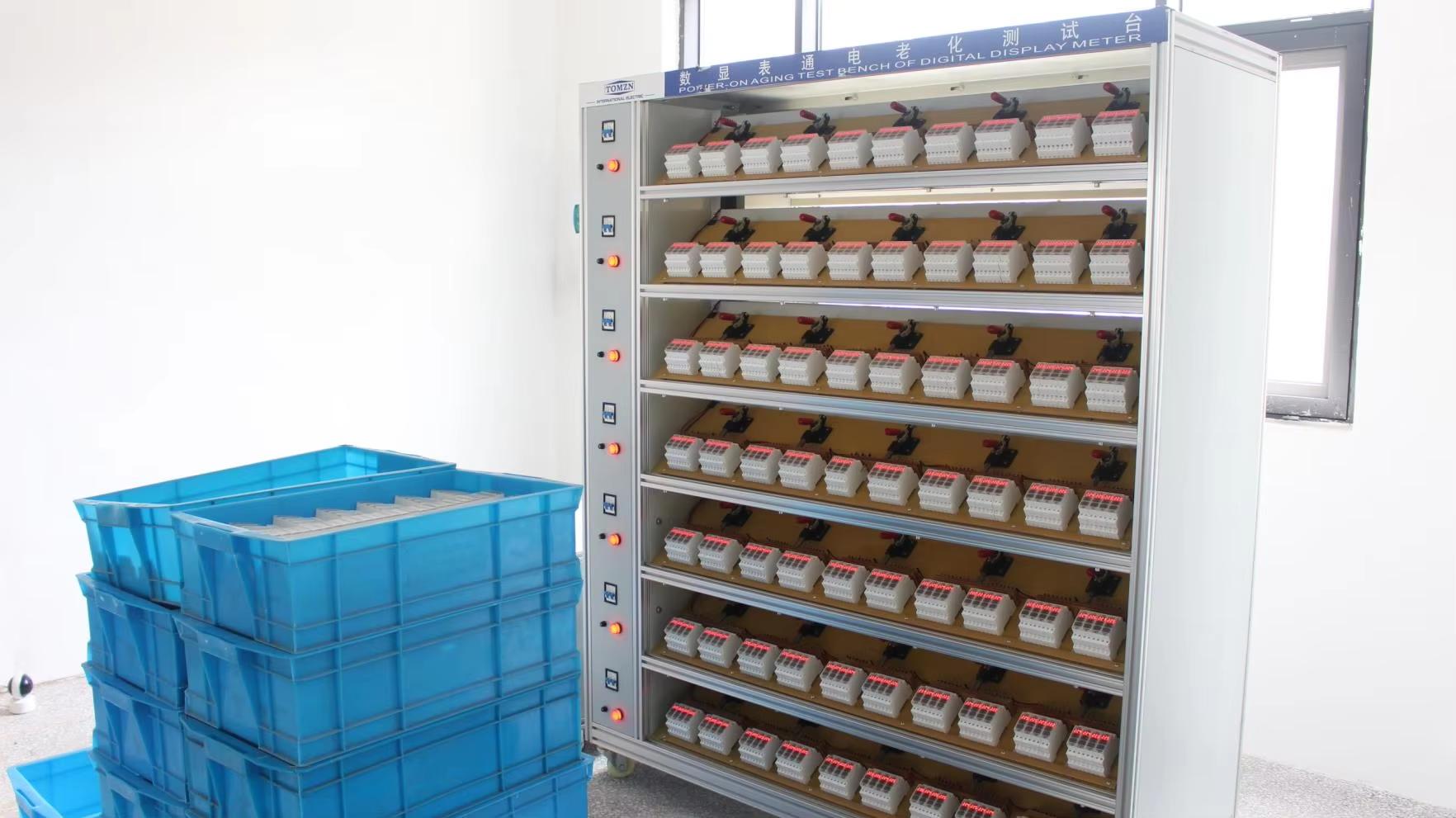
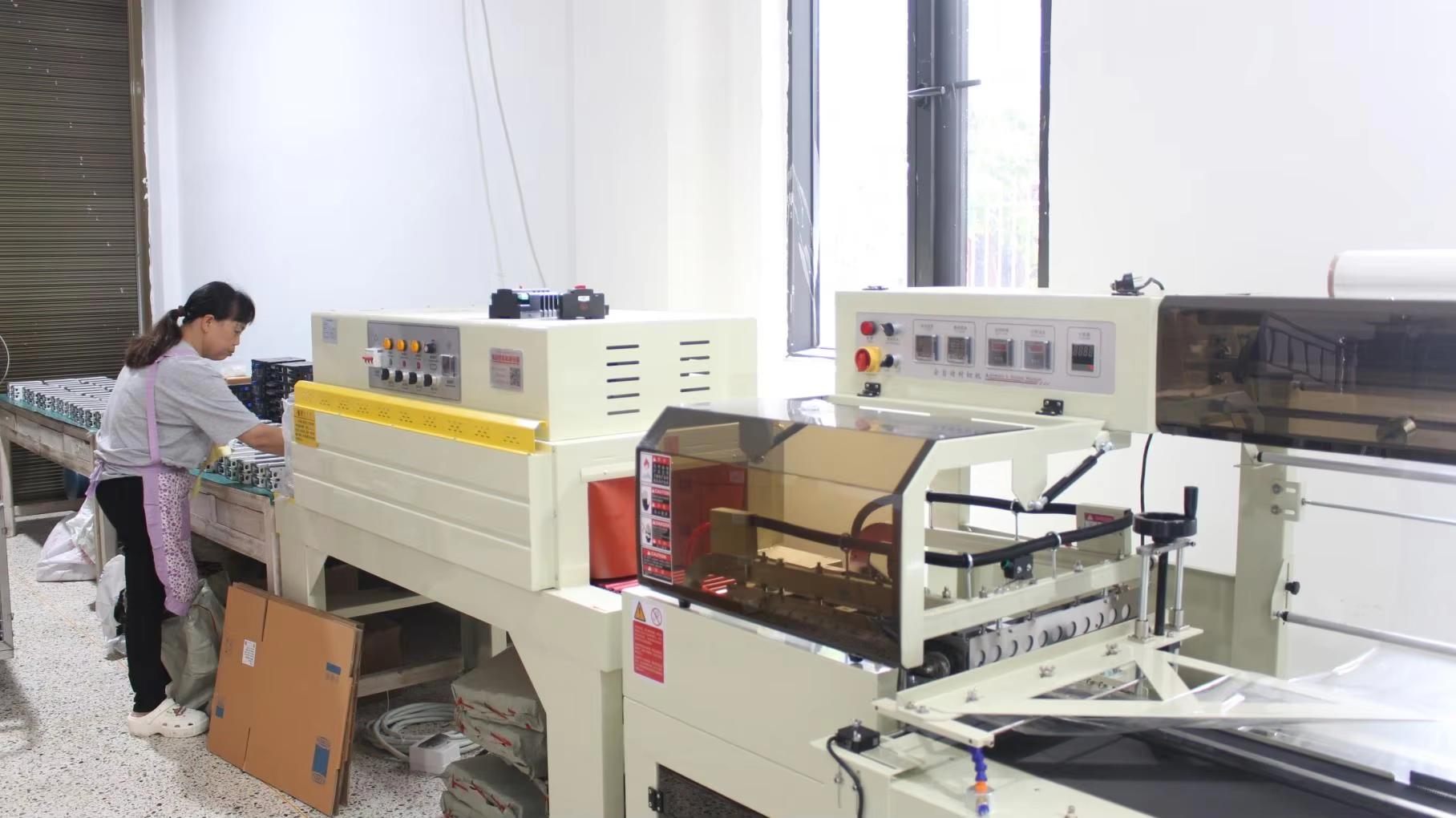
Our operations are consolidated within a single 5,700 m² state-of-the-art manufacturing facility. An independent third-party inspection company has verified our production facilities, automated SMT lines, automated test benches, and quality management systems onsite. We process over US$3.3 Million in annual export volume to over 60 countries across Europe, South America, the Middle East, and Southeast Asia.
Uncompromising Quality Assurance & In-House Testing
Every DIN rail meter produced at Zhejiang DVS Electric Co., Ltd. undergoes rigorous multi-stage quality control before dispatch:
- Incoming Material Inspection (IQC): 100% testing of core metering ICs, microcontrollers, LCD panels, flame-retardant housings, and current shunts.
- SMT Placement & Automatic Optical Inspection (AOI): High-precision surface mount assembly ensuring zero solder bridge defects or component misalignments on meter PCBA boards.
- Automated Calibration Benches: Every meter is calibrated on high-precision multi-position test benches against Class 0.05 reference standards across varying voltage levels and power factors.
- High-Voltage Isolation & Aging Tests: 100% burn-in aging and dielectric withstand voltage testing to guarantee safety under harsh industrial grid surges.
Comprehensive OEM / ODM Customization Services
We empower global electrical brands, importers, and panel builders with extensive OEM and ODM customization options:
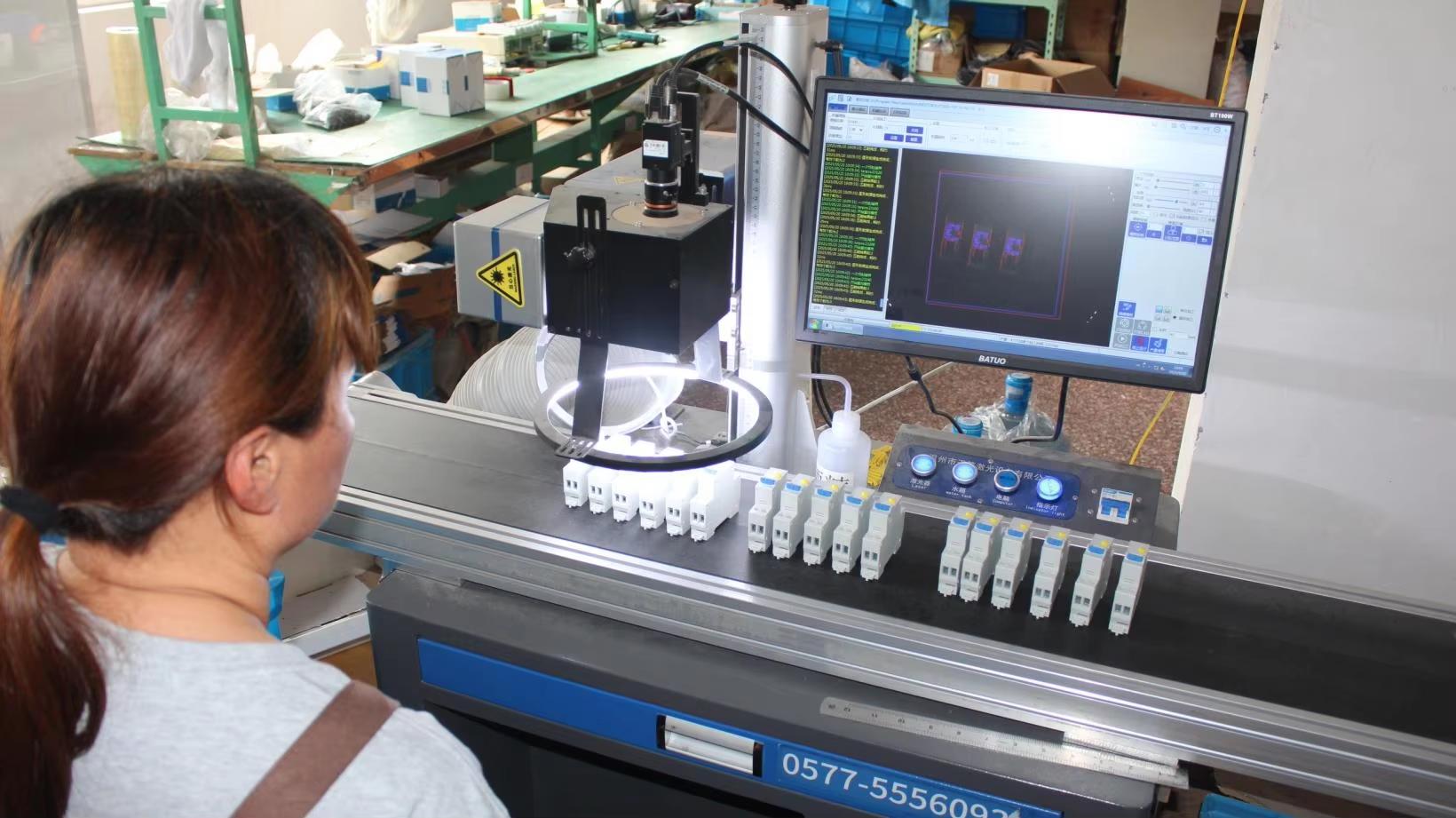
- Custom Branding: Laser-printed corporate logos, custom LCD silkscreens, private label packaging, and branded instruction manuals.
- Custom Firmware: Specific Modbus register mapping, customized baud rates, specialized TOU tariff tables, or custom WiFi app pairing workflows.
- Custom Housing Colors: Special enclosure color schemes, custom terminal cover transparent tints, and bespoke terminal pin configurations.
Verified Factory Real Photo Gallery
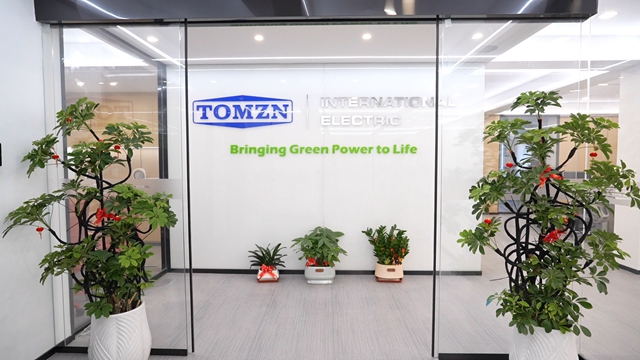
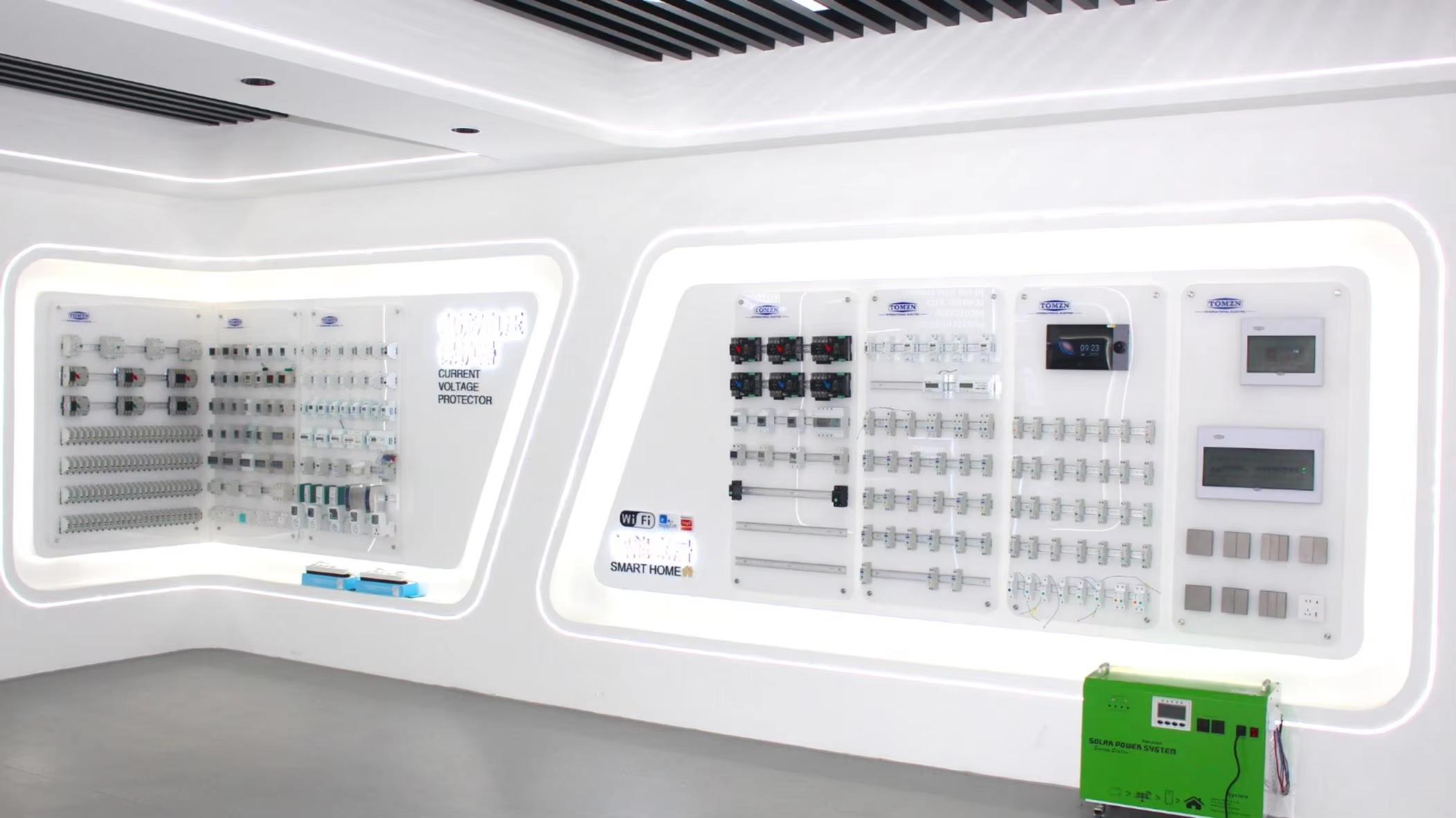
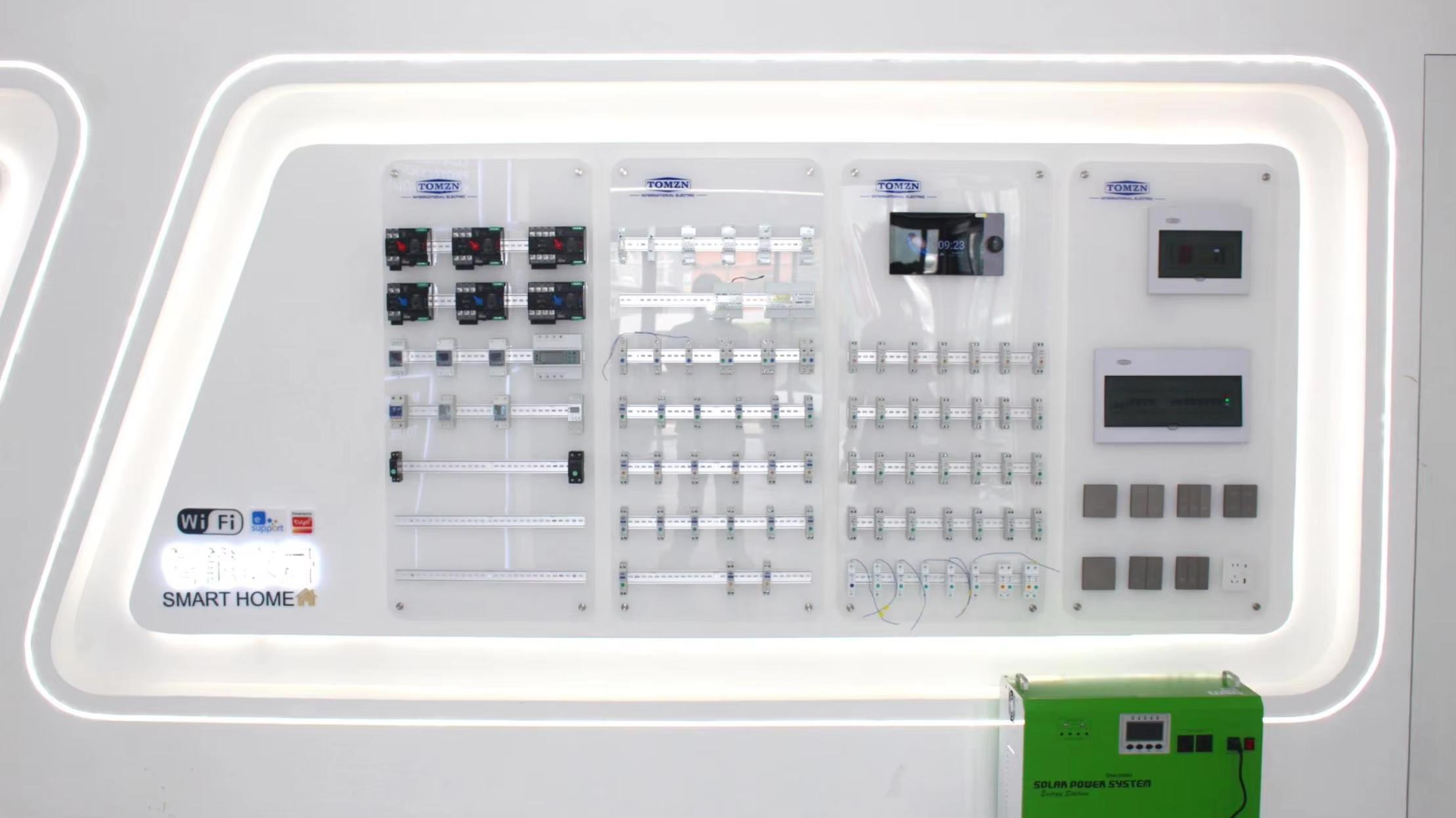
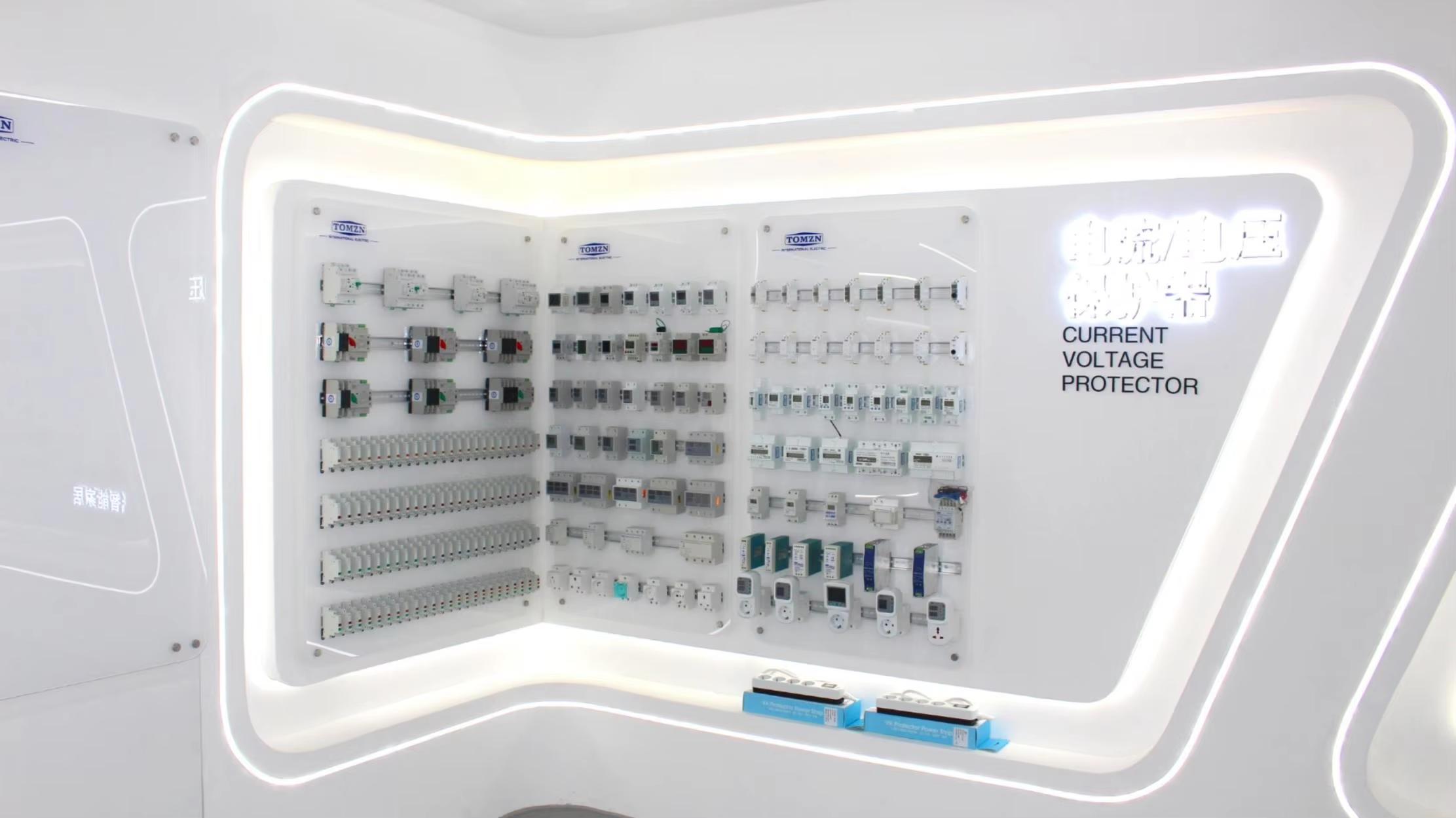
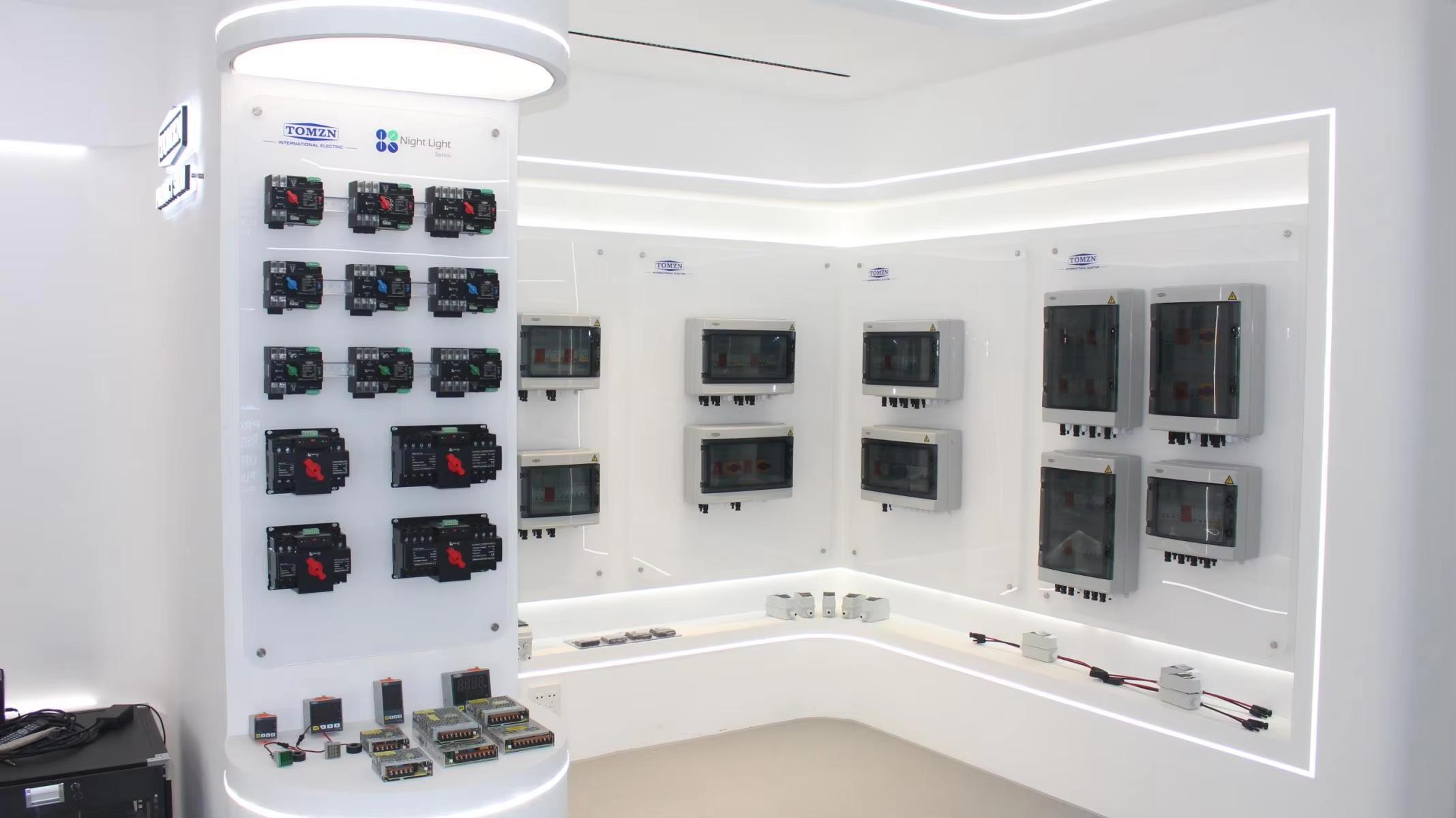
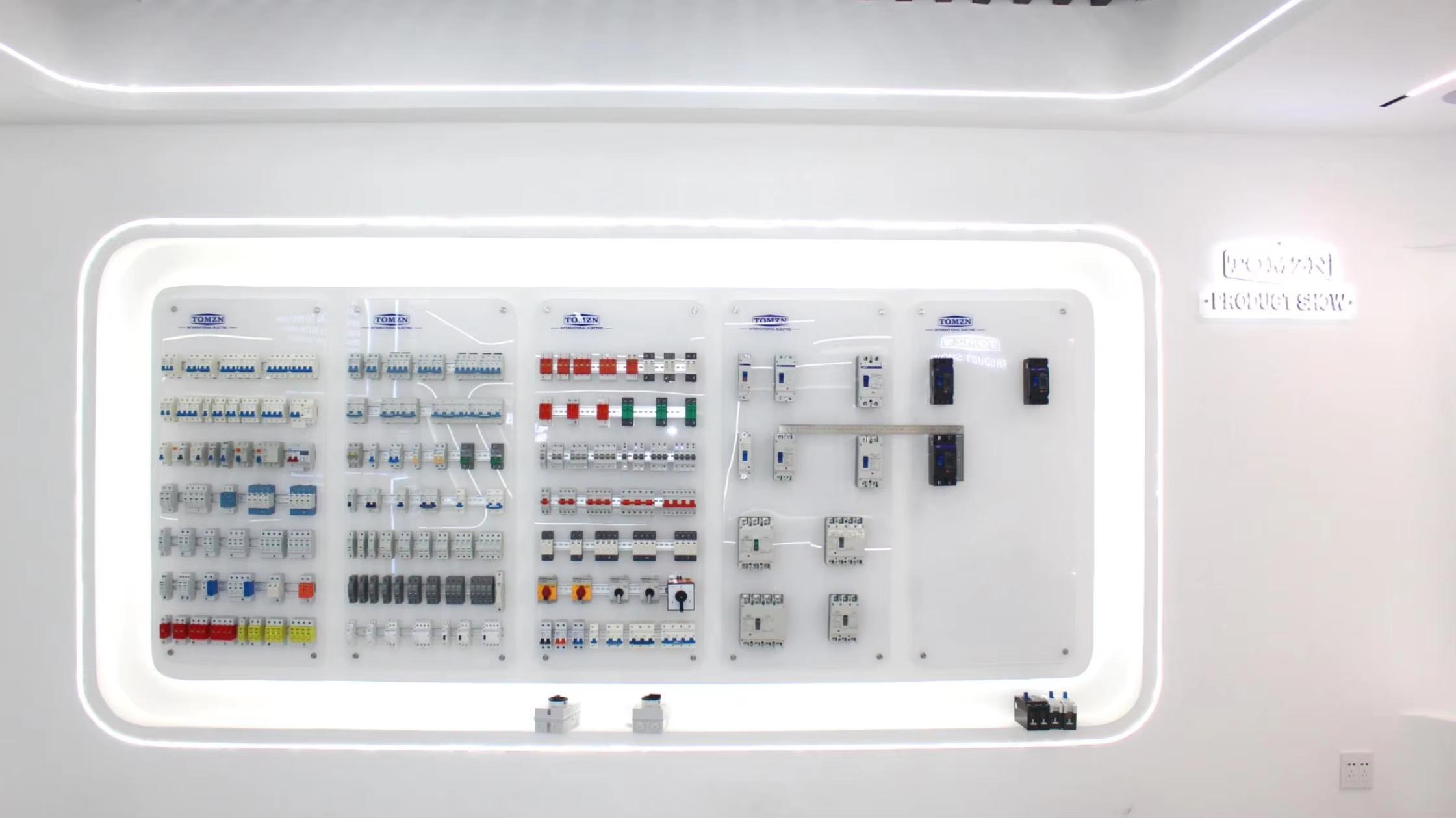
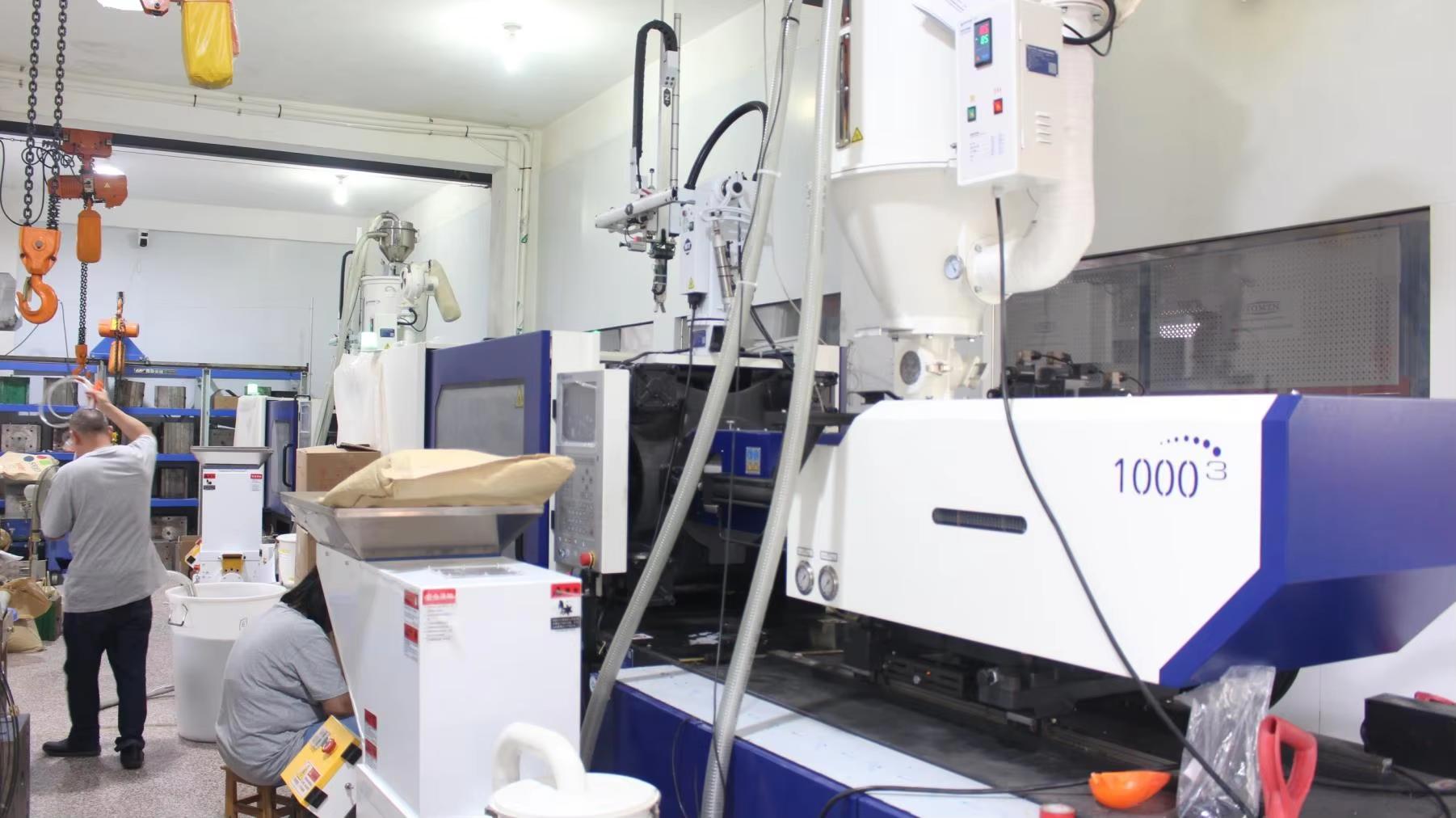
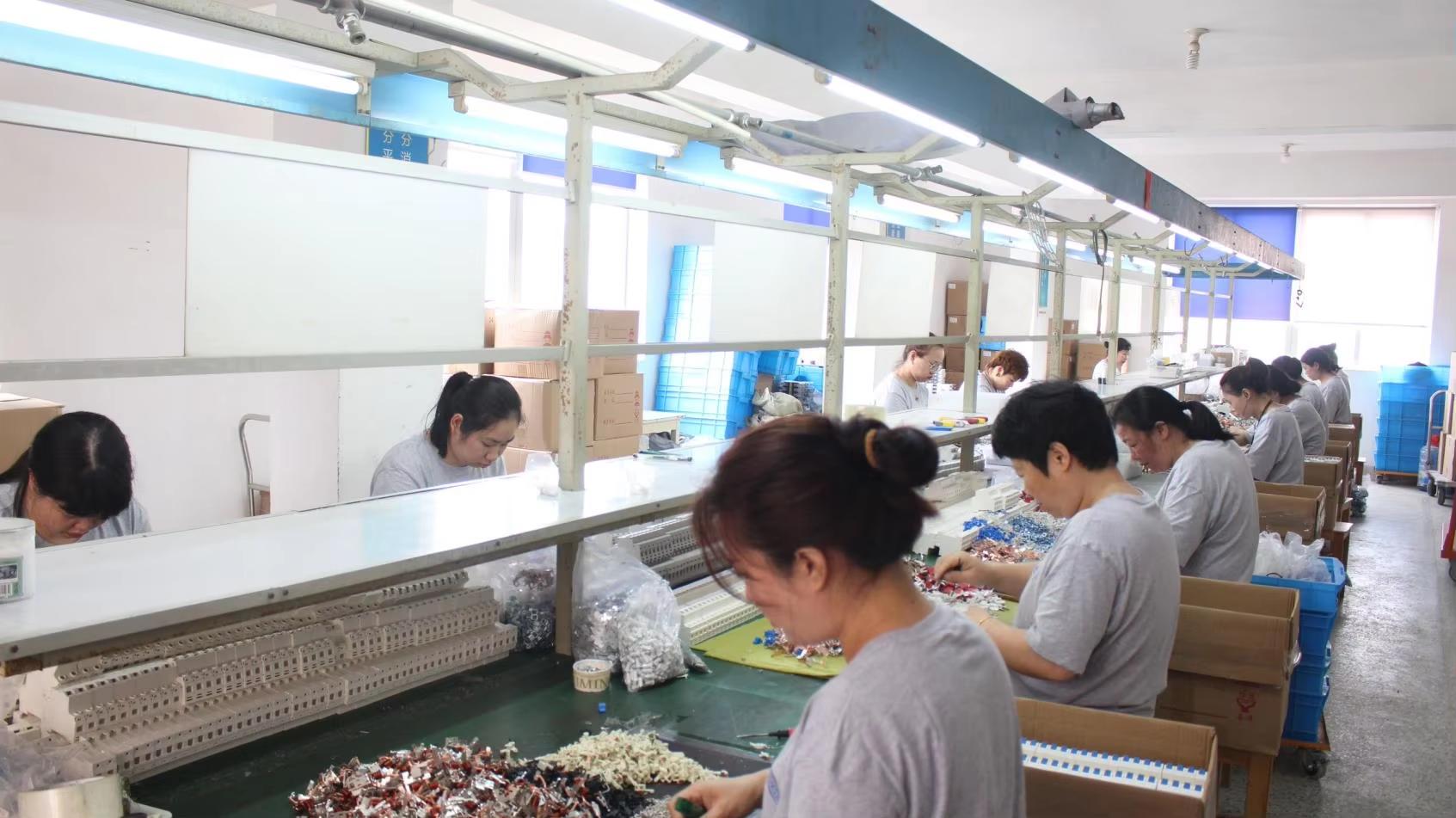
Explore real photos of our manufacturing premises, SMT lines, assembly workshops, and quality testing benches at Zhejiang DVS Electric Co., Ltd.:






Partner with China's Premier DIN Rail Meter Manufacturer
Whether you require standard catalog models, custom Modbus register firmware, or full OEM private labeling, Zhejiang DVS Electric Co., Ltd. delivers certified quality with competitive factory-direct pricing.