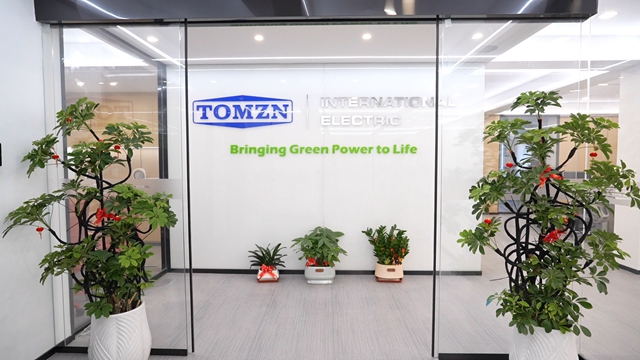
Verified manufacturing capacity, technical specifications, and facility metrics certified by independent third-party inspection agencies.
Why Photovoltaic DC Fuses (gPV) are Mission-Critical for Modern Solar Infrastructure
In utility-scale and commercial photovoltaic installations, electrical protection requires specialized Direct Current (DC) interruption mechanisms. Standard AC fuses and conventional industrial DC fuses are physically incapable of safely isolating fault currents in solar arrays.
The Electrical Physics of DC Short-Circuit Arcing in Solar Arrays
Photovoltaic (PV) power systems exhibit unique electrical behavior compared to grid-tied Alternating Current (AC) distribution systems. AC voltage naturally crosses zero potential 100 or 120 times per second (50Hz/60Hz), which naturally aids in extinguishing an electric arc formed during a fault condition. In contrast, Direct Current (DC) generated by photovoltaic strings maintains continuous voltage and current, meaning a DC electrical arc will not self-extinguish. It will burn continuously, reaching temperatures exceeding 5,000°C if not rapidly interrupted by a specialized arc-extinguishing medium.
Furthermore, solar panels behave as current-limited power sources. Under short-circuit or reverse-current fault conditions, the available fault current in a solar string is often only 1.1 to 2.0 times the nominal operating current ($I_n$). Traditional non-gPV fuses rely on high overcurrents (5x to 10x $I_n$) to break the element in time. Standard fuses operating in a solar combiner box will overheat without opening, causing thermal degradation, molten copper ejection, and catastrophic cabinet fires. The specialized Photovoltaic DC Fuse (Class gPV) defined under IEC 60269-6 and UL 248-19 is specifically engineered to safely detect and break these low overcurrents under full system voltages up to 1000V DC and 1500V DC.
Recommended Photovoltaic DC Fuse Series & Modular Holders
Zhejiang DVS Electric Co., Ltd. manufactures a full spectrum of gPV class Photovoltaic DC Fuses and flame-retardant DIN-rail fuse holders tailored for global solar string combiner boxes, central inverters, and battery storage units.
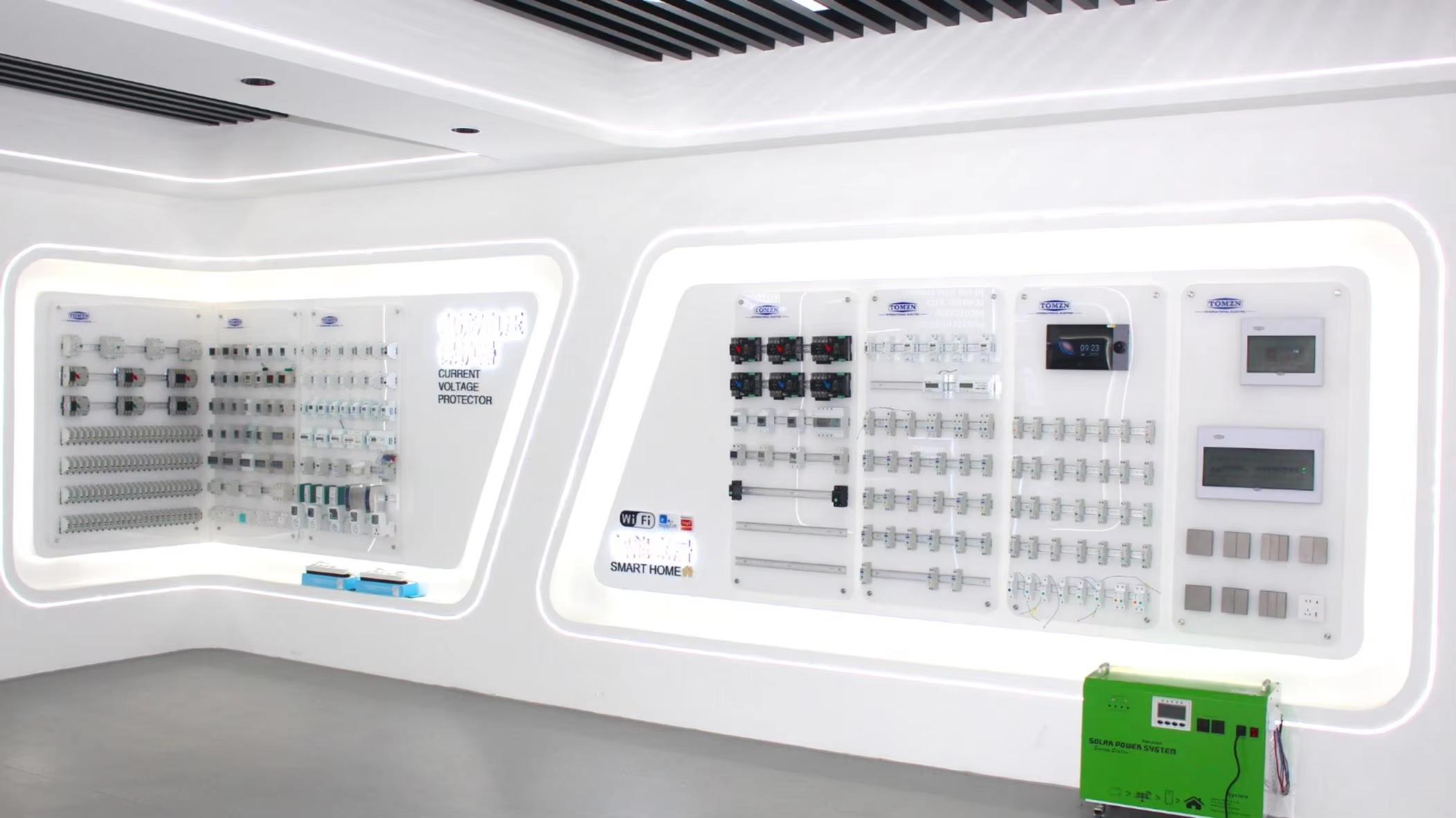
DVS-1038PV String Fuse
Compact 10x38mm cylindrical gPV cartridge fuse engineered for solar panel string protection up to 1000V DC.
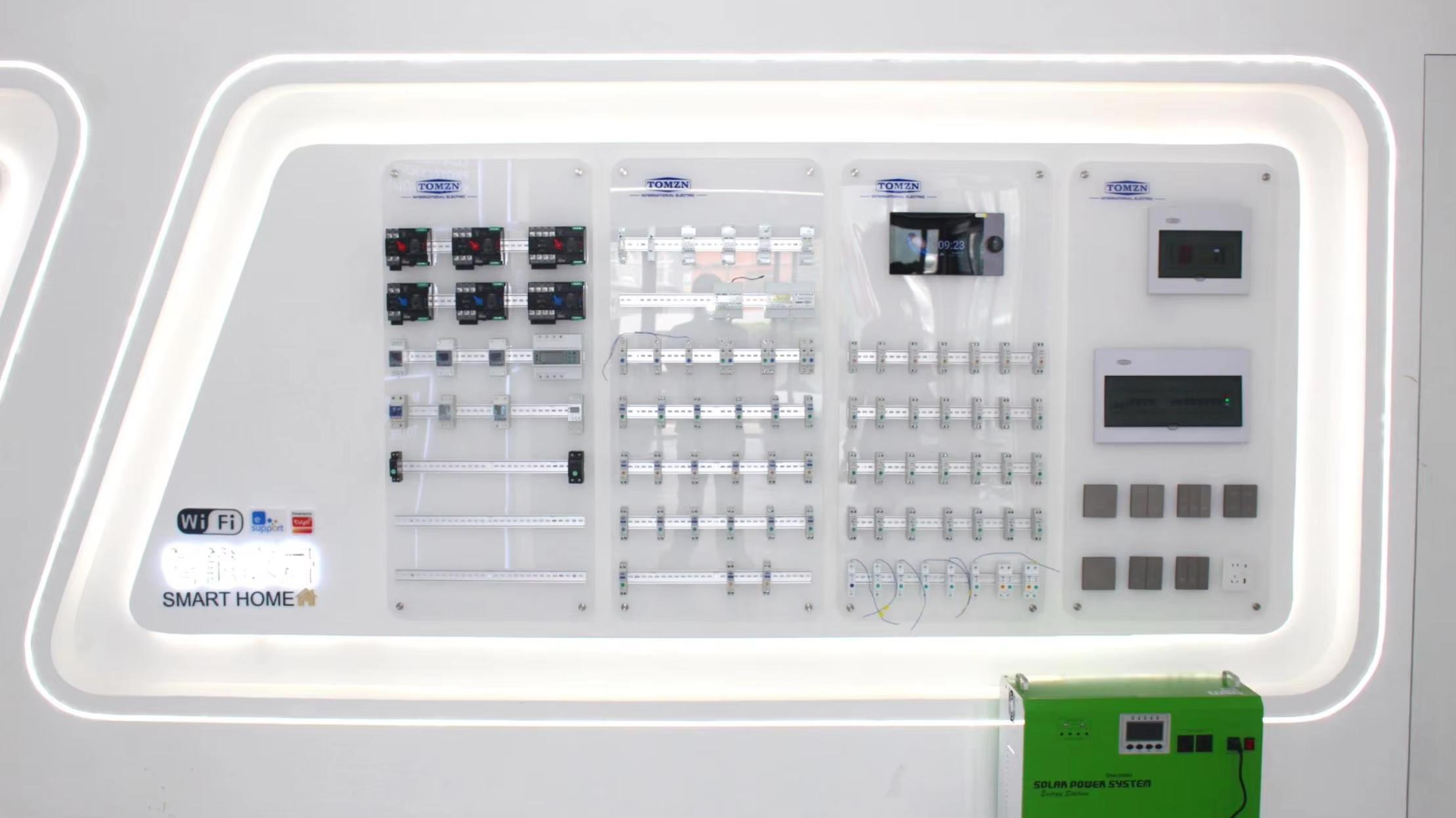
DVS-1451PV & 1085PV Series
High-voltage 1500V DC string fuses in 14x51mm and 10x85mm formats designed for large utility solar farms.
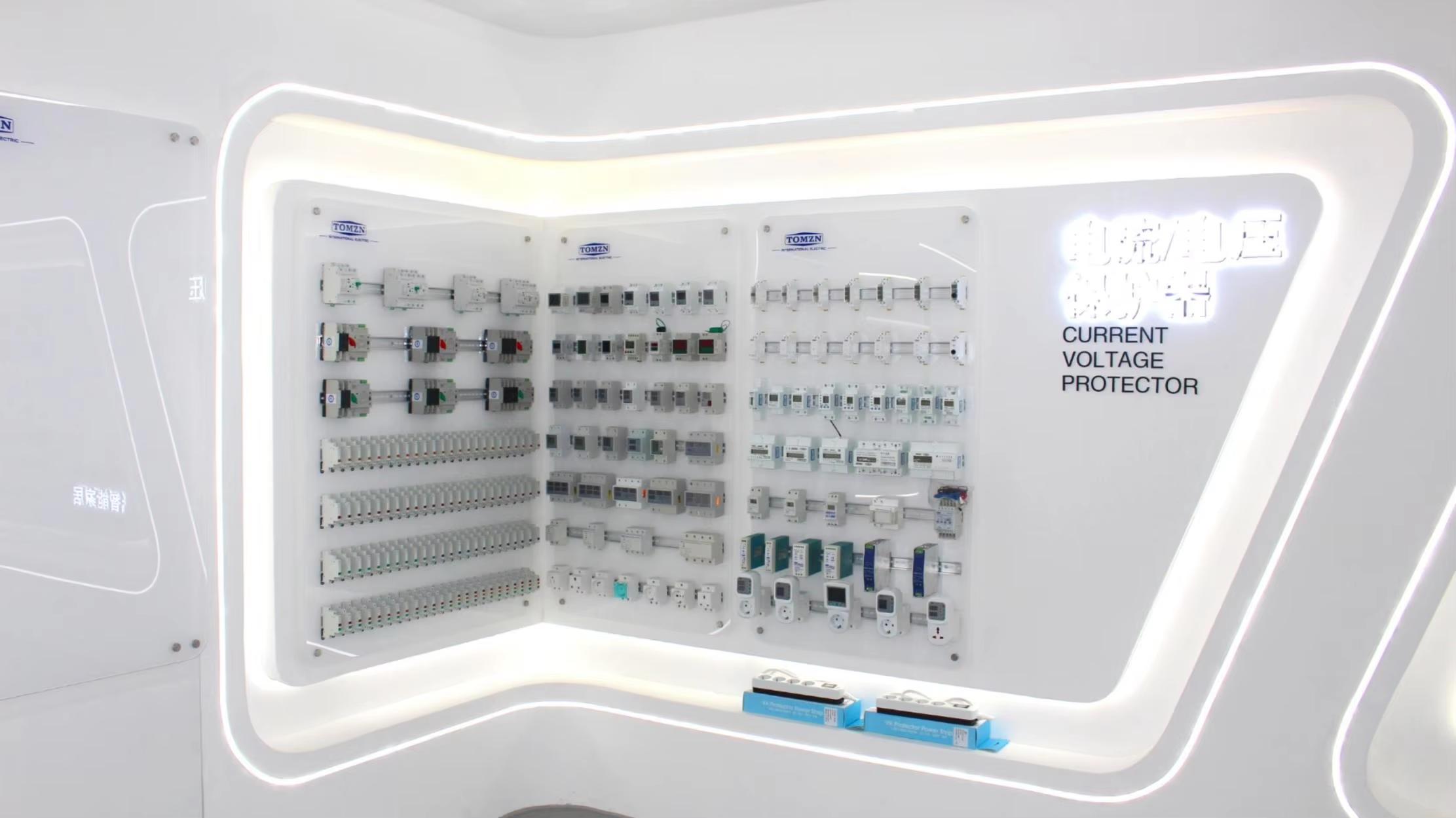
DVS-NHgPV Blade Fuses
Heavy-duty NH00, NH1, NH2, and NH3 blade-type Photovoltaic DC Fuses for array busbars and central inverter inputs.
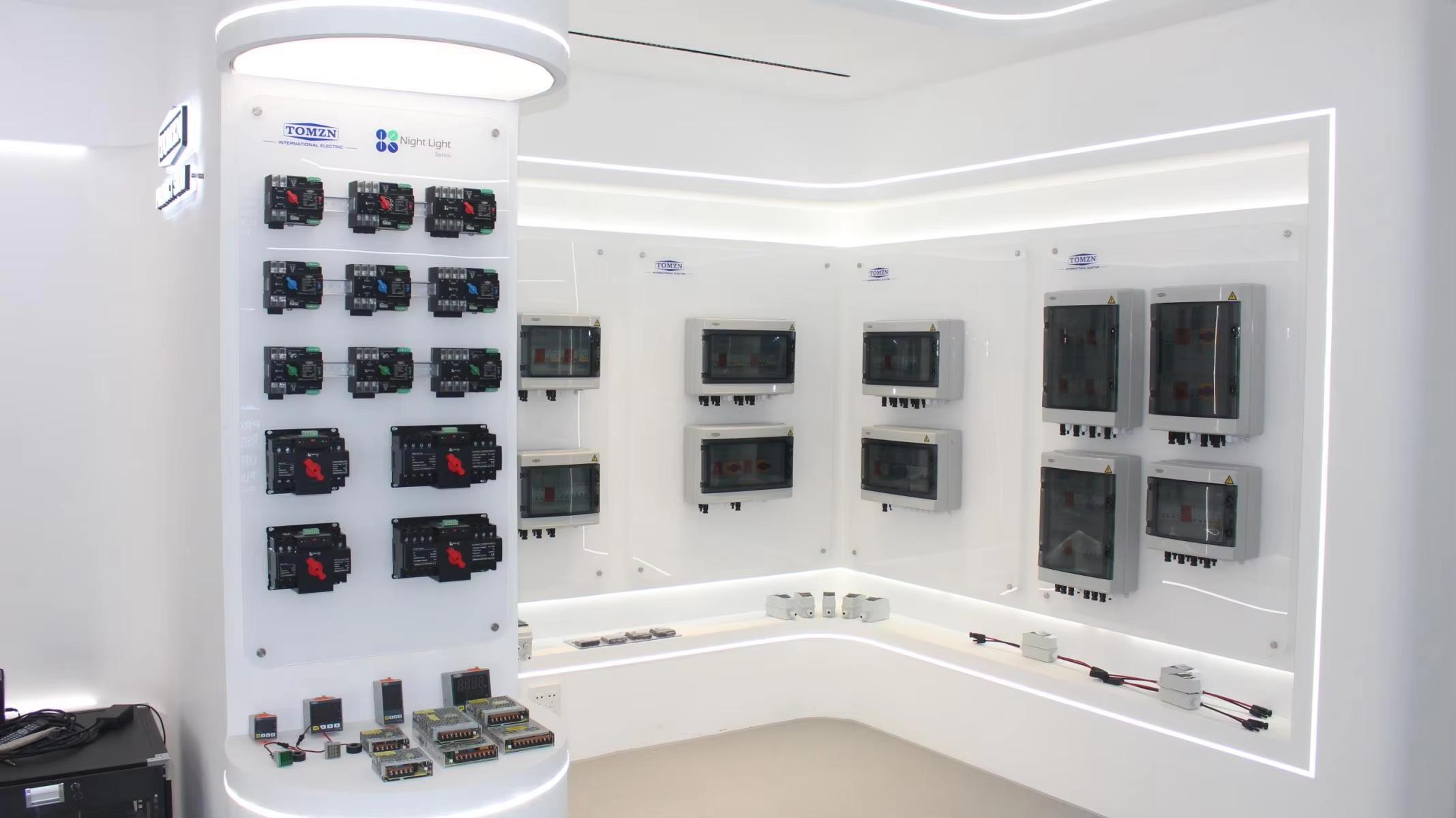
DVS-FH Modular PV Fuse Base
35mm DIN-rail finger-safe fuse holder with optical blown-fuse LED indicator for fast field troubleshooting.
| Model Series | Form Factor | Rated Voltage ($U_n$) | Rated Current ($I_n$) | Breaking Capacity ($I_{cn}$) | Power Dissipation ($P_n$) | Compliance Standard |
|---|---|---|---|---|---|---|
| DVS-1038PV | 10x38 mm Cartridge | 1000V DC | 1A - 32A | 20 kA @ 1000V DC | < 3.5 W | IEC 60269-6 / CE / RoHS |
| DVS-1085PV | 10x85 mm Cartridge | 1500V DC | 2A - 30A | 30 kA @ 1500V DC | < 4.2 W | IEC 60269-6 / UL 248-19 |
| DVS-1451PV | 14x51 mm Cartridge | 1500V DC | 15A - 50A | 50 kA @ 1500V DC | < 6.8 W | IEC 60269-6 / CE |
| DVS-NH00PV | NH00 Blade Type | 1000V / 1500V DC | 50A - 160A | 50 kA @ 1500V DC | < 18 W | IEC 60269-6 / ISO 9001 |
| DVS-NH1/2/3PV | NH1/2/3 Blade Type | 1000V / 1500V DC | 200A - 630A | 50 kA @ 1500V DC | < 45 W | IEC 60269-6 / TUV / CE |
Global Sourcing Trends & Technology Roadmap for Photovoltaic DC Fuses
As the solar energy industry transitions toward higher power density modules, 1500V system architectures, and integrated Energy Storage Systems (BESS), global buyers must evaluate emerging technical requirements.
1. Acceleration of 1500V DC Architecture in Utility-Scale Solar Projects
Global solar EPCs and system integrators are rapidly standardizing on 1500V DC system architecture over traditional 1000V DC designs. Increasing system voltage allows for longer PV strings (up to 30% more modules per string), reducing combiner box cabling, combiner box counts, and overall Balance of System (BOS) costs by 3% to 5%. However, 1500V DC string currents subject fuses to higher voltage stress during interruption. Procurement managers must ensure their suppliers deliver authentic 1500V DC gPV fuses (such as 10x85mm, 14x51mm, or NH formats) tested to handle severe arc extinction with breaking capacities up to 50kA.
2. Thermal Management and Ultra-Low Power Dissipation ($P_n$)
Modern PV combiner boxes are sealed to IP65 or IP66 ingress protection ratings to withstand harsh desert or coastal environments. Inside these enclosed boxes, ambient temperatures often exceed 60°C to 70°C. Standard fuses with high internal resistance generate excess heat (power loss $P_n$), leading to thermal derating, premature tripping, and insulation breakdown of neighboring DIN-rail components. Sourcing trends favor Photovoltaic DC Fuses with optimized silver element geometry that guarantees low internal resistance and minimized power dissipation per pole.
3. Dual Protection Convergence: Solar PV + Battery Energy Storage Systems (BESS)
The rapid integration of utility-scale energy storage with solar arrays has created a demand for hybrid DC protection solutions. Battery energy storage systems exhibit extremely high prospective short-circuit currents with steep current rise speeds ($di/dt$). Advanced Photovoltaic DC Fuses are now being specified with fast-acting semiconductor protection profiles (aR/gPV hybrid characteristics) to protect sensitive battery modules and bidirectional DC/DC converters alongside PV strings.
4. Supply Chain Auditability, Compliance, and OEM Customization
Global buyers are moving away from unverified spot-market vendors toward audited, vertically integrated original manufacturers. Engineering buyers require full traceability of raw materials—including high-purity quartz sand arc media, 95% alumina ceramic tubes, and pure silver ribbons. Manufacturers like Zhejiang DVS Electric Co., Ltd. provide complete third-party audit verification, custom laser marking, OEM private-label packaging, and factory-direct technical datasheets.
Key Product Development Trends in Photovoltaic DC Fuse Design
The continuous improvement in solar cell efficiency (such as TOPCon and HJT high-current bifacial modules) requires next-generation fuse element engineering.
Advanced Arc-Extinguishing Sand Granulation
The internal filling material of a Photovoltaic DC Fuse is critical for interrupting high-voltage DC arcs. Zhejiang DVS Electric Co., Ltd. utilizes high-purity quartz sand ($\text{SiO}_2 > 99.8\%$) subjected to proprietary grain-size distribution and thermal treatment processes. When the silver fuse element melts during a fault, the electric arc vaporizes the silver metal. The surrounding quartz sand immediately melts, absorbing the arc energy and forming a non-conductive vitrified ceramic mass (fulgurite) that permanently blocks current flow.
Precision Melt Element Ribbon with M-Effect Technology
To achieve strict compliance with IEC 60269-6 for low overcurrent breaking (breaking at $1.35 \times I_n$ to $1.45 \times I_n$ within 1 hour), our engineering team employs pure silver ($99.99\%$) ribbon elements featuring micro-punched notch geometry combined with low-melting-point tin alloy dots (the Metallurgical M-Effect). The M-effect causes the silver ribbon to diffuse and melt at significantly lower temperatures during persistent low overcurrents, protecting PV panels without causing high operating temperature stress.
Zhejiang DVS Electric Co., Ltd. — Your Trusted Photovoltaic Protection Factory
With 24 years of expertise in low-voltage electrical manufacturing, Zhejiang DVS Electric Co., Ltd. delivers factory-direct reliability, comprehensive quality control, and OEM/ODM flexibility to global solar clients.
24 Years of Precision Electrical Manufacturing in Wenzhou, China
Zhejiang DVS Electric Co., Ltd. operates a modern 5,700 m² manufacturing plant located in Liushi Town, Wenzhou—the low-voltage electrical hub of China. We specialize in custom manufacturing of Photovoltaic DC Fuses, DC Miniature Circuit Breakers, PV Combiner Boxes, Automatic Transfer Switches, and Surge Protective Devices.
Our integrated facility houses automated stamping machines, precision assembly lines, ceramic body processing equipment, and computerized electrical test benches. Independent inspection bodies routinely audit our operations to ensure strict adherence to ISO 9001 and international standards.
- Verified 5,700 m² manufacturing floorspace with full production control
- 100% automated internal resistance & tripping calibration checks
- OEM & ODM support: custom ratings, private labeling, and packaging
- CE, IEC 60269-6, and ISO 9001 certified quality management
- Global export experience spanning over 50 countries worldwide
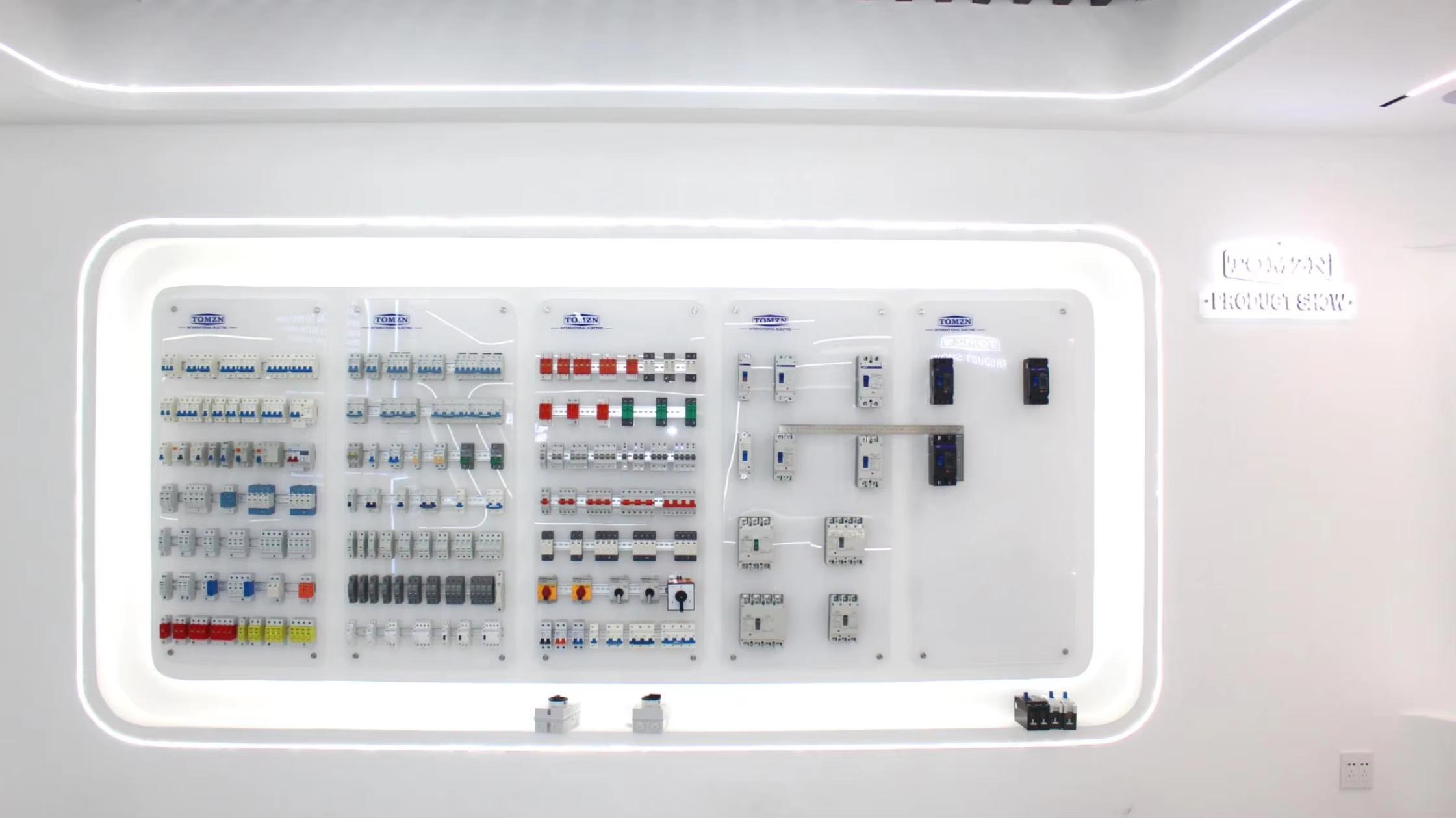
Factory Production & Quality Control Showcase
Headquarters View Automated Production
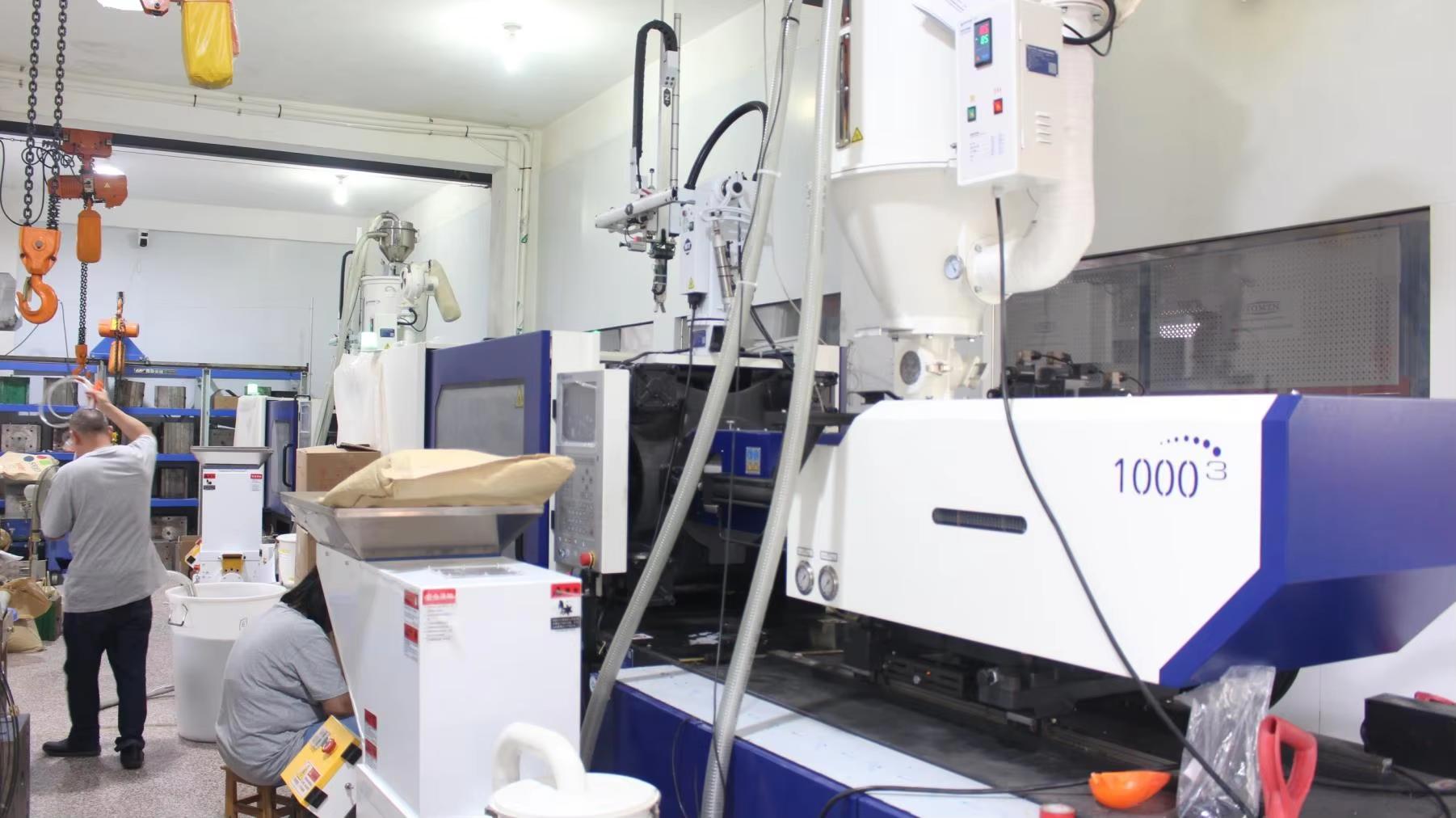 Assembly Line
 High Voltage Testing
 Quality Assurance
 Material Control
 Precision Stamping
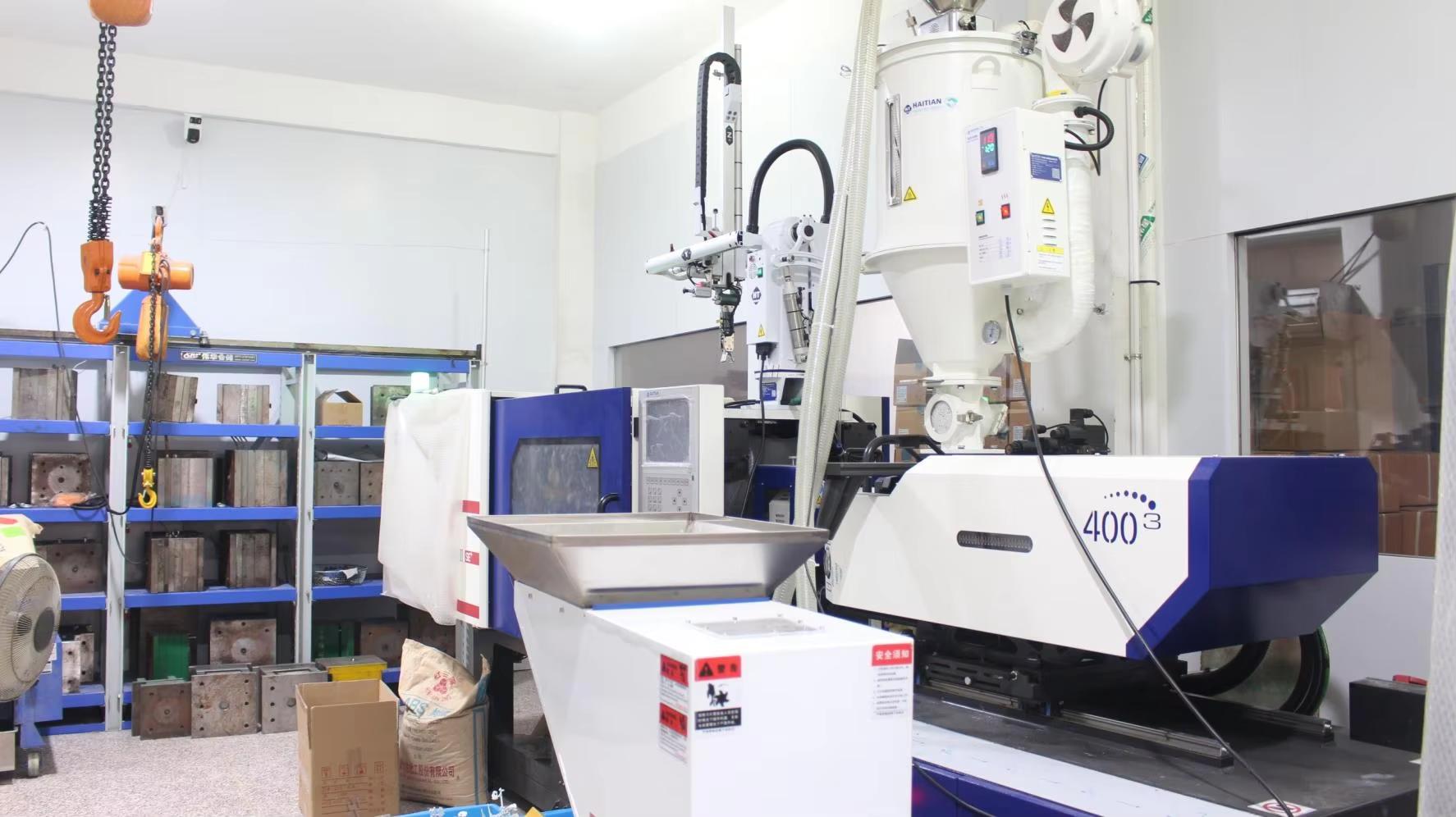 Quartz Sand Filling
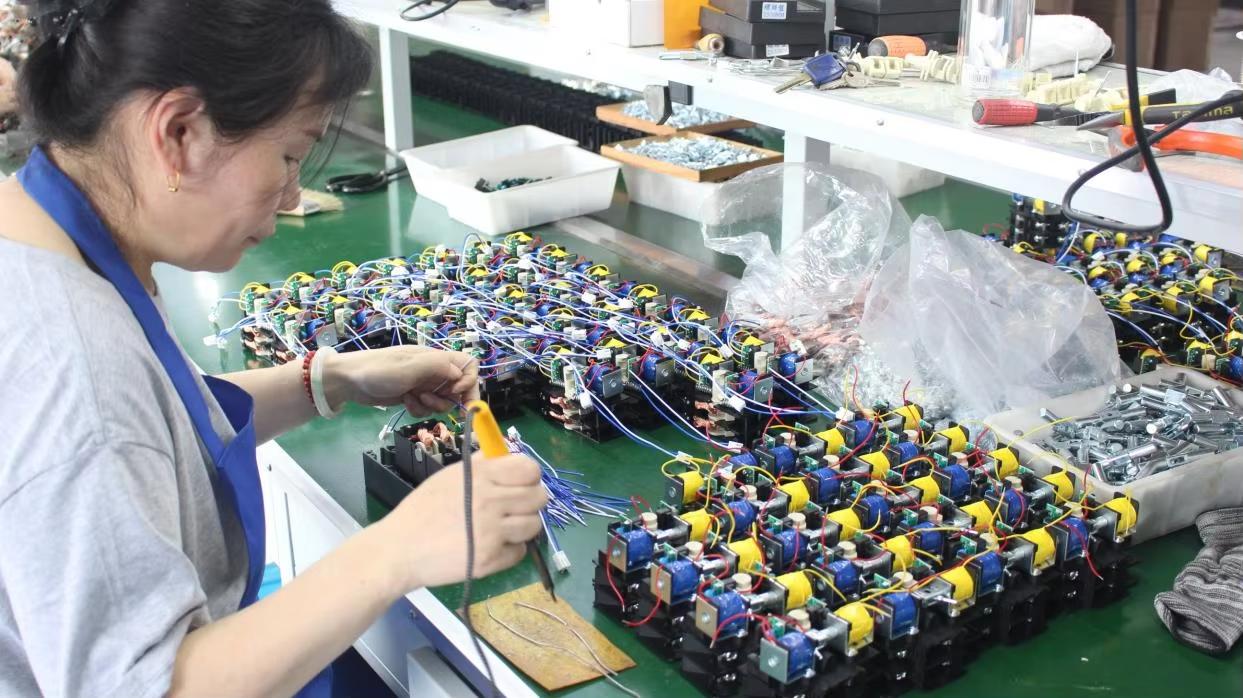 Finished Goods Test
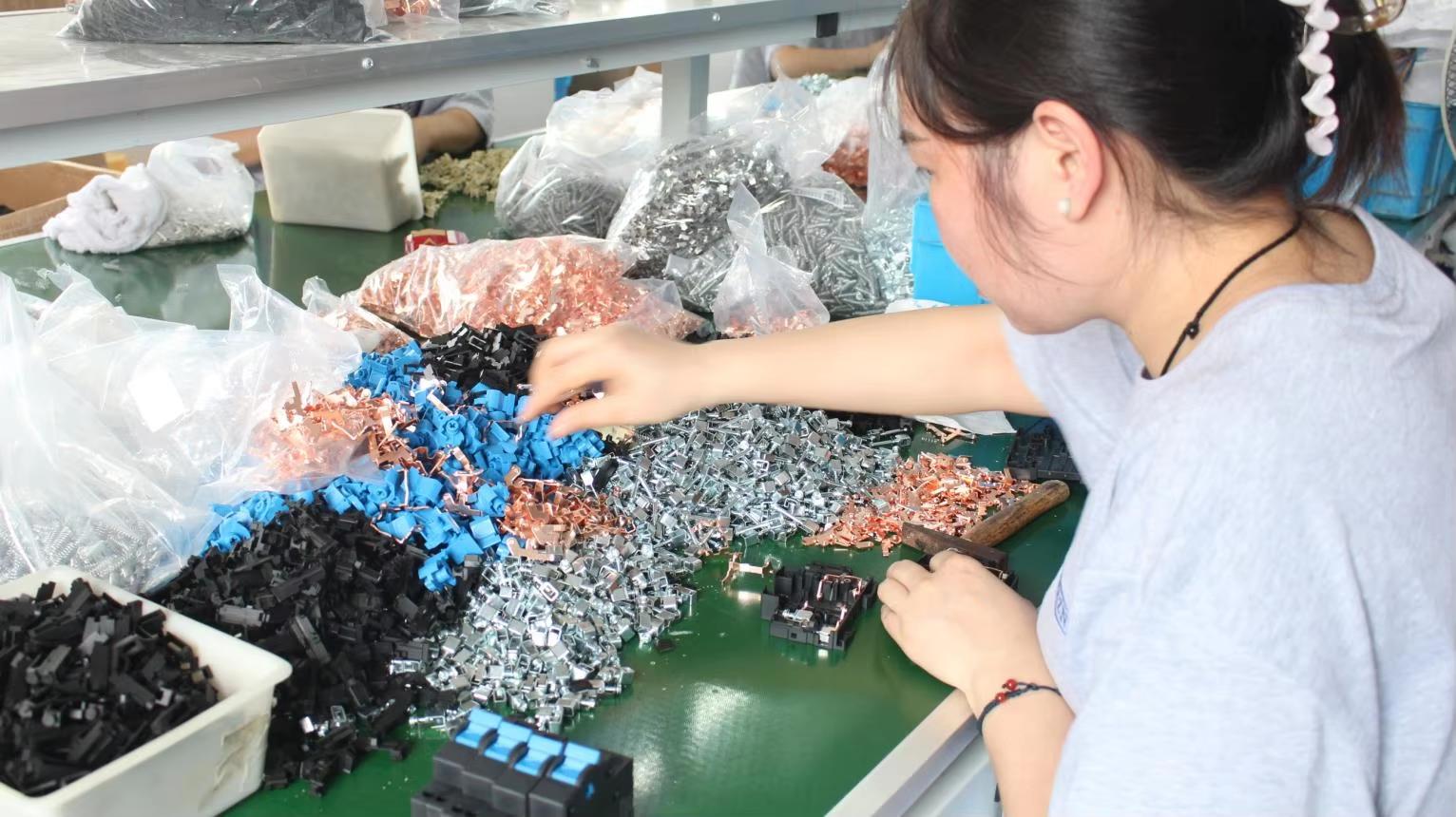 Holder Assembly
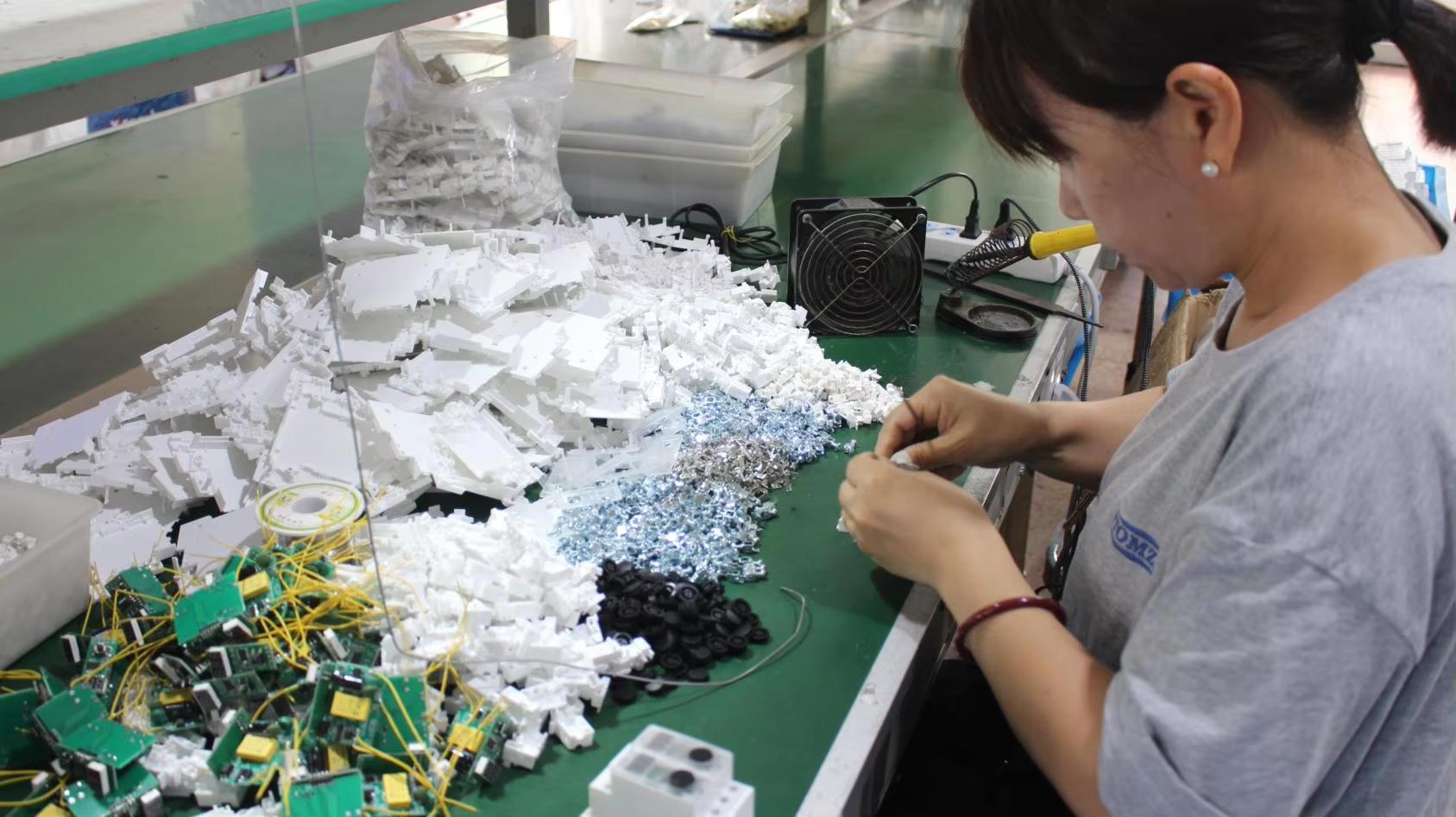 OEM Packaging
 Warehouse Logistics
 Export Shipping
 Reliability Lab
 Thermal Testing
 Audit Verification
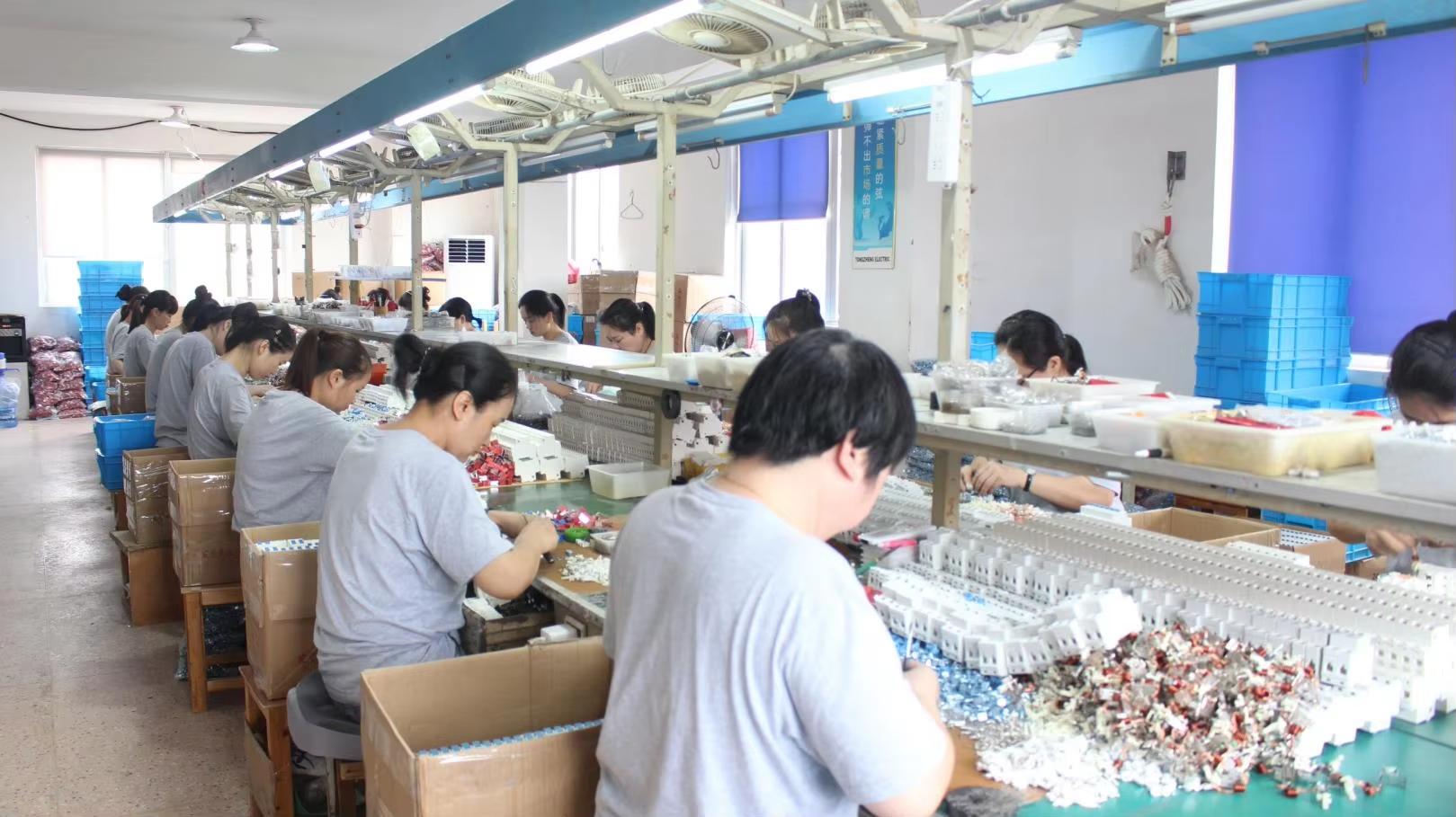 CE Marking
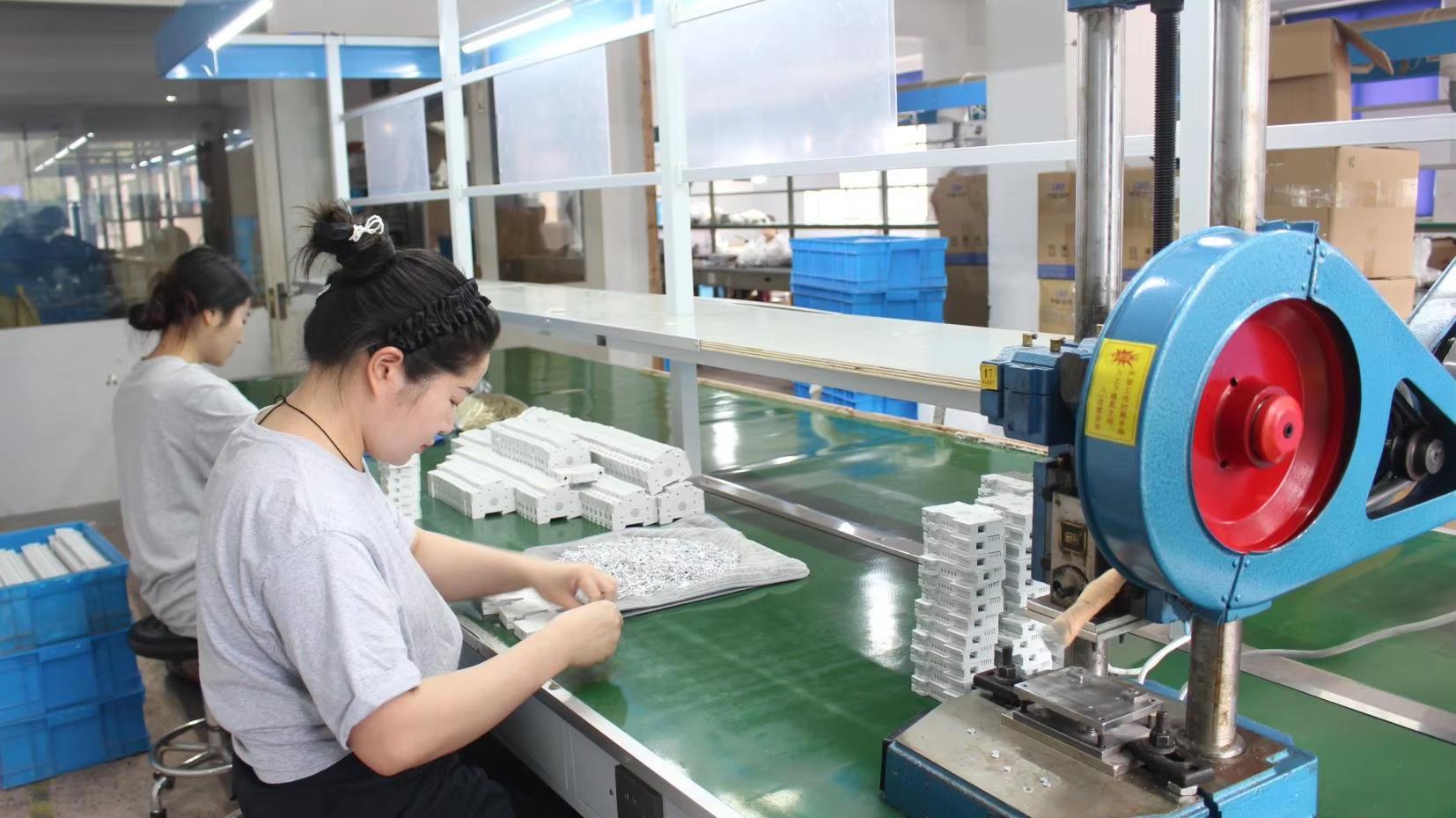 Tooling Workshop
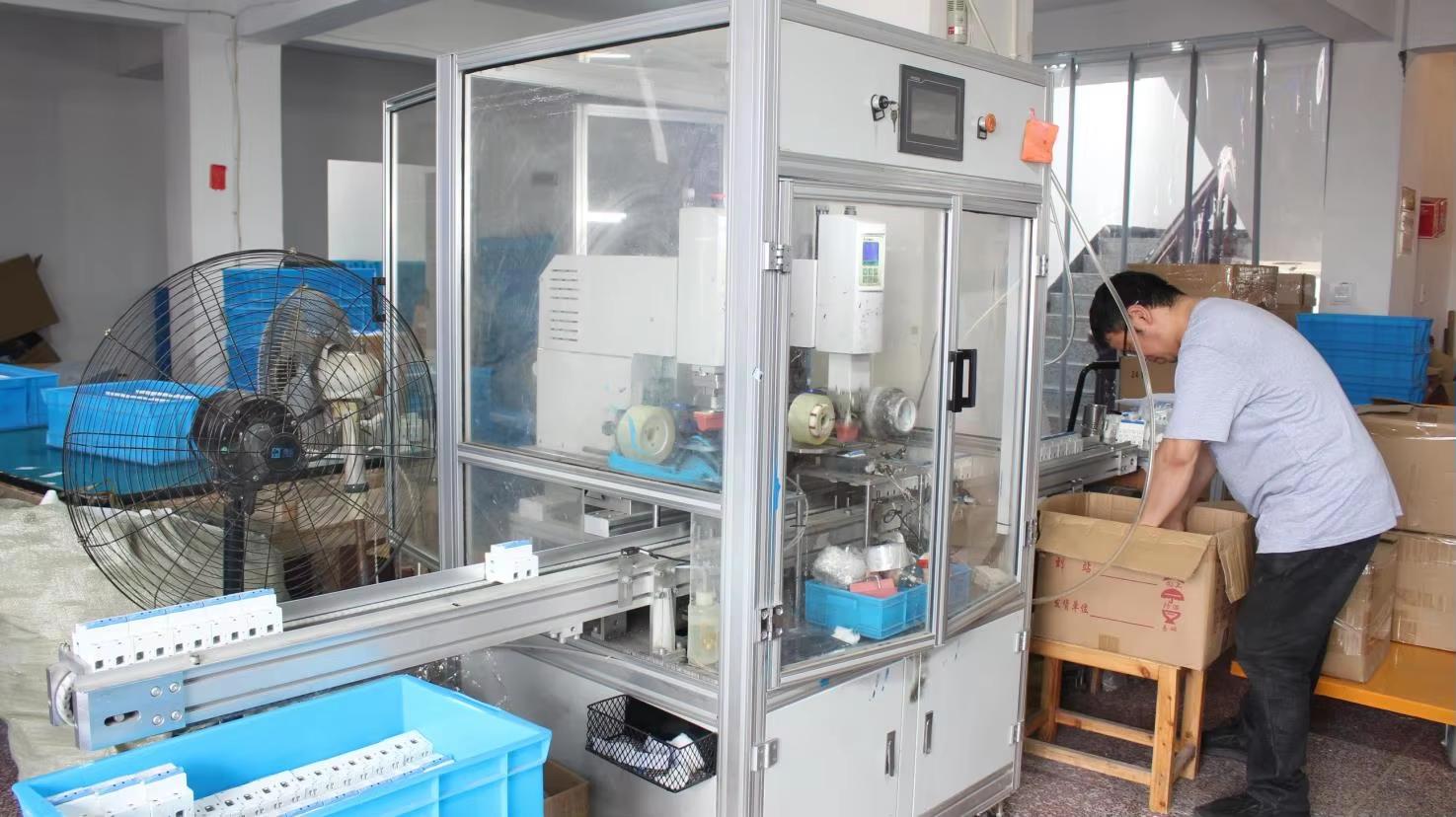 Automated Wiring
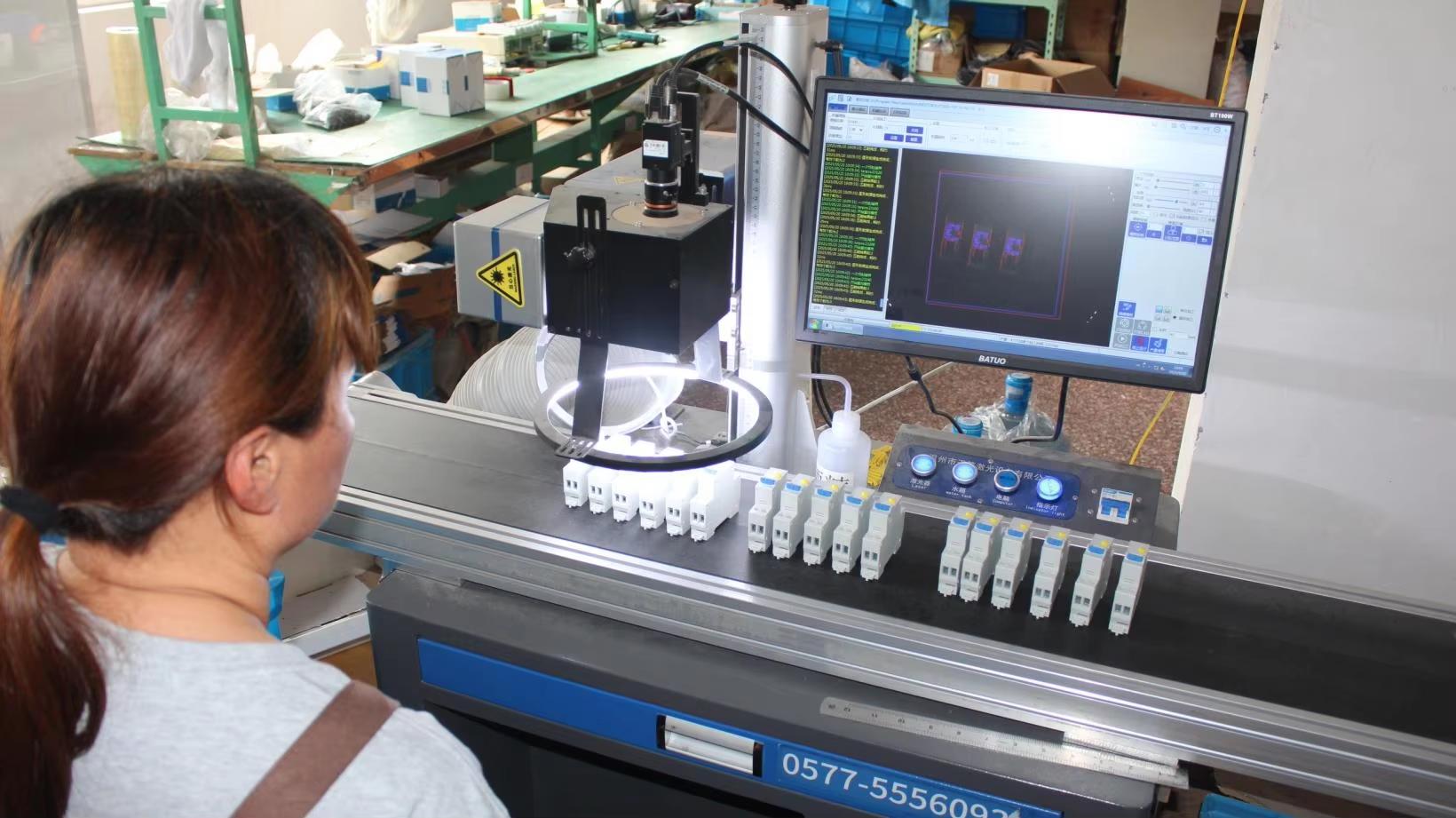 Laser Marking
 Combiner Box Line
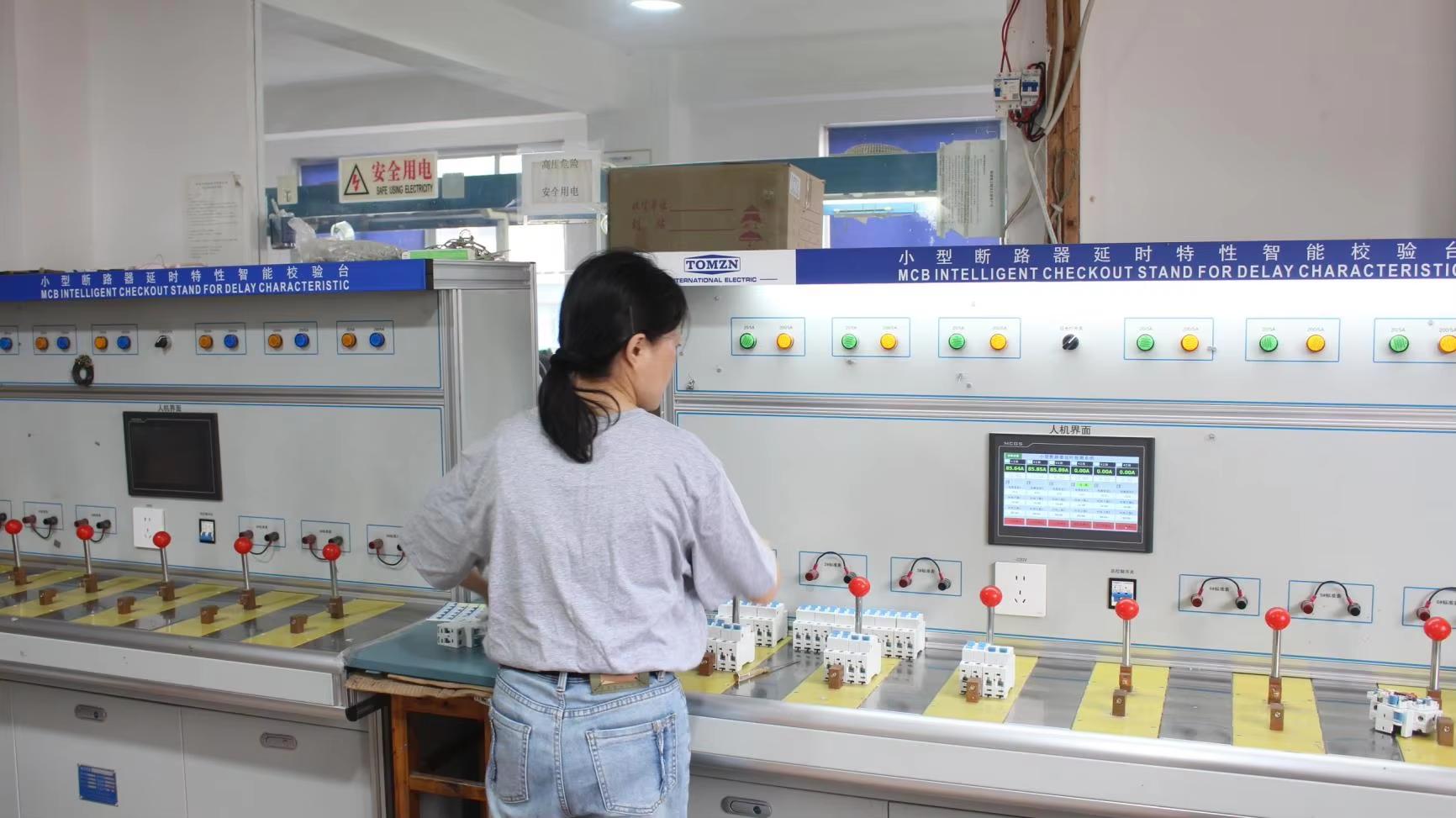 Final QC
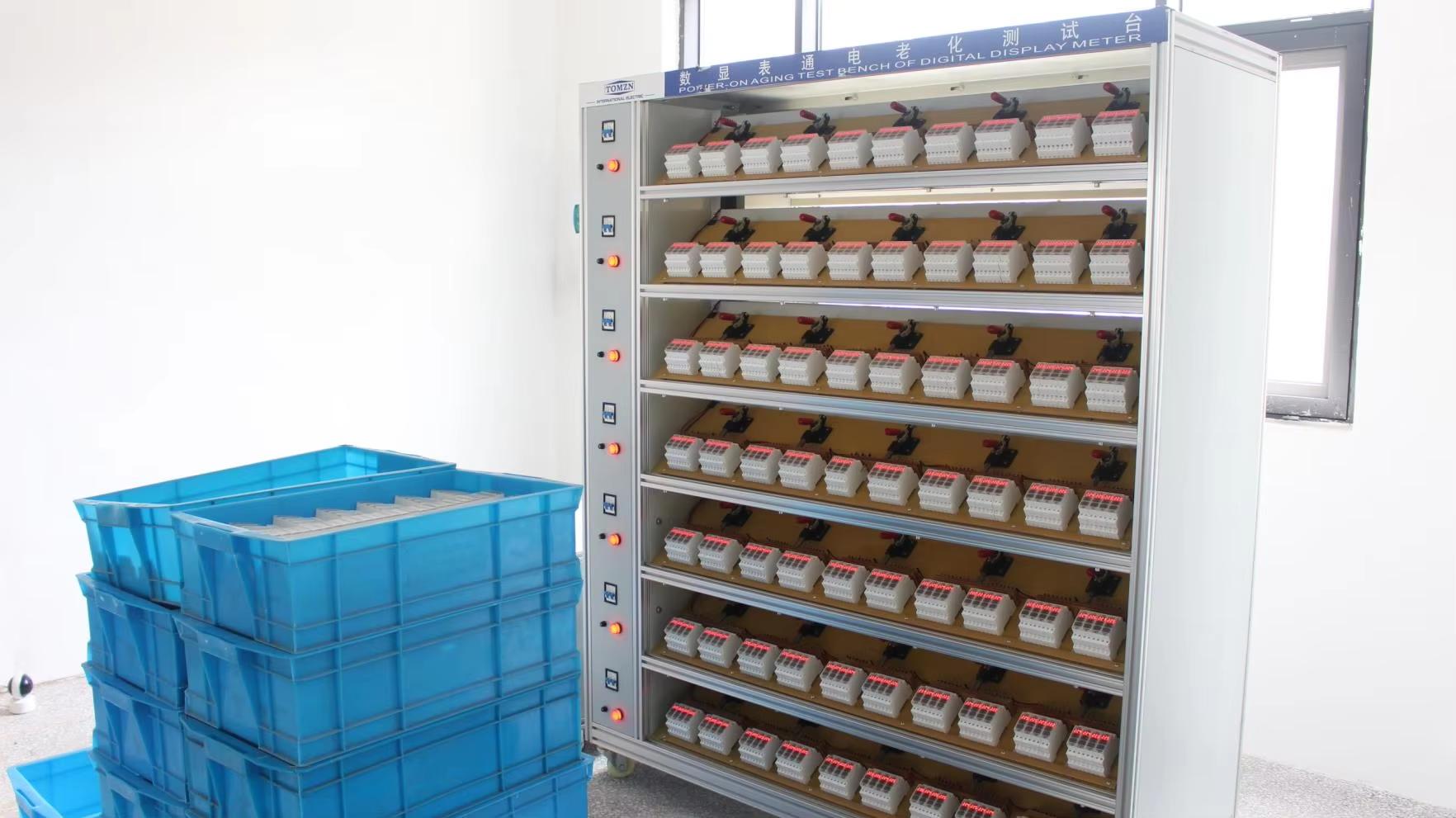 Environmental Chamber
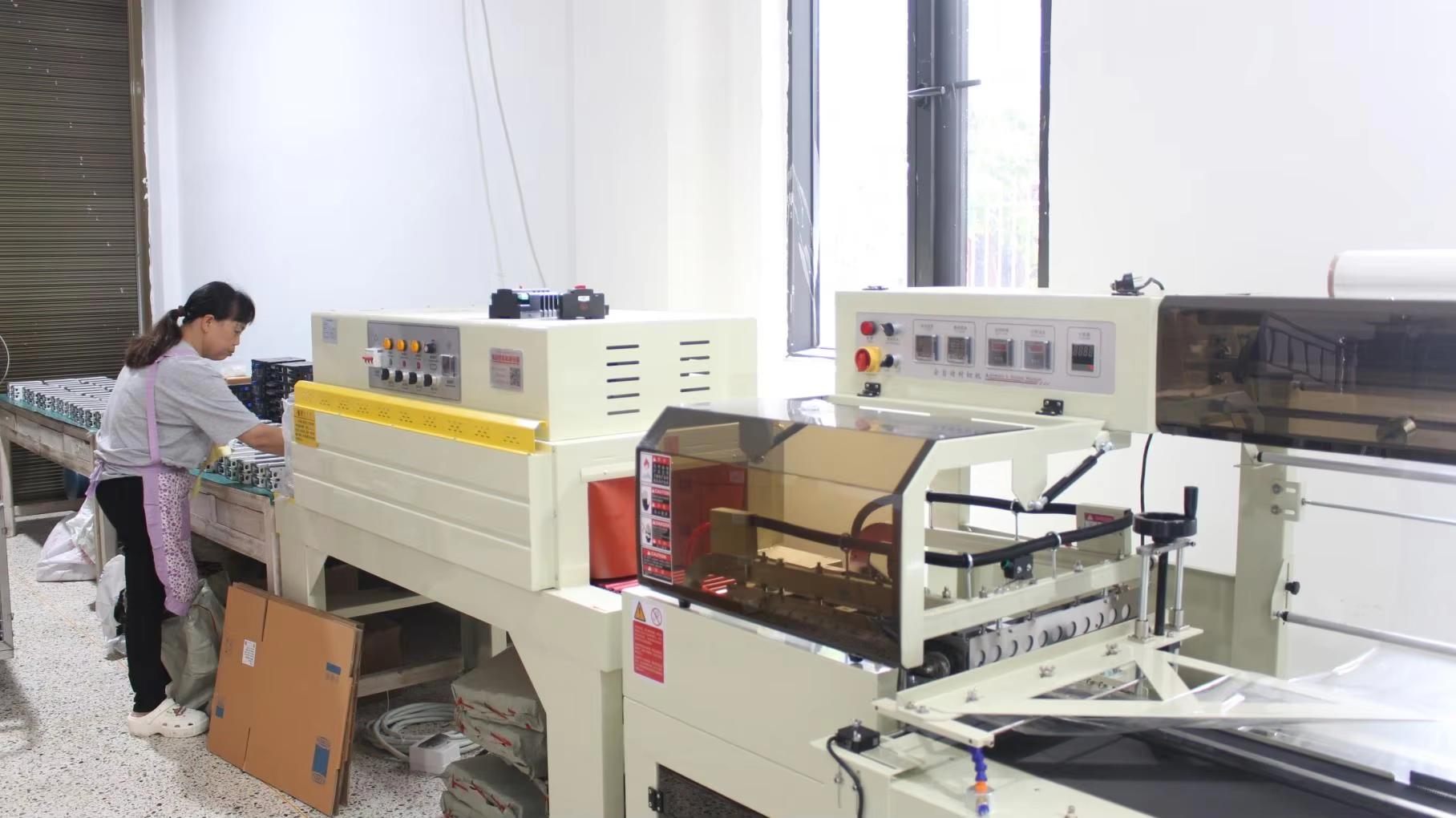 Global Dispatch
Frequently Asked Questions on Photovoltaic DC Fuse Selection
Addressing common technical inquiries asked by global engineers, EPC contractors, and procurement managers when sourcing DC fuses for solar installations.
What is a Photovoltaic DC Fuse (gPV) and why is a standard AC fuse unsuited for solar systems?
How do you calculate the correct rated current ($I_n$) for a Photovoltaic DC Fuse?
1) $I_n \ge 1.56 \times I_{sc\_mod}$ (where $I_{sc\_mod}$ is the module short-circuit current, incorporating continuous duty factors of 1.25x and solar irradiance safety factors of 1.25x).
2) $I_n \le I_{mod\_max\_ocpr}$ (the maximum series fuse rating specified on the PV module manufacturer's datasheet).
Furthermore, ambient temperature derating factors must be applied when operating inside sealed IP65 PV combiner boxes reaching temperatures above 45°C.
What is the difference between 1000V DC and 1500V DC Photovoltaic Fuses?
Why do PV arrays with 3 or more parallel strings require Photovoltaic DC Fuses?
Why choose Zhejiang DVS Electric Co., Ltd. for OEM Photovoltaic DC Fuse manufacturing?
Can Photovoltaic DC Fuses be used in Battery Energy Storage Systems (BESS)?
Request Our Complete Photovoltaic DC Fuse Catalog & Technical Datasheets
Get direct access to engineering drawings, time-current curves ($t-I$), temperature derating charts, and OEM pricing from Zhejiang DVS Electric Co., Ltd.
info@dvselectric.com