Featured Energy Monitoring & Circuit Protection Products
Precision-Engineered Low-Voltage Solutions Certified for OEM/ODM Export to Sapporo & Greater Hokkaido

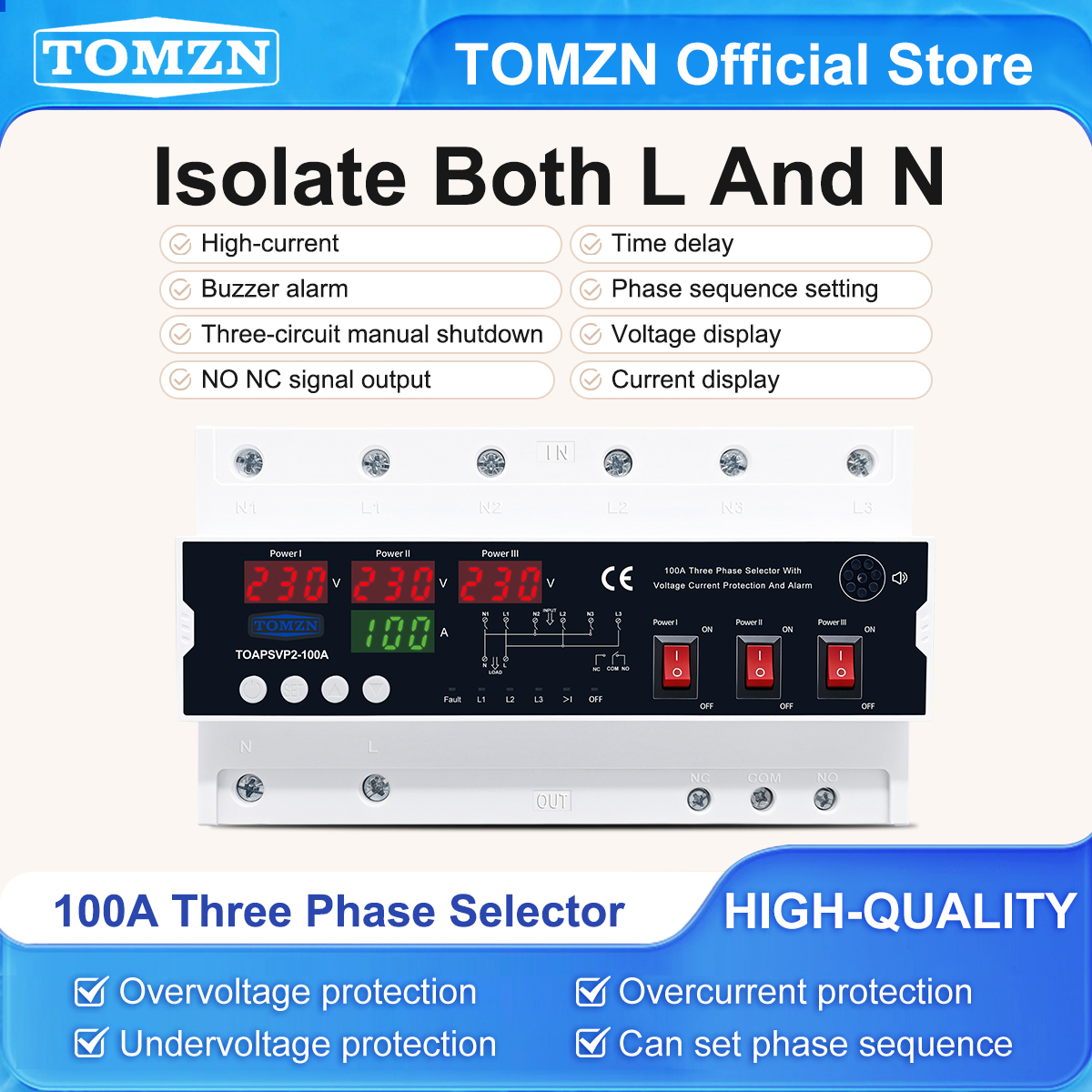
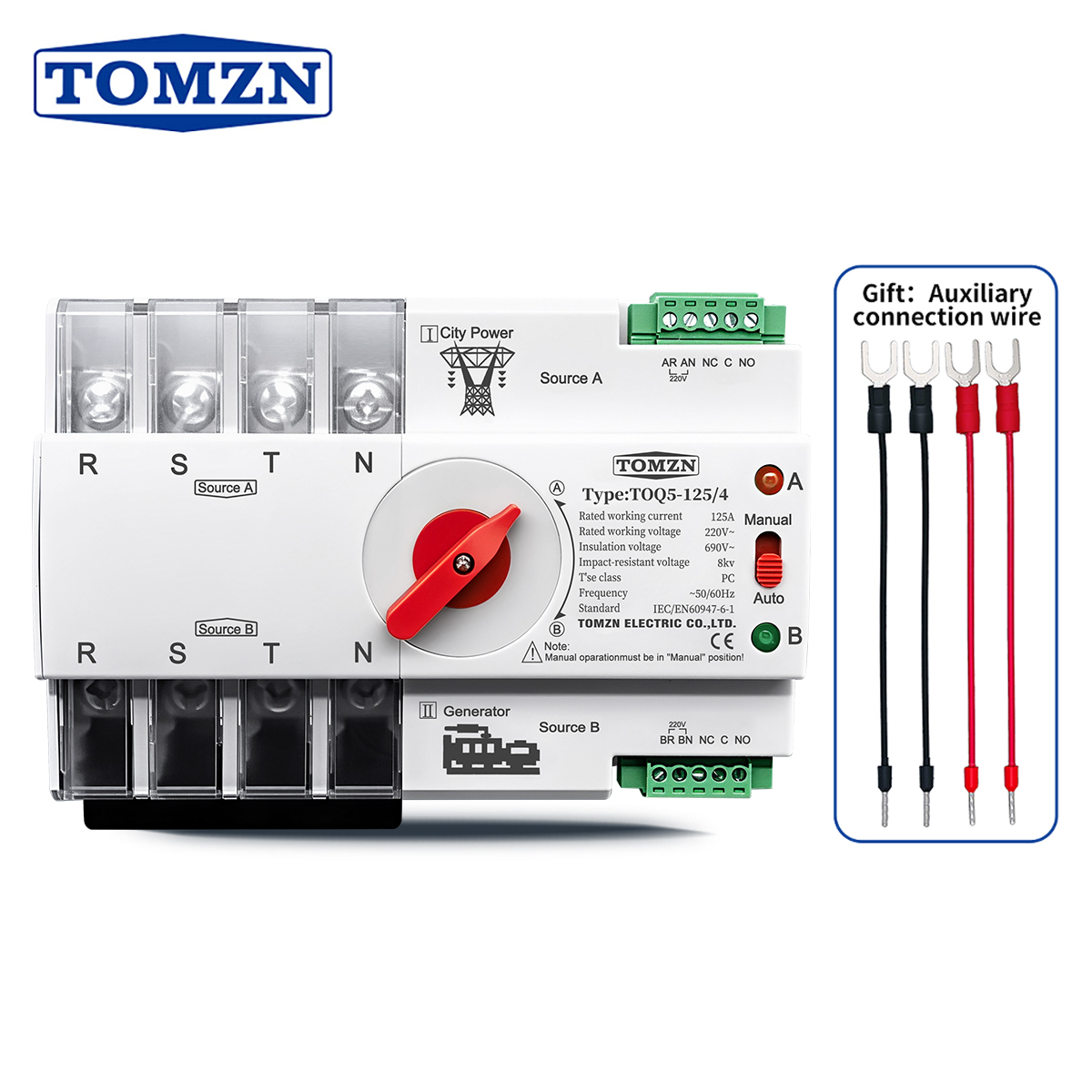
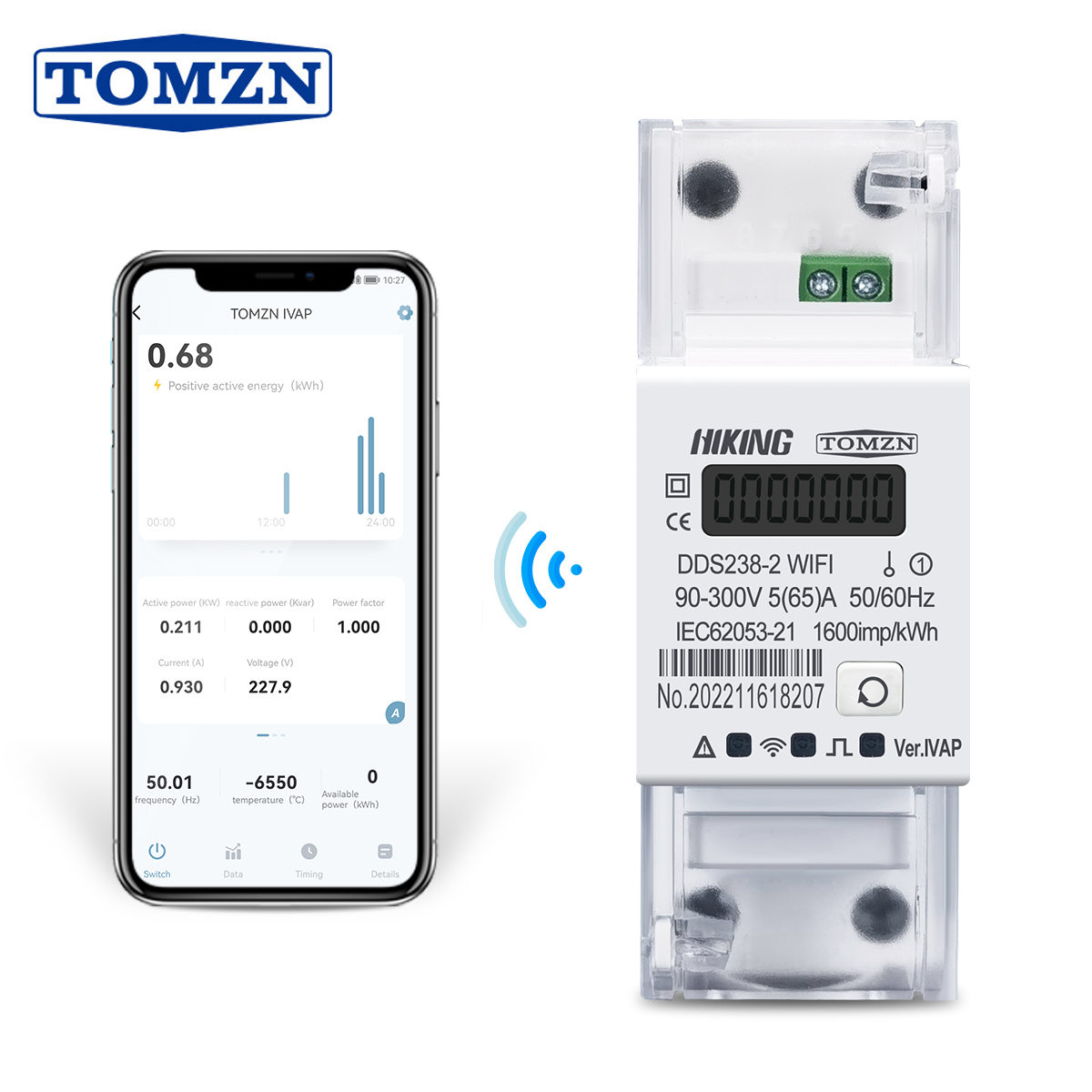
Whitepaper: Smart Energy Monitoring & Load Protection in Sapporo’s Sub-Zero Ecosystem
As the commercial capital of Hokkaido, Sapporo presents unique electrical and operational challenges for energy management. Driven by Japan’s national target for Zero Carbon Cities by 2050 and Sapporo’s local initiative to modernize urban infrastructure, energy monitoring is transitioning from passive analog metering to real-time, cloud-connected IoT architectures.
In Northern Japan, seasonal heating demand drives electric load profiles to extreme peaks. Residential, commercial, and industrial facilities in Sapporo rely heavily on heavy-duty electric snow-melting systems (Yuki-tan), heat pump space heating (such as cold-climate split units and EcoCute thermal water heaters), and commercial refrigeration. Uncontrolled power consumption during peak winter months leads to punitive capacity charges under Hokkaido Electric Power Co. (HEPCO) electricity tariffs. Implementing robust WiFi Smart Energy Meters and intelligent DIN-rail circuit switching is no longer just an upgrade—it is a mandatory strategy for peak load shedding and operational continuity.
Technical Grid Requirements for Electricity Importing into Hokkaido
When engineering low-voltage protection devices for the Sapporo market, suppliers must strictly adhere to Japanese electrical safety standards and local distribution setups:
- Grid Frequency & Voltage Configuration: Eastern Japan, including Hokkaido, operates on a 50Hz nominal grid frequency. Commercial installations frequently utilize 200V 3-phase 3-wire or 3-phase 4-wire systems, while residential circuits employ single-phase 100V/200V 3-wire configurations. Smart meters must offer universal 50/60Hz auto-sensing.
- Sub-Zero Thermal Tolerance: Distribution boards in unheated outdoor cabinets or semi-exposed basements regularly experience ambient temperatures dropping below -10°C to -15°C. Electronic component selection (such as LCD displays and MCU crystals) must prevent display freeze, drift errors, or wireless signal dropouts under frozen ambient conditions.
- Multi-Protocol Cloud Interoperability: Modern Sapporo IoT energy management systems rely on open API connectivity. Products integrated with Tuya / Smart Life platforms, MQTT protocols, or RS485 Modbus allow facility managers to consolidate data into localized control hubs such as Home Assistant or custom Japanese ESCO dashboards.
Localized Application Scenarios in Sapporo & Hokkaido Region
Real-World Deployment Strategies for Commercial, Industrial, and Residential Smart Grids
1. Electric Snow-Melting (Yuki-Tan) & Roof De-Icing Monitoring
Driveway heating mats and roof gutter heating cables in Sapporo consume high current continuously during heavy snowfall. Installing Tuya 65A DIN-Rail WiFi Smart Energy Meters permits automated timer scheduling, remote power monitoring, and automated current-trip protection during wiring faults caused by severe ice movement.
2. Cold-Climate Heat Pump (EcoCute) Sub-Metering
Residential property developers in Sapporo require accurate sub-metering for heat-pump units. WiFi smart energy meters provide direct kWh tracking, enabling tenants and building managers to isolate heating consumption from general lighting loads, optimizing tariff usage during off-peak night hours.
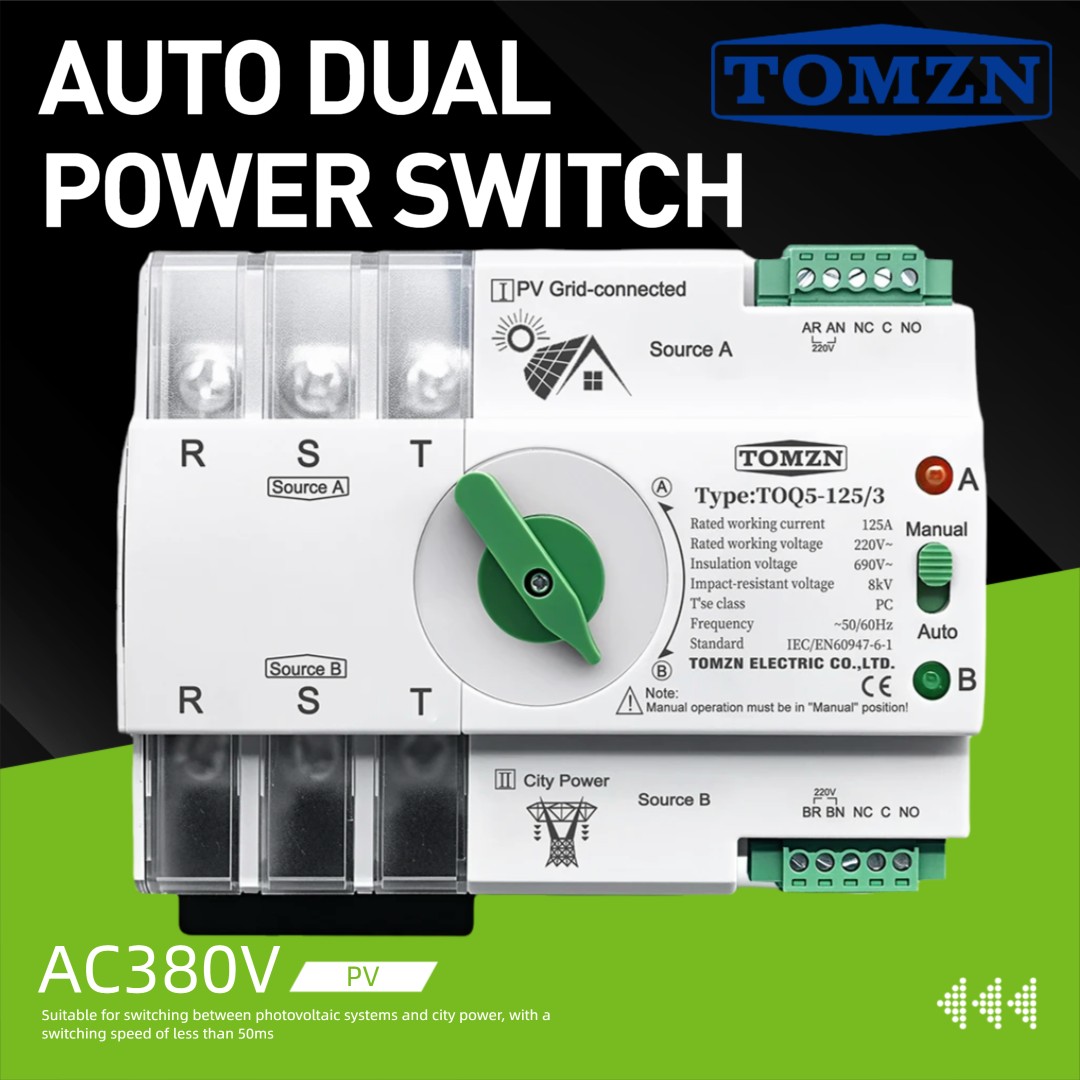
3. Microgrid & Solar PV Dual-Power Auto Transfer (ATS)
Winter storms in Hokkaido can lead to localized grid blackouts. Integrating 3-Phase DIN-Rail Automatic Transfer Switches (ATS) ensures instantaneous transfer between grid power and battery backup / standby generators, keeping critical heating pumps and security monitoring active continuously.
Technical Specification Matrix: Smart IoT Meters & Protection Relays
Use the selection matrix below to match electrical installation requirements across Sapporo municipal projects, commercial buildings, and residential retrofits.
| Model Series | Rated Voltage / Frequency | Current Load Range | Wireless / Data Protocol | Operating Temperature | Target Sapporo Application |
|---|---|---|---|---|---|
| Tuya WiFi 65A Meter | 110V / 220V AC (50Hz) | 5(65)A Direct Vector | WiFi 2.4GHz / Tuya Smart Life | -25°C to +55°C | Apartment kWh sub-metering, snow melt circuits |
| 2P/4P DIN-Rail ATS | 230V / 380V AC (50Hz) | 63A / 100A / 125A | Dry Contact Signal Switch | -20°C to +65°C | Solar PV / Inverter switchover, Emergency generator |
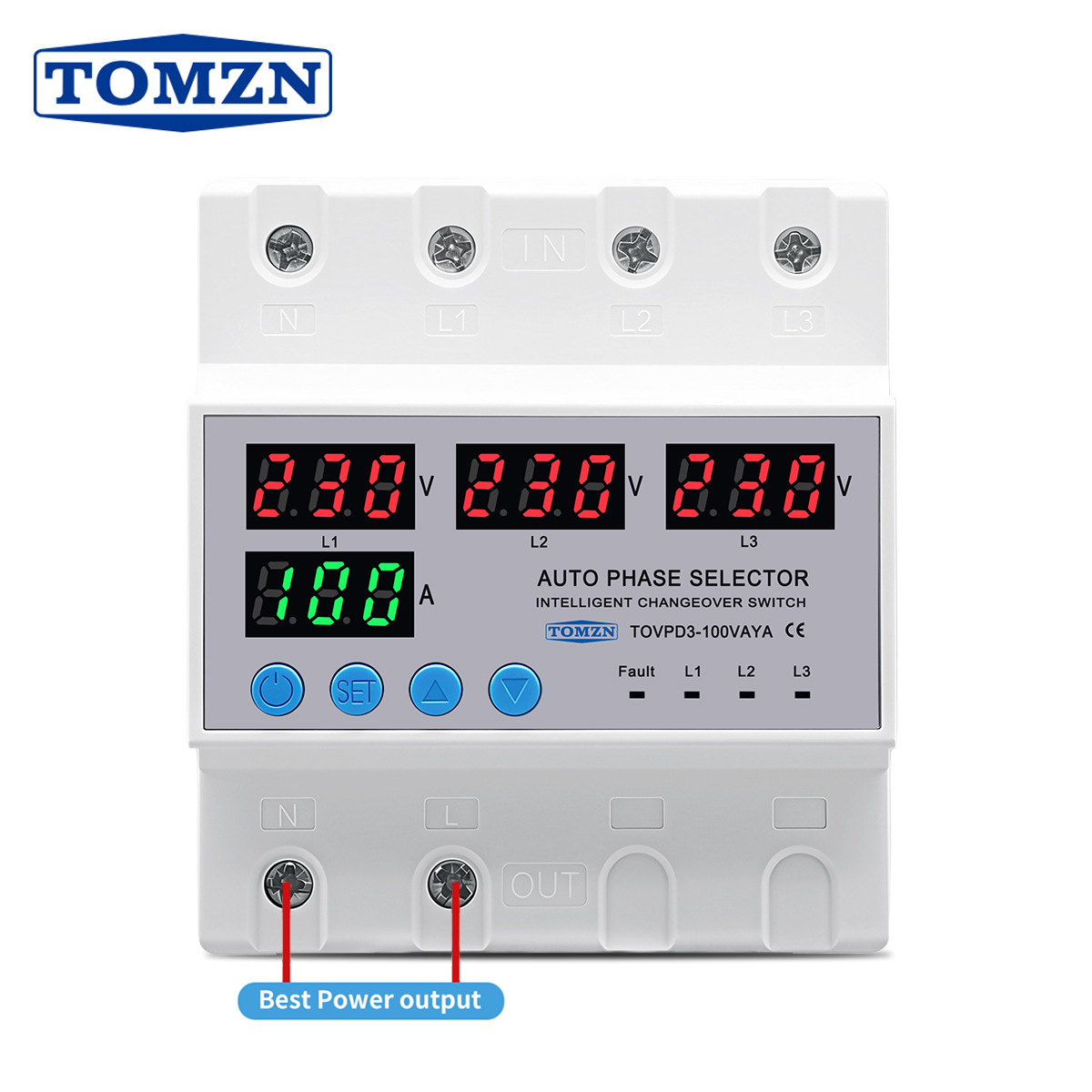
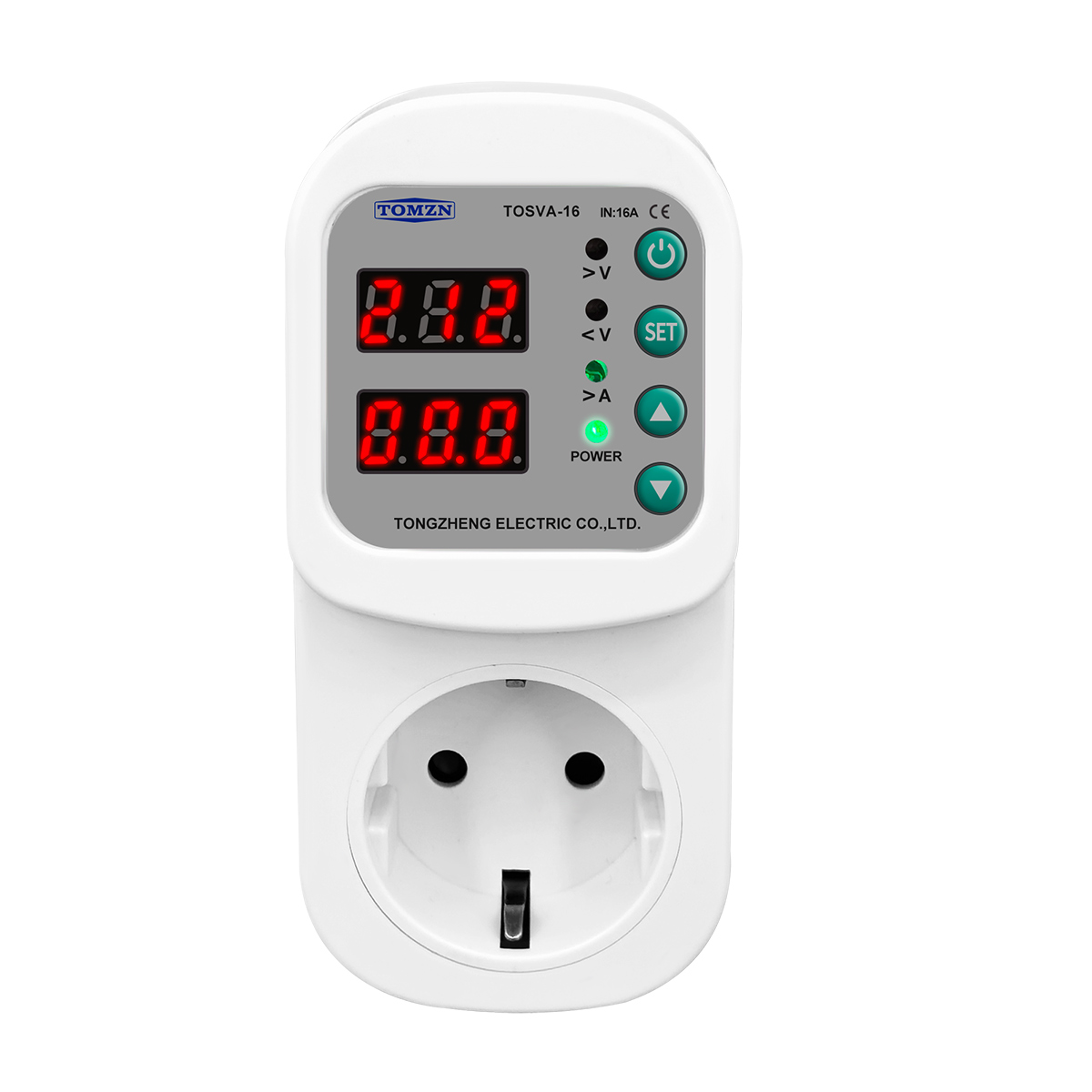
| 3P+N Voltage Relay | 230V/400V AC (50Hz) | 1A – 100A Adjustable | Auto Phase Selection / Local MCU | -25°C to +60°C | Industrial motor protection, HVAC line protection |
| WIFI Smart Breaker | 230V AC (50/60Hz) | 1A – 100A Overload Trip | WiFi 2.4GHz / SmartLife App | -20°C to +60°C | Commercial lighting panel, remote circuit isolation |
Why Partner with Zhejiang DVS Electric Co., Ltd. for Sapporo Supply
As a leading China-based manufacturer located in Liushi Town, Wenzhou—the national capital of low-voltage electrical apparatus—Zhejiang DVS Electric Co., Ltd. brings over 24 years of manufacturing excellence to Japanese importers, distributors, and engineering contractors.
5,700 m² Advanced Production Hub
Our centralized facility integrates automated SMT surface mounting, precision plastic injection, circuit calibration stations, and high-voltage endurance testing under one roof to maintain strict quality control.
Certified OEM & ODM Capabilities
We deliver private-label customized housing molds, custom terminal markings, Japanese packaging artwork, tailored current trip curves (B, C, D curves), and specialized firmwares for cloud integration.
Independent Third-Party Verification
Our plant operations, product quality management systems, and safety compliance protocols are independently verified by third-party inspection firms, carrying CE markings and environmental compliance.
Frequently Asked Questions for Sapporo Importers & Contractors
Essential Knowledge Regarding Technical Suitability, Compliance, and Bulk Sourcing
How do your WiFi smart energy meters perform during Sapporo’s freezing winters?
Our devices feature industrial-grade components calibrated for storage temperatures down to -40°C and active operational range down to -25°C. PCB boards are coated with anti-moisture conformal insulation to prevent condensation short-circuits during rapid winter temperature fluctuations inside distribution cabinets.
Are these DIN-rail devices compatible with 50Hz Hokkaido Electric Power Co. (HEPCO) supply grids?
Yes. All smart meters, circuit breakers, and automatic transfer switches are designed for dual-frequency 50Hz/60Hz operations, matching Japan’s Eastern grid standards (50Hz nominal). Voltage models are compliant with single-phase 100V/200V and three-phase 200V commercial installations.
Can we integrate these Tuya WiFi meters into third-party IoT software or Home Assistant?
Absolutely. Using the Tuya / Smart Life cloud integration, device data can be exported via local MQTT bridges, Tuya Web APIs, or integrated directly into local building automation platforms such as Home Assistant or commercial energy management software popular among Japanese ESCOs.
What is the minimum order quantity (MOQ) and sample delivery timeline for OEM orders?
Standard catalogue items have a low sample MOQ of 5 units to support engineering evaluation in Japan. For custom private-label OEM branding (including logo printing and custom technical packaging), MOQs typically start at 100–500 units with sample shipping dispatched within 3-7 working days.
Why should an automatic transfer switch (ATS) be combined with energy meters in high-snowfall areas?
Severe Hokkaido snowstorms frequently damage overhead lines. An ATS combined with smart meters guarantees automatic backup switching to local solar/battery reserves while continuously monitoring standby power consumption, avoiding unexpected battery depletion before main grid power returns.
Expand Your Smart Energy Offerings in Sapporo Today
Connect directly with our engineering team for factory pricing, customized OEM datasheets, and sample evaluations tailored to Japanese market distribution.
