Recommended PV & Power Switching Solutions for Island Deployments
Field-tested low-voltage protection equipment designed for seamless integration with rooftop solar PV arrays, hybrid energy storage, and commercial backup generators.
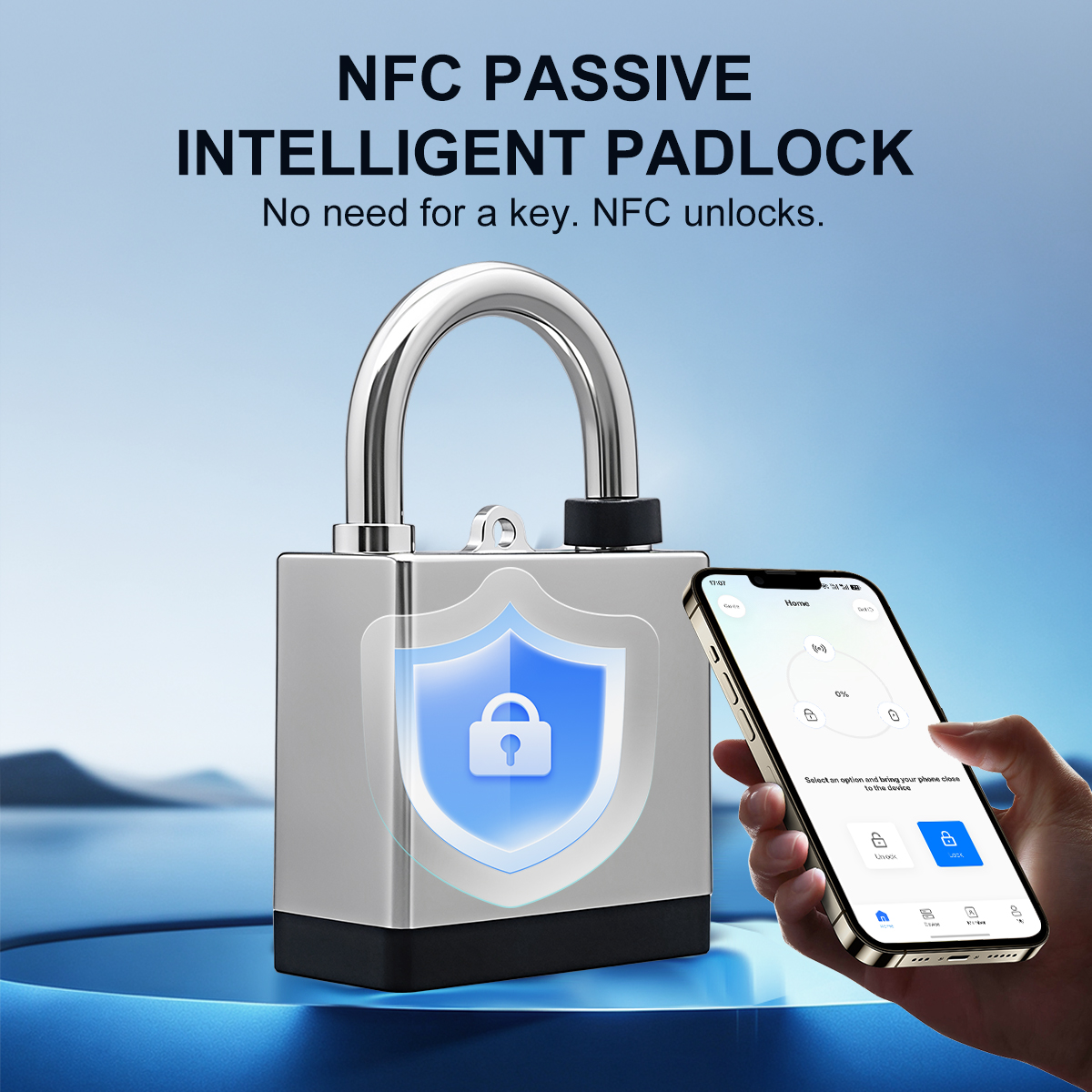
TOMZN NFC Passive Intelligent Padlock Keyless Waterproof Theft-proof Body Lock
View Product Details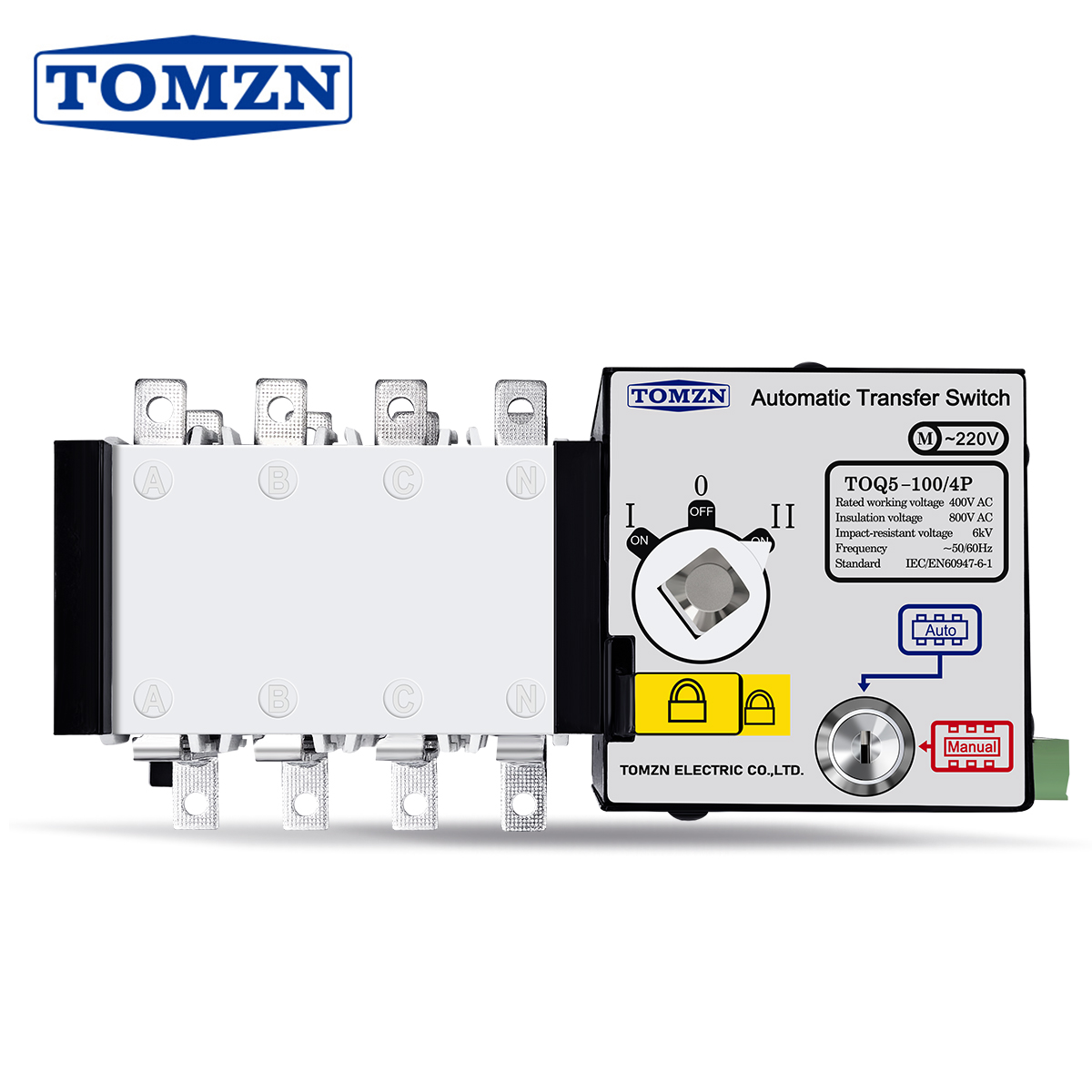
TOMZN 4P 100A ATS PC Class Automatic Transfer Switch AC 400V Auto/Manual
View Product Details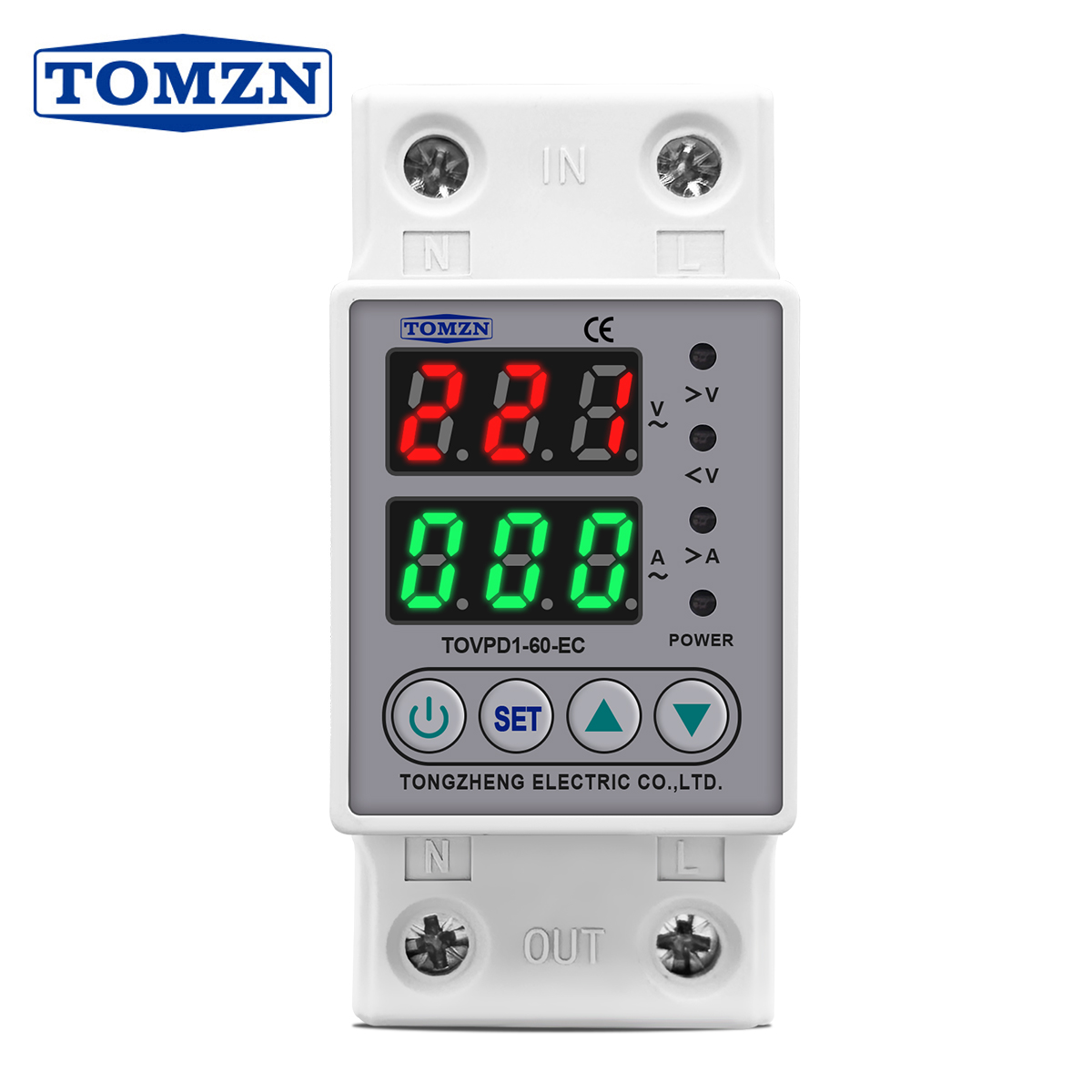
TOMZN DIN Rail 230V Adjustable Over & Under Voltage Protective Device Relay 63A
View Product Details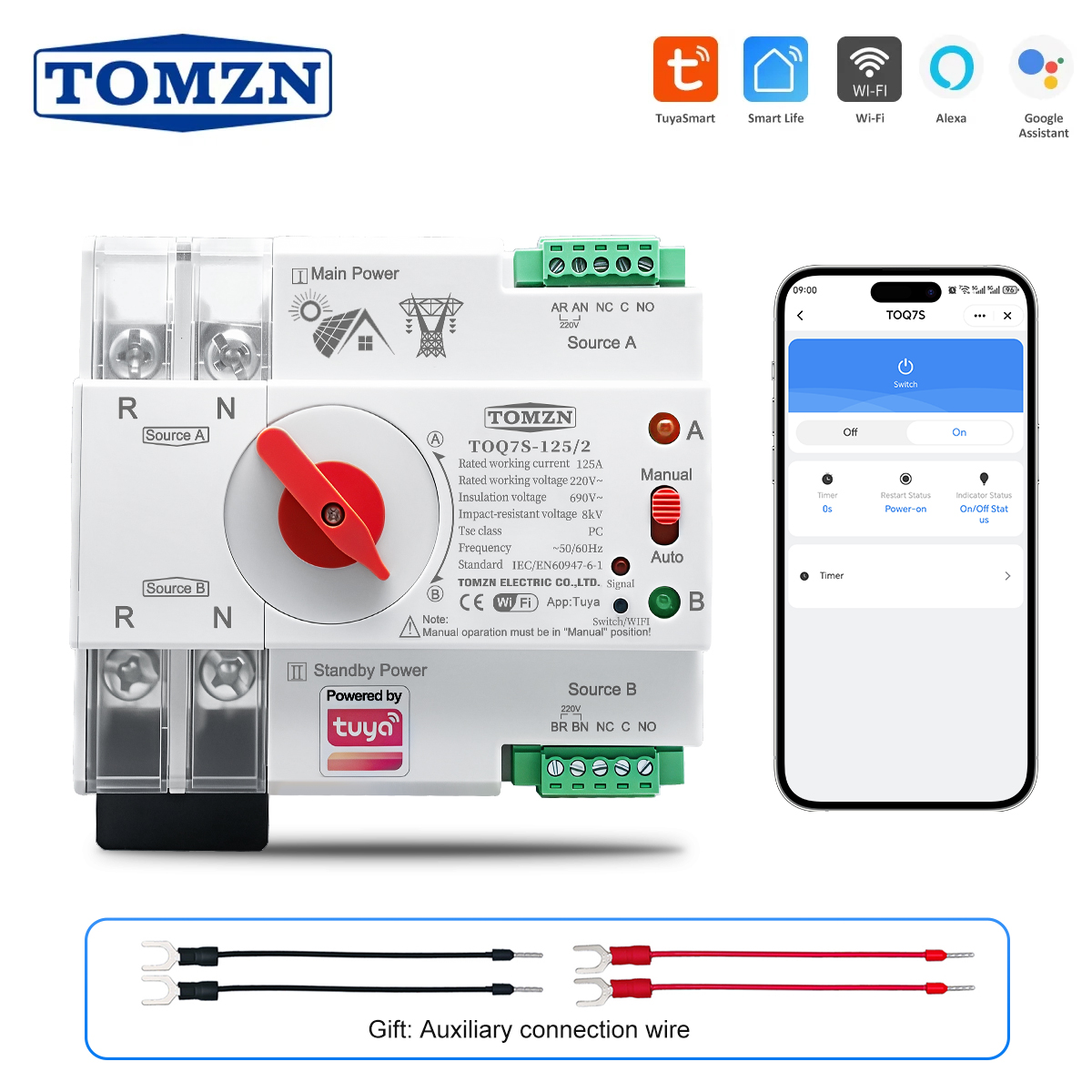
TOMZN TUYA SmartLife WIFI Smart ATS Dual Power Switch 2P 230V 63A-125A
View Product Details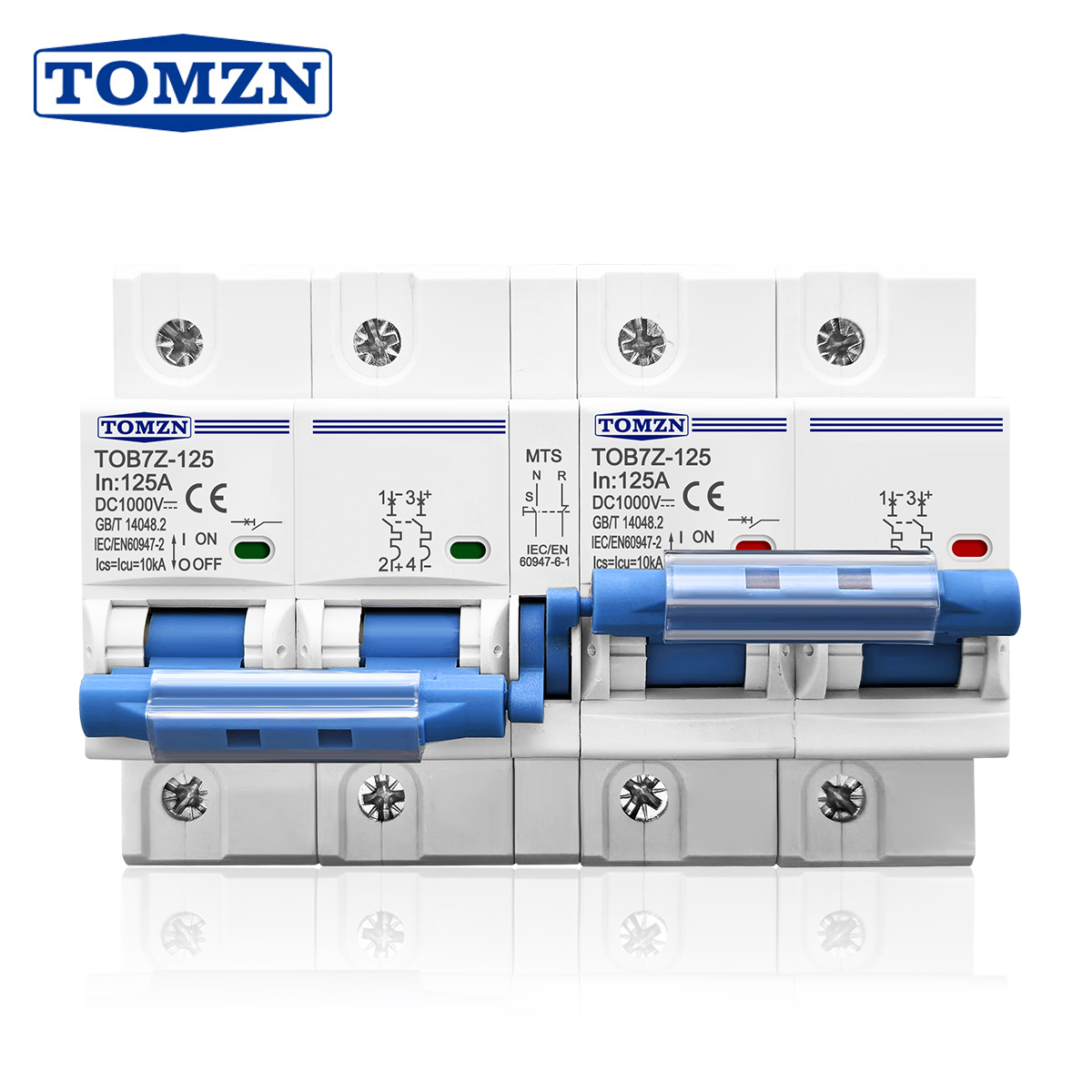
TOMZN 125A 2P+2P DC MTS Dual Power Manual Transfer Switch Breaker for PV
View Product Details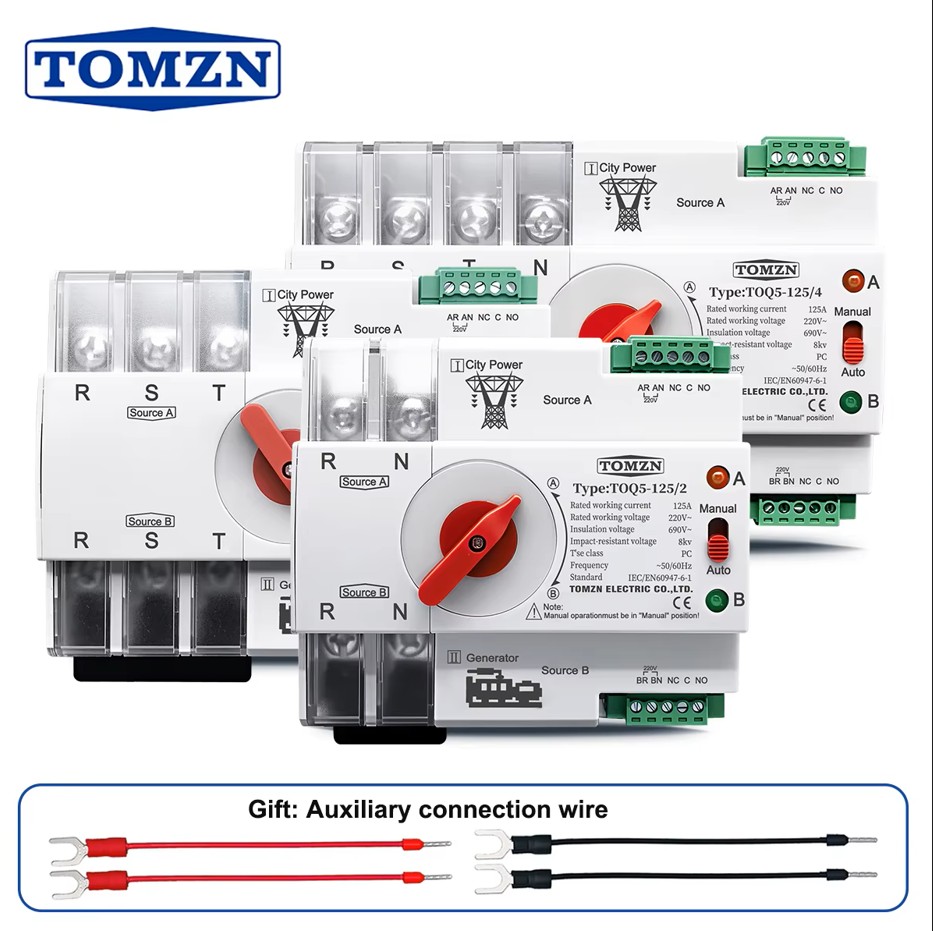
TOMZN Din Rail 2/3/4P ATS Uninterrupted Dual Power Automatic Transfer Switch
View Product Details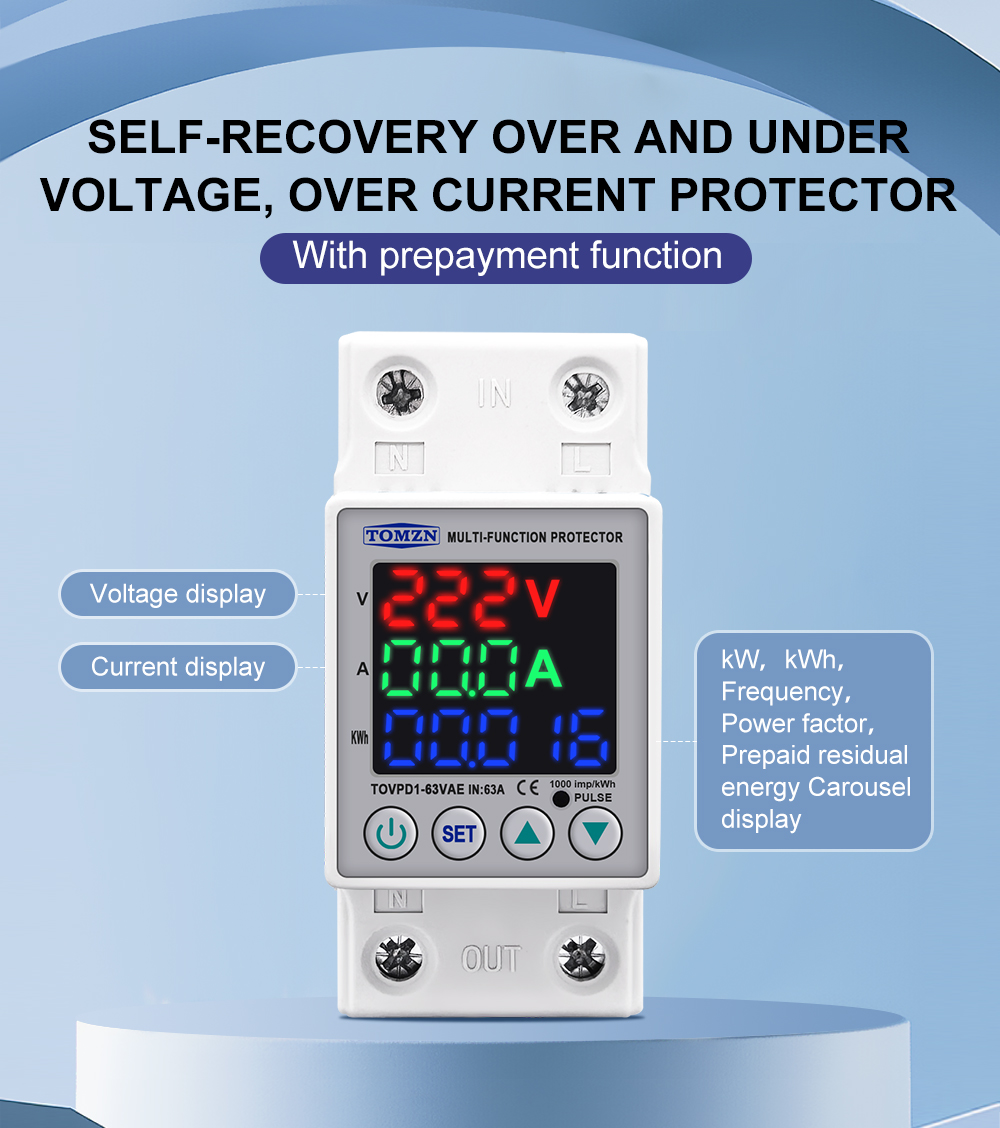
63A 230V 3IN1 Display Din Rail Adjustable Over/Under Voltage Relay
View Product Details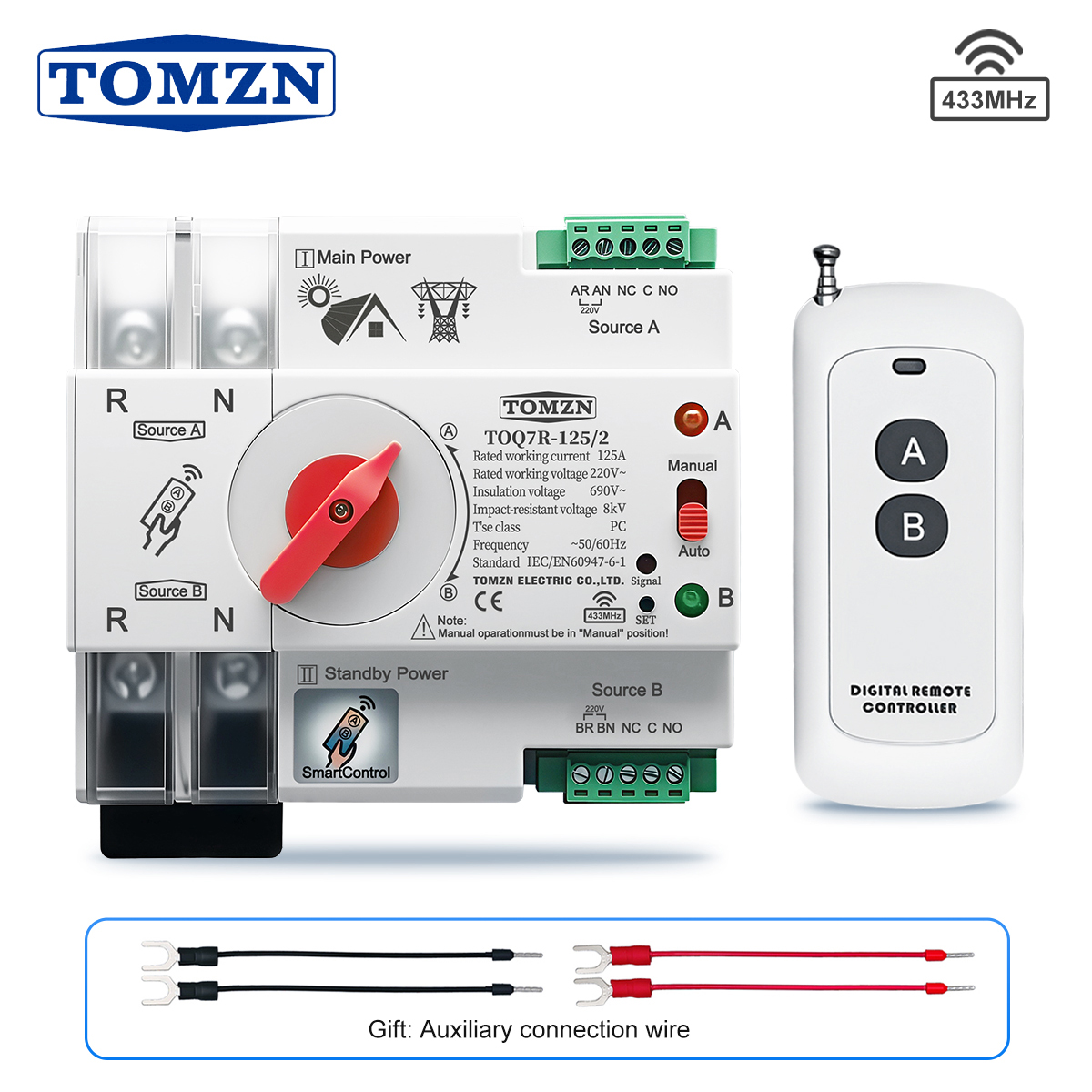
TOMZN 2P Remote Control ATS Wireless 433MHz Uninterrupted Auto Switch
View Product Details1. Technical Framework: Engineering Photovoltaic Isolation for Coastal Tropical Operations
Photovoltaic (PV) power systems deployed across island provinces like Phuket, Thailand face an uncompromising combination of environmental stressors. Operating within maritime tropical zones demands that low-voltage DC switchgear overcome continuous high relative humidity (averaging 75%–90%), high ambient operating temperatures, and airborne salt-spray salinity classified under ISO 12944 C5-M (Coastal/Marine) corrosivity standards.
Unlike standard Alternating Current (AC) systems where the sinusoidal voltage waveform crosses zero 100 or 120 times per second—allowing electric arcs to self-extinguish naturally—Direct Current (DC) maintained by solar PV arrays maintains a continuous voltage. When an isolation switch is operated under load, the sustained direct current generates an intense, stable electric arc. In a high-humidity coastal environment like Phuket, atmospheric moisture lowers dielectric breakdown thresholds, drastically increasing the risk of sustained arc flashover, terminal oxidation, and catastrophic enclosure thermal runaway.
Arc Extinction & Arc Chute Chamber Physics
To safely interrupt DC current under load (utilization category DC-PV2 as defined by IEC 60947-3), modern solar rotary DC isolators must utilize advanced arc-quenching mechanisms. Superior switchgear design incorporates multi-gap double-break contact systems coupled with internal permanent magnetic blowout fields. As contact knife blades separate, magnetic fields force the drawn DC arc upward into specialized arc chute splitter plates. These splitter plates divide, cool, and extinguish the high-temperature arc energy within milliseconds, preventing thermal tracking along housing wall plastics.
DC-PV2 Breaking Capacity
Engineered to break both inductive and resistive DC circuits up to 1000V/1200V DC at full rated current without sustained arcing or contact welding.
C5-M Salt Spray Resistance
Enclosures feature UV-stabilized Polycarbonate/ABS blends with stainless steel hardware (SUS316) to withstand coastal saline erosion in southern Thailand.
IP66 Watertight Integrity
Dual-ring silicon gasketing combined with breathable hydrophobic vent valves prevents moisture vacuum ingress caused by daily temperature cycling.
Furthermore, internal contacts manufactured from high-purity electrolytic copper silver-plated alloys (AgNi or AgSnO2) guarantee minimal contact resistance. This reduces internal thermal losses (I²R heating), preserving switch efficiency even when installed inside unshaded rooftop enclosures subject to ambient temperatures exceeding 45°C in southern Thailand.
2. Localized Application Scenarios across Phuket's Solar Infrastructure
Phuket's rapid transition toward clean energy is driven by strict corporate ESG goals in the hospitality sector, rising electricity tariffs under the Provincial Electricity Authority (PEA), and off-grid luxury villa developments across surrounding islands (e.g., Koh Naka, Koh Racha, and Phang Nga Bay). Reliable DC isolation switchgear is indispensable across four primary local scenarios:
Luxury Beach Resorts & Hotels
Rooftop PV installations on beachfront resorts require IP66 surface-mounted DC isolators situated near string inverters to facilitate safe emergency shutdown and routine MEP maintenance without compromising luxury aesthetic standards or electrical safety.
C&I Rooftops in Mueang Phuket
Commercial shopping complexes, cold storage facilities, and logistics hubs in Mueang Phuket deploy multi-string DC isolator boxes rated at 1000V DC to isolate high-voltage solar strings prior to feeding central string inverters.
Island Microgrids & Marinas
Off-grid solar microgrids paired with lithium battery energy storage systems (BESS) at local yacht clubs and eco-resorts depend on 4P manual and automatic switchgear to isolate DC battery banks and transfer critical AC loads.
Residential Villas in Patong & Bang Tao
High-end residential villas equipped with hybrid solar-plus-storage demand compact, aesthetically pleasing DIN-rail DC MCBs and rotary isolators that conform strictly to Thailand's PEA interconnection guidelines.
3. Localized Development Trends & Regulatory Drivers in Thailand
The solar market in Phuket and the broader Andaman coastal region is undergoing structural expansion supported by key national policy frameworks and regional economic factors:
1. Thailand Power Development Plan (PDP) & PEA Net-Metering Guidelines: Thailand's Ministry of Energy continues to promote decentralized renewable generation. The Provincial Electricity Authority (PEA) mandates visible, lockable, and physically accessible manual DC isolation switches on all grid-tied solar installations. This ensures utility line workers can safely isolate distributed generation sources during grid repairs.
2. Hospitality ESG Mandates & Carbon Neutrality: As Phuket positions itself as an international sustainable tourism hub, major hotel chains are integrating solar PV to lower operational expenditure and meet global decarbonization standards. Unplanned power outages caused by switchgear breakdown directly impact guest satisfaction, making marine-grade DC switches with anti-corrosive properties a mandatory specification in engineering tenders.
3. Rise of Hybrid Inverters and High-Capacity DC Battery Storage: Modern residential and commercial solar installations across Phuket are increasingly paired with 48V DC up to 800V DC lithium-ion battery banks. This shift requires high-current manual transfer switches (MTS) and high-voltage DC circuit breakers capable of managing bi-directional energy flows and extremely high short-circuit fault currents.
4. Engineering Comparison: Standard DC Switches vs. Phuket Tropical-Grade Isolators
When procuring solar isolation switchgear for maritime tropical climates, understanding component material composition and rating thresholds is crucial for long-term LCOE (Levelized Cost of Energy) protection.
| Performance Metric | Standard Industrial DC Switch | Phuket Coastal Marine-Grade Isolator |
|---|---|---|
| Enclosure Material | Standard ABS Plastic | UV-Stabilized Flame Retardant PC/ABS (UL94-V0) |
| Ingress Protection (IP) | IP54 / IP65 | IP66 Dual-Gasket Watertight Seal |
| Condensation Mitigation | None (Sealed air enclosure) | Integrated Hydrophobic ePTFE Breathable Vent Plug |
| Contact Composition | Standard Copper / Brass | High-Purity Copper with Pure Silver (Ag) Plating |
| Utilization Category | DC-21A / DC-PV1 | DC-PV2 (Full load disconnect under extreme voltage) |
| Salt Mist Corrosion Rating | Standard ISO 9227 Neutral Salt | ISO 12944 C5-M Severe Marine Atmospheric Rated |
| Operational Temp Range | -20°C to +40°C | -25°C to +70°C (Derated curve certified) |
Why Partner with Zhejiang DVS Electric Co., Ltd. (TOMZN)
With over 24 years of expertise in low-voltage electrical manufacturing, Zhejiang DVS Electric Co., Ltd. operates a state-of-the-art 5,700 m² production complex situated in Liushi Town, Wenzhou—China's global low-voltage electrical capital. As a verified custom manufacturer with independent third-party onsite inspection, we specialize in high-reliability circuit protection, automated transfer switching, and solar PV isolation gear.
We offer comprehensive OEM & ODM customization for solar contractors, MEP engineering firms, and distributors in Thailand, including custom current/voltage calibrated tripping curves, private label logo screen printing, branded packaging, and bespoke enclosure IP ratings engineered specifically for tropical island markets.
5. Frequently Asked Questions (FAQ) for Phuket Solar Procurement
Why do standard indoor DC isolators fail prematurely in Phuket solar installations?
What specific electrical standards apply to solar PV isolators in Thailand?
How do I select between 2P, 4P, and Rotary Enclosed DC Isolator switches?
Can TOMZN PV Isolators be customized with private branding for EPC project tenders?
What thermal derating factor should be applied for rooftop box mounting in Southern Thailand?
What is the typical shipping lead time from Wenzhou manufacturing facilities to Phuket?
Request Factory-Direct Pricing & Technical Datasheets
Contact our application engineering team today to receive complete product catalogs, CE test reports, and factory-direct volume pricing tailored for your commercial or residential solar projects in Phuket and Southeast Asia.
Get a Quote