Featured Solar & Circuit Protection Products
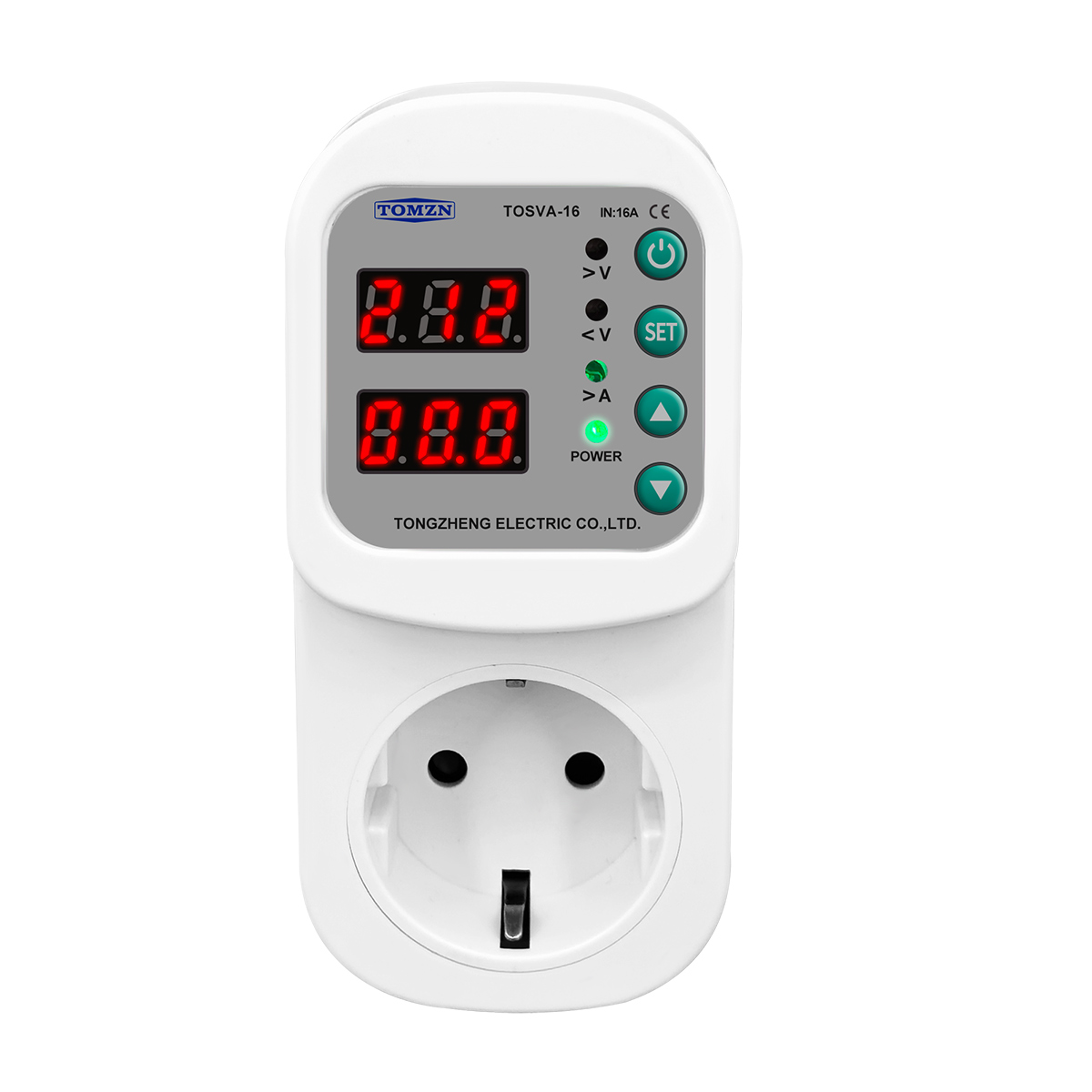
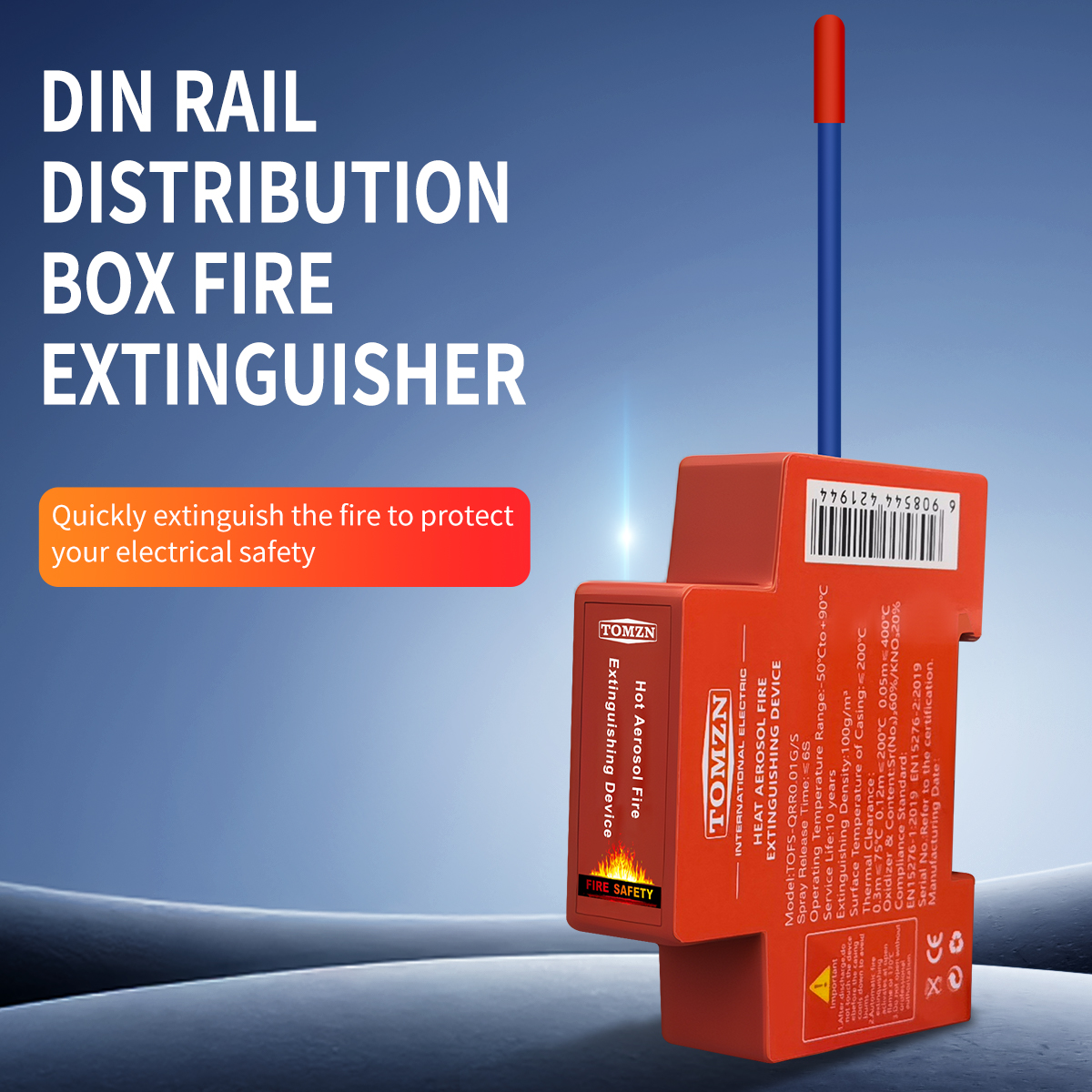
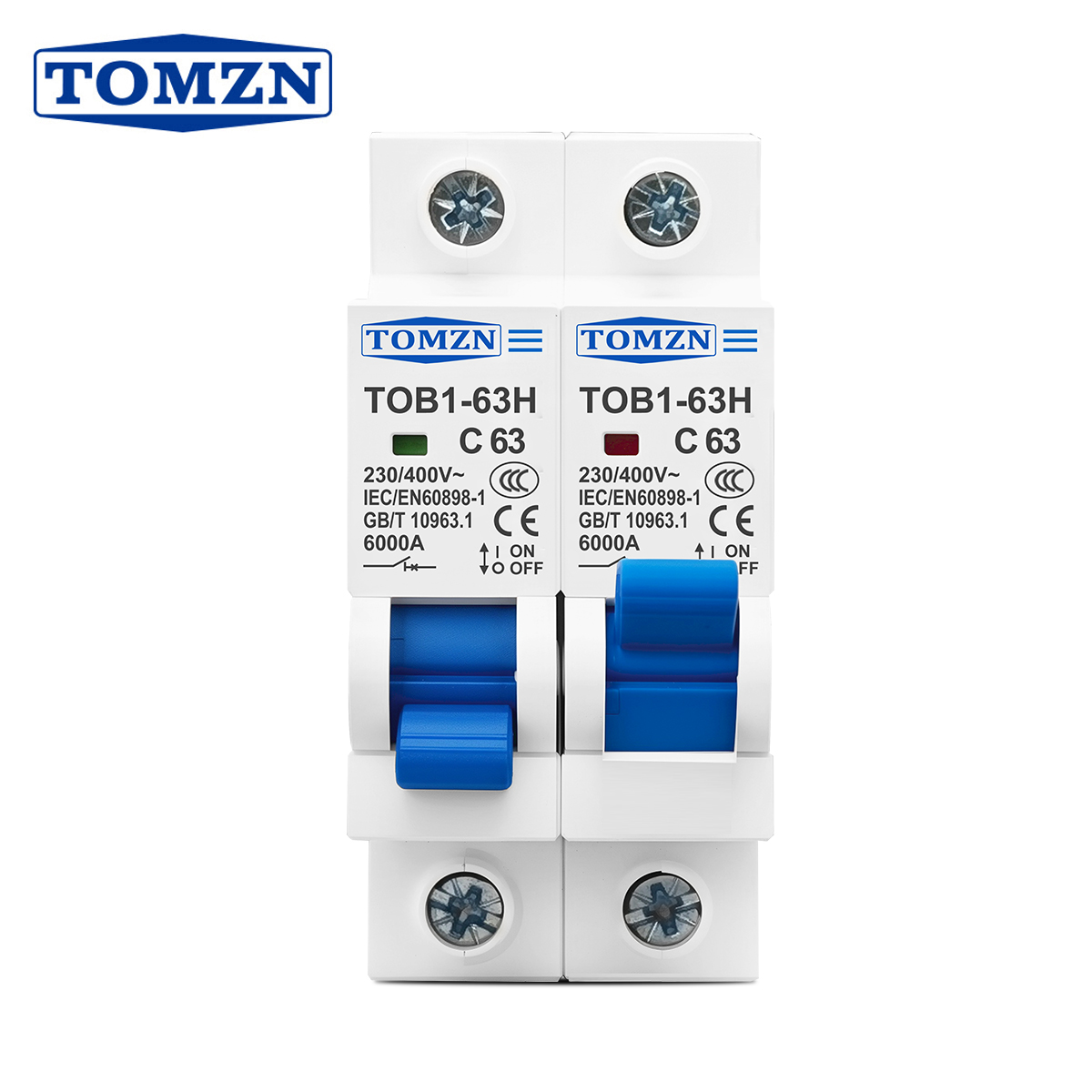
Explore high-reliability low-voltage protective gear, DC miniature circuit breakers, smart energy meters, and automatic transfer switches engineered for grid-tied solar photovoltaic installations and resilient commercial energy architectures in Kobe, Japan.
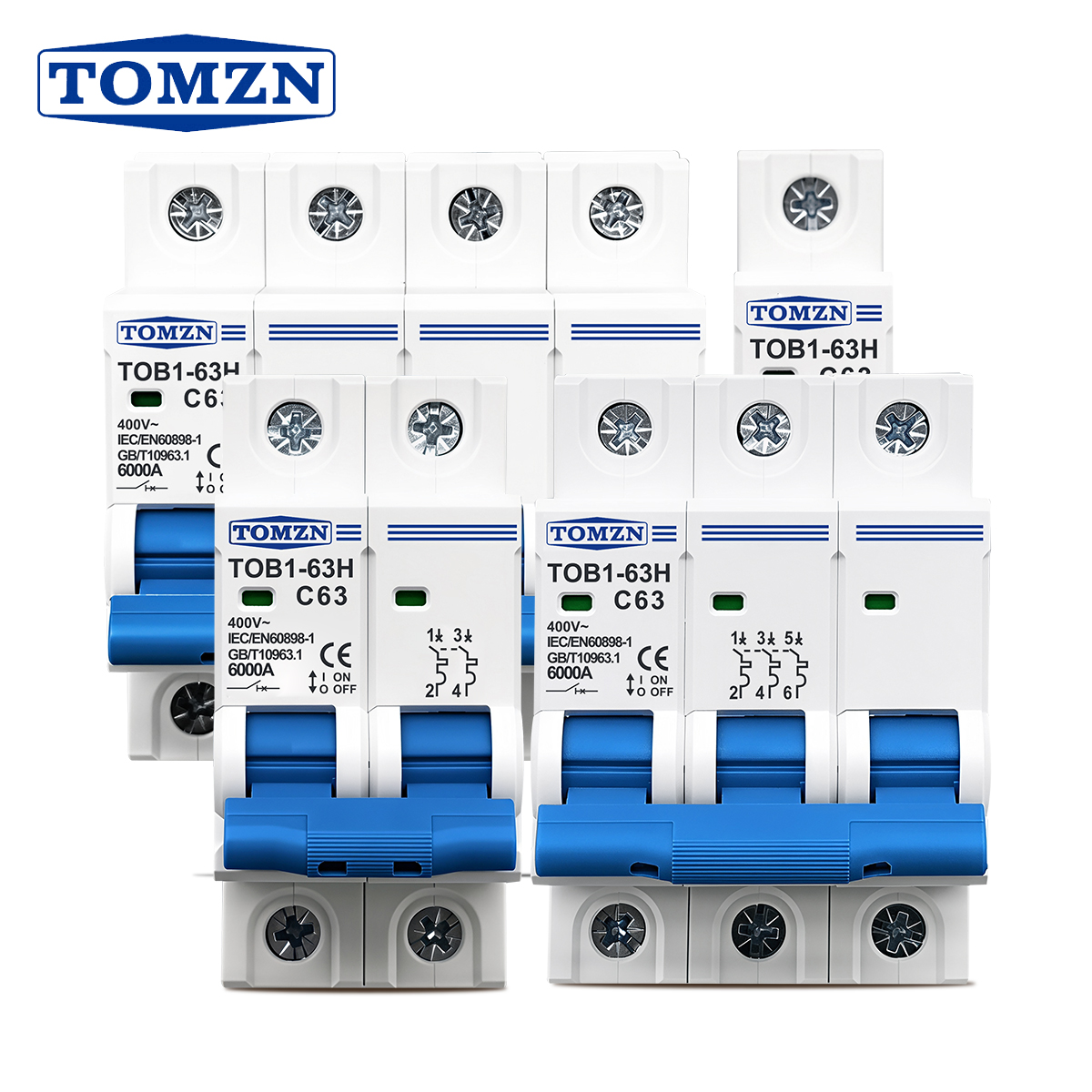
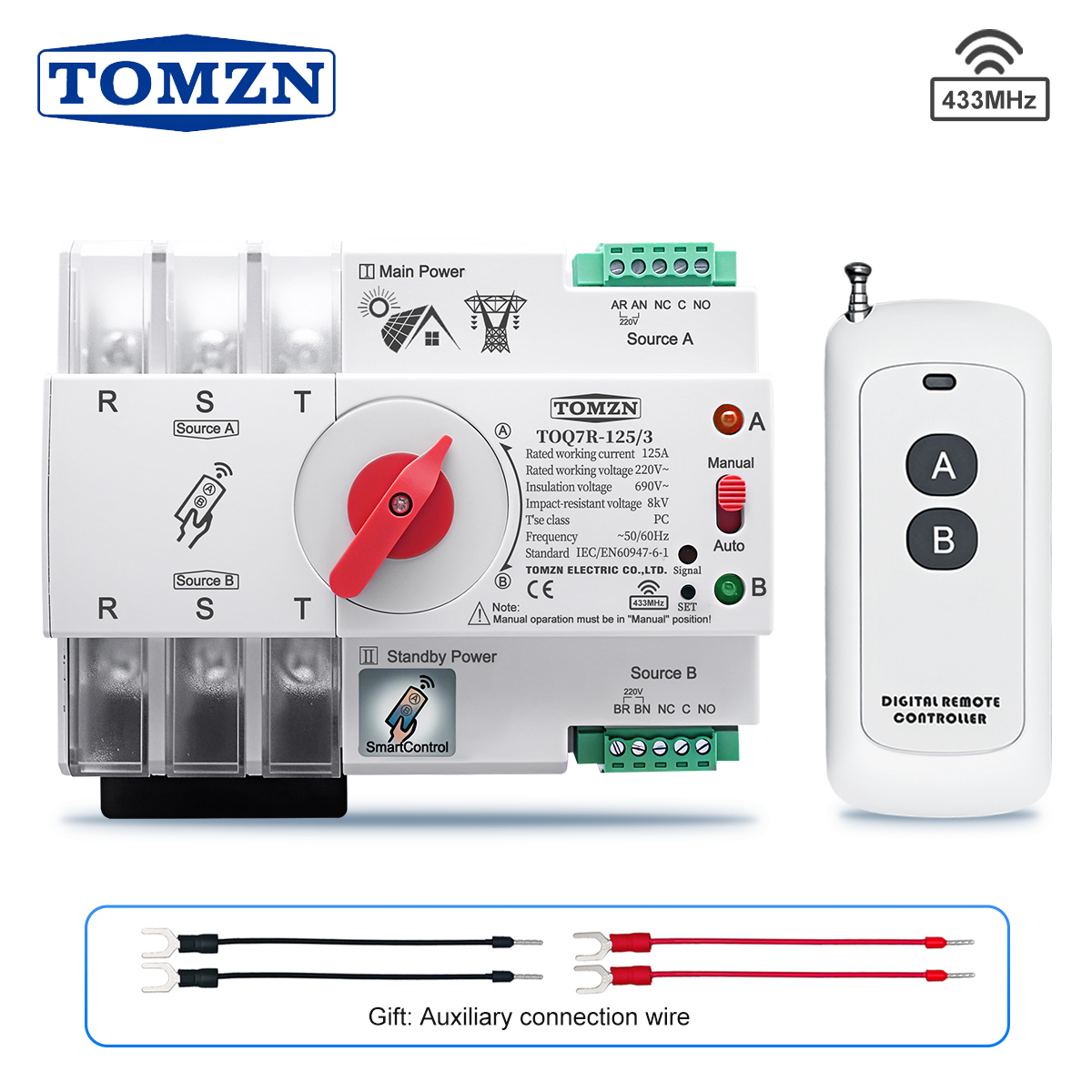
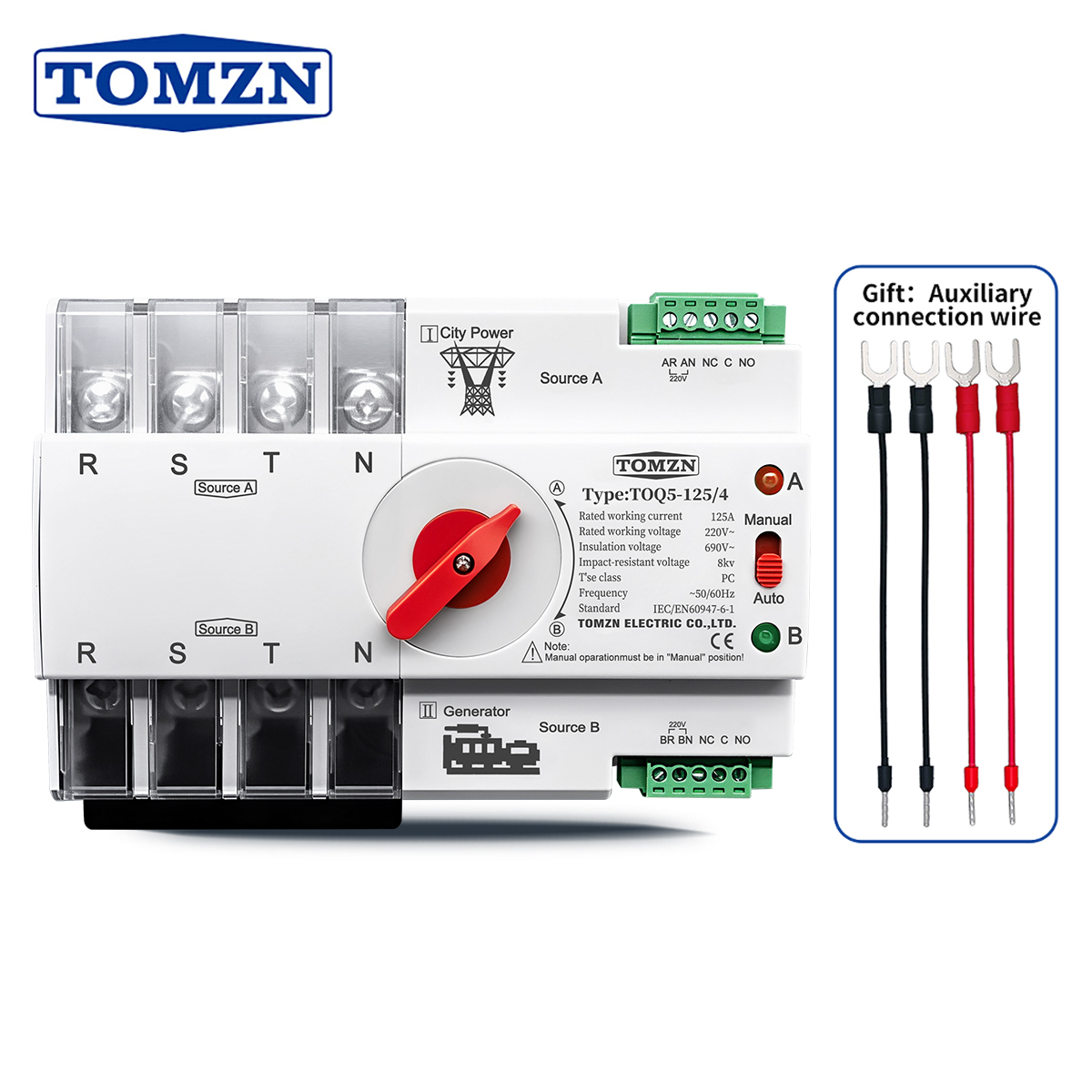
Mission-Critical Solar DC Protection in Kobe’s Photovoltaic Ecosystem
Kobe, situated in the Kansai region of Japan between Mount Rokko and Osaka Bay, presents a highly specialized operational environment for commercial, industrial, and residential photovoltaic (PV) power systems. The local solar industry faces a unique combination of coastal environmental stressors—such as salt mist corrosion, high summer relative humidity, extreme seismic risks, and typhoons—alongside rigorous grid connection requirements enforced by Kansai Electric Power Company (KEPCO) and Japan’s Ministry of Economy, Trade and Industry (METI).
Unlike conventional Alternating Current (AC) distribution circuits where electrical zero-crossing naturally assists in extinguishing electrical arcs, Direct Current (DC) generated by solar PV arrays maintains continuous voltage and current without zero-crossing points. When an electrical fault, reverse current flow, or insulation degradation occurs in high-voltage DC solar strings (typically ranging from 600V DC to 1500V DC across Japanese solar farms), an unextinguished DC arc can create sustained temperatures exceeding 3,000°C. This poses severe fire hazards to rooftop installations, battery energy storage systems (BESS), and combiner boxes.
Comparative Analysis: Top 10 Solar DC Fuse Manufacturers & Exporters Servicing Kobe
To assist solar EPC contractors, electrical engineers, and equipment importers in Kobe and the broader Kansai area, the technical matrix below provides a detailed evaluation of the leading international and local solar DC fuse manufacturers based on compliance, salt-fog resistance, technical specifications, and export availability.
| Manufacturer / Exporter | Origin | Core Voltage Rating (V DC) | Interrupting Rating (kA) | Salt Fog & Ambient Protection | Custom OEM / Exporter Flexibility | Primary Kobe Application Segment |
|---|---|---|---|---|---|---|
| Zhejiang DVS Electric (TOMZN) | China (Wenzhou) | 1000V / 1500V DC | 20kA – 30kA | IEC 60068-2-52 Anti-Corrosion | High (Direct Factory OEM/ODM) | Commercial Rooftop, PV Combiner Boxes, BESS & Agrivoltaic |
| Eaton (Bussmann Series) | USA / Global | 1000V / 1500V DC | 30kA – 50kA | High Ceramic Endurance | Standard Distribution Channels | Utility-Scale PV Ground Mounts |
| Littelfuse Inc. | USA | 1000V / 1500V DC | 20kA – 50kA | Sealed Cartridge Options | Authorized Global Distributors | Industrial Energy Storage & String Inverters |
| Mersen (Ferraz Shawmut) | France | 1000V / 1500V DC | 10kA – 50kA | HelioProtection Coating | Tier-1 OEM Partnerships | Central Inverters & Distribution Panels |
| Fuji Electric Co., Ltd. | Japan | 600V / 1000V DC | 10kA – 25kA | JIS Domestic Grade | Japan Domestic Procurement | Domestic Residential & Commercial Solar |
| Jean Müller GmbH | Germany | 1000V / 1500V DC | 30kA | DIN-Rail Encapsulated | European Direct Export | High-Voltage Substation Combiners |
| Schneider Electric | France | 1000V DC | 15kA – 20kA | Standard Enclosed Modular | Global Partner Network | Smart Building Microgrids |
| ABB Protection | Switzerland | 1000V / 1500V DC | 20kA – 30kA | Industrial Module Rated | Direct Corporate Supply | Substation & Heavy Industrial Rooftops |
| Chint Electrics | China | 1000V DC | 20kA | Standard Industrial Grade | High Volume Export | Standard PV Combiner Enclosures |
| Siemens Energy | Germany | 1000V / 1500V DC | 30kA | High Thermal Dissipation | Project-based Distribution | Grid Interconnection & Marine PV Systems |
Localized Application Scenarios across Kobe & Hyogo Prefecture
Selecting the correct solar DC fuse requires a deep understanding of local installation conditions. Kobe's topography transitions rapidly from coastal industrial zones to inland mountainous terrain, creating distinct micro-climates and electrical installation challenges.
1. Port of Kobe & Coastal Industrial Arrays
Heavy commercial solar rooftop systems deployed on port logistics centers (such as Port Island and Rokko Island) operate under continuous exposure to airborne ocean salts and high humidity.
- Protection Requirement: DC fuses with silver-plated copper contact caps housed in IP67/IP68 waterproof DIN-rail fuse holders.
- Corrosion Mitigation: High salt-spray endurance conforming to IEC 60068-2-52, preventing contact resistance spikes.
- Recommended Spec: 10x38mm or 14x51mm 1000V DC 15A–30A gPV fuses integrated with DC Surge Protection Devices (SPD).
2. Rokko Mountain Slope & Agrivoltaic Plants
Ground-mounted solar installations located on the foothills of Mount Rokko and rural Hyogo face severe seasonal temperature fluctuations, ranging from sub-zero winter nights to hot summer sun.
- Protection Requirement: Fuses with exceptional thermal cycling endurance to prevent nuisance tripping during sudden irradiance shifts.
- Temperature Derating: Applying a thermal correction factor ($K_t \approx 0.85$ to $0.90$) for enclosed combiner boxes under ambient temperatures above 45°C.
- Recommended Spec: 1000V/1500V DC 125A–250A NH-type gPV blade fuses for string combiner outputs.
3. Commercial BESS & Urban Emergency Microgrids
Given Kobe's history of earthquake preparedness since 1995, local commercial facilities frequently pair rooftop PV arrays with Lithium-ion Battery Energy Storage Systems (BESS) for disaster backup power.
- Protection Requirement: Ultra-fast semiconductor DC fuses engineered for extremely high short-circuit currents ($I_k \ge 50\text{kA}$).
- System Integration: Seamless operation alongside Dual-Power Automatic Transfer Switches (ATS) for seamless grid isolation.
- Recommended Spec: High-speed aR/gS or special battery-rated DC fuses up to 1000V DC / 600A.
Localized Market Trends & Technical Regulations in the Kansai Region
The solar market in Kobe is experiencing a significant transition driven by Japan's national policy aiming for zero carbon emissions by 2050, alongside updated grid inter-connection guidelines established by KEPCO. Technical compliance is essential when supplying electrical protection components to this market.
Transition to 1500V DC Systems in Commercial PV
To reduce Balance of System (BOS) costs and lower cable transmission losses, commercial PV contractors in Kobe are increasingly shifting from 1000V DC architectures to 1500V DC systems. This shift reduces string counts while increasing overall plant output. Consequently, fuses must feature longer arc-extinction chambers and optimized internal element geometries to interrupt currents at 1500V DC without fracturing the ceramic casing.
Integration of Smart Energy Monitoring
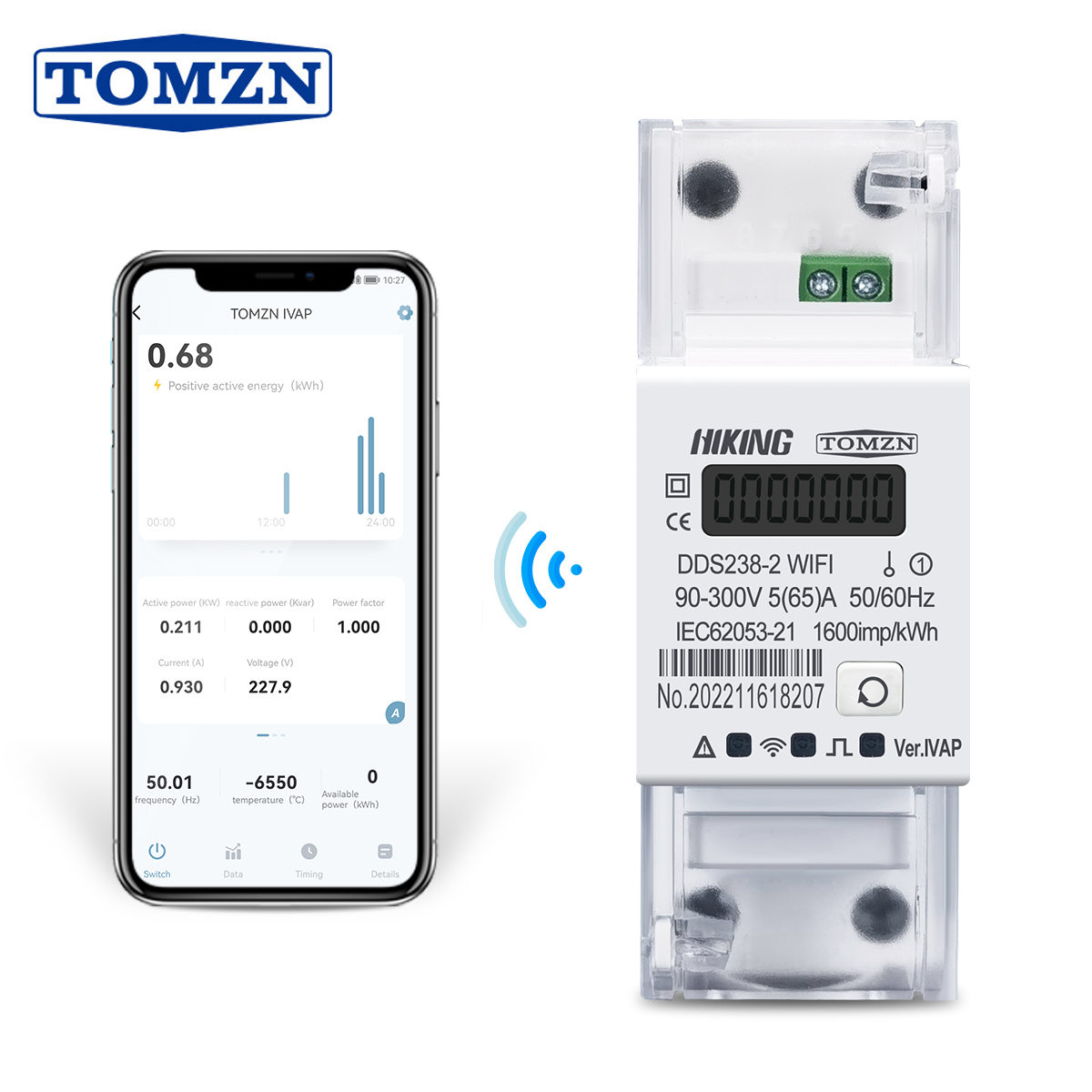
Digitalization is accelerating across Hyogo's solar plants. Modern PV string boxes now pair classic DC thermal fuses with DIN-rail WiFi/RS485 energy meters and voltage protectors. This setup allows real-time current tracking and immediate alert triggering if a string fuse blows due to a localized ground fault or shading imbalance.
Engineering Guide: Sizing & Calculating Solar DC Fuses correctly
In accordance with international standards (IEC 62548 / IEC 60364-7-712) and Japanese PV engineering practices, solar string fuses must be sized precisely to avoid nuisance blowing under maximum irradiance while ensuring fast tripping during reverse-current faults.
1. Nominal Current Calculation ($I_n$)
The continuous current rating of a gPV string fuse ($I_n$) must take into account peak solar irradiance (which can exceed $1000 \text{W/m}^2$ in summer months) and module short-circuit current ($I_{sc}$):
1.56 × I_sc ≤ I_n ≤ 2.4 × I_sc (or I_MOD_MAX_FUSE)
* The 1.56 safety factor accounts for the 1.25 continuous current factor multiplied by the 1.25 irradiance over-strength factor common in high-reflection coastal regions like Kobe Bay.
2. Maximum System Voltage Rating ($V_n$)
The open-circuit voltage ($V_{oc}$) of a PV string increases in cold weather. Kobe experiences minimum winter temperatures near 0°C. The fuse rated voltage ($V_n$) must satisfy:
V_n ≥ N_s × V_oc × [1 + αV_oc × (T_min - 25)]
Where $N_s$ is the number of modules in series, $αV_{oc}$ is the temperature coefficient of voltage, and $T_{min}$ is the local minimum winter temperature (0°C).
Enterprise Strengths: Partnering with Zhejiang DVS Electric Co., Ltd.
As a specialized manufacturer with over 24 years of low-voltage electrical experience, Zhejiang DVS Electric Co., Ltd. (operating globally under the recognized TOMZN brand) provides reliable circuit protection components tailored for international importers and Kobe-based solar distributors.
5,700 m² Manufacturing Facility
Located in Liushi Town, Wenzhou—China's low-voltage electrical capital—our modern 5,700 m² factory integrates automated assembly lines, high-precision calibration testing, and strict quality control stations audited onsite by independent third-party inspectors.
Comprehensive OEM & ODM Capability
We offer complete customization services for Japanese solar project developers and distributors, including custom current/voltage ratings, private labeling, specialized housing colors, laser markings, and custom export packaging.
Direct Export Logistics to Kobe Port
With over 11 years of international trading expertise and annual export values exceeding US$3.3M+, we maintain direct container shipping corridors from Ningbo/Shanghai ports straight to the Port of Kobe, delivering standard transit times of just 4 to 6 days.
Frequently Asked Questions (FAQ) for Kobe Procurement Managers
Q1: What is the main difference between an AC fuse and a solar gPV DC fuse?
AC fuses rely on the natural zero-crossing point of alternating current to extinguish electrical arcs. DC current from solar panels maintains continuous voltage without a zero-crossing. A solar gPV DC fuse features a specially designed silver alloy element embedded in refined quartz sand within a high-strength ceramic body. This construction rapidly quenches high-energy DC arcs and withstands the low overload fault currents ($1.35 \times I_n$) typical of photovoltaic strings.
Q2: How does the coastal ocean air in Kobe affect solar DC fuse holders?
Coastal salt mist accelerates oxidation on standard metal contacts, causing increased contact resistance, overheating, and false tripping. To ensure long-term performance around Kobe Port and coastal Hyogo, fuse contacts must be silver-plated or nickel-plated copper, and the fuse bases should be mounted inside IP65 or IP67 weather-resistant distribution enclosures equipped with anti-condensation breathers.
Q3: Do your solar protection products carry CE and international test reports?
Yes. All of our DC miniature circuit breakers, gPV solar fuse holders, surge protective devices (SPD), automatic transfer switches (ATS), and digital energy meters carry CE certification. Third-party factory inspection reports and laboratory test certificates are available upon request for import verification in Japan.
Q4: What is the recommended Minimum Order Quantity (MOQ) for custom OEM orders?
For standard catalog items, trial sample orders start as low as 5 to 10 pieces. For custom OEM orders (including custom laser printing, brand labeling, and special voltage specifications), MOQs typically start at 500 pieces per rating.
Q5: Can TOMZN supply complete PV Combiner Boxes pre-fitted with DC Fuses and SPDs?
Absolutely. We manufacture fully assembled, pre-wired waterproof PV combiner boxes ranging from 1-input/1-output up to 6-input/3-output configurations. These units come complete with internal DC string fuses, DC main isolators/circuit breakers, and Type II DC surge protection devices rated for 600V, 1000V, or 1200V DC.
Q6: How long does shipping take from your Wenzhou factory to Kobe Port?
Production lead time for standard catalogue products takes approximately 7 to 14 days. Ocean freight shipping from nearby Ningbo or Shanghai port directly to the Port of Kobe typically takes 4 to 6 days, ensuring quick turnaround times for urgent project deadlines.
Ready to Source High-Reliability Solar Protection for Kobe Projects?
Connect directly with our engineering sales team to request full product datasheets, CE compliance reports, and competitive wholesale factory pricing.
