Featured Photovoltaic & Low-Voltage Circuit Protection Components
Engineered for harsh climatic conditions, high UV exposure, and volatile grid dynamics in the Argentine market.

1. Executive Summary & The Argentine Solar Landscape
Argentina represents one of the most promising yet technically demanding solar photovoltaic (PV) markets in Latin America. Driven by the national mandate for renewable energy transition under Law 27.191 and the Distributed Generation Framework established by Ley 27.424 (Régimen de Fomento a la Generación Distribuida de Energía Renovable Integrada a la Red Eléctrica Pública), the deployment of solar energy infrastructure has accelerated dramatically. From utility-scale solar parks in the high-altitude deserts of the Noroeste Argentino (NOA) to commercial and industrial (C&I) installations in Córdoba, Santa Fe, and Mendoza, as well as residential rooftop solar systems across Greater Buenos Aires (AMBA), the requirement for highly resilient electrical Balance of System (BOS) components is paramount.
At the center of every reliable solar installation is the Photovoltaic Array Combiner Box (PVAE). Serving as the critical junction point where multiple DC strings from solar module arrays are consolidated into a single unified DC bus before feeding into central or string inverters, the combiner box performs essential functions: overcurrent protection, string isolation, surge mitigation, and system monitoring. For Engineering, Procurement, and Construction (EPC) contractors, solar integrators, and electrical wholesalers searching for a trustworthy PV Combiner Box Supplier & Suppliers in the Argentina market, understanding local ambient challenges, strict regulatory standards, and supply chain logistics is critical to achieving long-term project bankability and operational lifetime exceeding 25 years.
Strategic Market Insight for Argentine Buyers
System designers in Argentina must navigate severe environmental extremes: solar irradiance levels exceeding 2,500 kWh/m²/year in regions like Jujuy and Salta paired with intense ultraviolet radiation, extreme daily temperature swings (thermal cycling from -10°C at night to +40°C daytime ambient), high altitudes exceeding 2,000 meters above sea level (requiring voltage and thermal de-rating), and localized grid instability in suburban distribution networks. Sourcing certified, high-grade PV combiner boxes engineered specifically to withstand these conditions is non-negotiable.
2. Technical Sizing & Circuit Protection Engineering for PV Combiner Boxes
Designing and selecting a solar PV combiner box for the Argentine market requires rigorous adherence to international standards such as IEC 61439-2 (Low-voltage switchgear and controlgear assemblies) and IEC 60364-7-712 (Requirements for special installations or locations – Solar photovoltaic power supply systems). As an experienced OEM/ODM manufacturer, Zhejiang DVS Electric Co., Ltd. incorporates precision engineering into every internal component.
A. String Overcurrent Protection: DC Fuses vs. DC Miniature Circuit Breakers (MCBs)
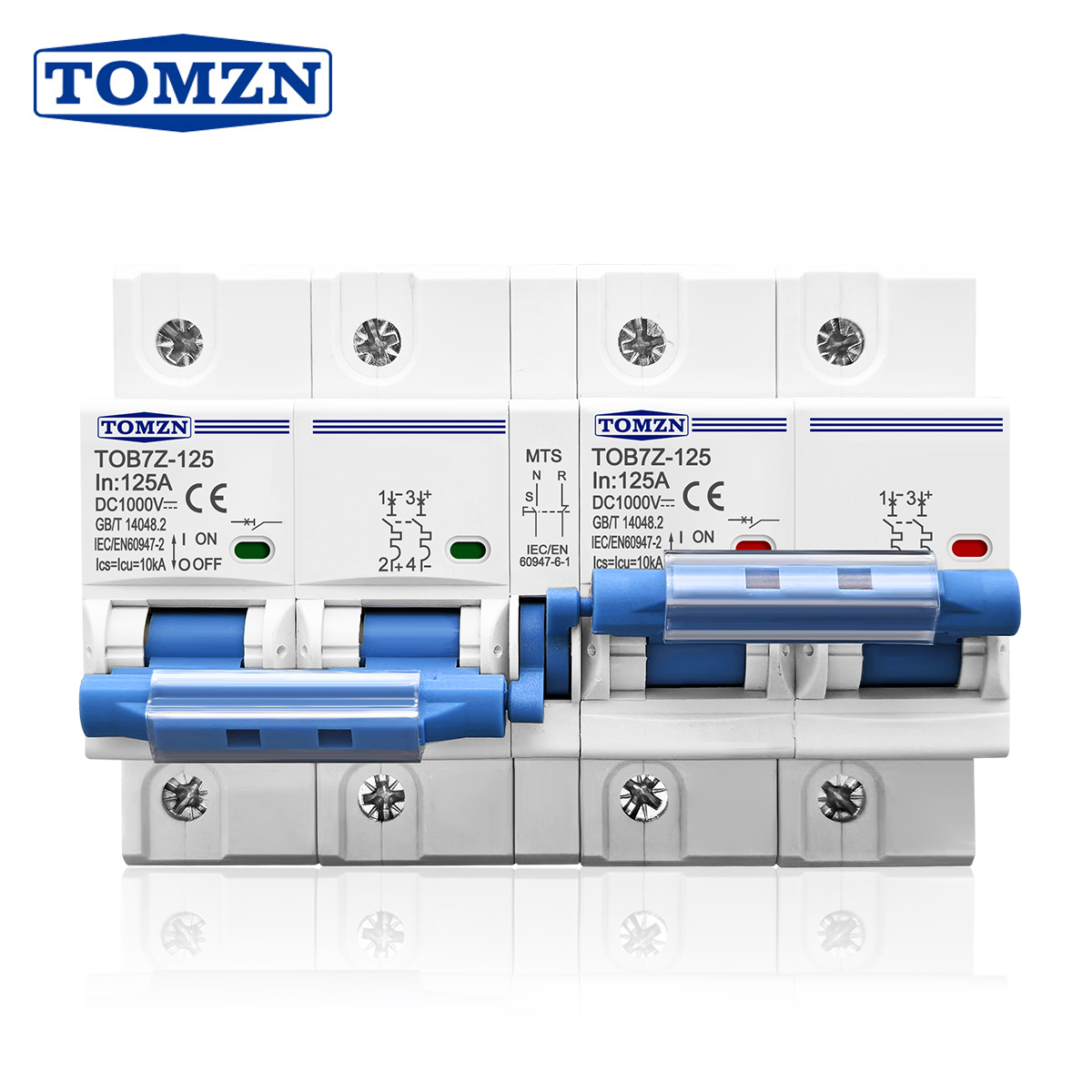
In accordance with IEC regulations, when more than two solar PV strings are connected in parallel, each string must be protected against reverse fault currents. In our custom PV combiner boxes, we utilize specialized 1000V DC and 1500V DC gPV ceramic fuse links mounted in touch-safe DIN-rail fuse holders, or dedicated high-interrupting-capacity DC Miniature Circuit Breakers (MCBs):
- gPV Fuse Sizing Formula: $I_n = 1.25 \times I_{sc\_mod}$ to $1.5 \times I_{sc\_mod}$ (where $I_{sc\_mod}$ is the short-circuit current of the PV module under Standard Test Conditions).
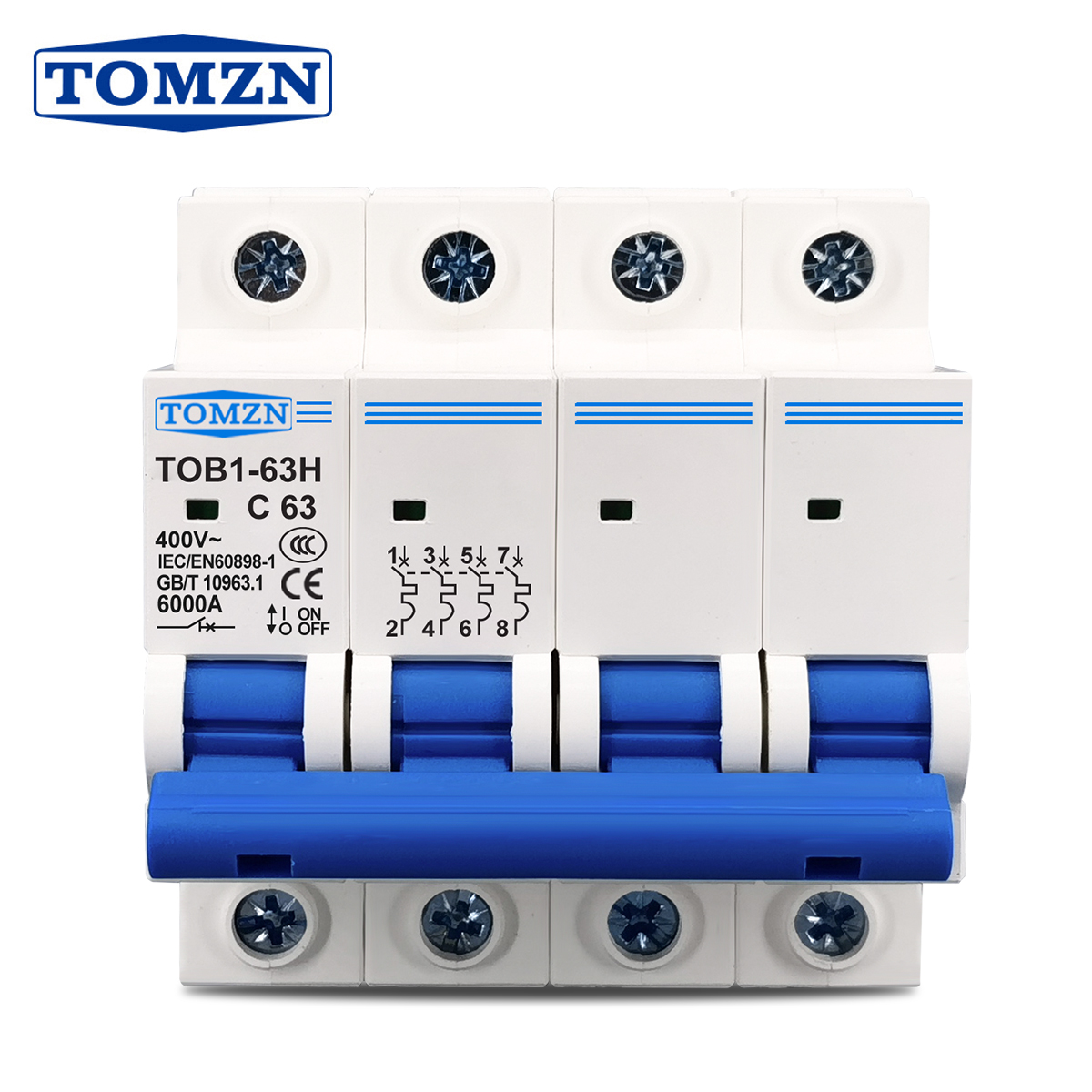
- DC Arc Quenching Mechanisms: Because direct current (DC) does not possess a natural zero-crossing point like alternating current (AC), breaking a DC arc requires specialized magnetic blow-out channels and lengthened arc chutes within the breaker. Our DC MCBs and Molded Case Circuit Breakers (MCCBs) prevent sustained arcing, thermal runaway, and enclosure fires.
B. Altitude De-Rating in Argentine Solar Zones (NOA & Cuyo)
A significant portion of Argentina's solar potential is located at high altitudes—for instance, solar farms in Cauchari (Jujuy) sit at over 4,000 meters above sea level, and projects in San Juan often exceed 1,500 meters. At high elevations, thinner air reduces both dielectric insulation strength and convective thermal cooling efficiency. When selecting PV combiner boxes for high-altitude Argentine sites, the following de-rating factors must be applied to rated operational voltage ($U_e$) and current ($I_n$):
| Altitude (Meters Above Sea Level) | Dielectric Voltage De-Rating Factor ($K_v$) | Thermal Current De-Rating Factor ($K_i$) | Impact on 1000V DC Rated Component |
|---|---|---|---|
| 0 to 2,000 m (Standard Sea Level to Pampean) | 1.00 | 1.00 | 1000V DC / Full Amperage Rating |
| 2,001 to 3,000 m (Cuyo / Foothills) | 0.88 | 0.92 | De-rate insulation to 880V DC / Apply 92% $I_n$ |
| 3,001 to 4,000 m (High Puna Plateau) | 0.78 | 0.85 | De-rate insulation to 780V DC / Apply 85% $I_n$ |
| 4,001 to 5,000 m (Extreme Altitude) | 0.68 | 0.78 | Use 1500V rated components for 1000V operational systems |
C. Surge Protection Devices (SPD) & Lightning Mitigation
Argentina experiences significant atmospheric activity, especially in northern inland regions and the Pampean region where lightning ground flash density is high. PV arrays act as large metallic structures exposed in open terrain, making them prime targets for direct and induced transient overvoltages. Every PV Combiner Box supplied to the Argentine market features integrated Type 2 or Type 1+2 DC Surge Protective Devices (SPDs) tested under IEC 61643-31 standards. Featuring high-energy Metal Oxide Varistors (MOVs) with thermal disconnect mechanisms and visual fault indicator windows, our SPDs clamp high-voltage spikes (up to 40kA $I_{max}$) down to safe voltage protection levels ($U_p < 3.2\text{ kV}$), safeguarding costly string inverters downstream.
3. Localized Application Scenarios Across Argentina
High-Altitude Utility & C&I Solar (Jujuy, Salta, San Juan)
In the high-irradiance regions of NOA and Cuyo, solar plants face intense solar radiation and diurnal thermal shocks. Our combiner boxes feature UV-stabilized polycarbonate or powder-coated IP65 steel enclosures with internal anti-condensation breathers, multi-string monitoring cards (RS485 Modbus RTU), and high-voltage 1000V/1500V DC isolators engineered for de-rated thermal stability.
Agricultural Solar Pumping & Irrigation (Mendoza & Santa Fe)
Wineries in Mendoza and agricultural farms in Santa Fe rely heavily on off-grid solar water pumping to insulate operations from rising grid tariffs. We supply compact 2-in-1-out and 4-in-1-out IP65 PV combiner boxes equipped with integrated DC circuit breakers and rapid manual isolators, allowing farmers simple, maintenance-free operation under dusty and humid outdoor conditions.
Urban Residential & Commercial Hybrids (AMBA & Córdoba)
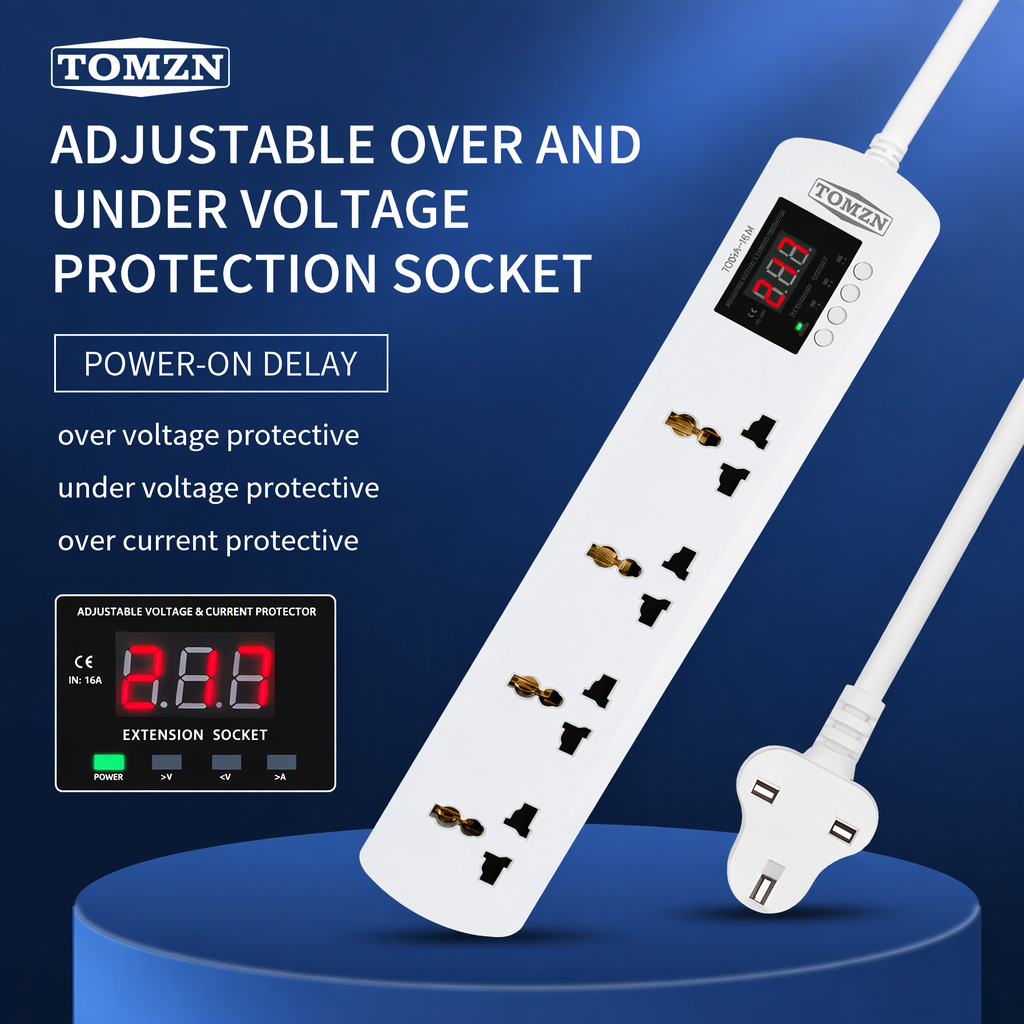
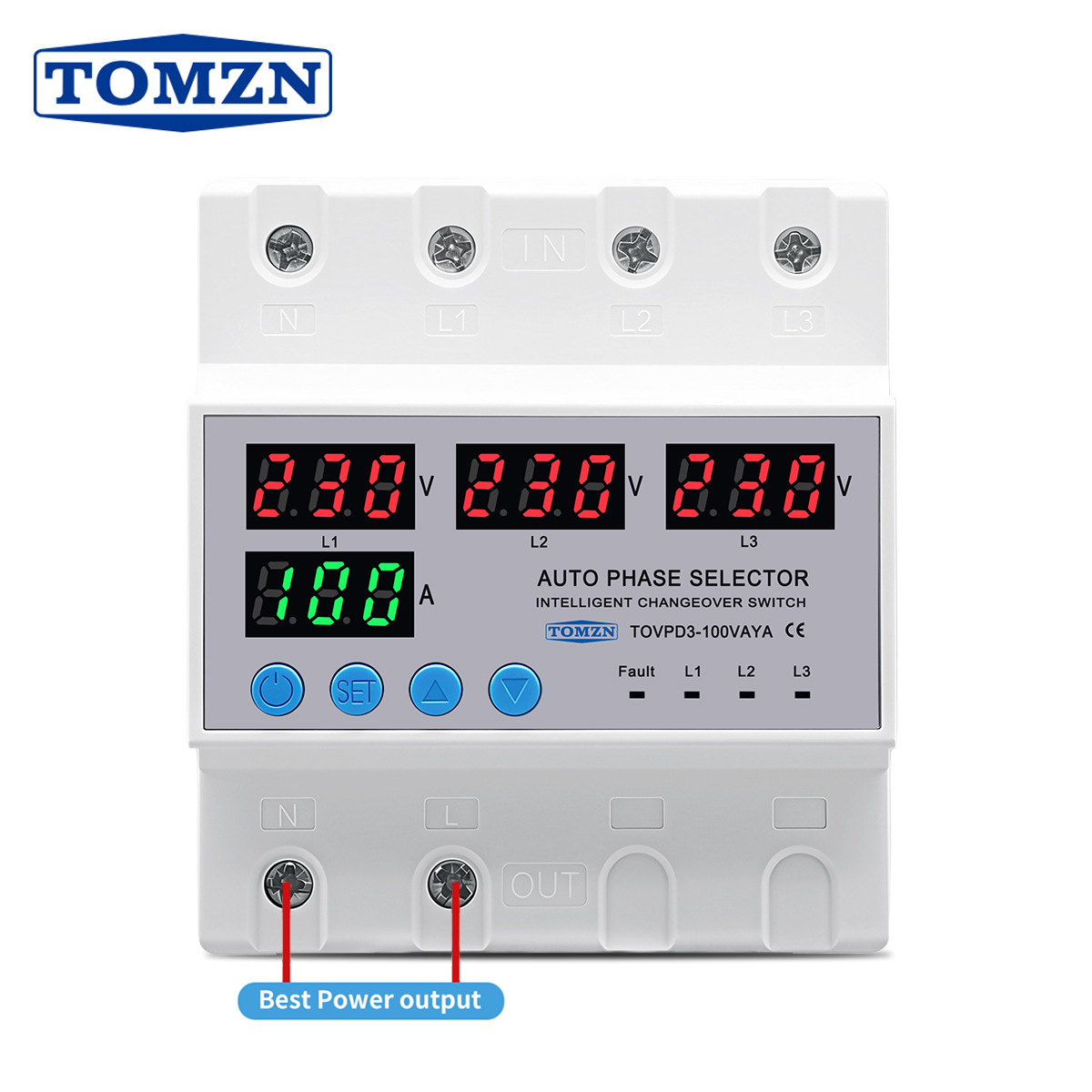
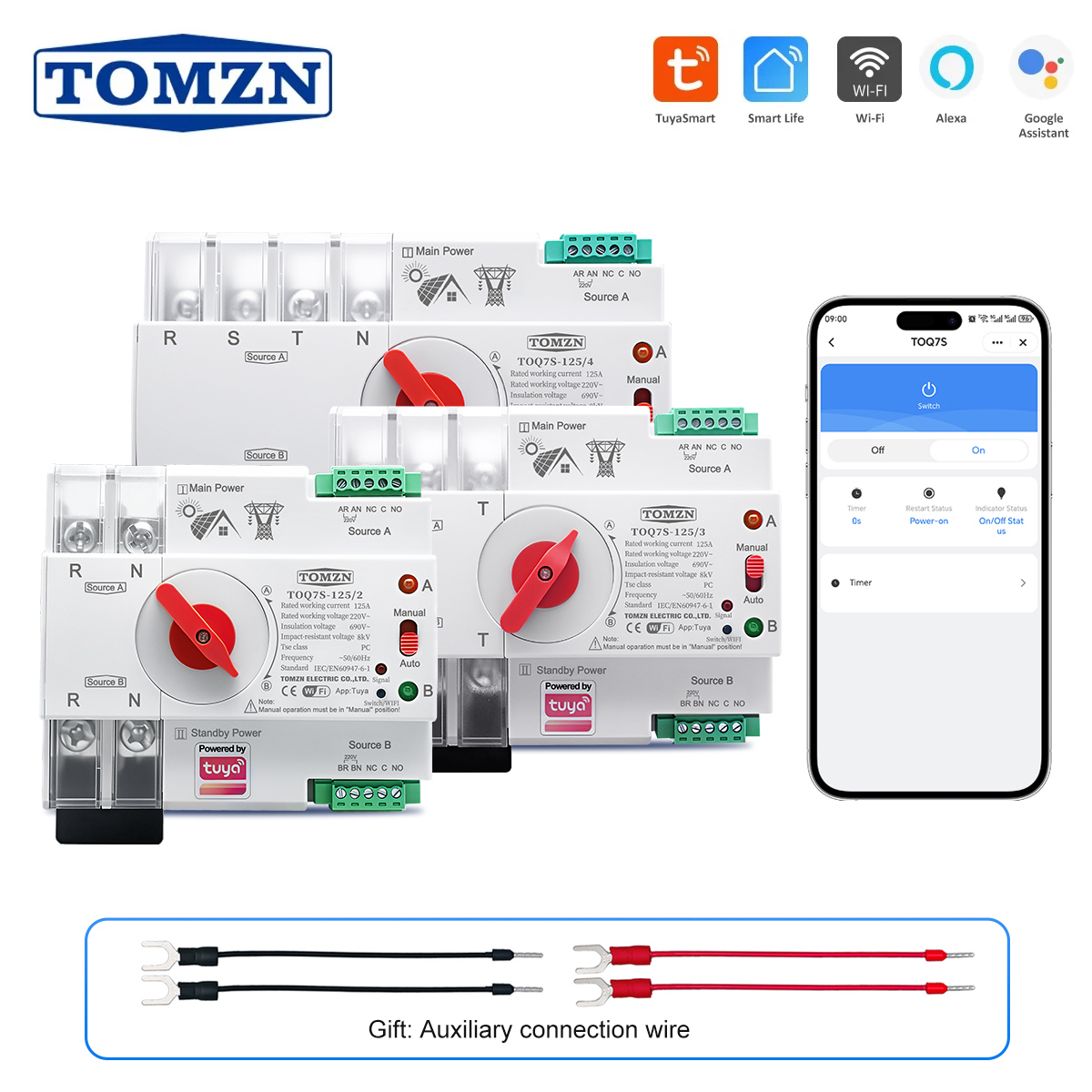
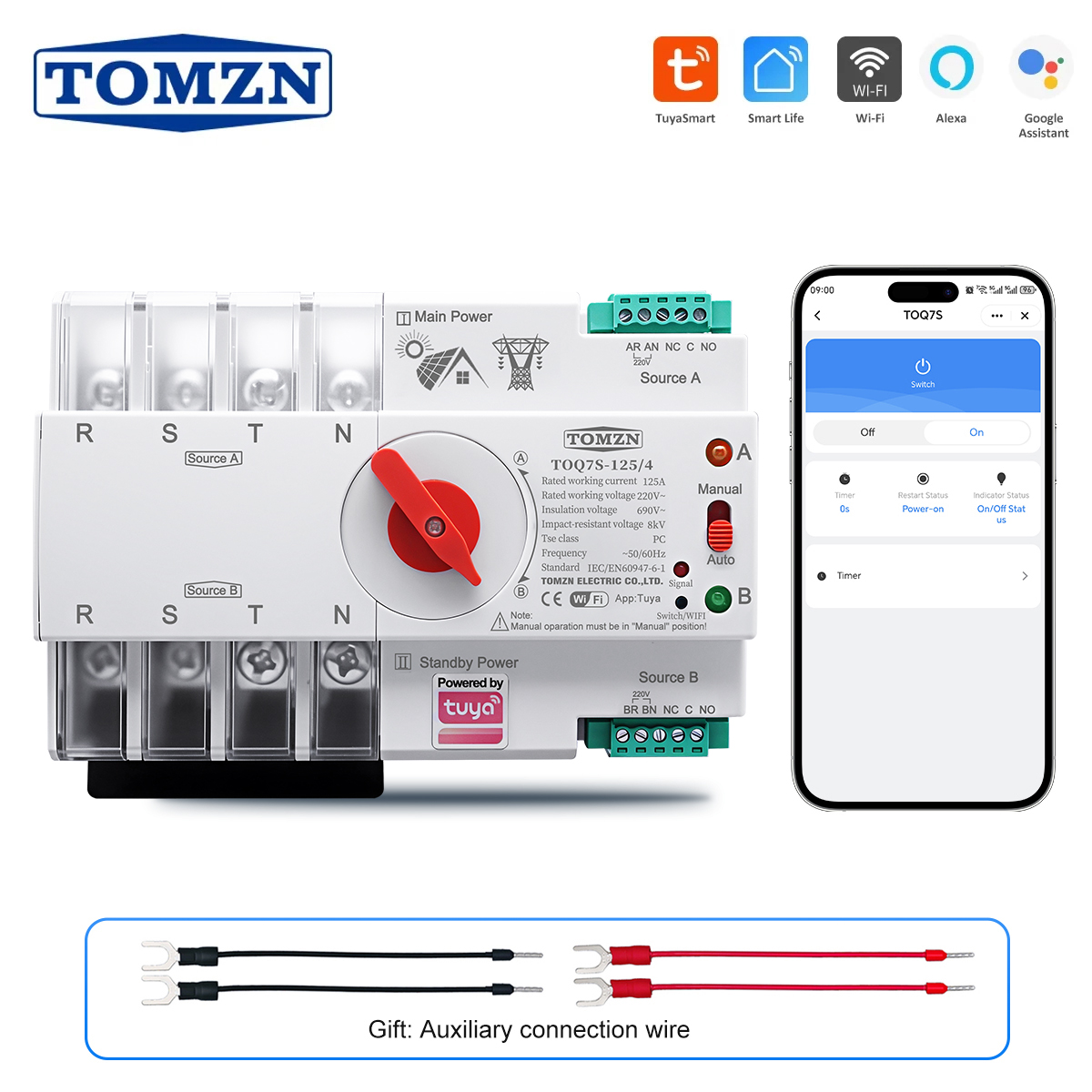
Under Ley 27.424, residential homeowners and commercial building owners in urban centers are installing grid-tied hybrid solar systems with lithium battery backup. Combining our 1-string to 4-string PV Combiner Boxes with TOMZN Dual Power Automatic Transfer Switches (ATS) and Adjustable Over/Under Voltage Relays guarantees seamless power changeover during grid brownouts while protecting appliances from voltage sags.
4. Argentine Solar Market Development Trends & Regulatory Sourcing Considerations
Navigating the electrical supply market in Argentina requires clear foresight regarding macroeconomic, trade, and regulatory realities. In recent years, local distributors and EPC contractors have adapted their sourcing strategies to maintain competitiveness:
- Growth of Private Power Contracts (MATER): Beyond utility tenders managed by CAMMESA, large industrial power consumers in Argentina are turning to the Mercado A Término de Energías Renovables (MATER) to buy green energy directly from independent solar developers. These bankable projects require international-grade switchgear with full CE, IEC, and ISO documentation to satisfy institutional investors.
- Import Clearances & Supply Chain Resilience: Argentine importers face strict foreign exchange controls and import administrative frameworks (such as SIRA/SORA regulations). Partnering directly with an established manufacturer like Zhejiang DVS Electric Co., Ltd. ensures swift factory turnaround, customizable HS code documentation, optimized container consolidation, and stable, factory-direct pricing without intermediary markups.
- Local Standards (IRAM Compliance): Electrical safety standards overseen by ENRE (Ente Nacional Regulador de la Electricidad) and Resolution 319/99 mandate strict safety compliance for low-voltage equipment sold in Argentina. Our combiner boxes utilize components tested against international IEC equivalents, facilitating smooth local safety certification processes by Argentine testing agencies.
5. Enterprise Advantages: Why Partner with Zhejiang DVS Electric / TOMZN?
As a premier manufacturer based in Liushi Town, Wenzhou—China's world-famous low-voltage electrical manufacturing hub—Zhejiang DVS Electric Co., Ltd. brings 24 years of manufacturing heritage to global solar distributors and EPC contractors.
24+ Years Manufacturing Rigor
Founded with a focus on circuit protection, our 5,700 m² state-of-the-art facility integrates automated assembly, high-precision calibration testing, and strict quality control stations audited onsite by independent third-party inspection firms.
Complete Low-Voltage Ecosystem
Beyond PV combiner boxes, we manufacture the entire switchgear ecosystem: DC MCBs, DC MCCBs, AC breakers, automatic transfer switches (ATS), surge arresters (SPD), phase selector relays, and smart WiFi energy meters, ensuring 100% component compatibility.
Full OEM / ODM Customization
We empower Argentine distributors and solar brand owners with custom logo printing, private-label box packaging, custom string configurations (from 1-in-1-out to 32-in-1-out), pre-wired MC4 connectors, and specialized voltage ratings up to 1500V DC.
6. Frequently Asked Questions (FAQ) for Argentine Buyers
Partner with a Trusted PV Combiner Box Manufacturer for Argentina
Looking for reliable, factory-direct solar combiner boxes, DC protection devices, or automatic transfer switches tailored to the Argentine market? Contact our senior engineering team today to receive detailed technical datasheets, CAD drawings, and competitive wholesale pricing.
Get Catalog