Featured Electrical & Energy Control Solutions Serving Korea
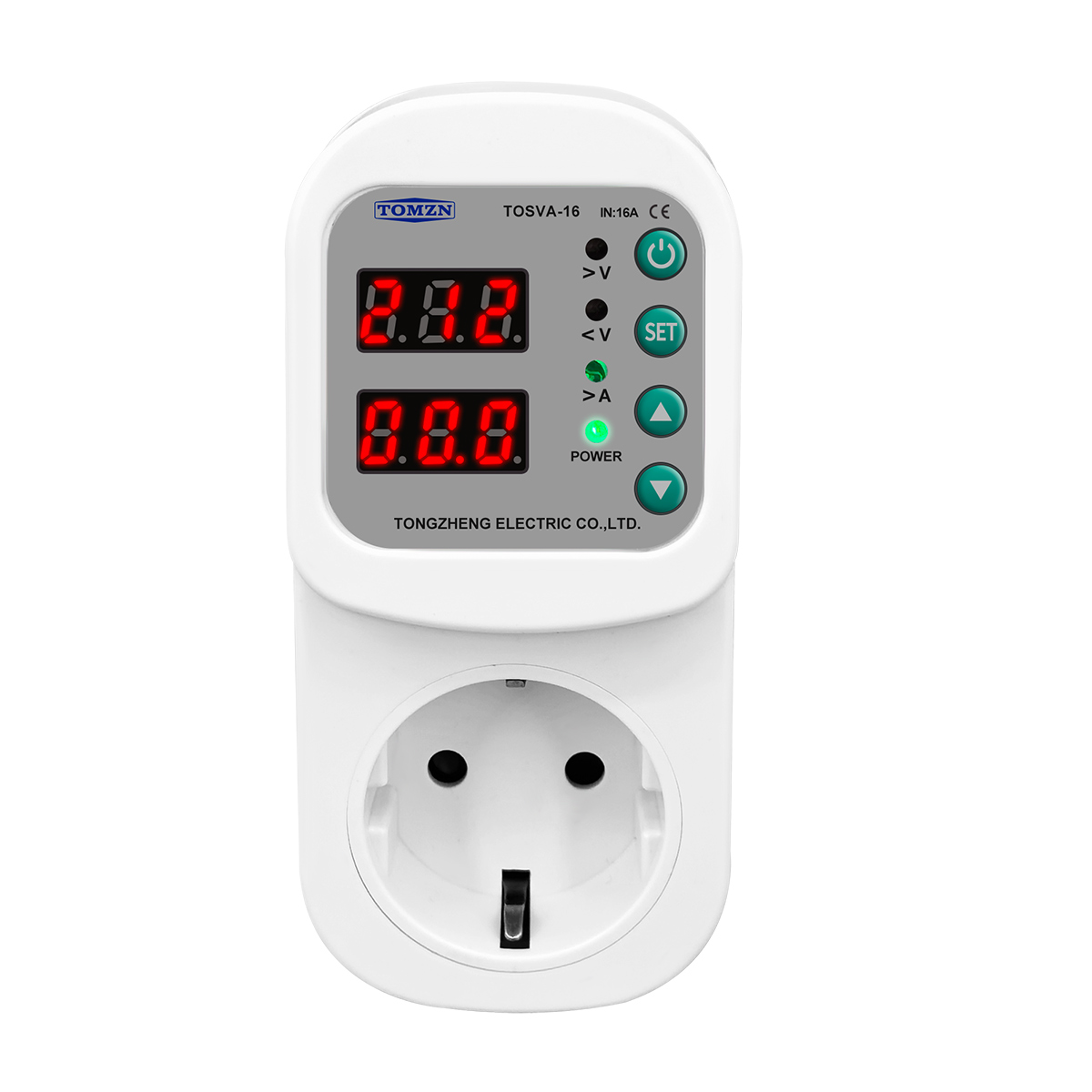
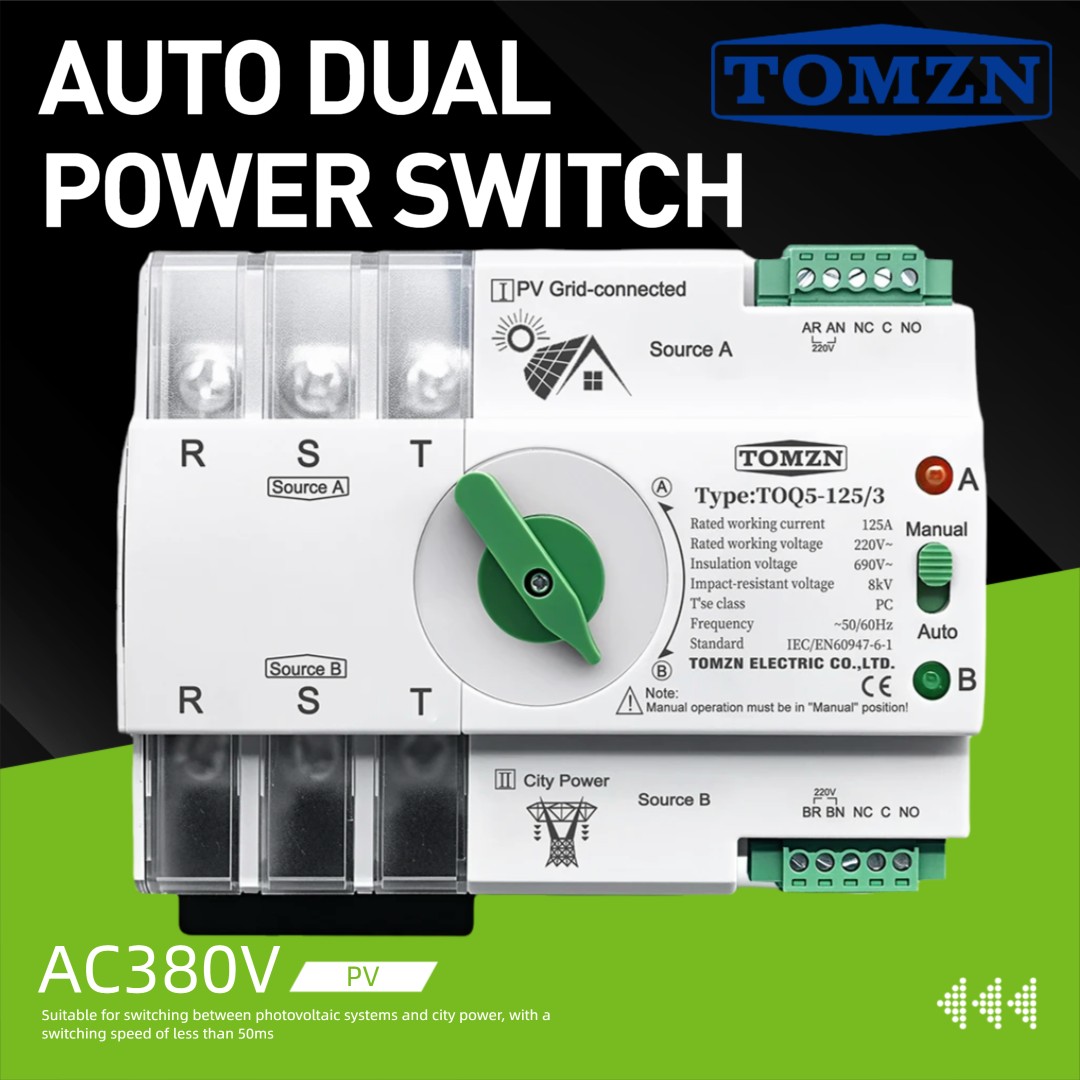
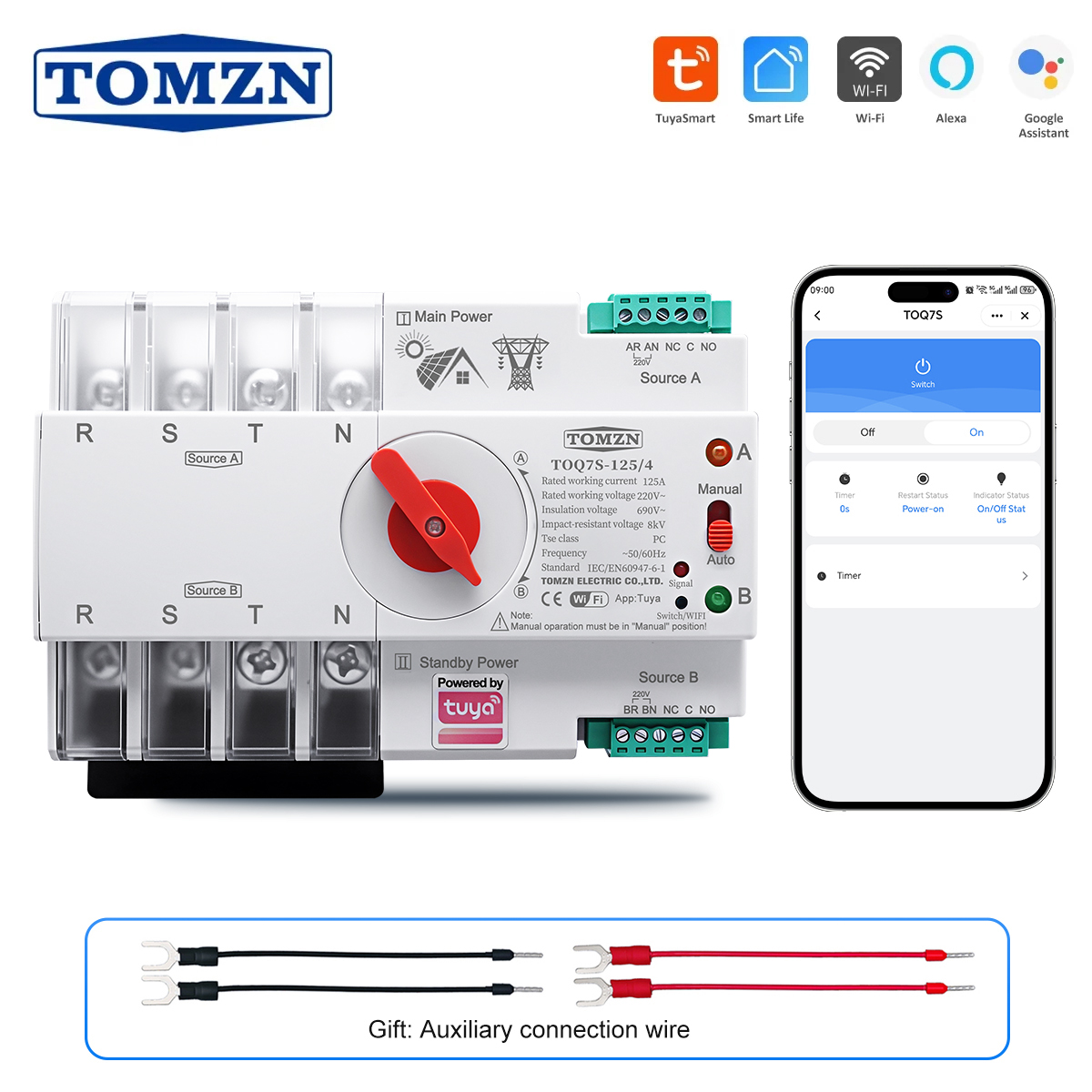
Explore our industrial-grade DIN-rail protection units, automatic transfer switches, and intelligence modules tailored for sub-metering, renewable integration, and distribution panel reliability.

Architectural Deep-Dive: LCD Energy Meter Supply for the South Korean Market
A comprehensive guide for electrical EPCs, panel builders, system integrators, and OEM distributors operating across Seoul, Incheon, Gyeonggi-do, and Busan industrial complexes.
1. South Korea’s Energy Grid Dynamics & Sub-Metering Mandates
South Korea’s power distribution ecosystem, governed primarily by the Korea Electric Power Corporation (KEPCO), operates under stringent grid stability requirements and rapid digital transformation. With South Korea’s aggressive push toward Carbon Neutrality 2050 and the widespread implementation of the K-ESG (Korean Environmental, Social, and Governance) Evaluation Framework, industrial plants, commercial officetels, and smart factories are legally required to execute real-time energy audits and sub-metering down to individual branch circuits.
As an established LCD energy meter supplier serving Korea, our product engineering addresses the specific electrical nuances of the Korean national grid. Korean single-phase residential/commercial installations standardly run at 220V 60Hz, while three-phase industrial networks run at 380V/220V (4-wire) or 220V delta configuration. In these environments, simple mechanical induction meters are no longer compliant for modern Building Energy Management Systems (BEMS) or Factory Energy Management Systems (FEMS).
2. Technical Hardware Architecture of Industrial LCD Energy Meters
Precision sub-metering requires robust analog front-end (AFE) ICs and optical isolation to withstand transient voltage surges common in heavy industrial zones like Ulsan and Changwon. Our digital LCD energy meters incorporate high-end ARM Cortex-M microcontrollers paired with dedicated 24-bit Sigma-Delta ADC sampling chips to guarantee Class 1.0 (or optional Class 0.5S) active energy metering accuracy.
A. Liquid Crystal Display (LCD) Subsystem Engineering:
Standard mechanical meters suffer from wear and gear slippage under high ambient temperature variations. Our custom-designed TN/STN wide-view angle LCD panels feature automated LED backlighting, operating flawlessly across -25°C to +55°C—fully compliant with harsh winter conditions in northern South Korea. The LCD interface features wide 7+1 digit rolling displays with custom icon telemetry representing tariff rates, direction of power flow (Import/Export active energy), communication status (RS485 TX/RX), and relay fault alerts.
B. Serial Communications & Protocol Integration (Modbus-RTU / DLMS):
For seamless integration into Korean local BEMS controllers and PLC units (such as LS Electric, Siemens, or Schneider PLCs widely deployed in Korea), our meters come equipped with optically isolated RS485 communication ports. Supporting standard Modbus-RTU protocol (baud rates selectable from 1200 bps up to 19200 bps), system integrators can daisy-chain up to 32 meters on a single RS485 bus loop over distances exceeding 1,200 meters without packet degradation.
C. Time-of-Use (TOU) & Tariff Management for KEPCO Rate Structures:
KEPCO enforces complex Time-of-Use billing involving Off-Peak, Mid-Peak, and Peak energy rates that shift dynamically according to summer, winter, and spring/autumn seasons. Our advanced LCD energy meters integrate onboard Real-Time Clocks (RTC) with lithium battery backup (accuracy ≤ 0.5s/day), allowing setting up to 4 tariffs, 8 time intervals per day, and holiday schedules directly via RS485 or handheld infrared optical ports.
3. Localized Application Scenarios Across South Korea
To provide actionable information gain for Korean project procurement managers, below are the four primary deployment environments where our LCD sub-meters and power monitoring components excel:
Commercial Officetels & Multi-Tenant Towers (Seoul / Gangnam)
Sub-metering individual commercial units for tenant power split-billing. Compact 1-Module (18mm) or 2-Module DIN-rail LCD single-phase meters measure active kWh independently, outputting impulse pulses to central billing software.
Solar PV & BESS Energy Storage (Jeju & Jeollanam-do)
Bi-directional (4-Quadrant) LCD meters measure forward import from the grid during low PV output and reverse export during peak solar generation hours. Essential for RE100 commercial solar microgrids.
Industrial Smart Factories (Gyeonggi-do / Incheon Hubs)
3-Phase 4-Wire LCD multi-function meters mounted in main distribution cabinets (MCC panels). Monitors total active power, reactive power, power factor correction, and harmonic distortion to avoid KEPCO low-PF penalties.
EV Charging Station Sub-Infrastructure (Slow/Fast AC Chargers)
Integrated compact MID/CE certified LCD meters embedded directly inside AC EV charger enclosures to measure power draw per session with tamper-proof seal protection and SO pulse output.
LCD Energy Meter Specifications Matrix for Korean Sourcing
Compare key technical parameters across our primary LCD energy meter model categories to select the optimal model for your local project engineering requirements.
| Parameter / Series | Single-Phase LCD DIN Meter | 3-Phase Multi-Function LCD Meter | Smart WiFi/Tuya LCD Meter | Panel Mount 96x96 LCD Meter |
|---|---|---|---|---|
| Rated Voltage (Un) | AC 220V / 230V (60Hz / 50Hz) | 3x220/380V, 3x57.7/100V | AC 110V - 240V (Wide Range) | AC 3x220V/380V (PT customizable) |
| Current Rating (Imax) | 5(60)A, 10(100)A Direct | 1.5(6)A via CT, 5(80)A Direct | 10(63)A Direct Integrated Relay | 5A / 1A via External CT |
| Accuracy Class | Class 1.0 (IEC 62053-21) | Class 0.5S / Class 1.0 | Class 1.0 Active kWh | Class 0.5S High Precision |
| Display Interface | 5+1 or 6+1 Backlit LCD | 7+1 Multi-Line Backlit LCD | OLED / Dynamic LCD Display | Custom Segment Matrix LCD |
| Communication Protocol | RS485 Modbus-RTU / SO Pulse | RS485 Modbus-RTU / DLMS | WiFi 2.4G / Tuya / RS485 | Dual RS485 Ports optional |
| Mounting Form Factor | 35mm DIN-Rail (1U / 2U Width) | 35mm DIN-Rail (4U / 7U Width) | 35mm DIN-Rail with Switch | Flush Panel Cutout (92x92mm) |
| Certifications Available | CE, EMC, ROHS, Test Reports | CE, IEC 62053, ISO9001 | CE, RED, RoHS Compliant | CE, ISO9001 Factory Audit |
Frequently Asked Questions from Korean B2B Importers
Direct answers regarding regulatory compliance, KC certification considerations, Modbus address configuration, and shipping logistics for Korean electrical contractors.
Do your LCD energy meters comply with South Korean KEPCO and KS C IEC standard requirements?
Yes. Our LCD energy meters are designed and manufactured in accordance with international IEC standards—specifically IEC 62053-21 (Class 1.0) and IEC 62053-22 (Class 0.5S), which are functionally identical to South Korea’s KS C IEC 62053 frameworks. For custom OEM projects bound for Korean public infrastructure, we provide full factory calibration sheets, dielectric test certificates, and EMC immunity test reports.
How do you support Korean system integrators using Modbus-RTU with LS PLCs or local BEMS?
All RS485-enabled LCD energy meters come pre-programmed with standardized 16-bit Modbus-RTU register maps. We provide comprehensive English/Korean register documentation mapping holding registers for Voltage, Current, Active Power, Reactive Power, Power Factor, and Total kWh. Address configuration, baud rate (default 9600 bps), and parity bits can be easily configured via the front panel buttons or remote software.
What is the procedure for obtaining KC Certification or private-label OEM branding for Korea?
We routinely partner with Korean importers, electrical wholesalers, and brand owners seeking private-label OEM services. We offer custom laser-printed logos, customized Korean model naming, branded retail packaging, and customized LCD display layout icons. When customers undergo KC (Korea Certification) or K-EMC testing through accredited laboratories in Korea (such as KTL or KTR), we supply complete schematics, PCB layouts, bill of materials (BOM), and factory sample units required for testing.
Can these LCD meters measure bi-directional energy flow for Korean Solar PV installations?
Absolutly. Our multi-function 3-phase and single-phase digital LCD meters support 4-quadrant measurement. They independently track Forward Active Energy (Import from grid), Reverse Active Energy (Export from PV to grid), Forward Reactive Energy, and Reverse Reactive Energy. The LCD screen visually indicates energy flow direction via dynamic vector icons.
What are the typical lead times and shipping options to Busan Port or Incheon Port?
For standard stock models, trial orders ship within 3 to 7 working days. For OEM customized orders (custom voltage/current ranges or branded housing), mass production typically takes 15 to 20 days. Thanks to our factory location in Wenzhou/Ningbo, maritime freight to Busan Port or Incheon Port takes only 3 to 5 days via direct vessel routes, ensuring fast supply chain turnaround for time-sensitive Korean engineering construction deadlines.
Why Sourcing From Zhejiang DVS Electric / TOMZN Advantage
Combining 24 years of low-voltage manufacturing heritage in Liushi, Wenzhou with rigorous quality control, automated calibration, and dedicated export logistics.
24+ Years Manufacturing Heritage
Operating from our modern 5,700 m² factory in Liushi Town, Wenzhou—China’s premier low-voltage electrical manufacturing hub—we bring deep domain engineering expertise to every circuit breaker, ATS, and energy meter produced.
Automated Calibration & Testing
Every LCD energy meter undergoes 100% automated multi-point current calibration on fully computerized meter calibration test benches, guaranteeing zero-point stability, phase alignment, and strict accuracy class compliance before packaging.
Custom OEM / ODM Capabilities
From custom current transformer ratios (CT 1A/5A) and custom LCD segment icons to specialized Modbus register layouts, our dedicated R&D engineering team turns buyer specifications into market-ready commercial products efficiently.
Comprehensive Product Ecosystem
Beyond sub-metering, we manufacture a complete line of complementary low-voltage protection equipment including DC MCBs up to 1000V, PV combiner boxes, automatic transfer switches (ATS), surge protective devices (SPD), and voltage relays.
Verified Export Track Record
With an annual export volume exceeding US$3.3 Million across Europe, Southeast Asia, South America, and Korea, our export documentation, HS coding precision, and international packing standards ensure zero clearance delays at destination customs.
Onsite Verified Quality Management
Our manufacturing lines, SMT assembly facilities, testing procedures, and ISO9001 Quality Management System have been verified on-site by world-leading independent third-party inspection agencies.
Partner with a Leading LCD Energy Meter Supplier Serving Korea
Need custom datasheets, bulk OEM pricing, or technical Modbus register assistance for your upcoming Korean project tender? Contact our engineering team directly today.
