High-Performance Arc Detection, Smart ATS & Voltage Protection for Barranquilla
Engineered to withstand tropical humidity, extreme heat, and severe grid fluctuations. Recommended for residential solar, commercial buildings, and industrial electrical panels.
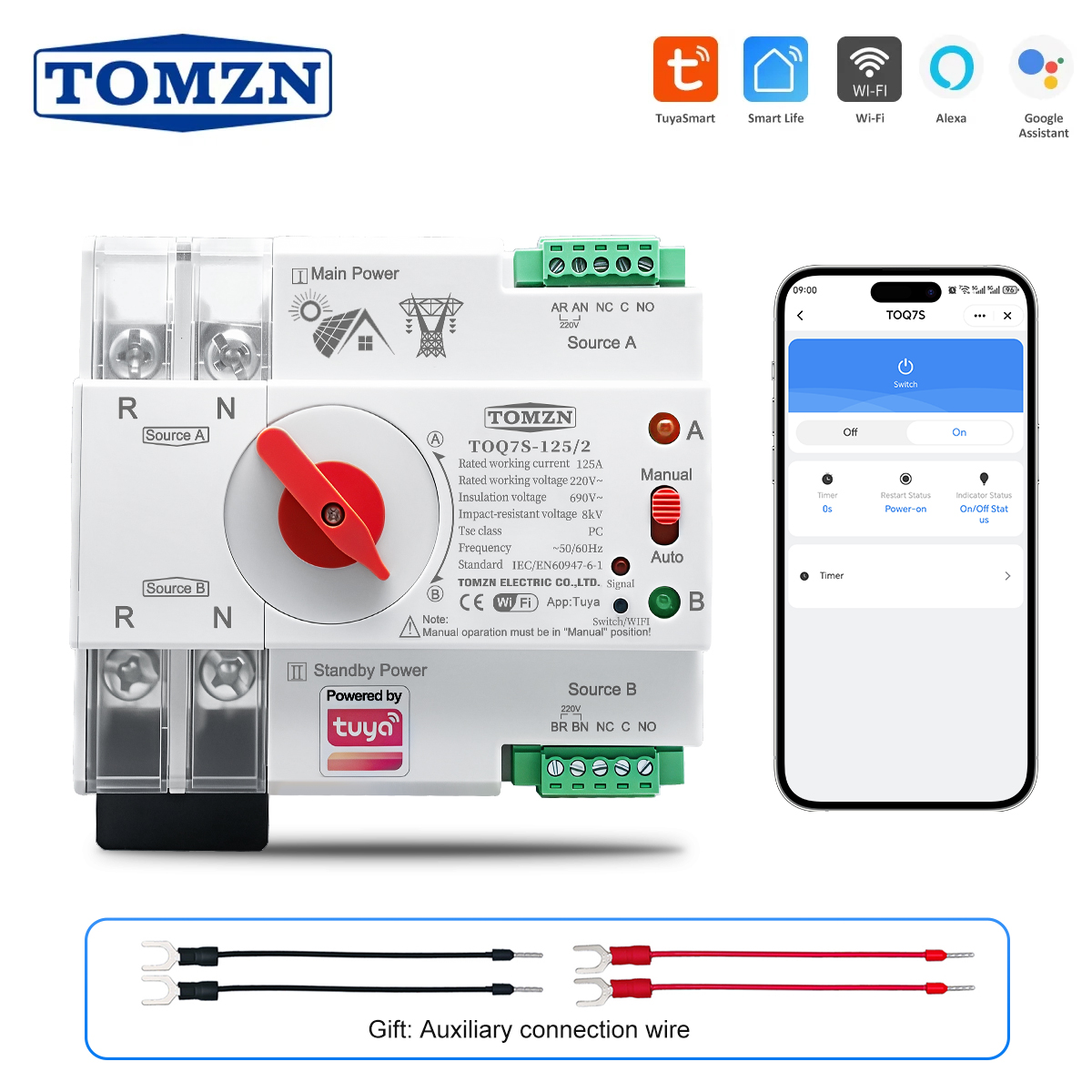
TOMZN TUYA SmartLife WIFI Smart ATS Dual Power Automatic Transfer Selector Switch Uninterrupted 2P 230V 63A 100A 125A
View Product Details →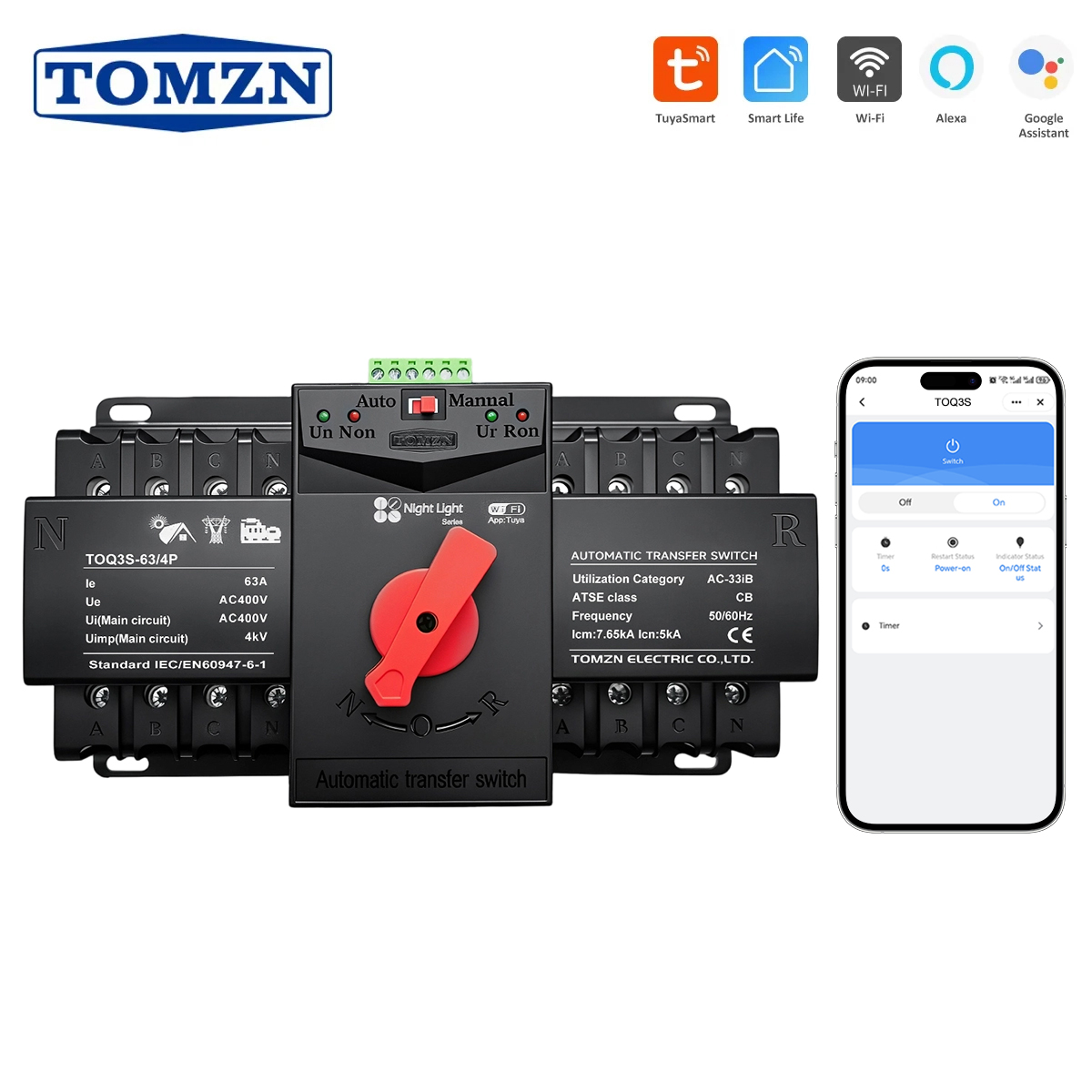
TOMZN Tuya WIFI Smart ATS 4P 63A Dual Power Automatic Transfer Switch AC220V 230V 50/60Hz MCB Type Generator Overload Protection
View Product Details →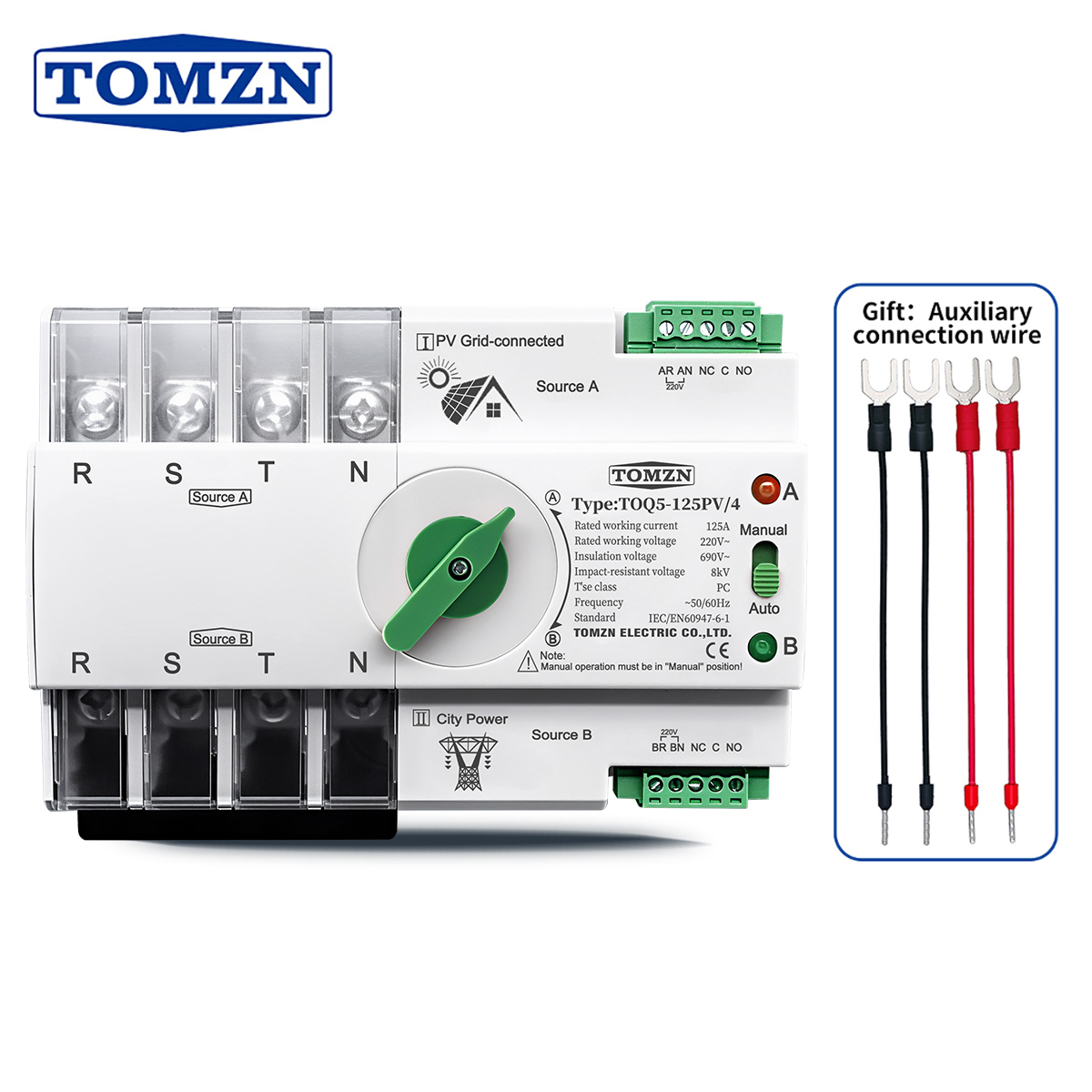
TOMZN 4P 3 Phase 4 Wire Din Rail ATS PV and Inverter Dual Power Automatic Transfer Selector Switches Uninterrupted 63A 100A 125A
View Product Details →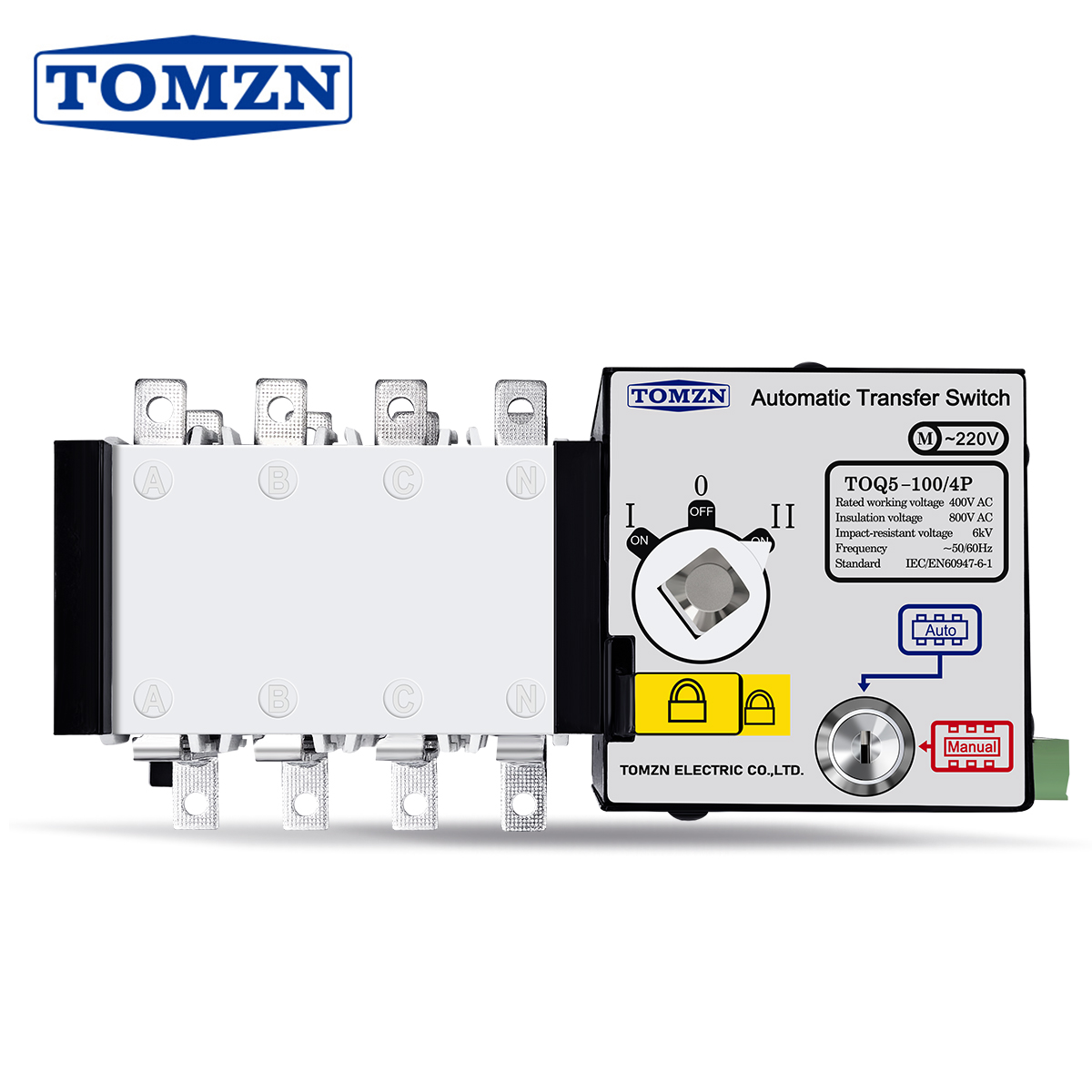
TOMZN 4P 100A ATS PC Class Automatic Transfer Switch Electrical Selector Switches AC 400V Auto or Manual 2 Input 1 Output
View Product Details →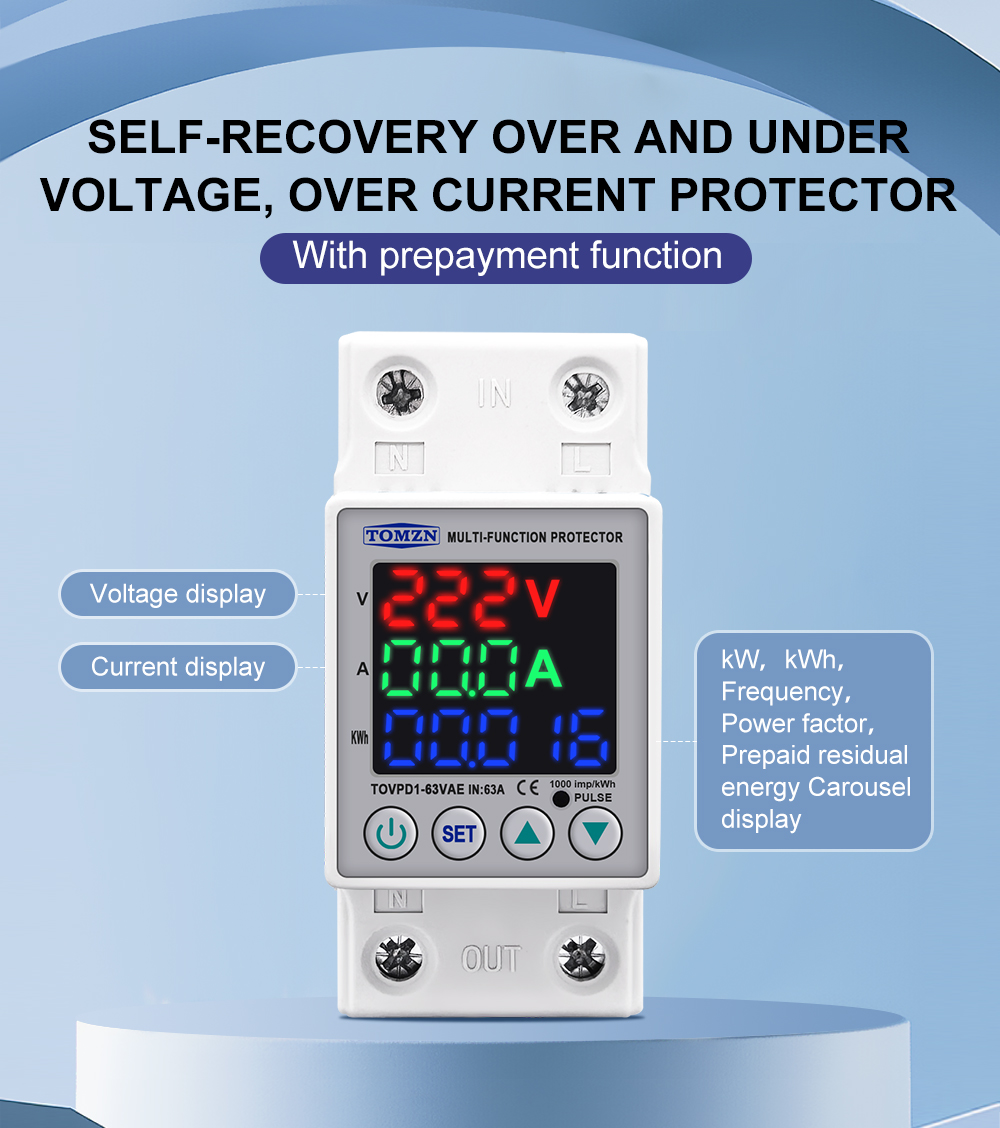
63A 230V 3IN1 Display Din Rail Adjustable Over and Under Voltage Protective Device Protector Relay With Over Current Protection
View Product Details →
TOMZN NFC Passive Intelligent Padlock Keyless No Keyway Waterproof Theft-proof Thickened Body Lock/Unlock Record Nfc Lock APP
View Product Details →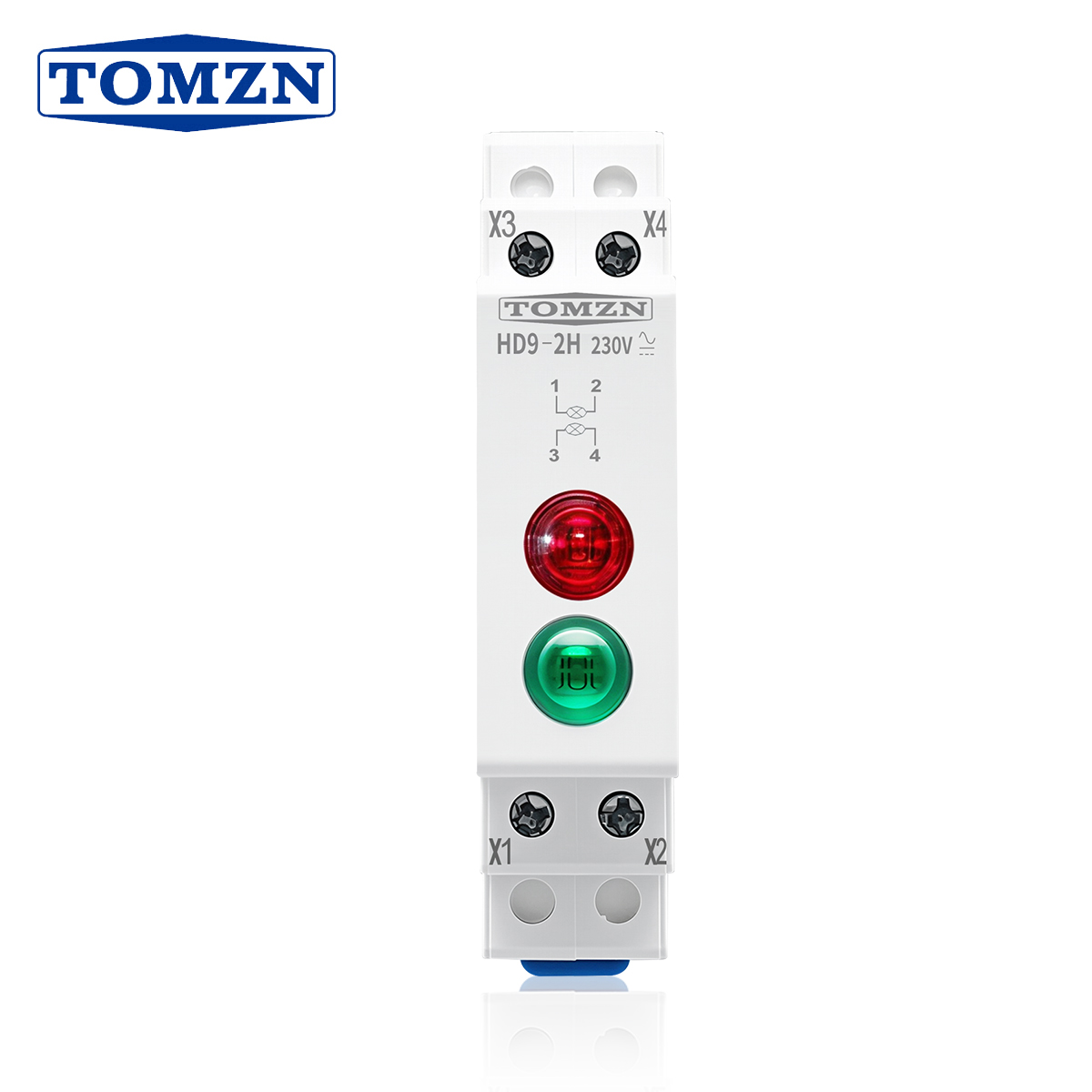
TOMZN DIN Rail HD9-2H 230V AC/DC LED 1P 18mm Signal Indicator Light Red and Green for Household
View Product Details →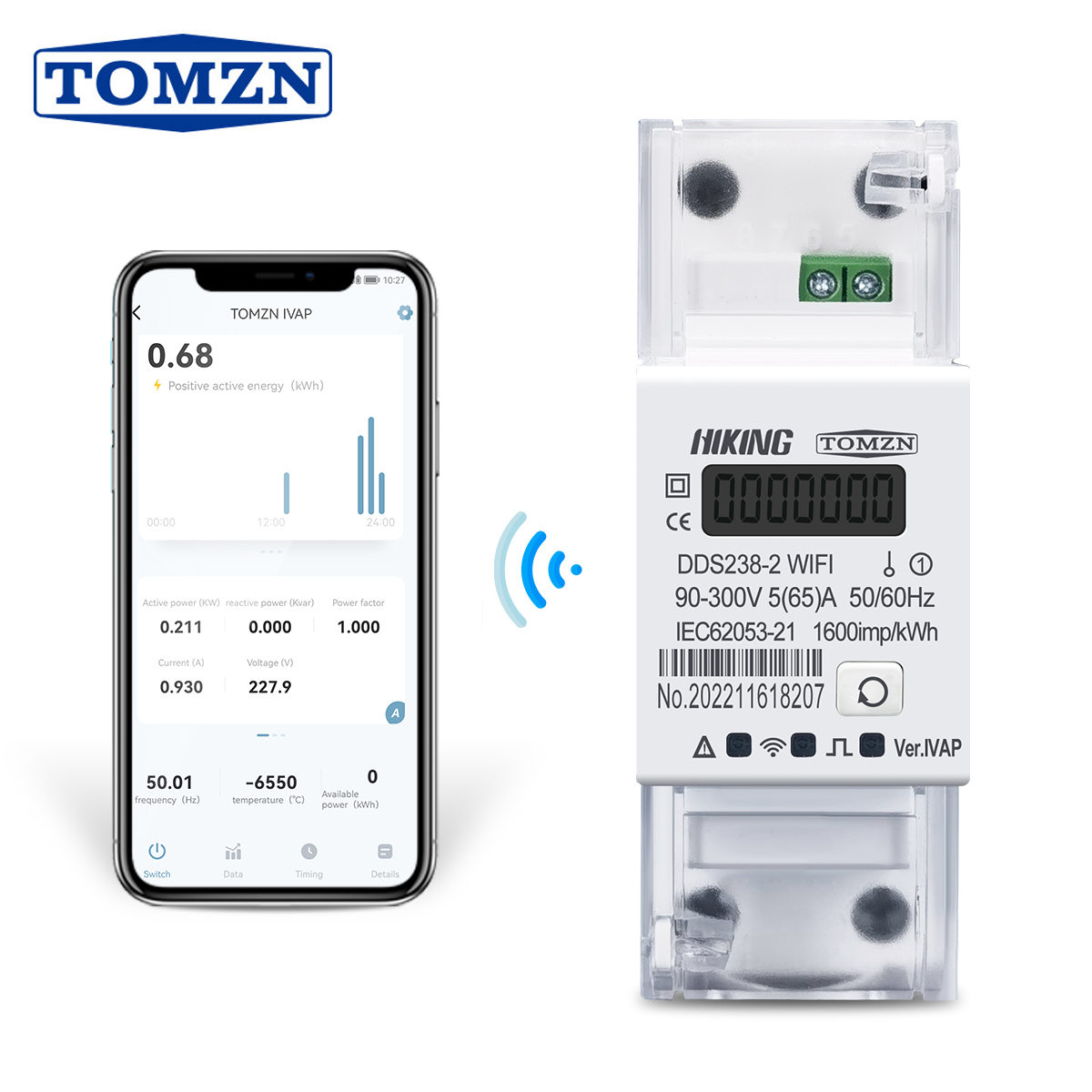
Tuya Single Phase 65A Din Rail WIFI Smart Energy Meter Timer Power Consumption Monitor kWh Meter Wattmeter 110V 220V 50/60Hz
View Product Details →Mitigating Electrical Fire Risks in Barranquilla: Technical Analysis of Arc Fault Detection
Why conventional Miniature Circuit Breakers (MCBs) and Residual Current Devices (RCDs) fail to detect dangerous series arcing in tropical coastal environments.
Barranquilla, as the industrial and logistical capital of Colombia’s Caribbean coast (Department of Atlántico), presents a uniquely hostile operating environment for low-voltage electrical infrastructure. The city experiences year-round elevated relative humidity (often exceeding 80%), intense marine salt mist deposition from the Caribbean Sea and Magdalena River, and daytime temperatures routinely scaling past 34°C. These severe environmental stress factors accelerate thermal oxidation, galvanic contact degradation, and insulation tracking across commercial, residential, and industrial wiring systems.
The Arcing Phenomenon: Series vs. Parallel Arc Faults
An electrical arc fault is a high-power discharge of electricity between two or more conductors. The discharge generates localized temperatures exceeding 6,000°C, capable of igniting surrounding conductor insulation, plastic enclosures, and structural building materials. Arc faults fall into three distinct classifications:
- Series Arc Faults: Occurs when a continuous conductor breaks (e.g., loose screw terminal in a distribution panel, cracked cable due to thermal expansion). The load current flows through a tiny air gap, generating intense localized heat without increasing overall circuit current.
- Parallel Arc Faults: Occurs due to insulation breakdown between phase and neutral conductors, or between two phase lines. The resulting current is limited by system impedance.
- Arc-to-Ground Faults: Ionized paths formed between a phase conductor and ground, which are typically cleared by residual current protection if current exceeds 30mA.
Standard protective devices installed across Atlántico—such as thermal-magnetic MCBs (IEC 60898-1) and earth-leakage RCCBs (IEC 61008-1)—are fundamentally unequipped to detect series arc faults. Because a series arc occurs in line with the load, the total circuit current never exceeds the nominal rating ($I_n$) of the circuit breaker. Therefore, thermal bi-metal strips and magnetic coils remain completely dormant while plasma fires ignite within switchboards or conduit runs.
How Modern Arc Fault Detection Devices (AFDD / AFCI) Work
An Arc Fault Detection Device (AFDD) utilizes embedded digital signal processing (DSP) and high-speed microcontrollers to continuously analyze the current and voltage waveforms of the circuit. Rather than monitoring simple current magnitude, the AFDD samples high-frequency electric noise (ranging from 10 kHz up to tens of MHz) superimposed on the fundamental 60Hz power frequency characteristic of the Colombian power grid.
Our advanced AFDD series incorporates proprietary algorithmic spectrum analysis based on IEC 62606 standards. It distinguishes between benign operational arcs (such as those generated by brush motors in air conditioning units or power tool switches) and dangerous persistent arcing signatures caused by corroded terminals or pinhole insulation failures.
| Protection Device Type | Overload Protection | Short-Circuit Protection | Ground Leakage Protection | Series Arc Fault Protection | Parallel Arc Fault Protection |
|---|---|---|---|---|---|
| Standard MCB | YES (Thermal) | YES (Magnetic) | NO | NO | Limited (Only high current) |
| RCD / RCCB / GFCI | NO | NO | YES (Earth leakage) | NO | NO (Unless arcing to ground) |
| RCBO | YES | YES | YES | NO | Limited |
| DVS / TOMZN AFDD+MCB | YES | YES | Optional Integrated | YES (Full Spectrum) | YES (Low & High Current) |
Localized Application Scenarios across Barranquilla & Caribbean Colombia
Tailored electrical safety solutions engineered to overcome regional climate challenges and grid characteristics in the Atlántico Department.
Industrial & Logistics Hubs (Zona Franca & Vía 40)
Industrial plants along Vía 40 and inside the Barranquilla Free Trade Zone operate heavy machinery, motor drives, and industrial cooling under continuous salt mist exposure. High humidity accelerates contact pitting on terminal blocks. Integrating DVS AFDD units with PC-Class 100A Automatic Transfer Switches guarantees continuous power backup while preventing catastrophic switchboard fires caused by terminal arc degradation.
Commercial Solar Microgrids & Rooftop PV Systems
With Colombia's UPME tax incentives driving solar adoption in Northern Colombia, solar installations in districts like El Prado and Riomar face unique DC arc hazards. DC current lacks a natural zero-crossing point, making DC arc extinction extremely challenging. Our combined protection panels—featuring 3-Phase PV ATS and solar DC MCBs—protect inverter DC inputs from thermal arc runaway under high irradiance conditions.
Residential Apartments & Coastal Hospitality
In coastal tourism developments near Puerto Colombia and high-density residential towers in Alto Prado, heavy air conditioning loads cause extreme thermal cycling. Copper conductors expand and contract, leading to loose neutral terminals—the leading cause of residential series arcs. Din-rail 3-in-1 adjustable voltage and arc protectors insulate luxury apartments from destructive overvoltage spikes and unseen arc ignitions.
Barranquilla Market Trends & Regulatory Compliance Landscape
Understanding local grid behaviors, RETIE regulations, and the shift toward intelligent microgrid safety in Colombia.
1. Compliance with RETIE (Reglamento Técnico de Instalaciones Eléctricas)
Colombia’s Ministry of Mines and Energy enforces strict mandatory compliance via RETIE for all electrical equipment imported and installed nationwide. Under RETIE Article 20, low-voltage components—including breakers, switchgear, automatic transfer selectors, and protective relays—must demonstrate verified compliance with IEC or NEMA standards, accompanied by accredited lab test certification. Zhejiang DVS Electric manufactures low-voltage devices carrying full CE and IEC testing compliance, facilitating smooth technical approval by local inspection bodies (e.g., CIDET, Bureau Veritas Colombia).
2. Air-e Grid Instability & The Demand for Automated Backup Switchgear
The local electrical distribution grid in Atlántico, managed by regional utility Air-e, frequently experiences severe voltage sags, brownouts, and rapid transient surges triggered by coastal lightning activity. To maintain uninterrupted operational continuity, commercial entities and high-end residences in Barranquilla are rapidly retrofitting traditional switchboards with DIN-rail Dual Power ATS switches paired with automated 3-in-1 voltage protection relays. This allows seamless automatic transfer to diesel generator backup or solar energy storage within milliseconds of grid failure.
3. Rise of IoT-Enabled Smart Metering & Remote Circuit Control
Driven by rising electricity tariffs in the Caribbean region, commercial facility managers are aggressively adopting smart IoT breakers. Integrating Tuya WiFi/SmartLife protocols directly into DIN-rail energy meters and ATS devices allows property administrators in Barranquilla to monitor real-time kWh consumption, set over-current limits, receive instantaneous arc fault alerts on mobile devices, and perform remote load shedding.
Zhejiang DVS Electric Co., Ltd. — Your Trusted Manufacturing Partner in Wenzhou
Located in Liushi Town, Wenzhou—China's world-famous low-voltage electrical manufacturing hub—Zhejiang DVS Electric Co., Ltd. brings 24 years of manufacturing heritage to global wholesalers, electrical distributors, and OEM brand owners.
- 5,700 m² Integrated Facility: Dedicated assembly, calibration, testing, and export packing lines under one roof.
- Third-Party Onsite Verified: Independently audited by world-leading inspection agencies for production capacity and QMS integrity.
- Flexible OEM & ODM Services: Custom laser printing, customized housing colorways, tailored voltage/current trip curves, and private label packaging.
- Rigorous Quality Control: Every AFDD, ATS, and voltage relay undergoes 100% automated calibration and functional trip testing prior to export container loading.

Frequently Asked Questions by Importers & Distributors in Barranquilla
Get clear, expert answers on importing low-voltage electrical protection devices from China to Colombia.
What makes your AFDD and ATS devices suitable for Barranquilla's tropical climate?
Are these electrical devices compatible with Colombia's 110V/220V 60Hz grid specifications?
How do you assist Colombian importers with customs clearance and RETIE documentation?
What is the Minimum Order Quantity (MOQ) and lead time for wholesale shipping?
Can your Tuya Smart ATS and Energy Meters be controlled remotely via smartphone?
Why choose Zhejiang DVS Electric Co., Ltd. over trading companies?
Partner with China's Premier AFDD & Electrical Protection Manufacturer
Looking to expand your electrical distribution business or secure reliable switchgear supply for solar & commercial projects in Barranquilla? Request factory-direct pricing, technical datasheets, and sample kits today.
Contact Us