Featured AC & Power Circuit Protection Solutions for the Iranian Market
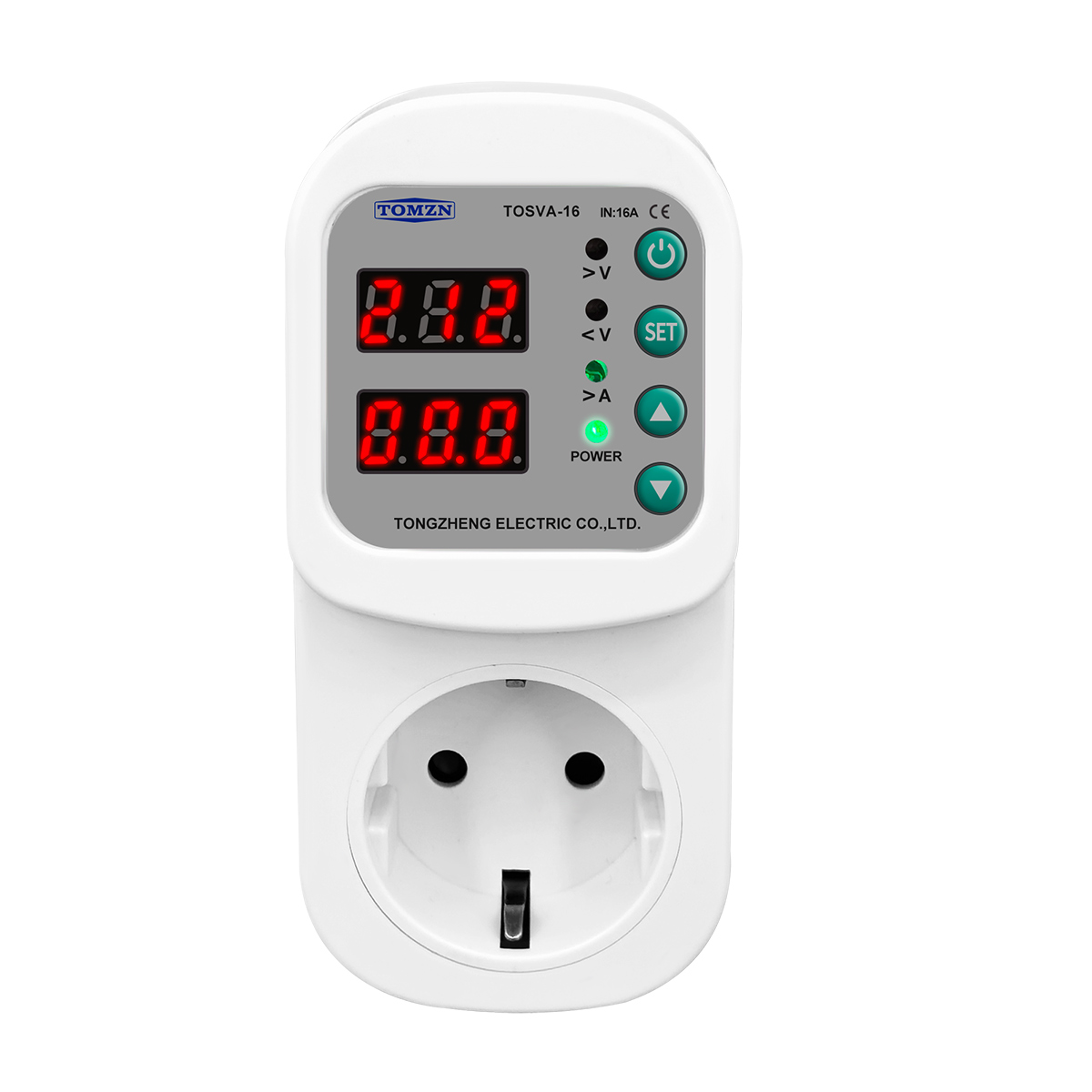
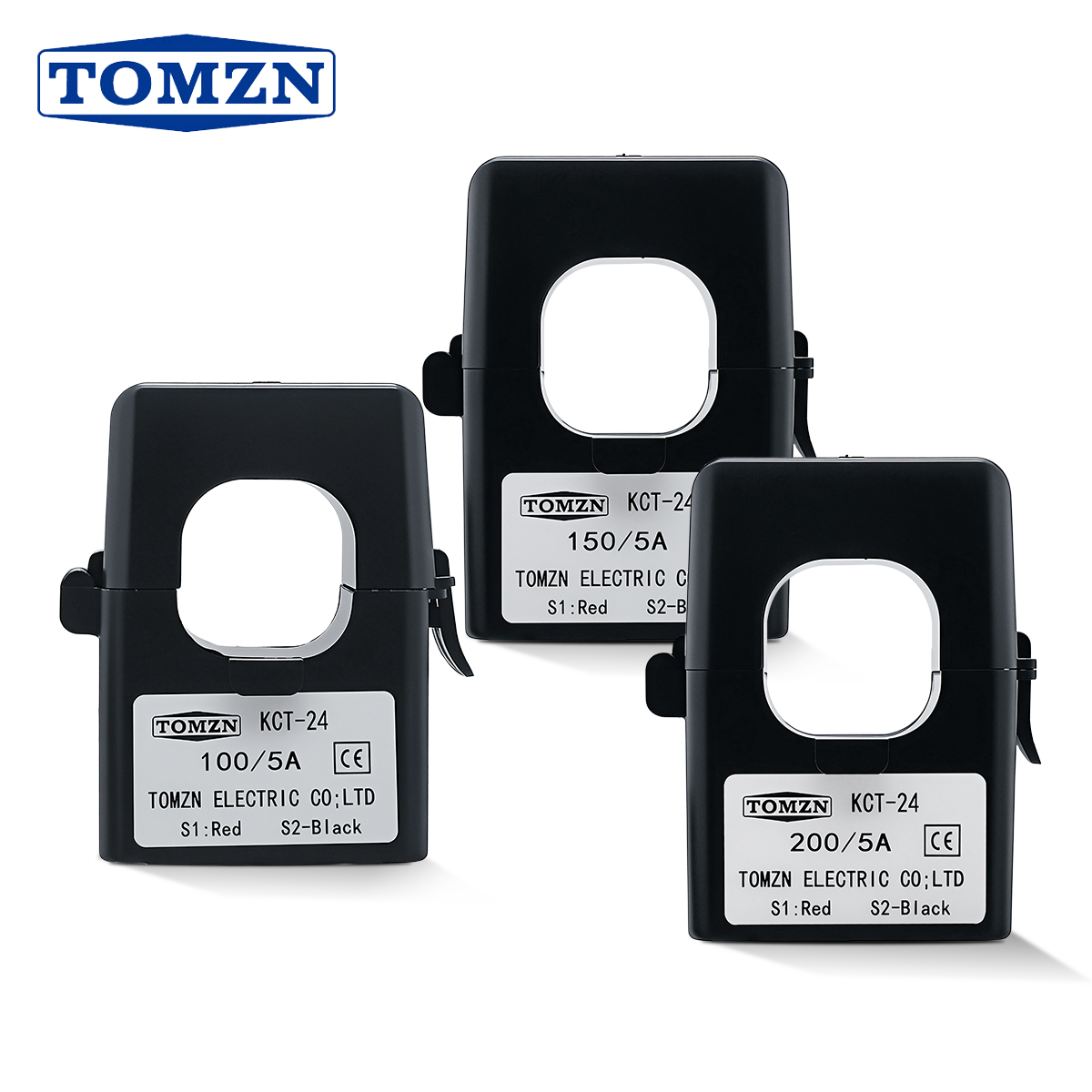
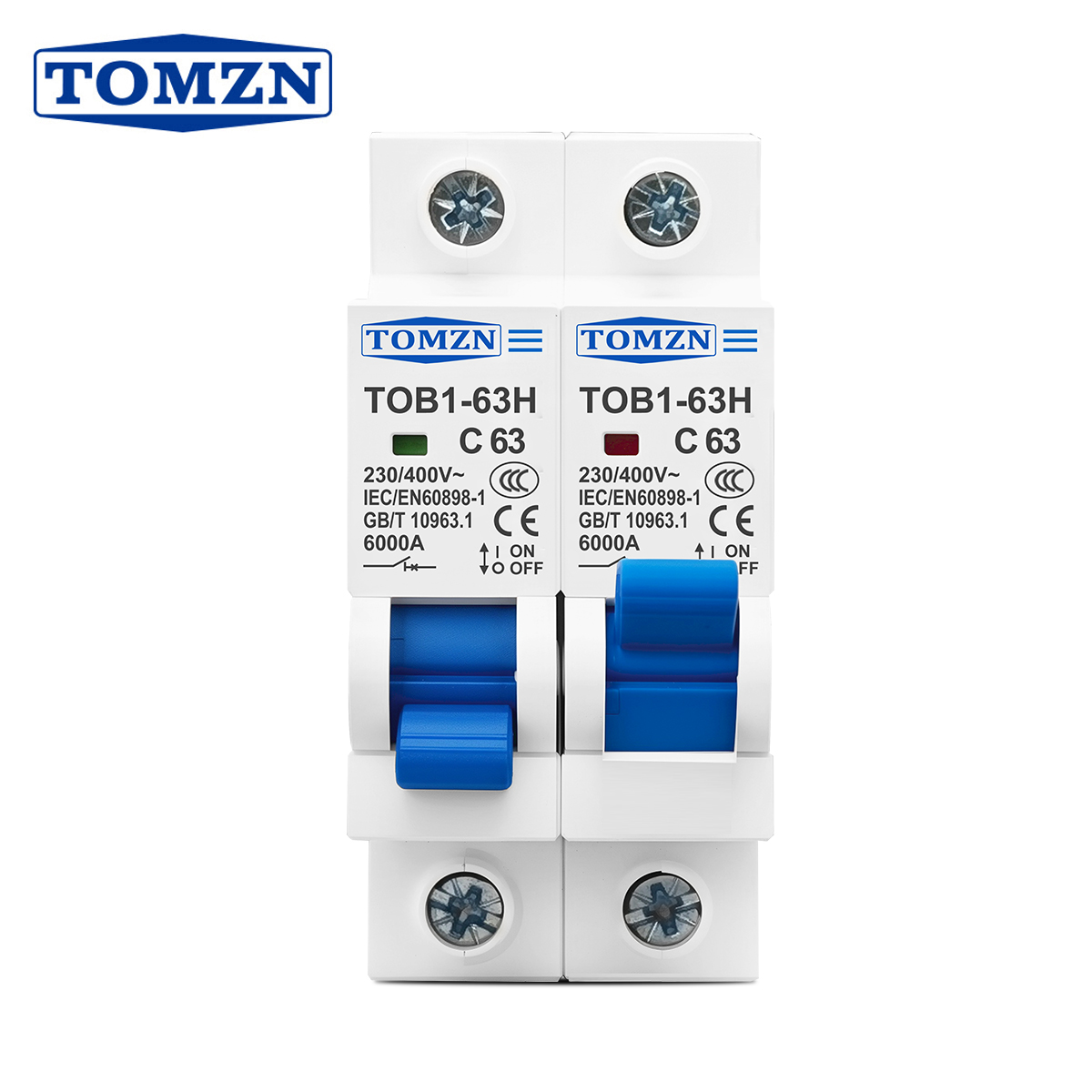
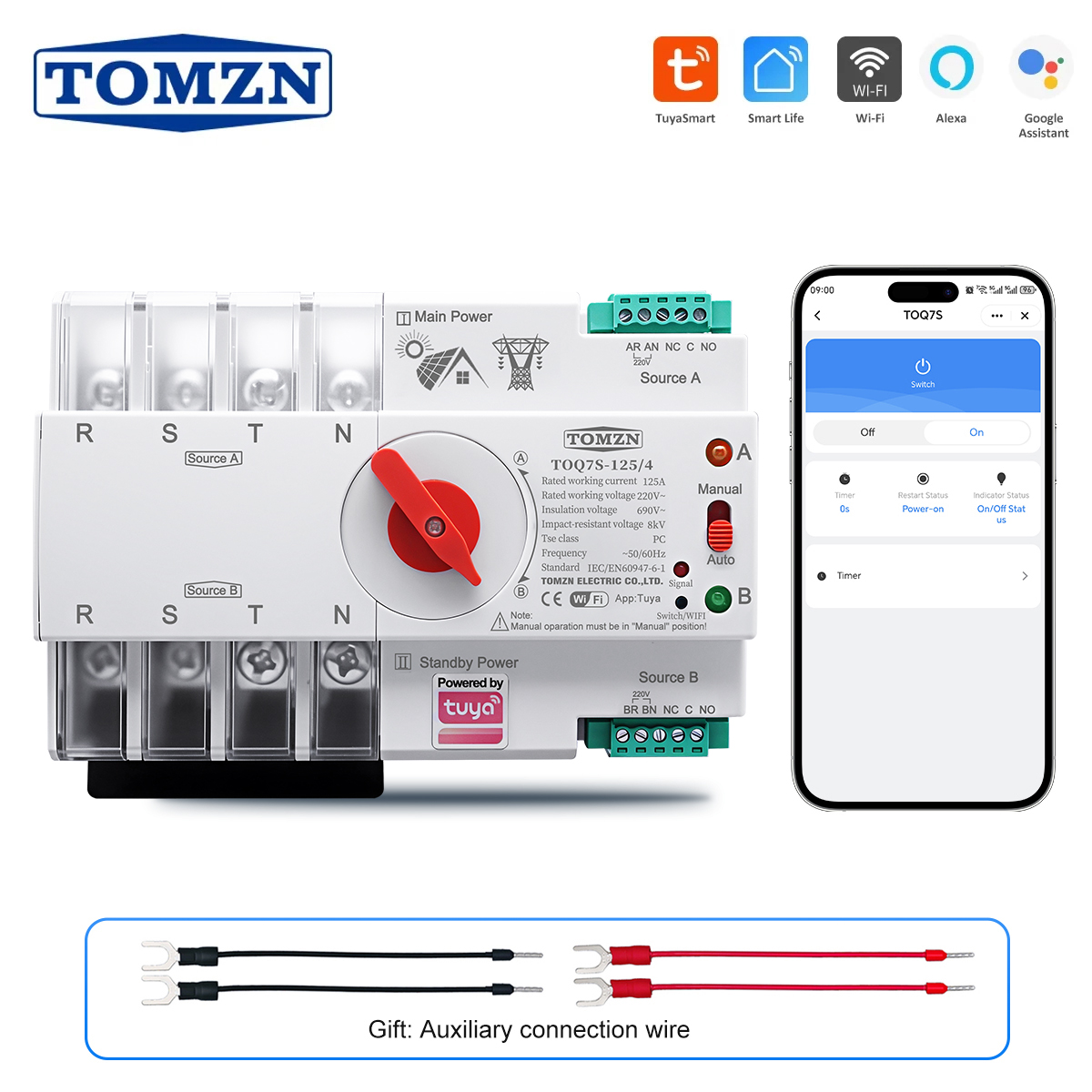
As a premier Chinese manufacturer specializing in low-voltage surge protection, circuit breakers, and automatic transfer switches, Zhejiang DVS Electric Co., Ltd. (TOMZN) supplies rigorous, CE-certified protection components tailored to Iran's unique grid conditions. Below are our core recommended models widely deployed across industrial control boards, solar installations, and commercial distribution networks in Tehran, Isfahan, Tabriz, and Shirouz.

1. Executive Overview & Technical Fundamentals: AC Lightning Arresters in Electrical Distribution
An AC Lightning Arrester (also known globally as an AC Surge Protective Device or SPD) is a vital safeguard designed to protect low-voltage electrical systems, switchboards, and sensitive electronic equipment from transient overvoltages. These voltage surges are caused either by atmospheric discharges (direct or indirect lightning strikes) or by electrical switching events within the power grid (such as inductive load switching, capacitor bank operations, or line-to-ground faults).
In the context of electrical engineering, transient overvoltages can elevate system potential from a standard nominal 230V/400V RMS to several thousand volts within microseconds ($10^{-6} \text{ seconds}$). Without proper protection, this high voltage exceeds the dielectric breakdown strength of internal component insulation, causing immediate equipment burnout, catastrophic electrical fires, or degraded operational lifespans. As a leading manufacturer based in Wenzhou, China, Zhejiang DVS Electric Co., Ltd. (TOMZN) designs AC surge protection devices that divert high-impulse current safely to the protective earth (PE) conductor, clamping the residual voltage ($U_p$) to levels well below the withstand capacity of downstream machinery.
Core Technical Principle: High-performance AC Lightning Arresters rely on heavy-duty Metal Oxide Varistors (MOVs) and high-energy Spark Gaps. Under normal continuous line voltage ($U_c$), the MOV exhibits megohm-level electrical resistance. When a high-voltage transient hits, the MOV transitions in nanoseconds ($<25\text{ns}$) into a conducting state, discharging thousands of amperes of surge current ($I_n / I_{max}$) while establishing an ultra-low clamping voltage.
Classification of AC Lightning Arresters According to IEC 61643-11 Standards
International standard IEC 61643-11 categorizes AC low-voltage surge protective devices into three distinctive classes, each engineered for specific installation points within the power distribution tree:
Class I (Type 1) - Main Service Entrance
Tested with impulse current waveform $I_{imp}$ ($10/350\ \mu\text{s}$ simulating direct lightning strikes). Installed in main distribution switchboards (MDB) where structural lightning protection rods or overhead line feeds exist. Discharge capacity up to 12.5kA–50kA per pole.
Class II (Type 2) - Sub-Distribution Panels
Tested with 8/20 $\mu\text{s}$ current waveform ($I_n$ and $I_{max}$). Installed in sub-distribution boards (SDB) downstream of Type 1 protection or in buildings without direct structural lightning threat. Standard $I_n$ ratings range from 20kA to 40kA per pole.
Class III (Type 3) - Terminal Equipment Defense
Tested with a combination voltage wave ($1.2/50\ \mu\text{s}$) and current wave ($8/20\ \mu\text{s}$). Installed directly adjacent to sensitive consumer loads, automation PLCs, servers, and medical equipment to achieve ultra-low voltage clamping ($U_p < 1.0\text{kV}$).
2. Localized Market Dynamics: Why Iranian Grid Infrastructure Demands Industrial-Grade AC SPDs
Engineering AC surge protection for the Islamic Republic of Iran requires a comprehensive understanding of the country's national electrical grid, regional environmental extremes, and unique industrial composition. Iran's power distribution topology is characterized by a mix of heavy thermal power plants, hydroelectric stations, rapidly expanding utility-scale solar installations, and vast low-voltage regional networks operated by regional distribution companies (TAVANIR).
Key Technical Challenges Facing Electrical Systems Across Iran
1. Severe Voltage Fluctuations & Sustained Temporary Overvoltages (TOV): In major urban centers such as Tehran, Mashhad, and Shiraz, as well as heavily industrial cities like Mobarakeh and Isfahan, power demand surges during hot summer months. Heavy load switching and localized transformer overload lead to voltage sags followed by severe inductive inductive spikes (TOV). Standard 275V $U_c$ rated lightning arresters imported from generic suppliers often experience premature degradation or thermal runaway due to continuous high line voltage. DVS Electric supplies optimized $U_c = 385\text{V}$ and $440\text{V}$ AC SPDs designed explicitly to withstand Iranian grid voltage harmonics without unexpected tripping or failure.
2. Harsh Desert Climate & High Thermal Degradation (Khuzestan & Southern Provinces): In regions like Ahvaz, Bandar Abbas, and Asaluyeh, summer ambient temperatures routinely exceed 50°C inside outdoor electrical cabinets. Heat accelerates the degradation of low-grade MOV zinc oxide disks. Our AC lightning arresters feature high-temperature-rated flame-retardant housings (UL94-V0) and enhanced internal thermal disconnector links with micro-soldered alloys that prevent false tripping at 70°C internal enclosure temperatures.
3. High Altitude & Mountainous Topography Insulation Derating: Significant parts of Iran, including the central plateau and northern regions near the Alborz and Zagros mountain ranges, lie at altitudes between 1,200 meters and 2,200 meters above sea level. At these elevations, reduced atmospheric pressure lowers the dielectric breakdown strength of air, increasing the risk of arcing over standard creepage distances. DVS Electric customizes creepage distances and internal clearance barriers to ensure full rating retention at high altitudes.
Engineering Parameters Matrix: Standard vs. Iran-Tuned AC Lightning Arresters
| Electrical Specification | Standard Generic AC SPD | DVS / TOMZN Iran-Spec Industrial AC SPD | Engineering Benefit for Iranian Buyers |
|---|---|---|---|
| Max Continuous Voltage ($U_c$) | 275V AC (Single Phase) | 385V AC / 440V AC | Prevents MOV thermal burnout during grid voltage spikes and neutral floats. |
| Nominal Discharge ($I_n$ 8/20$\mu$s) | 10kA - 20kA | 20kA - 40kA per pole | Doubles operational lifespan under repetitive indirect lightning strikes. |
| Max Discharge Current ($I_{max}$) | 20kA - 40kA | 40kA - 100kA per pole | Handles extreme transient surges in heavy industrial zones. |
| Response Time ($t_a$) | < 50 nanoseconds | < 25 nanoseconds | Rapid clamping protects micro-electronics and PLC controller boards. |
| Enclosure Material & Thermal Link | Standard ABS Plastic | UL94-V0 Polycarbonate + Micro-thermal fuse | Zero fire hazard under continuous elevated temperatures in Khuzestan. |
| Auxiliary Signal Contacts | Optional / Rarely included | Built-in Remote Status Dry Contact | Enables remote SCADA/PLC warning when module status changes to red. |
3. Key Application Scenarios Across Iranian Technical Projects
Our AC lightning arresters and combined surge protection panels are deployed extensively across multiple key Iranian economic sectors. Below are four primary application environments where Chinese top-tier manufacturing ensures operational continuity:
Oil, Gas & Petrochemical Plants (Asaluyeh / South Pars)
Petrochemical refining facilities require explosive-proof environment compliance, high lightning surge capacity, and resistance to hydrogen sulfide ($H_2S$) atmospheric corrosion. DVS Electric supplies encapsulated Class I+II AC SPDs with silver-alloy contacts and anti-corrosive terminal plating engineered specifically for oilfield distribution boards.
Solar PV Plant Inverter AC Outputs (Yazd & Kerman)
Iran’s vast desert solar projects encounter intense lightning strikes on open terrain. Connecting our Class II 1000V DC SPDs on the solar array side with high-capacity 400V AC SPDs on the inverter grid connection side ensures complete dual-boundary surge suppression, shielding multi-megawatt string inverters from voltage feedback destruction.
Commercial Infrastructure & High-Rise Panels (Tehran)
In commercial towers and residential complexes across Tehran and Karaj, power stability is crucial for elevator drives, HVAC chillers, and fire safety systems. Integrating TOMZN DIN-rail modular AC lightning arresters inside floor distribution cabinets provides invisible, automatic protection against grid transients.
Manufacturing & Heavy Machinery Control (Tabriz & Mobarakeh)
Automated manufacturing plants equipped with CNC machines, robotic arms, and variable frequency drives (VFDs) generate significant switching transients. Installing Class II and Class III SPDs right at the machine control input safeguards sensitive digital microcontrollers from micro-spikes and electrical noise.
4. Why Partner with Zhejiang DVS Electric Co., Ltd. (TOMZN) for Iranian B2B Procurement
Selecting an electrical protection supplier is a direct commitment to asset safety and operational uptime. As an established Chinese manufacturer with over 24 years of specialized low-voltage engineering experience, Zhejiang DVS Electric Co., Ltd. provides distinct competitive advantages for Iranian B2B importers, electrical wholesalers, panel builders, and project contractors:
Factory Direct Source: Based in Liushi Town, Wenzhou—China's low-voltage electrical capital—our 5,700 m² facility houses integrated R&D, automated assembly lines, high-impulse testing labs, and rigorous quality inspection stations. By eliminating intermediary trading companies, we deliver direct factory pricing and total quality accountability.
Our core enterprise advantages include:
- Verified Manufacturing Authority: Our plant and trade capabilities have undergone rigorous on-site audit and verification by world-leading independent third-party inspection firms.
- Full Compliance Certifications: Product lines carry CE marking, ISO 9001 quality system compliance, and third-party type test reports (available upon request for customer customs clearance).
- Custom OEM/ODM Branding: We support custom silk-screen logo printing, private-label packaging design, custom housing color molding, and special voltage/current calibration tailored to your market needs.
- Seamless Trade & Logistics Support: Extensive export experience ensures smooth logistics handling, custom documentation, container loading, and efficient shipping to major destination hubs serving the Iranian region (such as Bandar Abbas).
- Modular & Plug-and-Play Design: Our AC SPDs feature replaceable MOV plug-in cartridges. When a module reaches its end-of-life after repeatedly arresting extreme surges, maintenance engineers can swap the cartridge instantly without disconnecting the panel wiring.
5. Frequently Asked Questions (FAQ) for Sourcing AC Lightning Arresters in Iran
Below are technical and commercial answers to the most common questions raised by Iranian electrical engineers, procurement managers, and importers when sourcing Chinese AC lightning arresters:
• 1P / 2P: Ideal for single-phase 230V AC circuits (Line + Neutral or Line + Earth).
• 3P: Designed for three-phase 400V TN-C systems (3 Lines, combined PEN conductor).
• 4P (or 3P+N): Essential for three-phase 400V TN-S and TT systems requiring complete isolation between 3 Lines, Neutral, and Earth to eliminate neutral ground potential rise during lightning discharges.
Partner with China's Premier AC Protection Manufacturer Today
Direct factory pricing, custom voltage specifications, and proven reliability for Iran's industrial, residential, and renewable power infrastructure.
