Featured Solar & Low-Voltage Protection Catalogue
Explore our factory-direct low-voltage protection devices engineered for commercial, residential, and utility-scale solar PV applications. Certified under rigorous IEC/EN international standards, our circuit breakers and transfer switches deliver maximum operational safety and longevity.
Zhejiang DVS Electric Co., Ltd. — Enterprise Authority & Factory Advantages
Established in Liushi Town, Wenzhou—China’s premier electrical engineering hub—Zhejiang DVS Electric Co., Ltd. brings over two decades of specialized expertise in low-voltage electrical protection, energy monitoring, and automatic power switching systems. Our facility operates on rigorous ISO9001 management principles to guarantee absolute consistency across high-volume wholesale production runs.
Spanning a modern 5,700 m² manufacturing floor, our plant houses fully automated assembly lines, magnetic blowout calibration chambers, instantaneous short-circuit impulse test rigs, and environmental aging chambers. Every single DC circuit breaker and ATS unit undergoes 100% full-load tripping and switching verifications prior to export packaging.
We empower international distributors, solar EPC contractors, and brand owners through flexible OEM/ODM partnerships. From custom laser-etched branding, specific thermal-magnetic curve calibration (B, C, D curves), custom housing colors, to bespoke packaging—DVS Electric ensures complete alignment with regional market demands across Europe, South America, the Middle East, and Southeast Asia.
Engineering Whitepaper: The Physics & Criticality of Solar DC Circuit Breakers
In renewable energy infrastructures, particularly solar Photovoltaic (PV) installations and Battery Energy Storage Systems (BESS), circuit protection operates under significantly harsher conditions than standard AC power grids. Achieving reliable circuit breaking requires an in-depth understanding of high-voltage direct current behavior, arc quenching mechanics, and environmental derating factors.
1. High-Voltage DC Arc Extinction Arc Chute Engineering
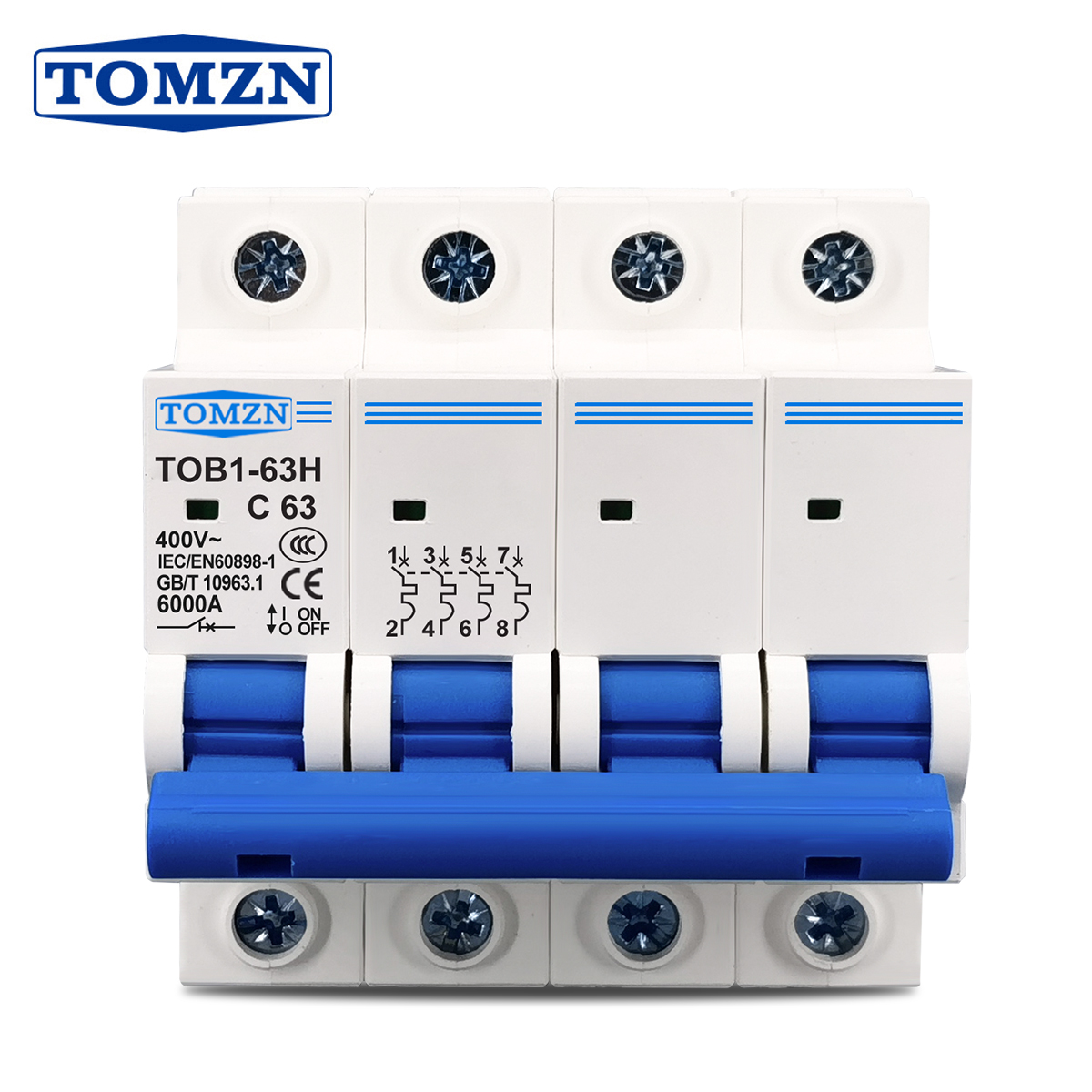
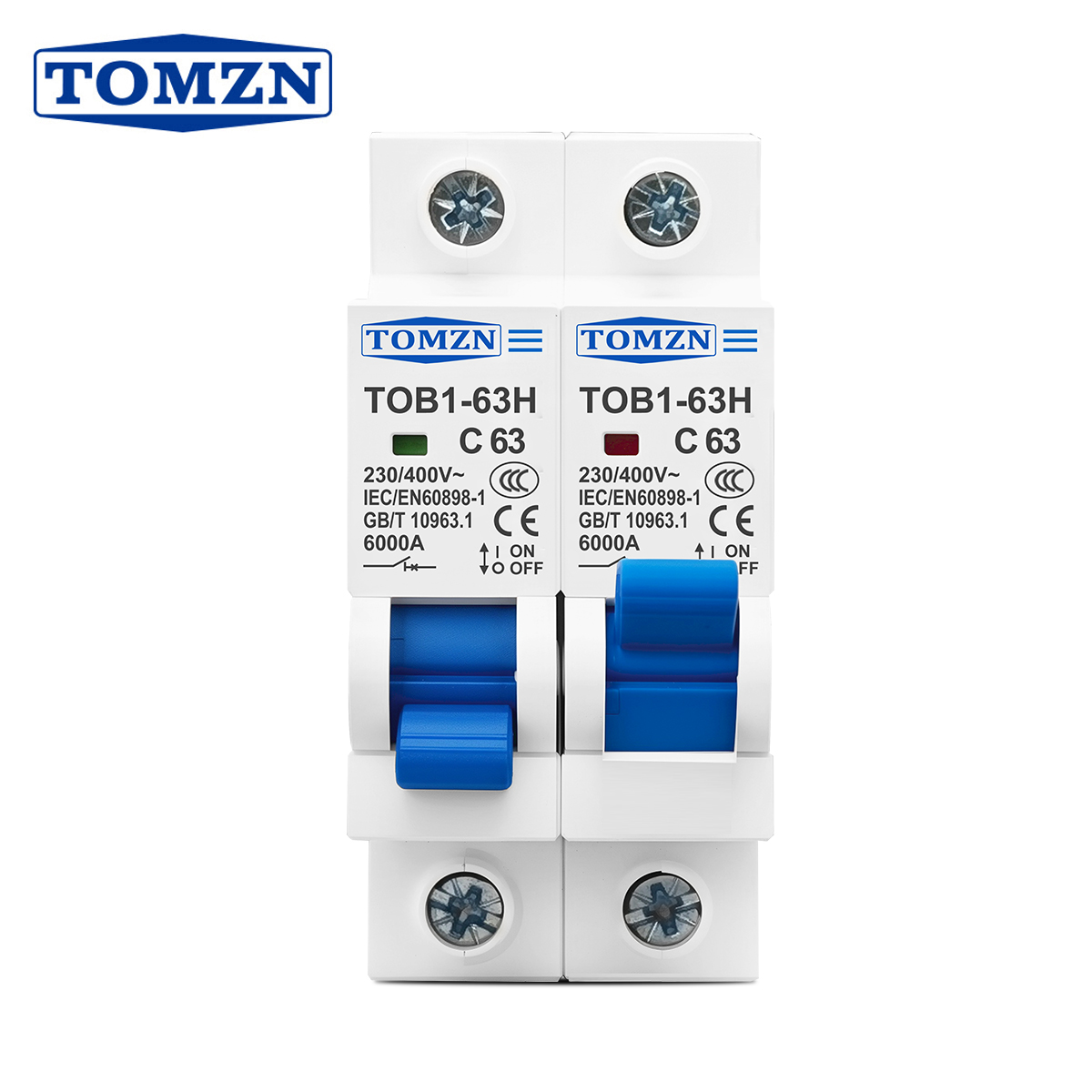
Our proprietary DC Miniature Circuit Breakers (MCBs) and Molded Case Circuit Breakers (MCCBs) incorporate specialized internal arc chutes equipped with multi-grid splitter plates and permanent magnetic blowout field generators. When contacts separate under fault conditions, the magnetic field forces the plasma arc laterally into the de-ionizing arc chute.
Inside the chute, the sustained arc is split into numerous smaller arc segments, drastically increasing the arc voltage ($V_{arc}$) until it exceeds the system's operating voltage ($V_{system}$), resulting in instantaneous arc extinction in under 10 milliseconds ($<10\text{ms}$).
2. Critical Parameter Selection Guide for Photovoltaic Protection
System design engineers and B2B procurement managers must strictly evaluate the following critical parameters when specifying solar circuit breakers for PV string boxes and central inverters:
- Rated Operational Voltage ($U_e$): The maximum continuous DC voltage the breaker can safely isolate. Solar strings must account for the maximum open-circuit voltage ($V_{oc}$) at minimum expected ambient temperature ($V_{oc\_max} = V_{oc\_stc} \times [1 + \alpha_{Voc}(T_{min} - 25)]$).
- Ultimate Short-Circuit Breaking Capacity ($I_{cu}$): Tested according to IEC 60947-2, this represents the absolute maximum short-circuit fault current the breaker can interrupt without permanent explosive destruction.
- Service Short-Circuit Breaking Capacity ($I_{cs}$): The fault current level the circuit breaker can interrupt repeatedly while remaining fully functional for continued operational service (typically 75% to 100% of $I_{cu}$).
- Non-Polarity vs. Polarity Sensitive Designs: Advanced DVS DC MCBs utilize non-polar arc quenching technology, eliminating installation hazards where bi-directional power flow occurs during battery charging/discharging cycles.
B2B Engineering Decision Matrix: Breaker Selection by Application
| Application Scope | Recommended Device Category | Rated Voltage ($U_e$) | Recommended Trip Curve | Key Compliance Standard |
|---|---|---|---|---|
| PV Rooftop Array Strings | DC Miniature Circuit Breaker (MCB) | DC 500V - 1000V | C Curve (7-10 $I_n$) | IEC 60947-2 / EN 60947-2 |
| Commercial PV Combiner Box | DC MCCB / Photovoltaic Fuses | DC 1000V - 1500V | B / C Curve Adjustable | IEC 60947-2 / UL 489B |
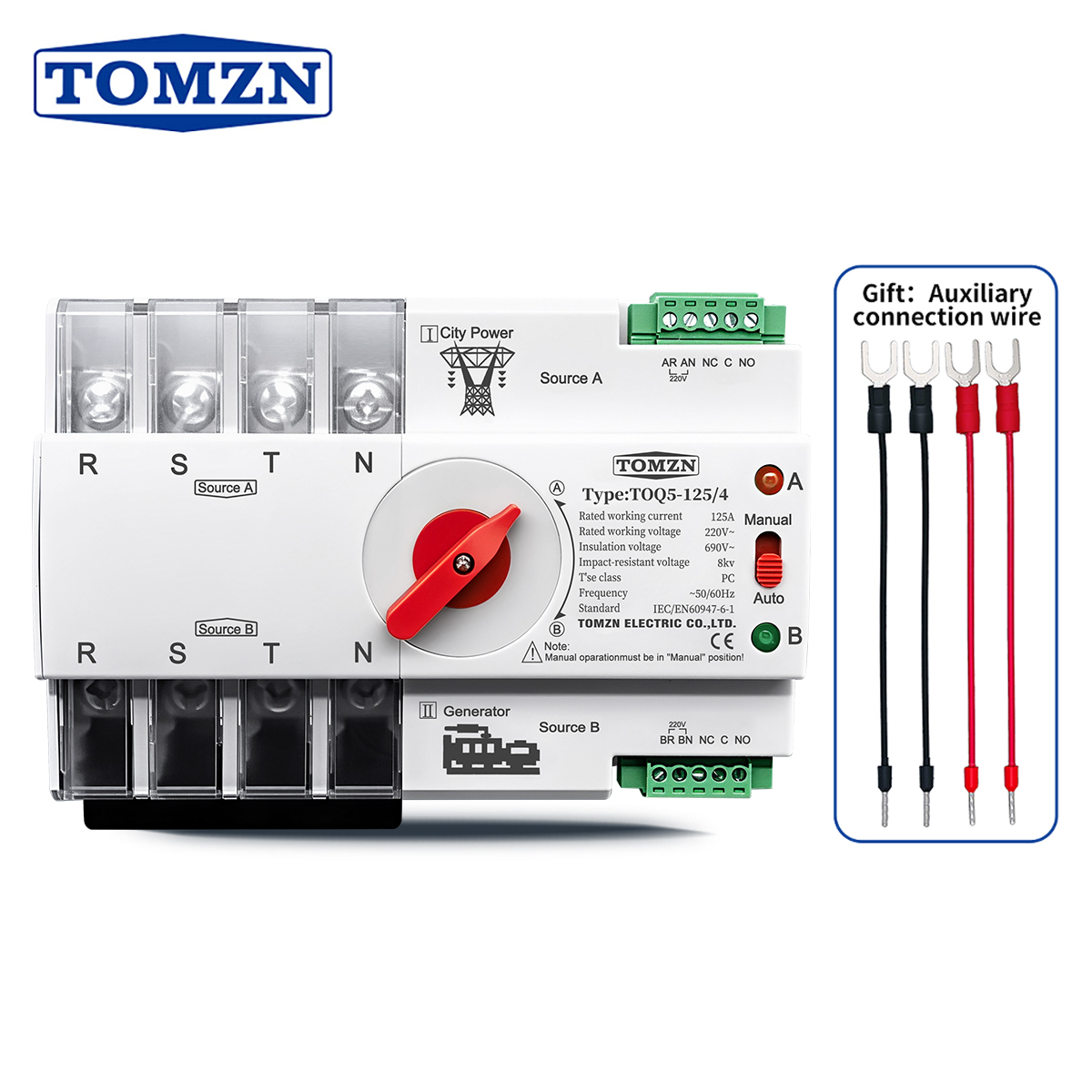
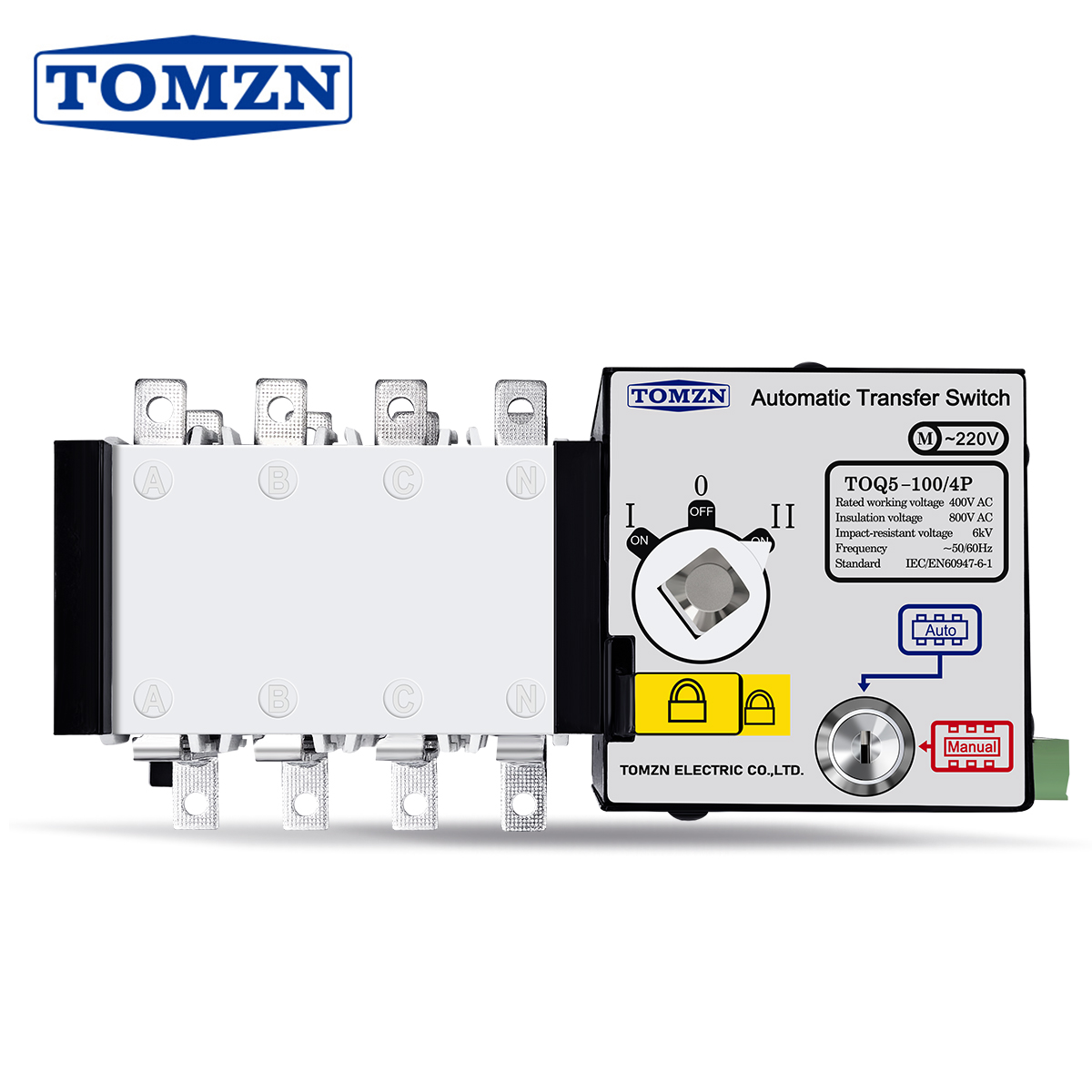
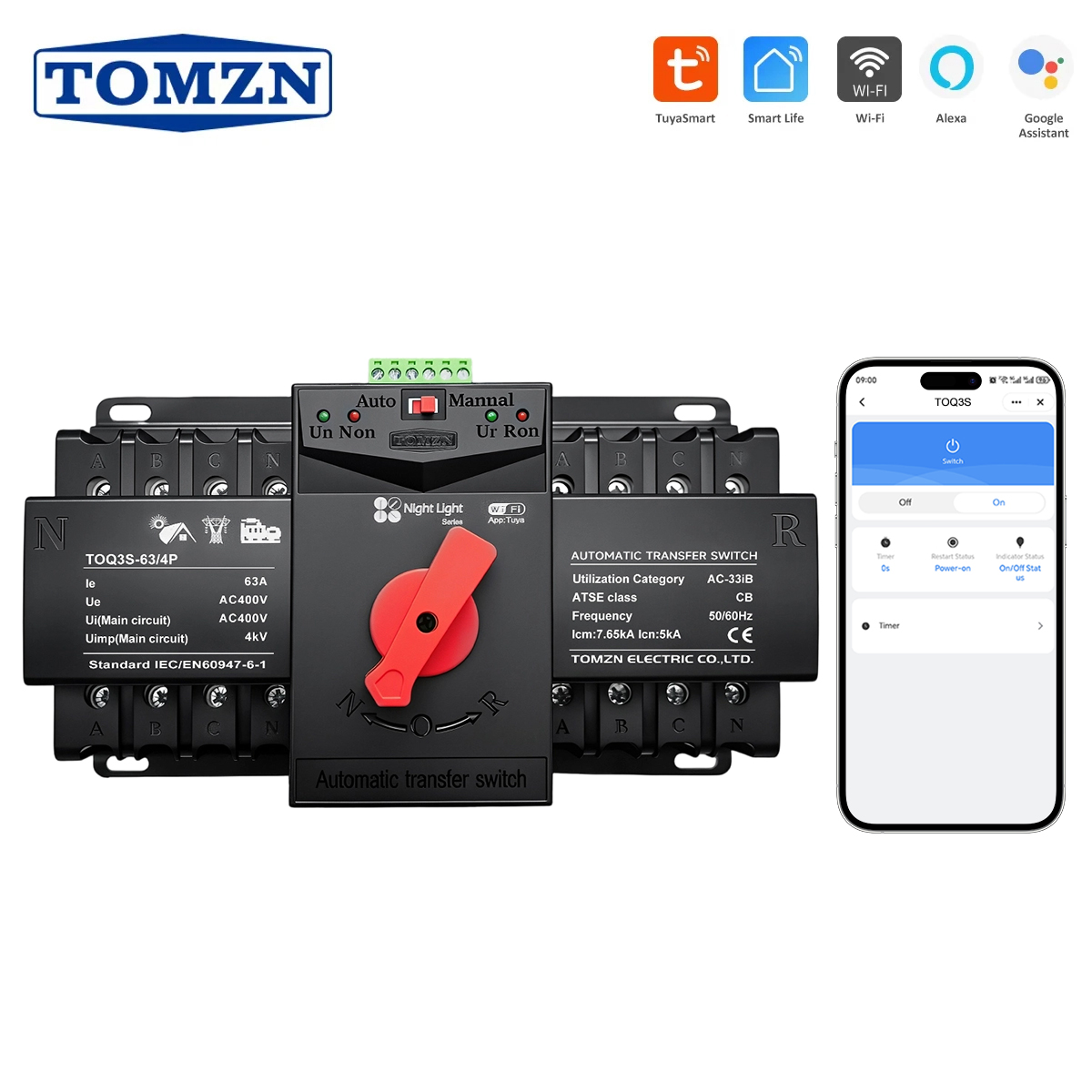
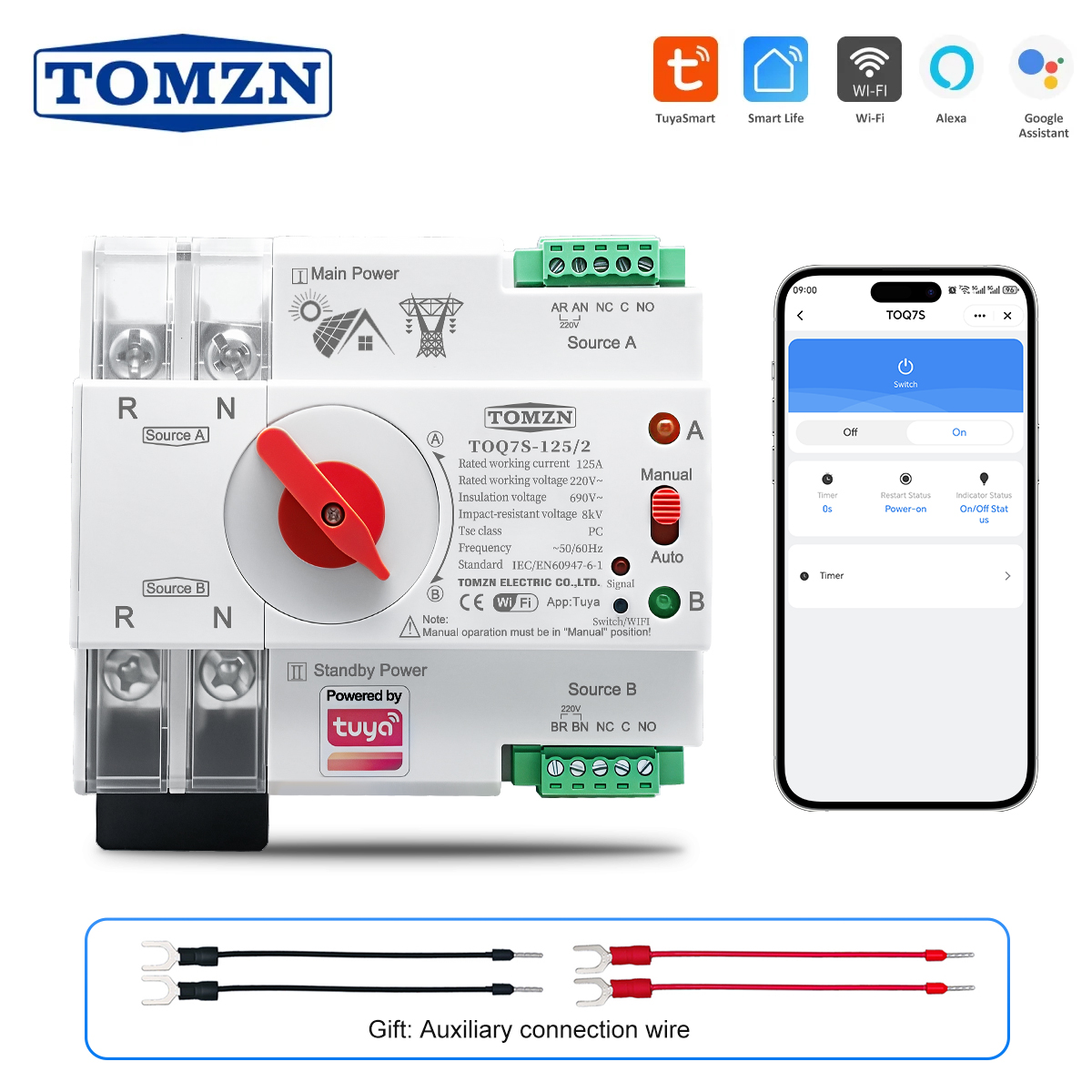
| Grid-Tied Transfer Switching | Dual Power ATS (PC Class / CB Class) | AC 230V / 400V | Instantaneous Motorized | IEC 60947-6-1 |
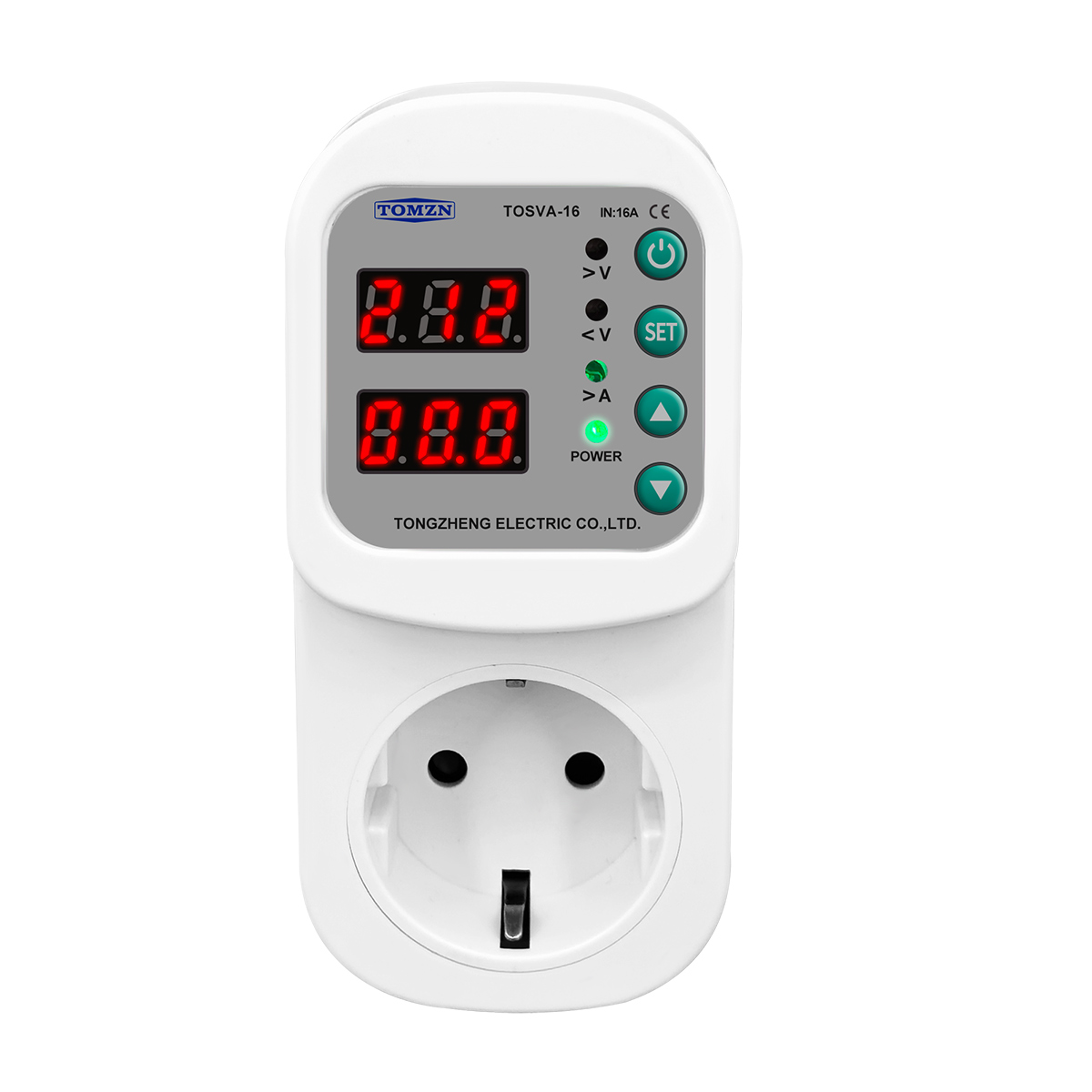
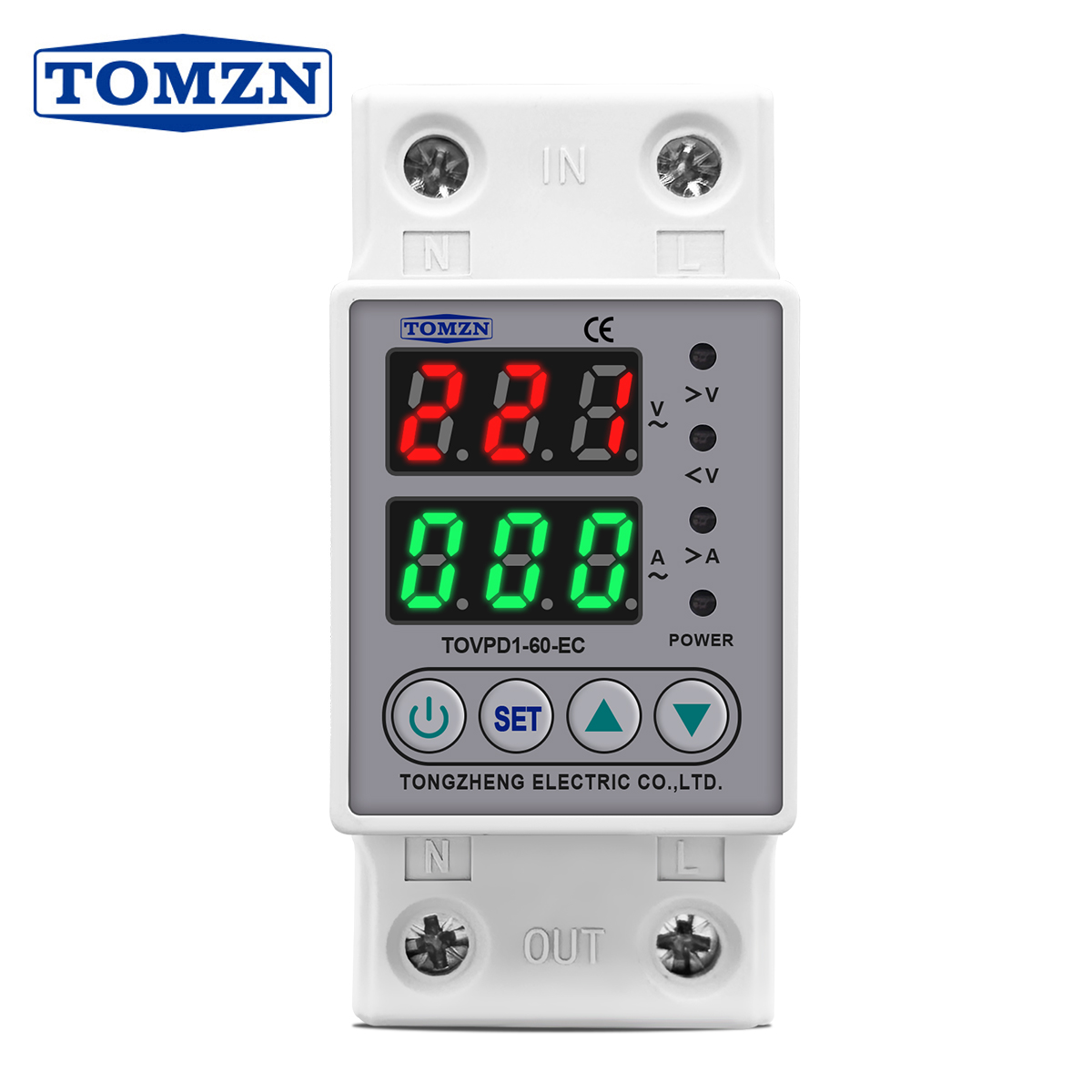
| Residential Grid Protection | Over/Under Voltage Protector Relay | AC 110V - 230V | Microprocessor Electronic | IEC 60255 / EN 61000-6 |
| Smart Home / Energy Management | WiFi Smart Energy Metering Breaker | AC 110V - 240V | Electronic Remote + Thermal | IEC 60898-1 / IEEE 802.11b/g/n |
Future Sourcing & Procurement Trends in Solar Circuit Breakers (2025–2030)
As global net-zero targets accelerate decarbonization, solar PV and energy storage technologies are undergoing massive structural shifts. Global B2B buyers, wholesalers, and EPC engineering directors must align their procurement strategies with four key emerging industry trends:
1. Transition to 1500V DC Architecture
Utility-scale PV installations have rapidly shifted from 1000V DC to 1500V DC operating topologies to reduce Balance of System (BOS) wiring costs, reduce ohmic line losses ($I^2R$), and increase string length. Wholesalers must stock circuit protection devices rated for 1500V DC with enhanced clearance/creepage distances and flame-retardant V-0 grade polyamide housing insulation.
2. Smart IoT Integration & Real-Time Telemetry
Traditional passive breakers are giving way to smart breakers integrated with IoT protocol stacks (Tuya, SmartLife, RS485 Modbus, Zigbee). Modern commercial buyers demand real-time voltage, current, temperature, and kWh consumption telemetry paired with cloud-enabled remote trip/reset control to minimize field maintenance O&M expenditure.
3. Hybrid Renewable & BESS Coupling
The rapid expansion of distributed Battery Energy Storage Systems (BESS) requires circuit breakers to handle bidirectional current flow and ultra-high fault currents associated with lithium-ion battery discharge rates. Modern DC breakers require non-polarized magnetic blowouts capable of handling reverse power injection seamlessly.
Technological Development & Innovation Roadmap
To maintain a technological edge, Zhejiang DVS Electric is driving R&D efforts focused on material science, solid-state circuit breaking, and arc fault circuit detection (AFCI).
Solid-State Circuit Breakers (SSCB)
Traditional mechanical contacts suffer from contact erosion and arc wear over high switching cycles. SSCBs utilize power semiconductors (IGBTs or SiC MOSFETs) to disconnect microsecond-level fault currents without physical mechanical movement, eliminating electrical arcs entirely and extending device longevity exponentially.
Arc Fault Detection (AFCI) Integration
Series and parallel arc faults represent a primary fire hazard in aging solar arrays. Next-generation DVS breaker modules integrate high-frequency DSP microprocessors that analyze current wave signatures to detect micro-arcing before thermal fires materialize, instantly isolating damaged PV strings.
Silver-Alloy Contact Engineering
By utilizing advanced AgCdO (Silver Cadmium Oxide) and AgZnO (Silver Zinc Oxide) contact point metallurgy, DVS circuit breakers achieve exceptionally low contact resistance ($<0.5\text{ m}\Omega$), suppressing internal thermal heating under continuous full-load operating conditions in warm climates.
Frequently Asked Questions (FAQ) for B2B Importers & Engineers
Essential answers to technical, operational, and commercial sourcing inquiries for international importers, distributors, and engineering contractors.
Why must DC-rated MCBs be used in solar PV systems instead of standard AC MCBs?
Are Zhejiang DVS Electric circuit breakers polar or non-polar?
What certifications and test reports are available for custom OEM orders?
How do high ambient temperatures affect solar circuit breaker rating (Thermal Derating)?
What is the Minimum Order Quantity (MOQ) and lead time for wholesale and OEM orders?
What is the functional difference between PC Class and CB Class Automatic Transfer Switches (ATS)?
How do adjustable over/under voltage protection relays safeguard sensitive electronics?
Can Tuya WiFi Smart Breakers function manually if internet connectivity drops?
Partner with China’s Leading Solar Protection Factory
Looking for engineering-grade DC circuit breakers, ATS transfer switches, or custom OEM manufacturing? Get direct access to factory-direct wholesale pricing, technical datasheets, and sample evaluations today.
