Featured Photovoltaic Protection & Switchgear Series
Direct factory sourcing for high-performance DC MCBs, Smart Automatic Transfer Switches (ATS), and DIN-rail protective equipment engineered for residential, commercial, and utility solar arrays.
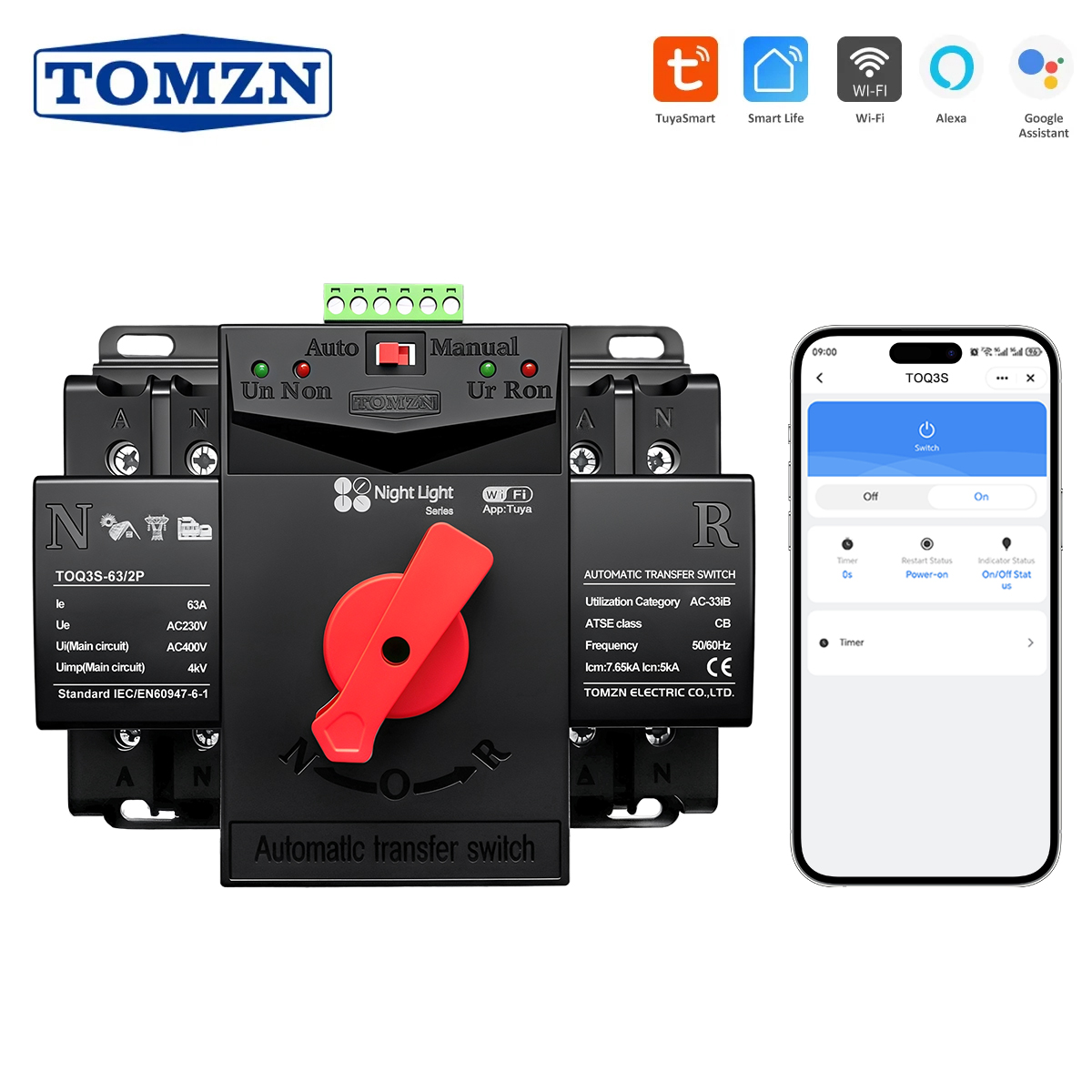
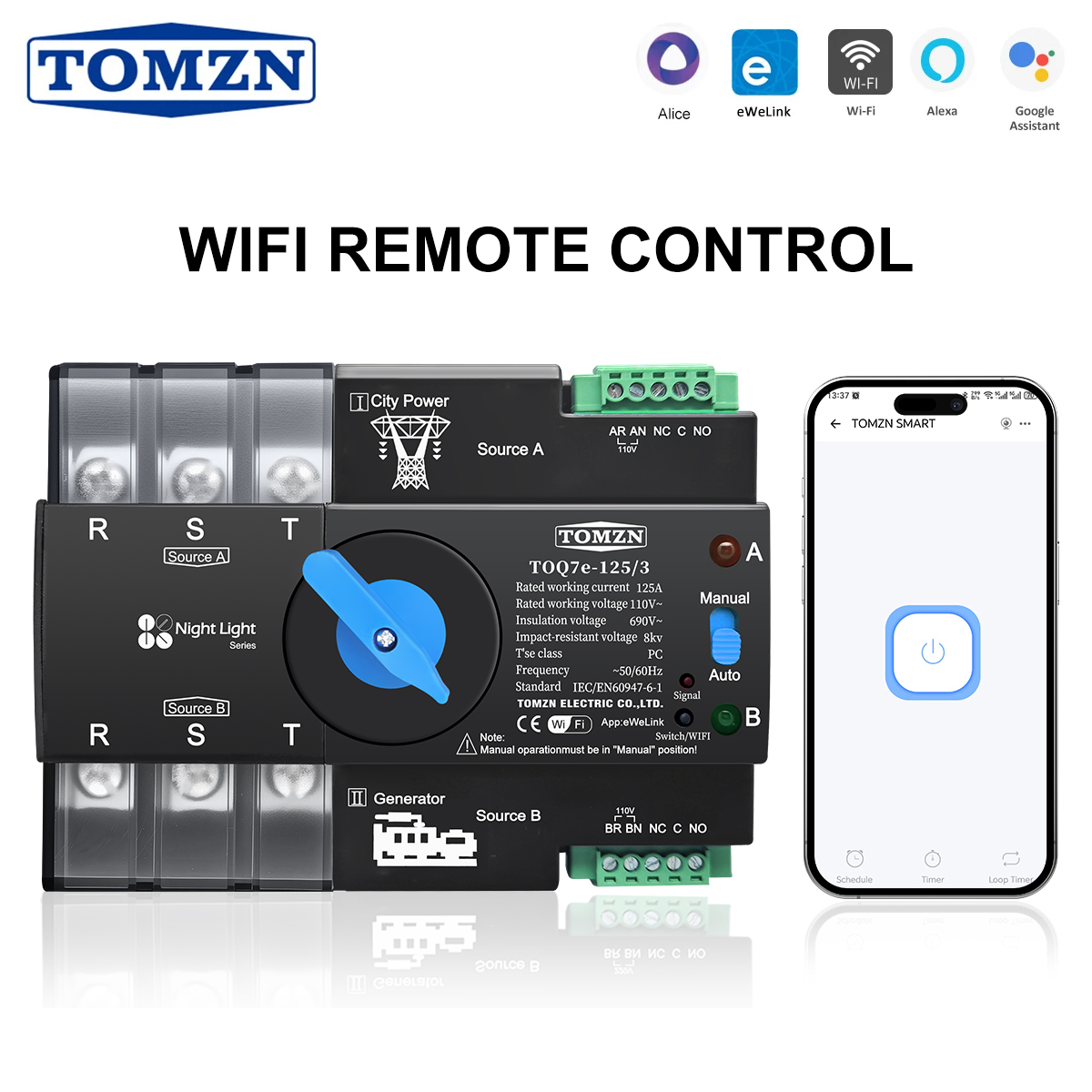
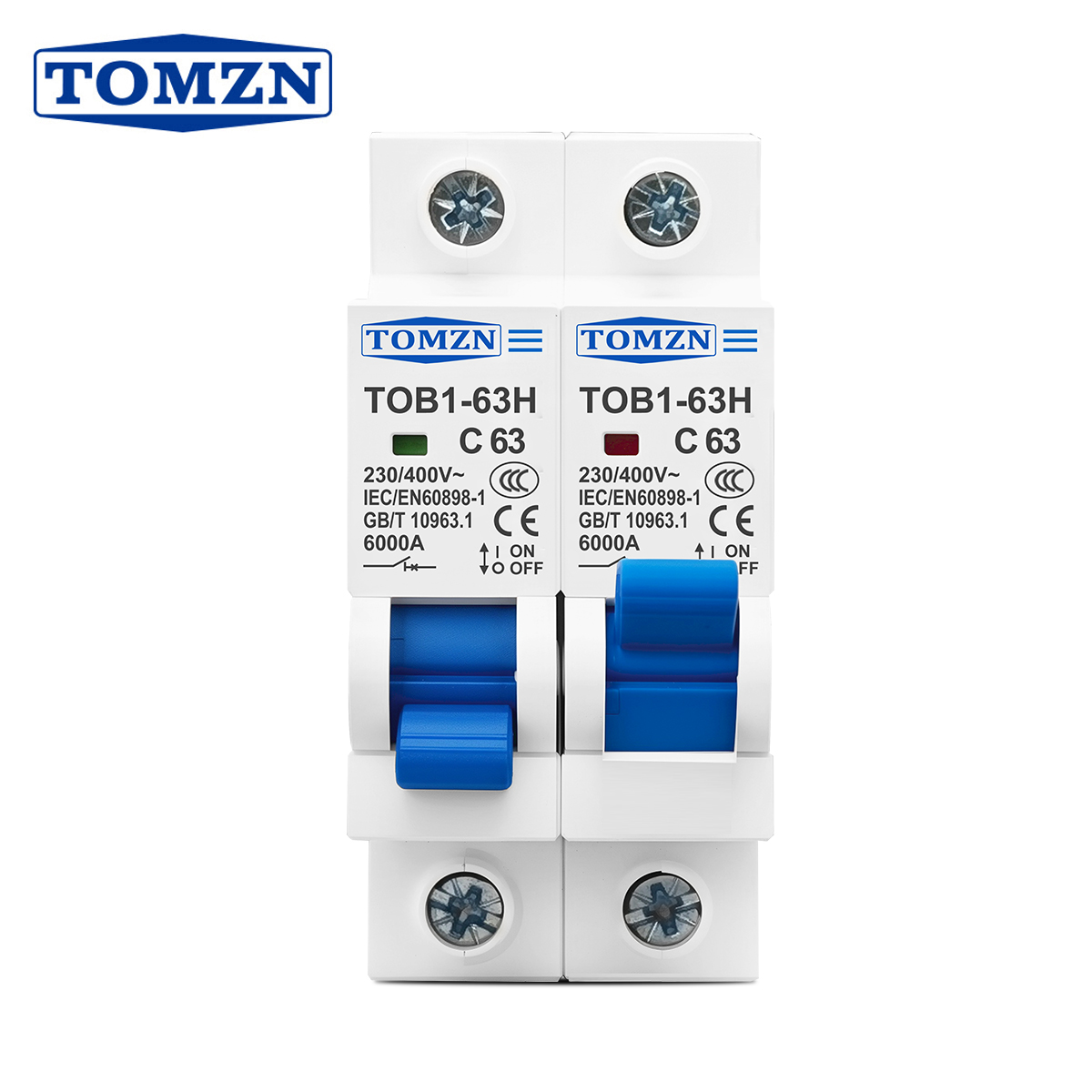
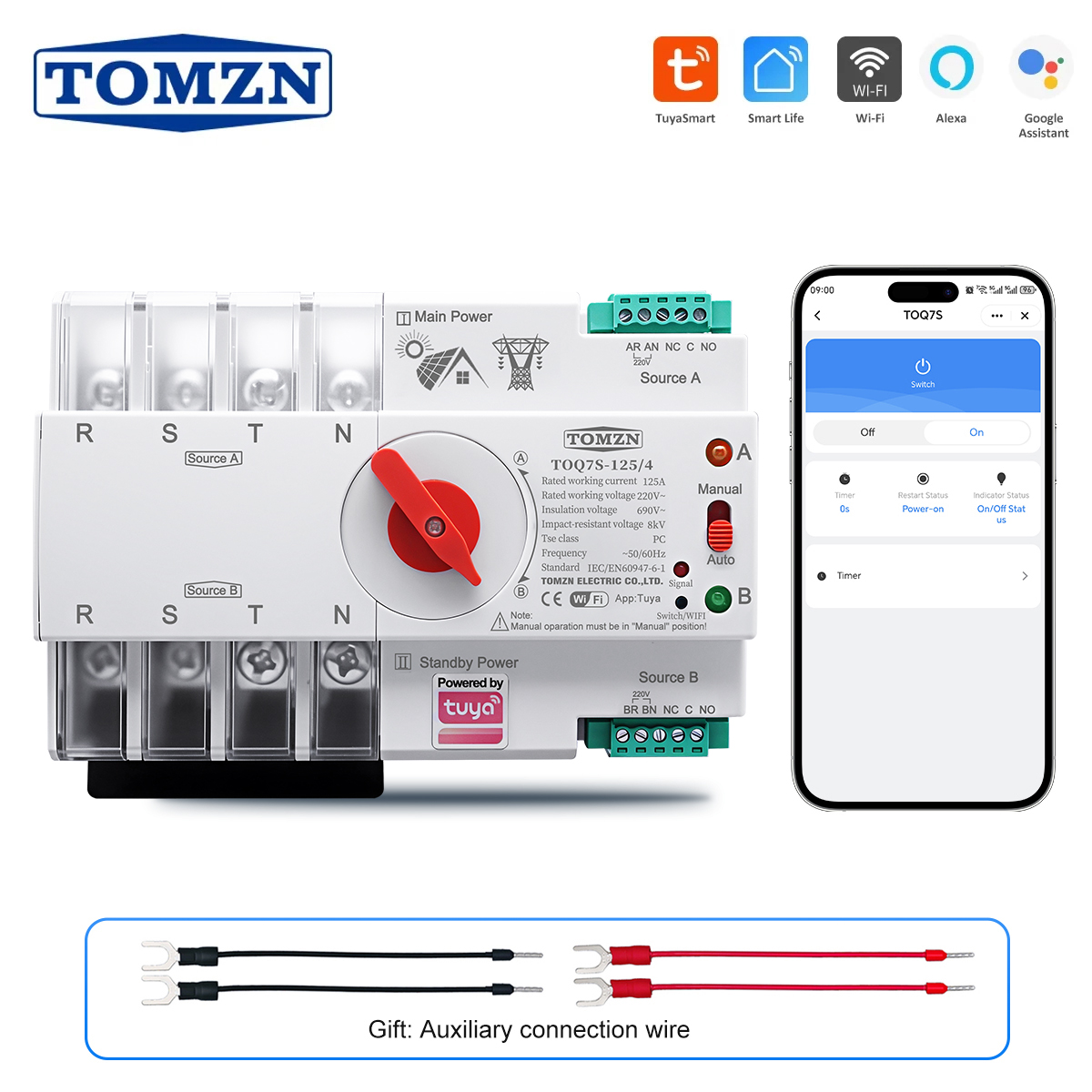

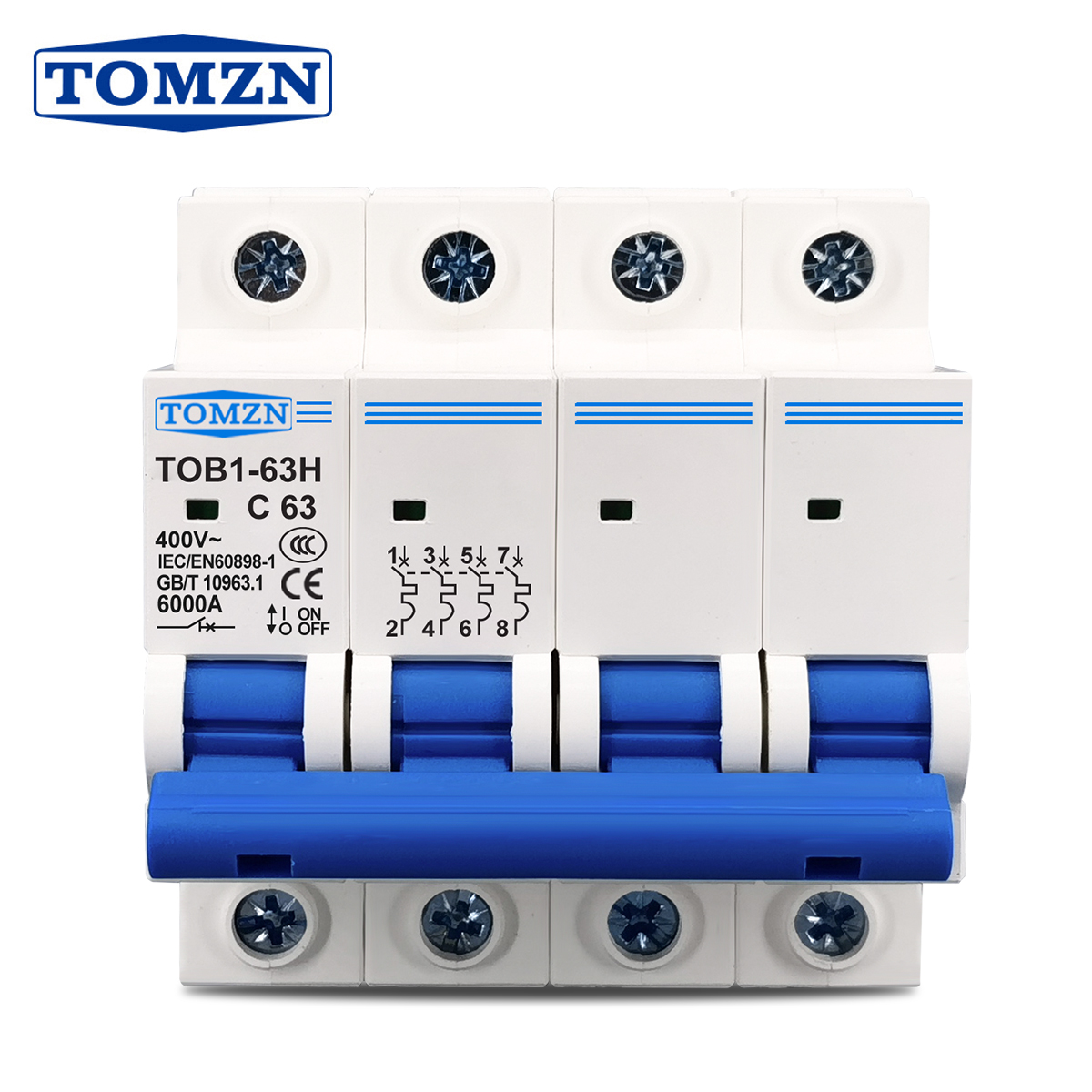
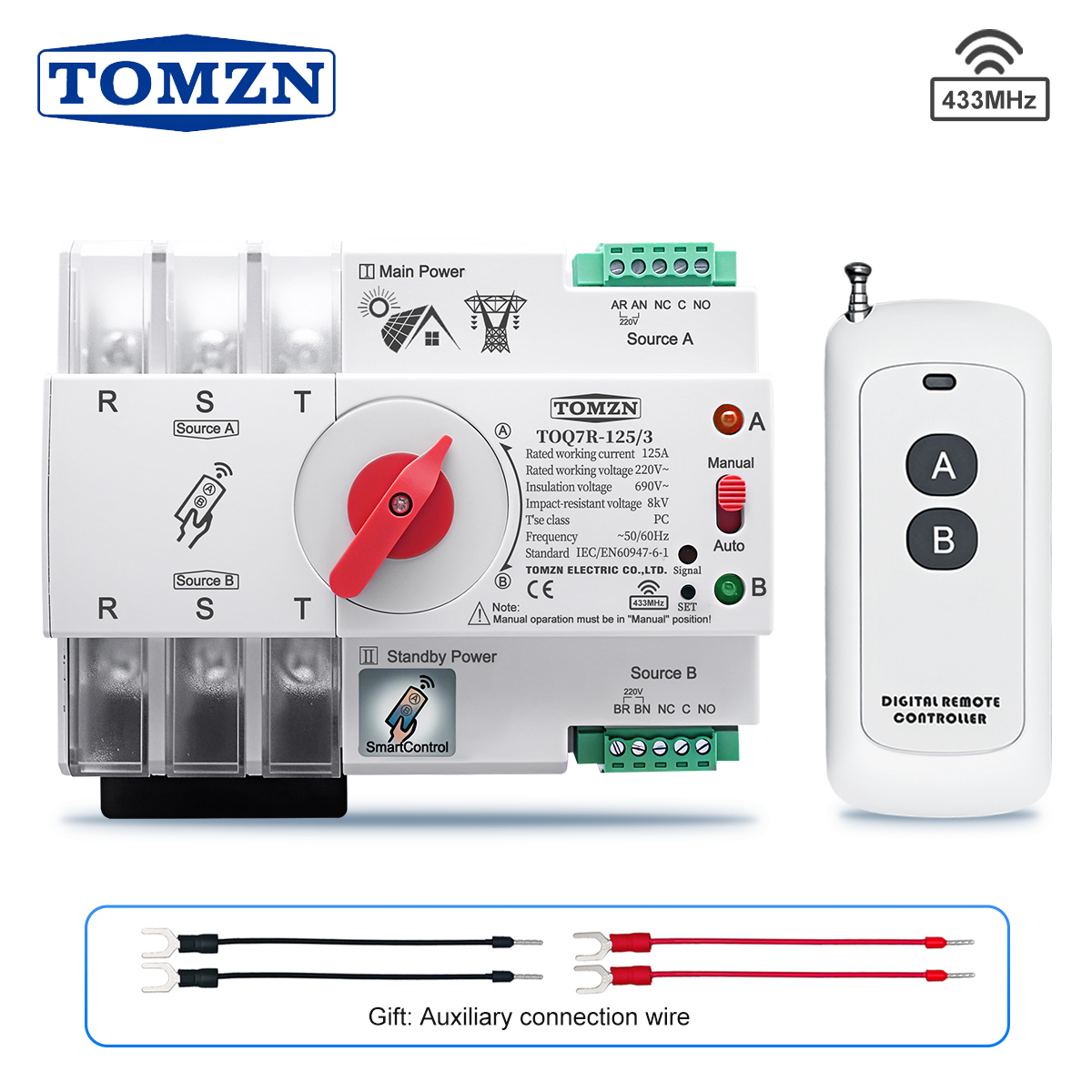
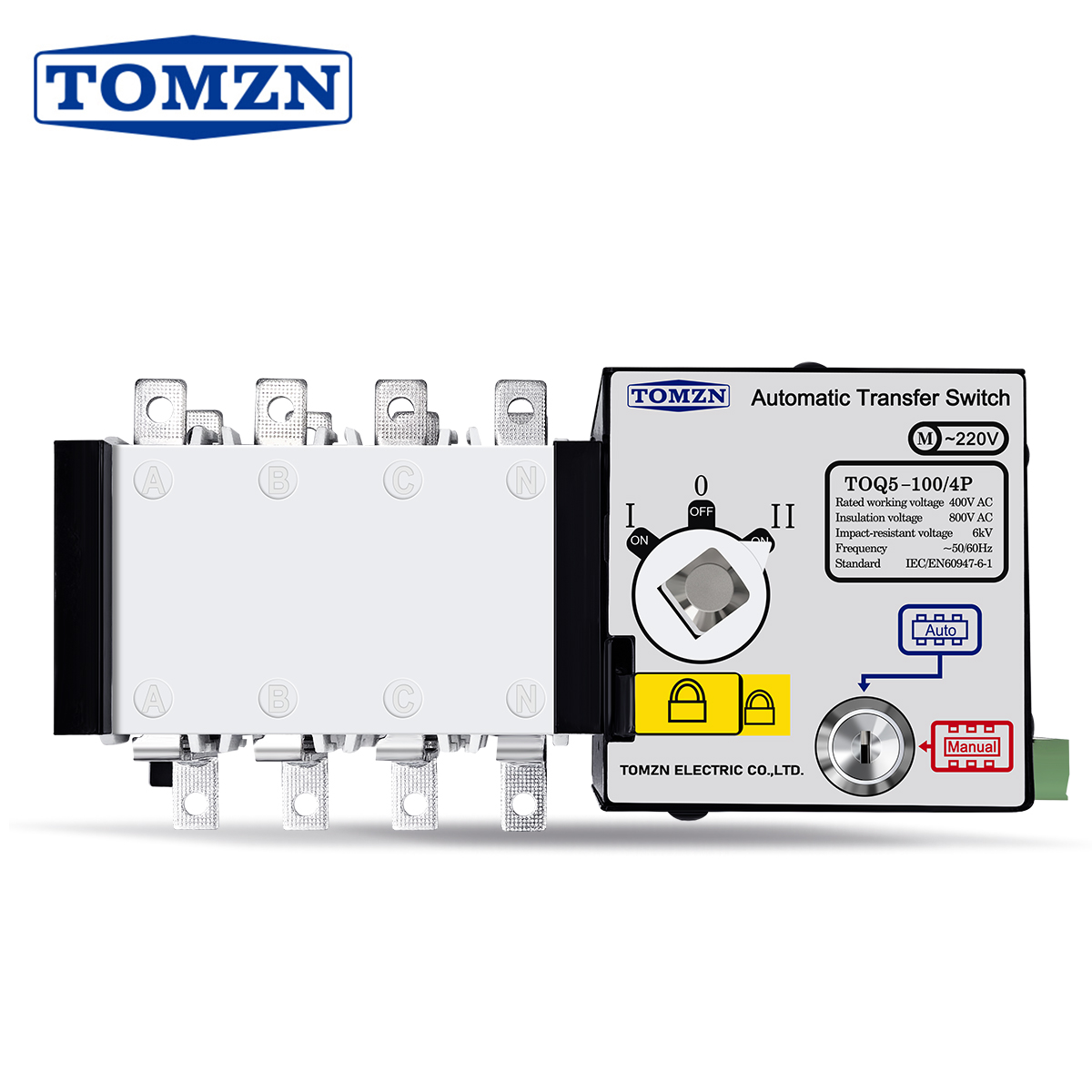
Zhejiang DVS Electric Co., Ltd. — 24 Years of Low-Voltage Precision
Operating from Liushi Town, Wenzhou—the renowned capital of China’s electrical apparatus sector—Zhejiang DVS Electric Co., Ltd. stands as a verified custom manufacturer and global wholesale leader. With over two decades of engineering excellence, we specialize in high-reliability circuit protection, DC switchgear, and intelligent energy management components.
Certified Quality Infrastructure
Our production lines adhere strictly to ISO9001 quality management standard protocols. Every unit undergoes automated thermal-magnetic tripping verification, dielectric voltage withstand testing, and contact resistance measurement before export dispatch.
Turnkey OEM / ODM Solutions
From custom current ratings (1A to 125A), bespoke voltage thresholds, laser-engraved brand logos, and specialized box packaging, we provide end-to-end original equipment manufacturing for international distributors.
Global Export Compliance
All DC MCBs, ATS switches, and Surge Protection Devices (SPDs) hold full CE compliance, IEC testing documentation, and RoHS environmental compliance, simplifying customs clearance in over 100 countries.
Physics of DC Arc Extinction & Photovoltaic Circuit Breaker Design
Understanding the fundamental mechanical and electrical differences between Alternating Current (AC) and Direct Current (DC) interruption in solar PV systems.
1. The Challenge of Non-Zero-Crossing DC Arcs
In conventional AC electrical networks, alternating current naturally crosses the zero-voltage axis twice per cycle (100 times per second at 50Hz, or 120 times at 60Hz). This natural zero-crossing creates a transient de-ionization window that allows the arc chute inside an AC Miniature Circuit Breaker (MCB) to extinguish electrical arcs with minimal contact degradation.
Conversely, Direct Current (DC) generated by photovoltaic arrays maintains continuous voltage and current flow without natural zero-crossings. When a fault condition (such as a string short-circuit or insulation breakdown) forces a DC circuit breaker to open under load, the plasma arc ignited across the separating contacts sustained by the array's open-circuit voltage ($V_{oc}$) is extremely persistent and high-temperature (exceeding 6,000°K).
2. Permanent Magnetic Blowout & Arc Chute Engineering
To overcome the absence of zero-crossing in solar PV strings operating up to 1000V DC or 1500V DC, engineering specialized DC MCBs requires specific internal arc quenching mechanisms:
- Permanent Magnetic Blowout Elements: High-coercivity permanent magnets are strategically embedded adjacent to the contacts. The magnetic field exerts a Lorentz Force ($\vec{F} = I\vec{L} \times \vec{B}$) on the ionized arc, physically driving the arc away from the contact tips into the splitter plates.
- Extended De-ion Arc Chutes: Specialized arc splitter plates divide the high-voltage arc into multiple localized series arcs, rapidly increasing arc voltage ($V_{arc}$) until it exceeds the system voltage ($V_{sys}$), extinguishing current flow.
- Polarity Specificity vs. Non-Polarized Design: Polarized DC breakers require explicit wiring direction (+ and - terminals) to align Lorentz forces correctly. Modern non-polarized DC MCBs utilize symmetrical dual-magnet geometries, preventing catastrophic breaker failure caused by reverse battery discharge or bi-directional inverter currents.
3. Thermal Derating & Environmental Factors in PV Enclosures
Solar combiner boxes and inverter switchgear are frequently exposed to harsh outdoor environments where internal enclosure temperatures can reach 60°C to 70°C. Standard circuit breaker nominal current ratings ($I_n$) are calibrated at a reference ambient temperature of 30°C per IEC 60947-2.
When procuring PV circuit breakers for tropical or high-irradiance regions, engineers must apply thermal ambient correction coefficients $K_T$ to ensure reliable protection without nuisance tripping:
I_{effective} = I_n \times K_T \times K_N
Where:
• I_n = Rated Nominal Current at 30°C
• K_T = Temperature Derating Factor (e.g., 0.88 at 55°C ambient)
• K_N = Grouping Correction Factor for adjacently mounted breakers (e.g., 0.80 for 4 units)
Future Sourcing Trends for Solar Breakers & Low-Voltage Equipment
Key market shifts and strategic procurement considerations shaping the global supply chain for solar EPCs, wholesalers, and electrical equipment importers through 2030.
1500V DC Utility System Migration
Commercial and utility-scale solar farms are rapidly standardizing on 1500V DC topologies to maximize string length and reduce balance-of-system (BOS) cabling costs. Wholesalers must align procurement pipelines with 1500V-rated DC Molded Case Circuit Breakers (MCCBs) and 1500V isolated disconnect switches.
BESS & Bi-Directional Current Breaking
With Battery Energy Storage Systems (BESS) integrating into grid-tied solar, breakers must handle dual-direction energy flow (charging and discharging). Sourcing teams are prioritizing non-polarized DC MCBs capable of interrupting high short-circuit fault currents regardless of flow orientation.
Pre-Wired Smart Combiner Box Modules
Importers are transitioning from buying standalone loose breakers to purchasing pre-assembled, factory-tested IP65/IP66 PV combiner boxes equipped with integrated DC MCBs, surge protection devices (SPDs), and DC fuse holders to reduce onsite labor costs.
Future Technological Trends in Smart Circuit Protection
How IoT intelligence, solid-state switching, and machine learning are revolutionizing low-voltage switchgear design for enhanced grid stability and predictive maintenance.
1. IoT Telemetry & WiFi/Tuya Ecosystems
Next-generation DIN-rail protection is no longer passive. Modern smart breakers integrate microcontrollers, energy metering ICs, and wireless protocols (WiFi, Zigbee, RS485 Modbus). Users can monitor voltage, current, temperature, and power consumption ($kWh$) in real-time, executing remote switching and schedule management via mobile applications.
2. Solid-State Circuit Breakers (SSCB)
Emerging Solid-State Circuit Breaker technology replaces mechanical moving contacts with wide-bandgap semiconductors (Silicon Carbide SiC or Gallium Nitride GaN). SSCBs achieve arc-free fault isolation within microseconds—up to 1,000 times faster than conventional thermal-magnetic mechanisms.
3. AI Arc Fault Detection (AFDD Integration)
Arc Fault Detection Devices (AFDDs) powered by embedded digital signal processors (DSPs) analyze high-frequency current wave signatures. AI algorithms distinguish harmless operational arcs (such as motor switching) from dangerous micro-arcing caused by loose solar connections, automatically interrupting circuits to prevent fires.
Technical Comparison of Photovoltaic & Low-Voltage Gear
Comprehensive specification overview for engineering design reference and bulk purchasing decisions.
| Equipment Category | Rated Voltage ($U_e$) | Current Range ($I_n$) | Breaking Capacity ($I_{cu}$) | Core Protection Feature | Target Application |
|---|---|---|---|---|---|
| DC Miniature Circuit Breaker (MCB) | DC 250V - 1000V | 1A - 63A | 6kA / 10kA | Permanent Magnet Arc Extinction, Overload & Short Circuit | Solar Strings, Battery Systems, DC Distribution |
| Solar DC MCCB | DC 500V - 1500V | 63A - 800A | 15kA / 25kA | Adjustable Thermal-Magnetic Trip, High Fault Current Isolation | Inverter DC Inputs, Re-combiner Boxes, Battery Banks |
| Automatic Transfer Switch (ATS) | AC 110V - 400V | 16A - 125A | 5kA - 10kA | Seamless Mains-to-Generator / Solar Inverter Dual Power Transfer | Residential Backup, Off-Grid Solar, Telecom Sites |
| DC Surge Protective Device (SPD) | DC 500V - 1000V | $I_{max}$ up to 40kA | Type 2 / Class II | MOV Metal Oxide Varistor Voltage Clamping & Surge Suppression | Photovoltaic Combiner Boxes, Solar Inverters |
| WiFi Smart Energy Breaker | AC 110V - 230V | 1A - 100A | 4.5kA / 6kA | App Control, Timers, Over-voltage, Over-current & Energy Monitoring | Smart Homes, Commercial Facilities, Remote Systems |
Frequently Asked Questions (FAQ) for Importers & Engineers
Essential technical and commercial answers addressing common engineering inquiries regarding PV circuit breaker selection, compliance standards, and factory direct procurement.
Can AC circuit breakers be used in DC photovoltaic solar systems?
How do I correctly size a DC MCB for a solar PV string?
1. Voltage Rating ($U_e$): Must be greater than the maximum string Open-Circuit Voltage ($V_{oc}$) adjusted for lowest expected ambient temperature ($V_{oc\_max} = V_{oc} \times [1 + \alpha_{Voc} \times (T_{min} - 25)]$).
2. Current Rating ($I_n$): Must equal at least 125% to 156% of the panel Short-Circuit Current ($I_{sc}$). Formula: $I_{breaker} \ge I_{sc} \times 1.25 \times 1.25 = I_{sc} \times 1.56$.
What is the difference between PC-Class and CB-Class Automatic Transfer Switches (ATS)?
CB Class ATS: Constructed using two linked conventional circuit breakers equipped with thermal-magnetic trip units and an internal motor drive. A CB Class ATS provides both automatic transfer switching and built-in overcurrent/short-circuit protection.
What international testing standards do your circuit protection products conform to?
• IEC / EN 60947-2: Low-voltage switchgear and controlgear — Circuit-breakers (Industrial & DC applications).
• IEC / EN 60898-1 & IEC 60898-2: Circuit-breakers for overcurrent protection for household and similar installations (AC and DC).
• IEC 61643-11 / 61643-31: Surge protective devices for low-voltage power distribution and PV installations.
• CE Marking & RoHS Compliance: Verified for complete EU market access.
What is the minimum order quantity (MOQ) and sample policy for OEM branding?
Why choose Zhejiang DVS Electric / TOMZN as your factory partner in China?
Accelerate Your Supply Chain with Certified Solar Switchgear
Partner directly with Zhejiang DVS Electric Co., Ltd. for factory pricing, bulk wholesale discounts, and complete OEM/ODM customization. Get technical datasheets and instant pricing today.
Get a Quote