High-Performance Dual Power Transfer Switches & Smart Controllers
Engineered for continuous power availability across grid-generator backup, residential smart panels, and photovoltaic energy storage infrastructure.
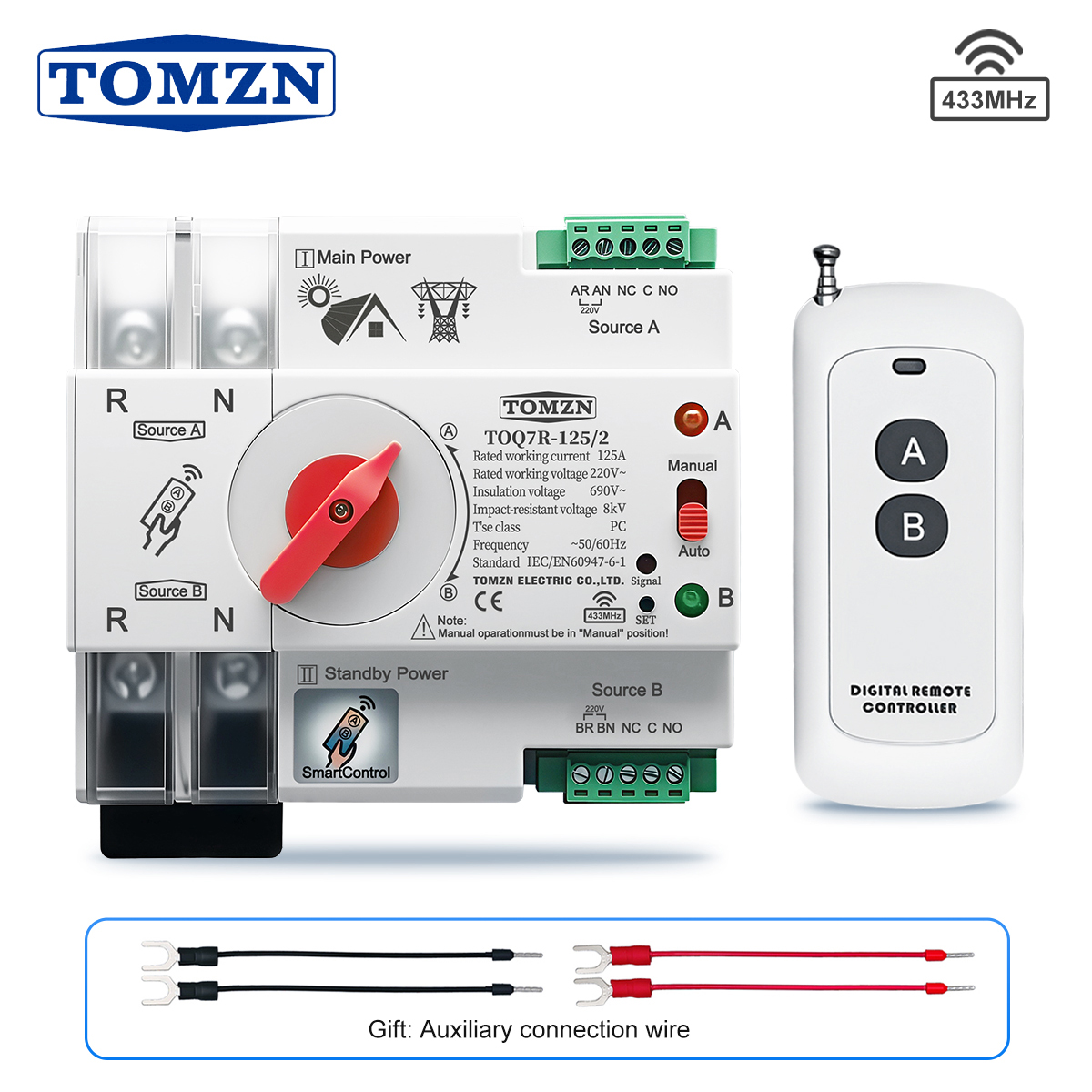
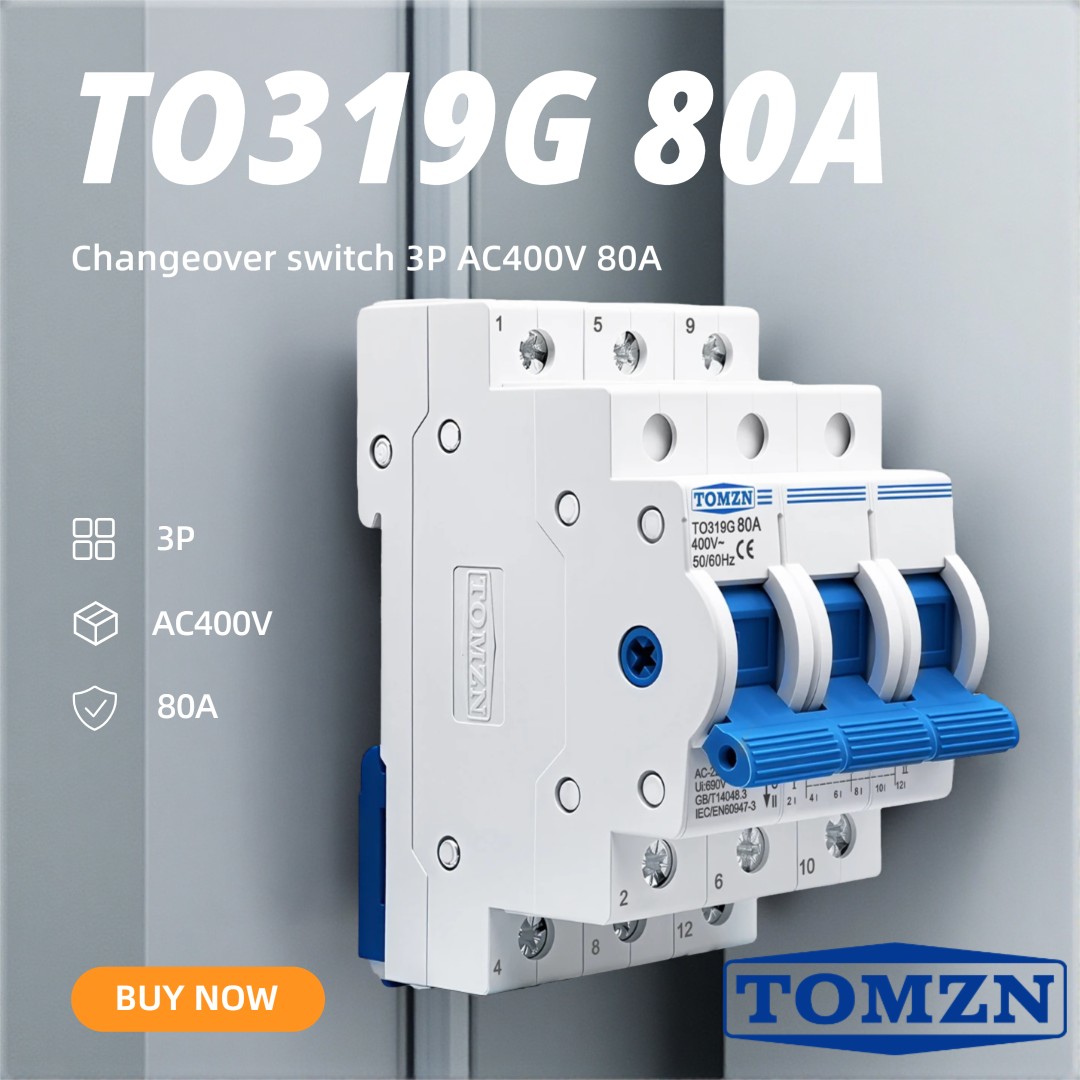
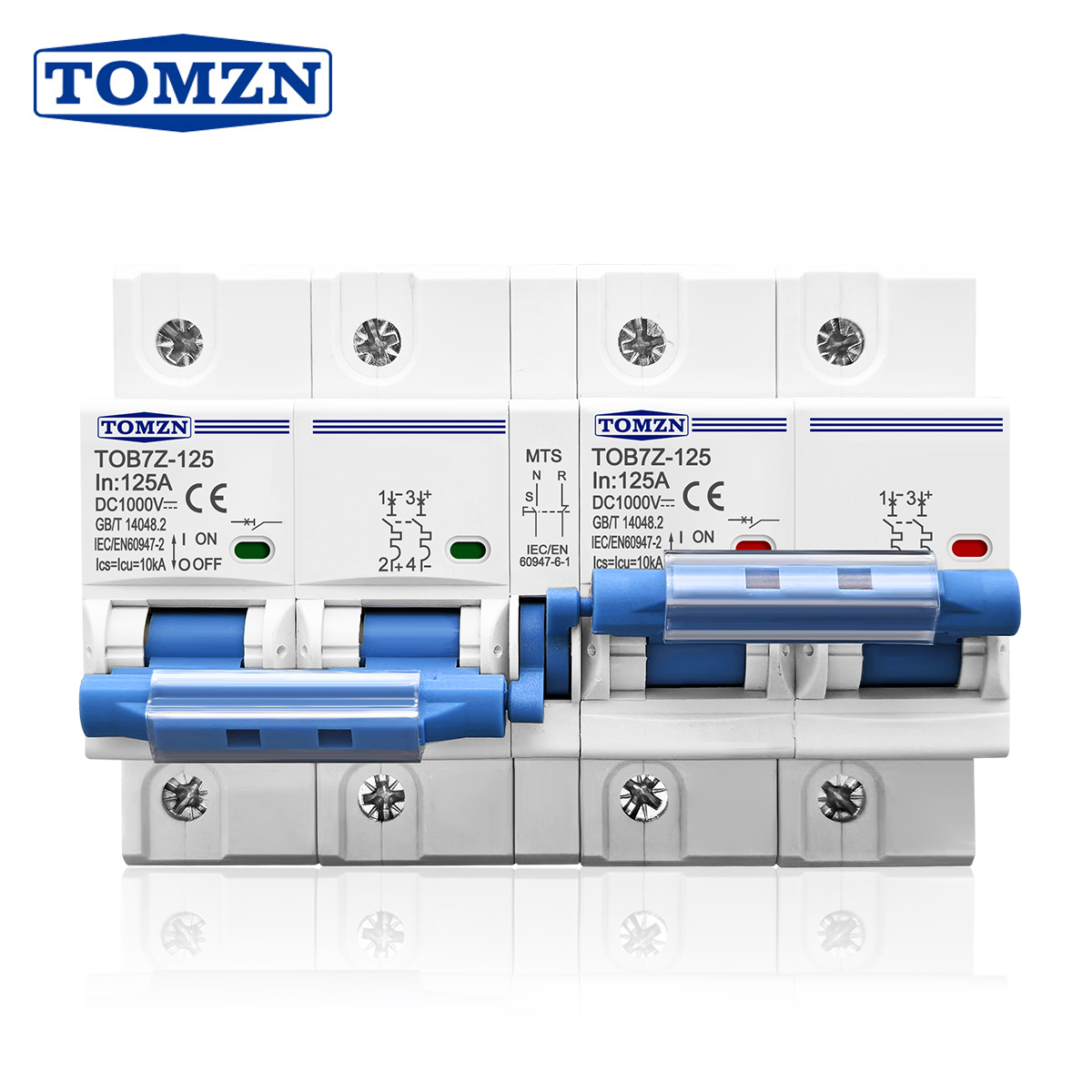
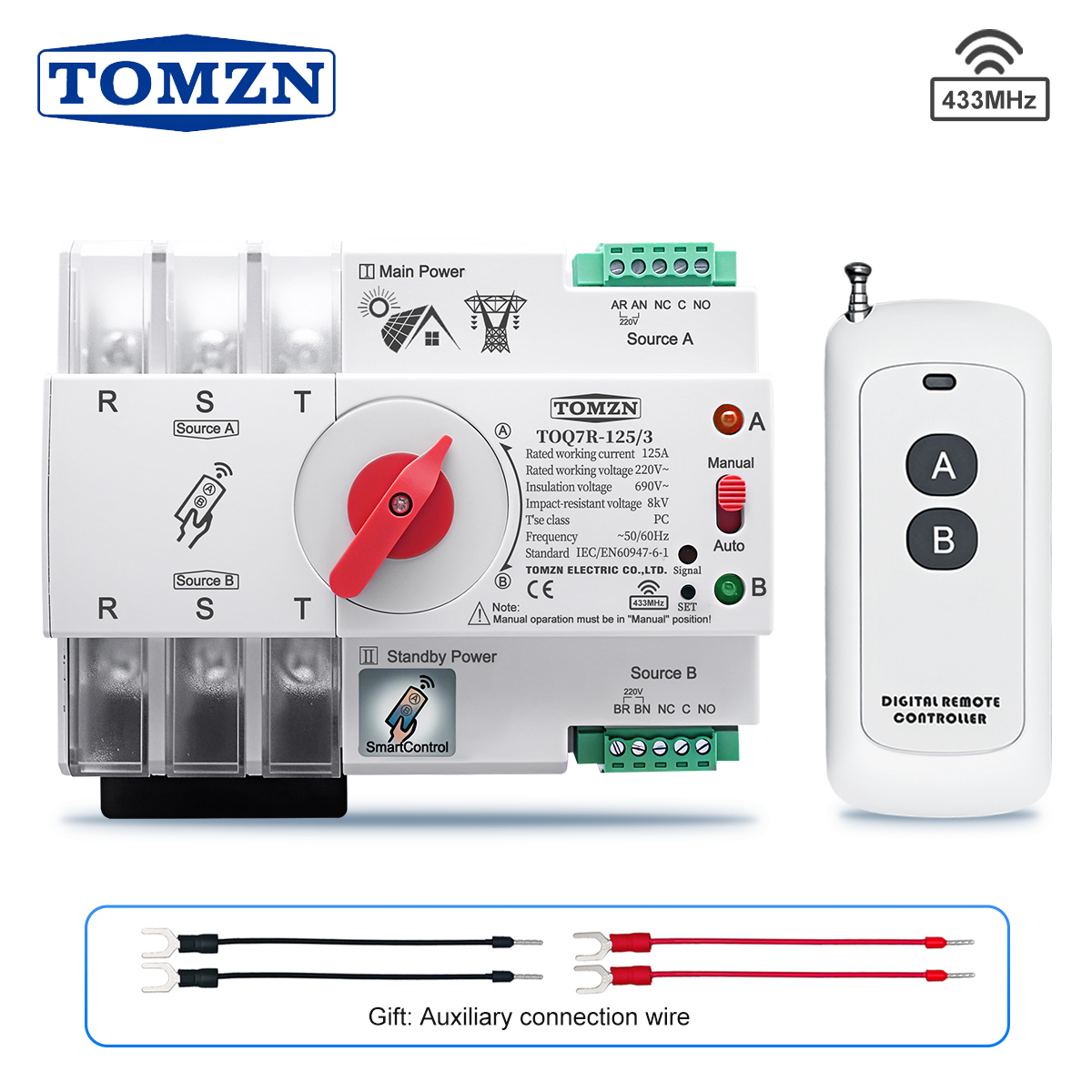
Engineering Dual Power Transfer Switches: Architectures & Selection Criteria
An authoritative analysis on ATS and MTS technology, contact arc suppression, transfer times, and microgrid switching topologies.
1. Fundamentals of Dual Power Switching Technology
A Dual Power Transfer Switch is an essential electrical safeguard designed to transition electrical loads seamlessly between a primary power source (such as the main utility grid) and an alternative emergency source (such as an auxiliary diesel generator, off-grid inverter, or solar battery bank). When main power fails or experiences abnormal voltage drops/swells, the transfer switch isolates the utility grid and connects the emergency source, preventing hazardous backfeeding and preserving electrical equipment integrity.
Transfer switches operate under strict international safety frameworks, predominantly governed by IEC 60947-6-1 (Low-voltage switchgear and controlgear - Multiple function equipment - Transfer switching equipment). Sourcing engineers must evaluate switches based on structural topology: PC Class (capable of making and withholding short-circuits, but not intended for breaking short-circuit current), CB Class (equipped with overcurrent releases, essentially combining MCB/MCCB protection with transfer capabilities), and CC Class (contactors-based systems with electrical interlocking).
Technical Insight: For residential DIN-rail installations, Miniature Circuit Breaker (MCB) type ATS units (CB Class) are widely preferred due to their integrated thermal-magnetic overload protection, compact physical envelope, and high short-circuit breaking capacity (typically up to 6kA/10kA at 230V/400V AC).
2. Technical Comparison: PC Class vs. CB Class Transfer Switches
Selecting between PC Class and CB Class automatic transfer switches dictates the overall protection architecture of a commercial panel or distribution cabinet. The table below outlines key parametric distinctions crucial for global procurement managers:
| Parametric Criteria | PC Class ATS | CB Class ATS (MCB/MCCB Type) |
|---|---|---|
| Primary Mechanism | Double throw switch-disconnector / Solenoid drive | Dual circuit breakers with mechanical interlock mechanism |
| Overcurrent Protection | None (Requires external upstream fuses/breakers) | Integrated Thermal-Magnetic or Electronic Tripping |
| Short-Circuit Withstand ($I_{cw}$) | Very High (Designed for severe electrical stress) | Dependent on breaking capacity of integrated breakers ($I_{cu}$) |
| Transfer Switching Time | Ultra-Fast (< 8ms to 50ms) | Standard (50ms to 200ms) |
| Typical Applications | Hospitals, Telecom Towers, Data Centers | Residential Panels, Industrial Workshops, Solar PV Backup |
| Footprint & Mounting | Larger cabinet footprint | Modular 35mm DIN-Rail mounting |
3. Arc Suppression, Contact Materials & Mechanical Endurance
The switching reliability of a transfer switch under heavy inductive or capacitive loads (such as motor starters, air conditioners, or solar string inverters) depends on contact composition and arc-chute design. Premium manufacturers in China utilize Silver Cadmium Oxide (AgCdO) or Silver Tin Oxide (AgSnO2) contacts. AgSnO2 offers superior resistance to contact welding and erosion caused by severe electric arcs during high-ampere transfer operations.
Furthermore, mechanical interlocking mechanisms are crucial to physically guarantee that Source A (Main Grid) and Source B (Backup) can never close simultaneously, eliminating phase-to-phase short circuits or out-of-phase synchronization failures. In smart IoT-enabled ATS units, zero-crossing detection electronics monitor the AC voltage sine wave, triggering transfer transitions near the zero-voltage point to minimize contact pitting and electromagnetic interference (EMI).
Why Partner with Zhejiang DVS Electric Co., Ltd.
24 Years of Low-Voltage Electrical Manufacturing Mastery from China's Electrical Hub in Liushi, Wenzhou.
Founded in Wenzhou, Zhejiang—the global epicenter of low-voltage electrical production—Zhejiang DVS Electric Co., Ltd. (associated with the renowned TOMZN brand) brings over two decades of specialized manufacturing capability. Spanning a state-of-the-art 5,700 m² factory floor, our operations integrate full-spectrum R&D, plastic injection moulding, automated contact riveting, dielectric testing, and complete export packaging lines.
As an independently verified factory, we adhere strictly to ISO9001 quality management systems. Every dual power transfer switch, DC MCB, and PV combiner box undergoes rigorous routine testing including contact resistance measurement, temperature rise checks under full load, mechanical trip calibration, and high-voltage dielectric withstand testing before dispatch.
OEM & ODM Customization
Comprehensive private label options, customized rated currents (1A to 125A), bespoke operating voltages (110V, 120V, 230V, 400V, DC 1000V), custom laser printing, and specialized outer packaging tailored for international distributors.
International Certifications
Products are CE marked in compliance with Low Voltage Directive (LVD) and Electromagnetic Compatibility (EMC) standards. Factory quality management is audited onsite by independent inspection firms.
Smart IoT Protocol Integration
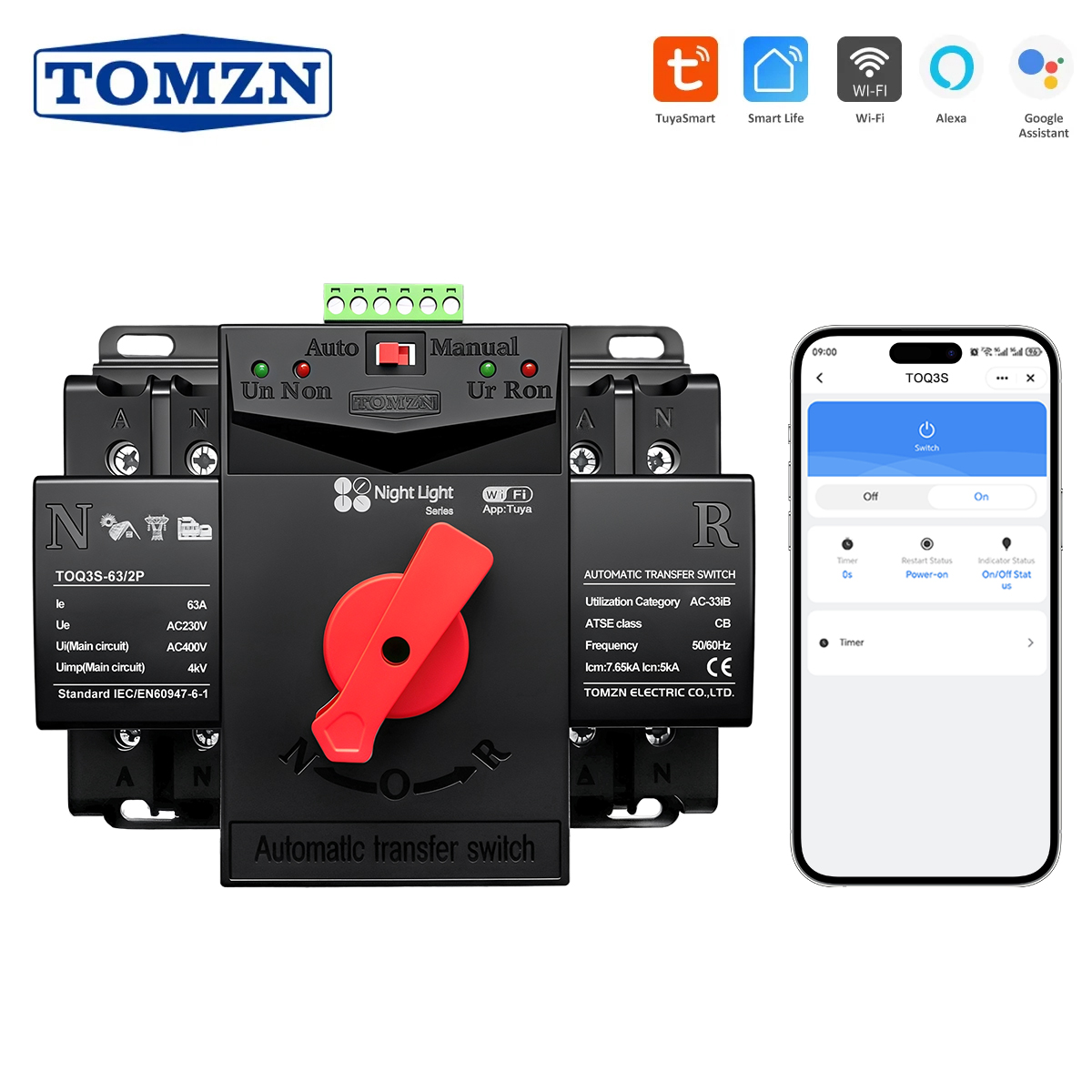
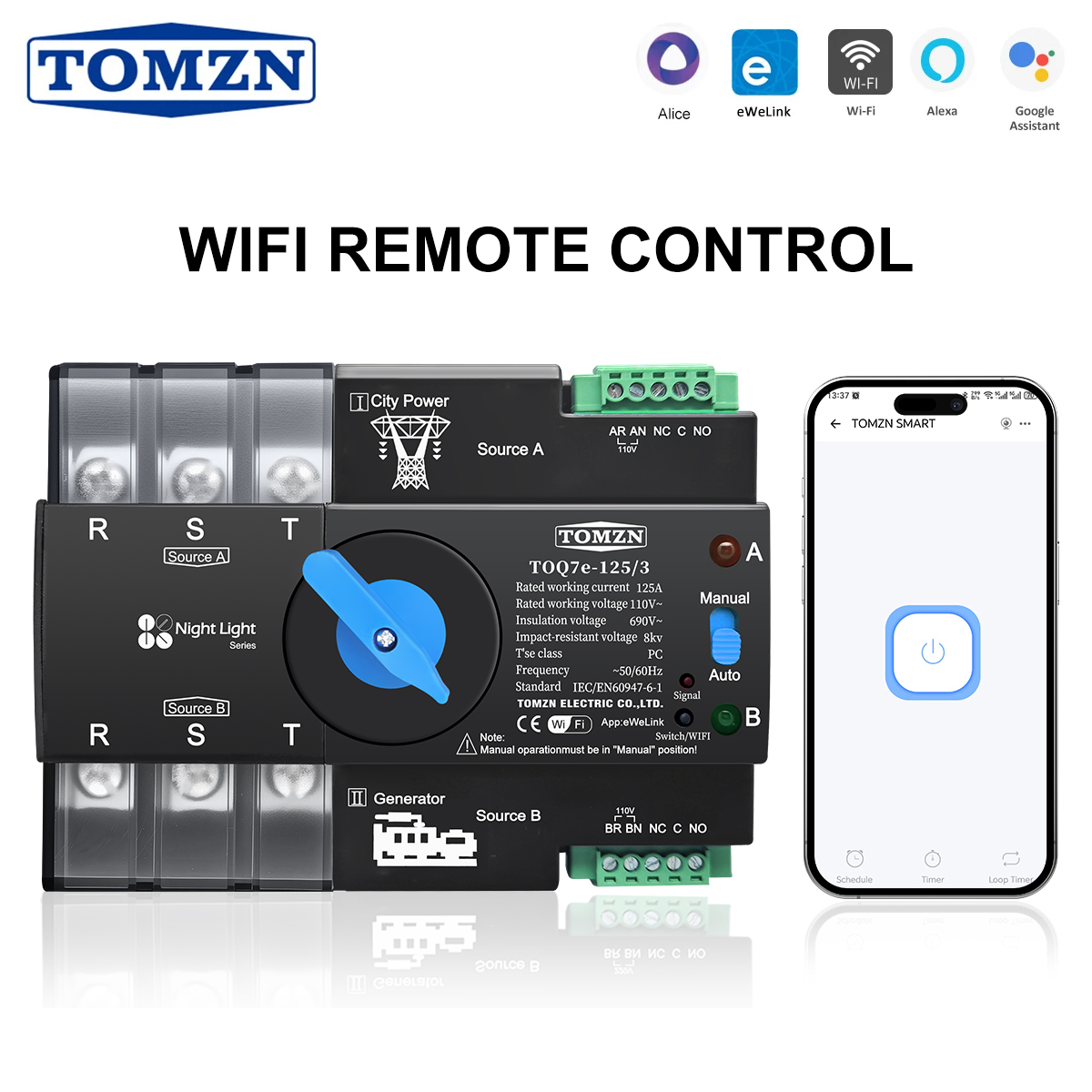
Pioneering the integration of WiFi (Tuya / SmartLife / eWeLink), 433MHz wireless RF, RS485 Modbus-RTU, and smart energy metering directly into modular DIN-rail ATS units for remote cloud-based monitoring.
Future B2B Procurement Trends for Power Transfer Switches
Market dynamics, supply chain shifts, and regulatory drivers shaping global low-voltage equipment procurement over the next decade.
1. Rapid Expansion of Distributed Renewable Energy & Energy Storage (ESS)
Global procurement of ATS and MTS devices is shifting dramatically toward hybrid photovoltaic and battery energy storage applications. Modern installations require dual power switches capable of handling bi-directional power flows, rapid voltage matching, and isolated island mode switching. Importers must source transfer switches specifically tested for high DC voltages (up to 1000V DC) and AC inverter backup lines to prevent neutral line corruption or voltage instability during grid disconnects.
2. Smart Grid Integration & Remote Telemetry Sourcing
Purely mechanical changeover switches are rapidly giving way to smart IoT-enabled automatic transfer switches. Commercial panel builders and residential project procurement teams now mandate integrated Wi-Fi, eWeLink, or Tuya chipsets. These allow facility management teams to execute manual remote override, set automated timer logic, monitor voltage sags in real-time, and analyze historical power consumption (kWh) directly through mobile apps and building management systems (BMS).
3. Rigorous Flame-Retardant & Environmental Compliance
International environmental regulations (RoHS, REACH) and stringent local fire safety codes require switch housings to be fabricated from V0-grade flame-retardant thermoplastics (such as high-grade Polycarbonate or Polyamide PA66). Buyers must verify that export models feature self-extinguishing properties, glow-wire ignition resistance (IEC 60695-2-11), and UV resistance for outdoor combiner box enclosures.
Next-Generation Product Development Trends
Engineering innovations driving the next frontier in power switching, contact reliability, and solid-state transfer technology.
1. Hybrid Solid-State Transfer Switching (SSTS)
Traditional mechanical ATS units exhibit switching transfer times between 50ms to 200ms. While adequate for lighting and general appliances, sensitive electronic infrastructure (such as AI servers, medical equipment, and precision manufacturing robotics) demands transition speeds below 5ms to avoid system rebooting. Future development focuses on hybrid solid-state switches incorporating Silicon Controlled Rectifiers (SCRs) in parallel with mechanical contacts, achieving microsecond zero-cross switching without arc formation.
2. Triple-Power & Multi-Source Smart Selectors
Complex off-grid power ecosystems no longer rely on simple Source A vs. Source B logic. Next-generation smart selectors automatically sequence three or four independent power inputs: Solar Inverter (Priority 1) -> Battery Storage (Priority 2) -> Utility Grid (Priority 3) -> Standby Generator (Priority 4). Intelligent microcontrollers constantly weigh power generation costs and battery depth-of-discharge (DoD) to select the most economical energy source dynamically.
3. Embedded Thermal Sensing & Predictive Contact Maintenance
Contact degradation due to high-current arcing is a leading cause of panel fires. Emerging product lines integrate micro infrared or resistive thermistors inside the contact housing. Over-temperature alerts are transmitted via IoT networks prior to catastrophic terminal failure, enabling preventive replacement and drastically improving commercial facility uptime.
Frequently Asked Questions (FAQ) for Importers & Engineers
Clear engineering answers regarding installation, switching logic, pole selection, and OEM capabilities.
Are you a direct manufacturer or a trading exporter?
Zhejiang DVS Electric Co., Ltd. is a verified direct manufacturer with complete in-house manufacturing, assembly, and direct export operations based in Liushi Town, Wenzhou, Zhejiang, China. Overseas buyers benefit from factory-direct pricing, direct technical support, and full control over OEM/ODM specifications without trading intermediary markups.
What is the functional difference between an ATS and an MTS?
An Automatic Transfer Switch (ATS) contains internal voltage sensing circuitry and a motorized or solenoid actuator that automatically switches the load to a backup source when grid power drops below set thresholds. A Manual Transfer Switch (MTS) requires manual physical intervention by an operator to toggle the switch handle between Power Source I and Power Source II.
When should I select a 2P, 3P, or 4P Dual Power Switch?
Select a 2P switch for single-phase AC systems (Phase + Neutral, 110V/220V/230V). Select a 3P switch for three-phase systems without a neutral or where neutral isolation is not required (3 Phase, 380V-415V). Select a 4P switch for three-phase four-wire systems (3 Phases + Neutral) where full neutral isolation is mandated by local wiring codes (such as IEC 60364) to prevent floating neutral currents or ground loop interference.
Can your dual power switches be used for Solar PV and Inverter applications?
Yes. Our specialized PV and Smart WiFi ATS series are engineered specifically to switch between utility grid power and solar inverter output. They feature high dielectric strength, low contact resistance, and arc chutes optimized for clean switching between asynchronous AC sources.
What switching times can be achieved with TOMZN / DVS Electric ATS units?
Our standard MCB-type automatic transfer switches achieve a rapid transfer speed between 30ms to 80ms. This transition speed ensures continuous operation for standard industrial equipment, residential lighting, refrigerators, and motors without causing nuisance dropouts.
What options are available for custom OEM private labeling?
We provide comprehensive OEM services for minimum order quantities (MOQ): custom laser engraving of your brand logo on switch bodies, customized product rating stickers, bespoke color coding for handles/housings, custom retail packaging boxes, and tailored instruction manuals in English, Spanish, Russian, or French.
How does the 433MHz Wireless & Tuya Smart WiFi ATS function?
Smart ATS models incorporate embedded wireless receivers. Through the Tuya / SmartLife / eWeLink mobile application, users can remotely check whether Source A or Source B is active, force a manual switch remotely from anywhere in the world, schedule automatic switching times, and receive instant push notifications during power failure events.
What certifications and test reports are available prior to placing bulk orders?
All core model series carry CE test reports and certificates (IEC/EN 60947-6-1, EN 60898). We provide full technical datasheets, dimensional CAD diagrams, and third-party factory verification reports upon request. Sample units can be dispatched rapidly for laboratory evaluation.
Ready to Partner with a Premier Dual Power Transfer Switch Manufacturer?
Get in touch with our engineering export team today to receive comprehensive technical datasheets, request product samples, or obtain factory-direct OEM quotation for your project requirements.
