Featured AC Circuit Breakers & Protection Products
Direct from factory floor: High-performance low-voltage protective gear engineered for residential, commercial, industrial, and renewable energy applications. Certified to international safety standards including IEC/EN 60898-1 and IEC 60947-2.
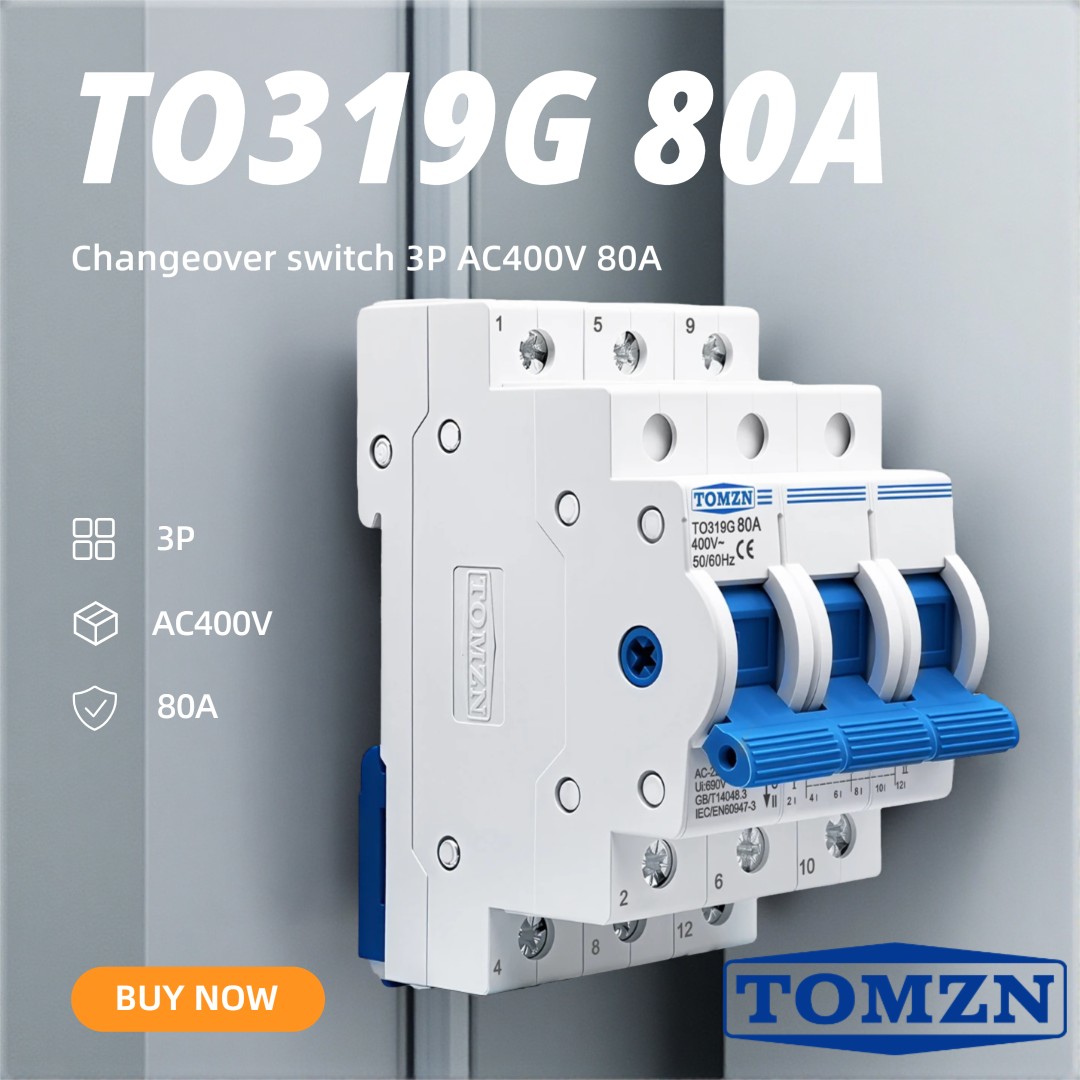
TOMZN TO319G 3 Phase 3P AC400V 80A Changeover Switch MTS
View Product Specs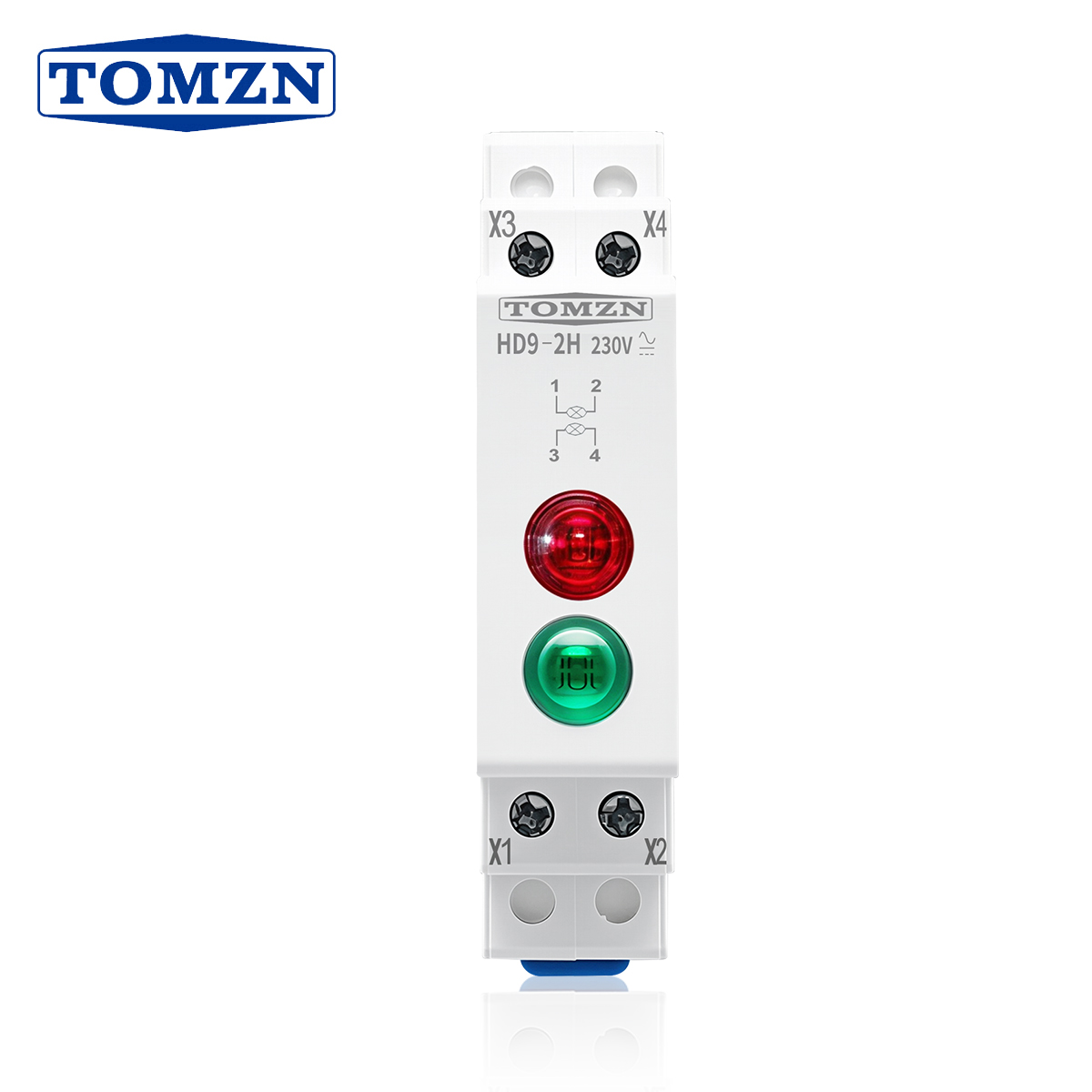
TOMZN DIN Rail HD9-2H 230V AC/DC LED Signal Indicator
View Product Specs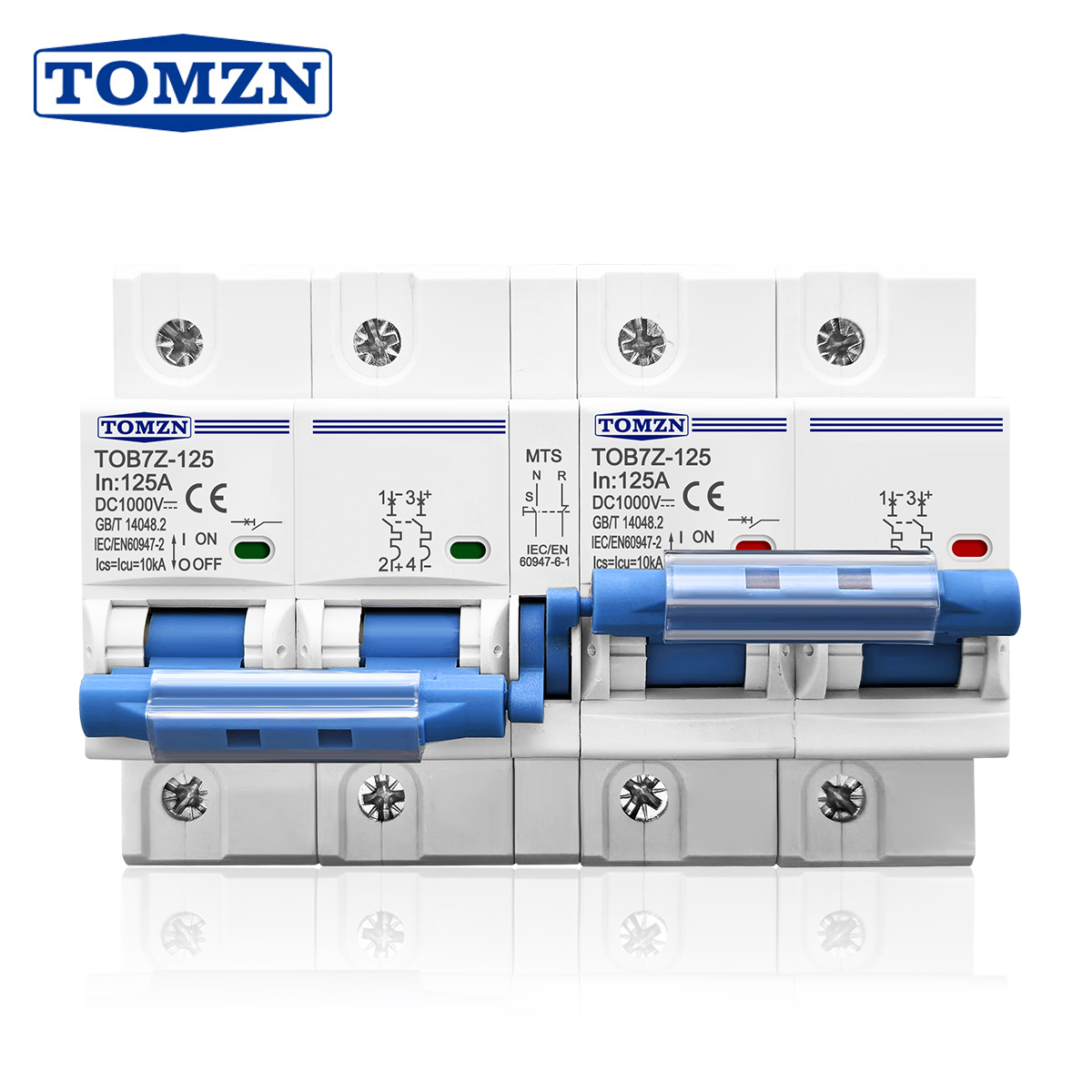
TOMZN 125A 2P+2P DC MTS Dual Power Transfer Switch MCB
View Product Specs
TOMZN WIFI Smart Circuit Breaker 2P 230V AC 1-100A Overload
View Product Specs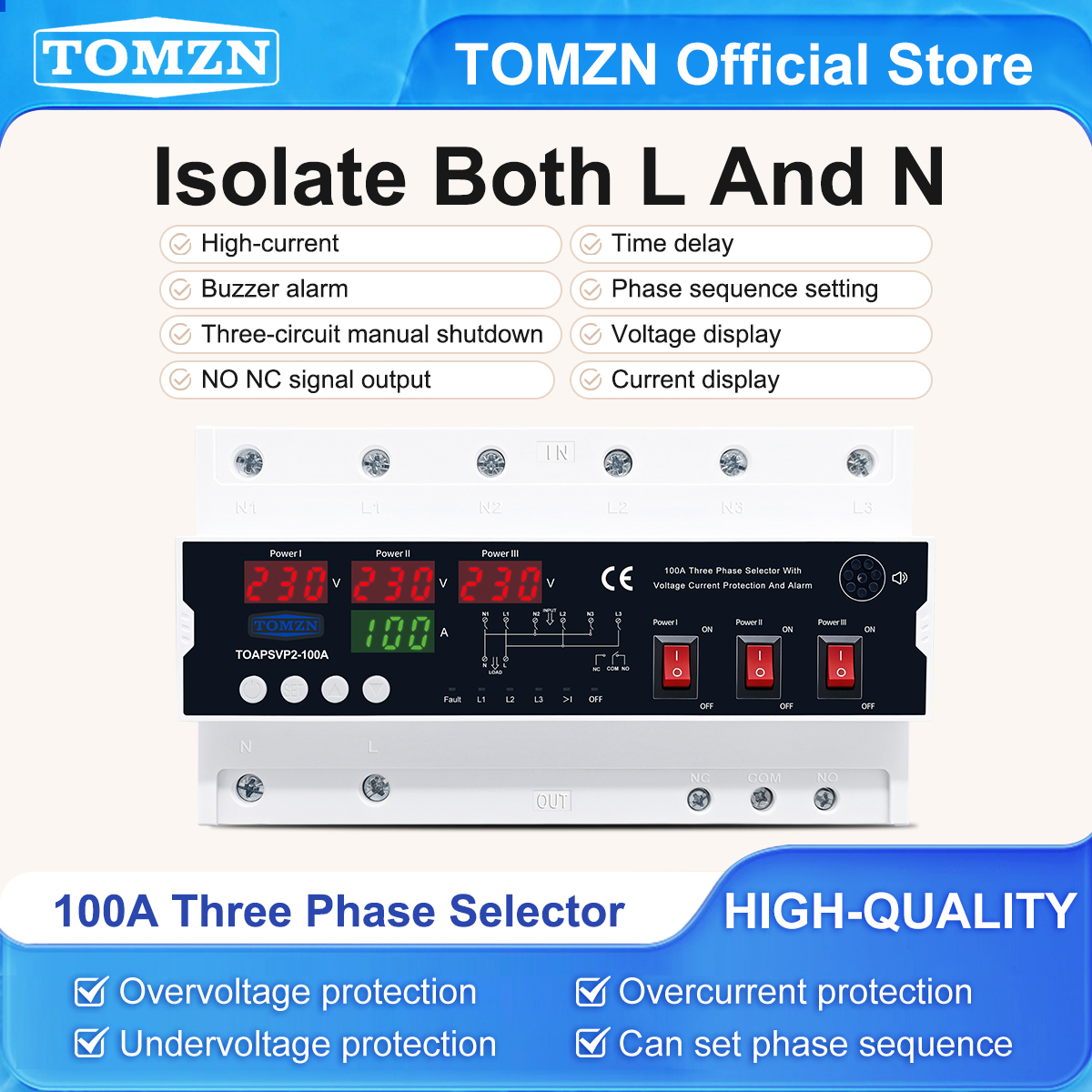
Relay-type Automatic Phase Selector ATS Dual Power Switch
View Product Specs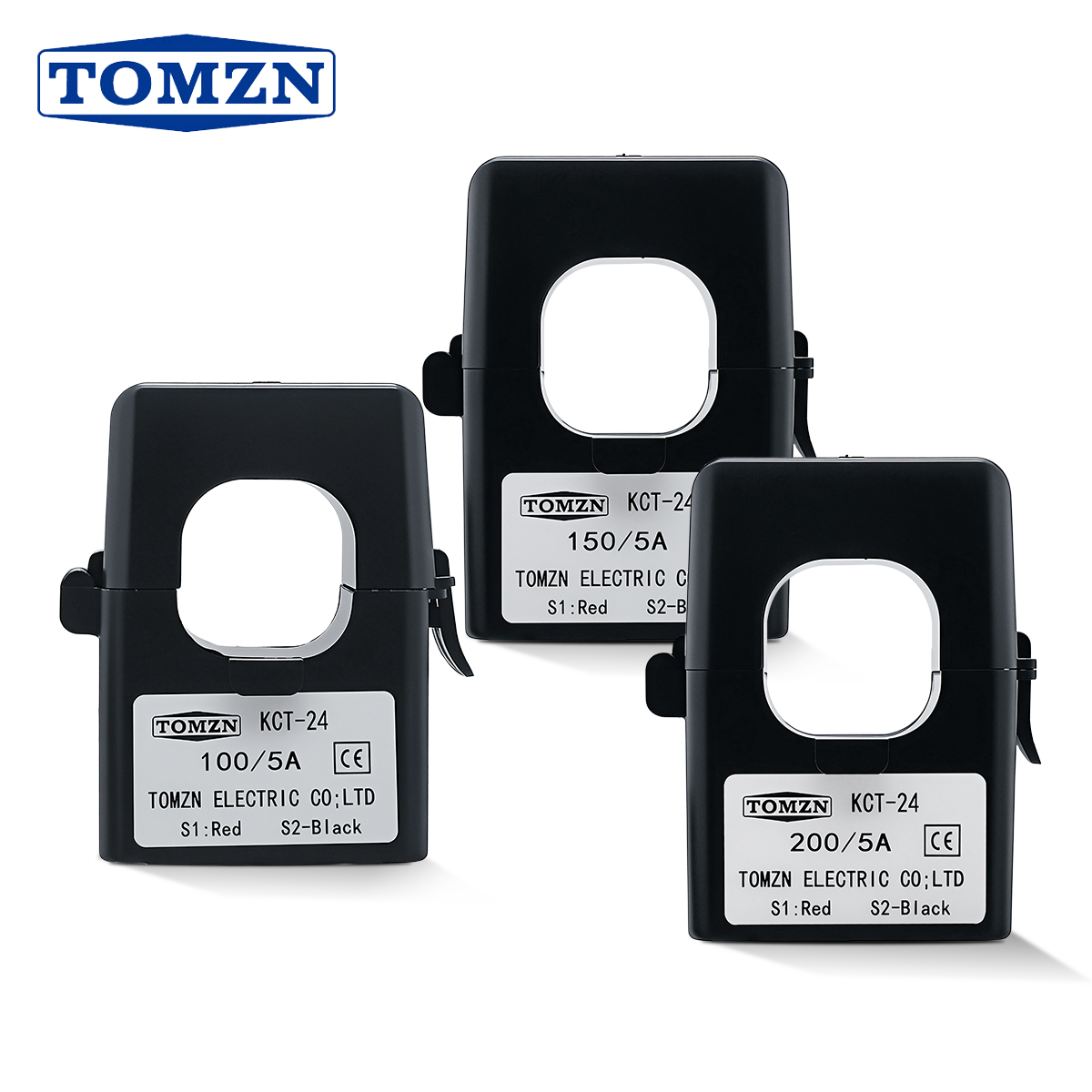
TOMZN Split Type Current Transformer High-Current 100A-200A/5A
View Product Specs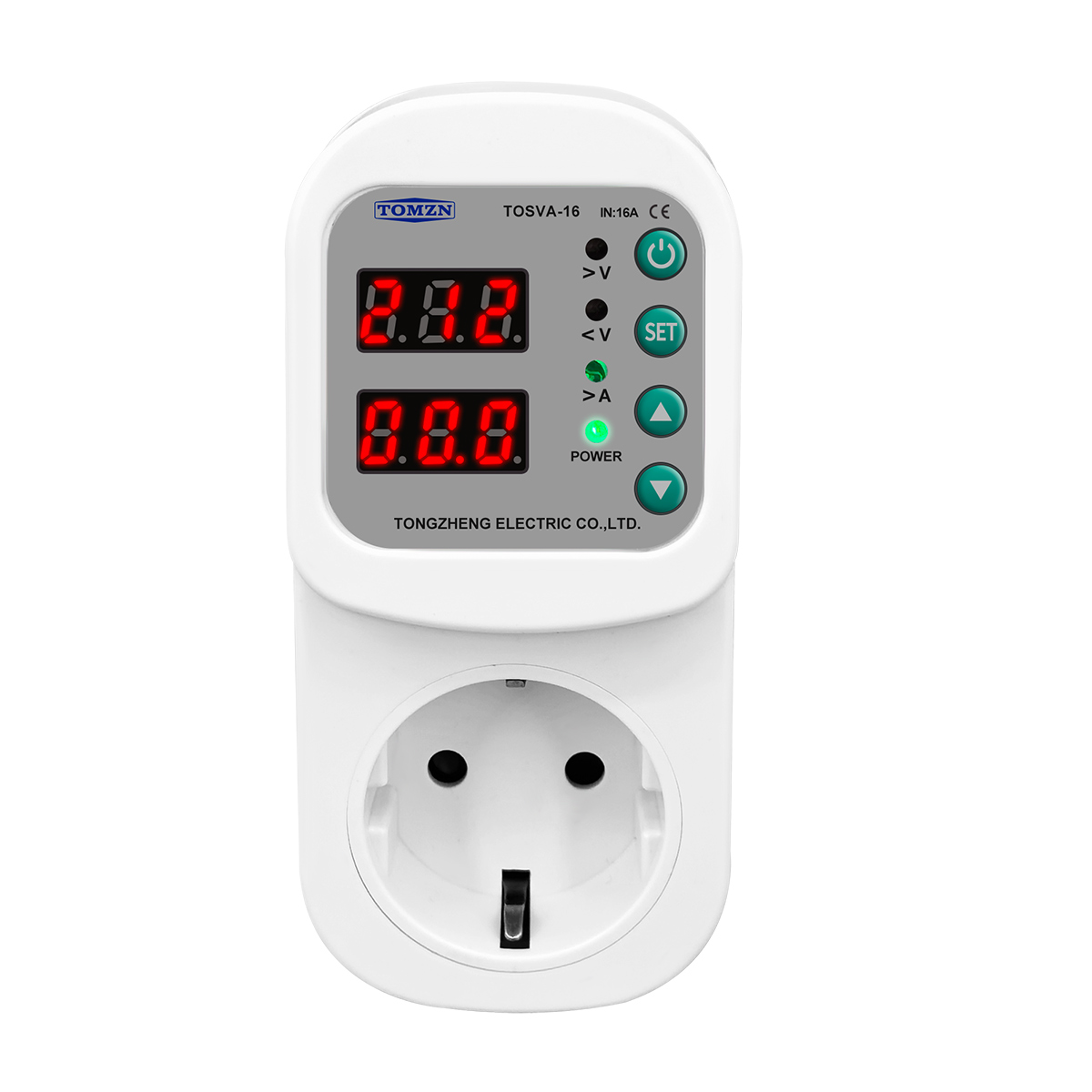
TOMZN TOSVA-16 Adjustable Voltage Current Protector Plug
View Product Specs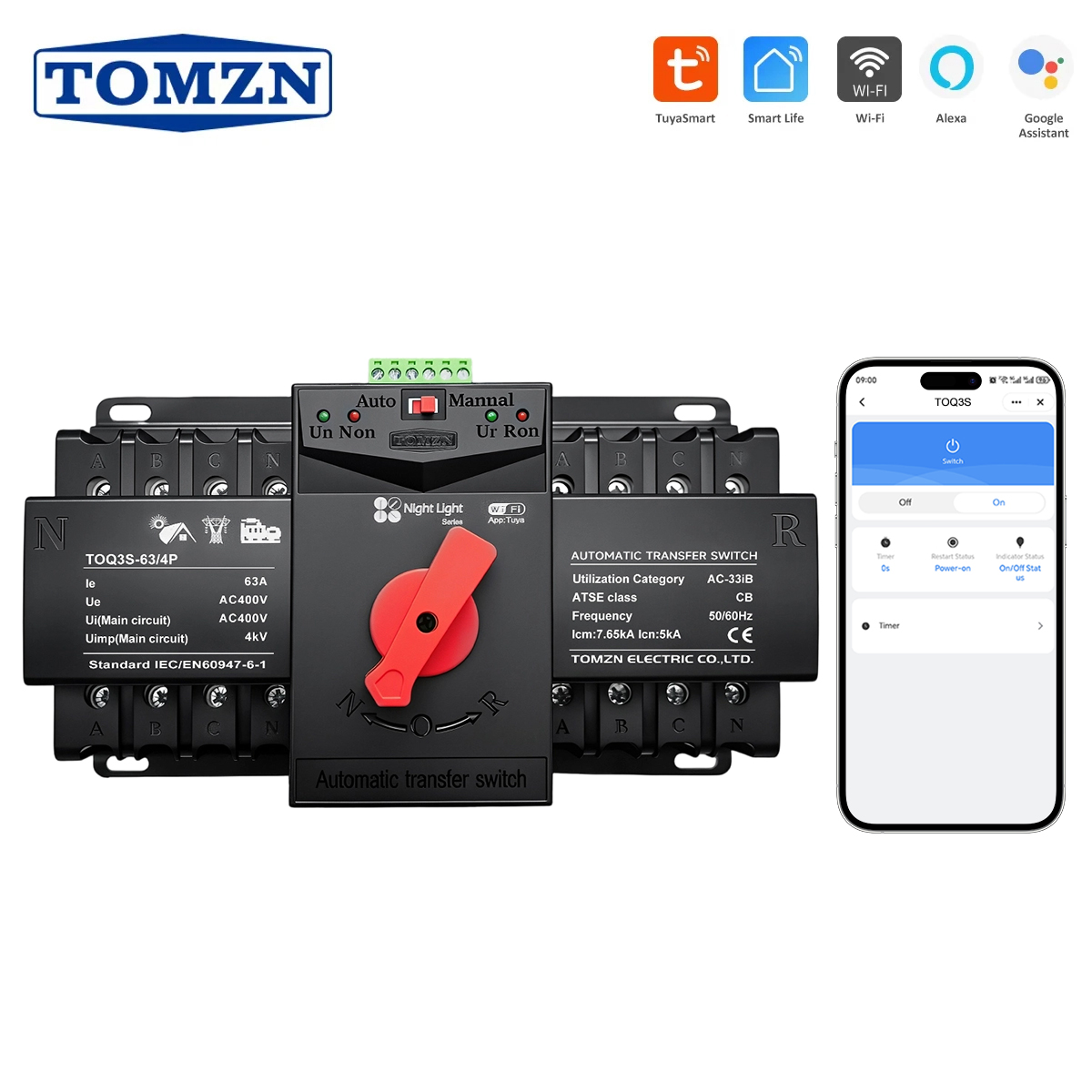
TOMZN Tuya WIFI Smart ATS 4P 63A Dual Power Transfer Switch
View Product Specs1. Executive Summary: The Landscape of China AC Circuit Breaker Factories
As the global electrical energy infrastructure transitions toward decentralized renewable integration, smart grid automation, and higher power density requirements, selecting a high-reliability China AC circuit breaker factory is a paramount strategic decision for electrical distributors, OEM brand owners, panel builders, and EPC engineers.
China currently accounts for over 65% of global low-voltage circuit protection manufacturing output. The epicenter of this industrial ecosystem is located in Liushi Town, Wenzhou, Zhejiang Province—universally acknowledged as the "Capital of Low-Voltage Electrical Appliances." Factories operating within this cluster benefit from a fully integrated supply chain encompassing raw material refining (copper-nickel plating, silver-alloy contacts), precision thermoplastic moulding (V-0 rating PA66 housings), automated coil winding, and robotic calibration.
However, technical disparity exists among suppliers. Top-tier manufacturers differentiate themselves through strict adherence to international standardizations (IEC/EN 60898-1, IEC 60947-2, UL 489, CE, CCC), advanced automated calibration rigs, thermal imaging fault detection, and extensive Information Gain in product design (such as arc chutes with 12 to 14 plates and real-time electronic metering).
2. Technical Whitepaper: Engineering Criteria for AC Circuit Breaker Sourcing
An AC Miniature Circuit Breaker (MCB) or Molded Case Circuit Breaker (MCCB) serves as the core defense line against overcurrent, overloads, and short-circuit electrical faults. Understanding the underlying physical mechanisms and rating parameters is critical when auditing supplier datasheets.
A. Breaking Capacity ($I_{cn}$ vs $I_{cu}$ / $I_{cs}$)
The short-circuit breaking capacity indicates the peak fault current a breaker can safely extinguish without experiencing physical explosion, contact welding, or permanent dielectric breakdown:
- IEC/EN 60898-1 (Household & Similar Applications): Defines rated short-circuit capacity ($I_{cn}$), typically rated at 4.5kA, 6kA, or 10kA for AC 230V/400V systems.
- IEC/EN 60947-2 (Industrial Applications): Defines Ultimate Short-Circuit Breaking Capacity ($I_{cu}$) and Service Short-Circuit Breaking Capacity ($I_{cs}$). Premium factories ensure that $I_{cs} = 100\% \, I_{cu}$, proving the device remains 100% operational after interrupting maximum fault current.
B. Instantaneous Tripping Characteristics (B, C, and D Curves)
Selecting the correct tripping curve prevents nuisance tripping caused by initial transient inrush currents while ensuring fast thermal-magnetic disconnection during genuine short circuits:
| Tripping Curve | Magnetic Tripping Threshold | Typical Load Applications | Factory Calibration Tolerance |
|---|---|---|---|
| B Curve | $3 \, I_n \text{ to } 5 \, I_n$ | Resistive loads, electronic heating, long cable runs, PV inverter outputs. | $\pm 10\%$ via magnetic coil testing |
| C Curve | $5 \, I_n \text{ to } 10 \, I_n$ | General residential/commercial lighting, socket outlets, small inductive loads. | Industry standard; calibrated on automatic test benches |
| D Curve | $10 \, I_n \text{ to } 20 \, I_n$ | High inrush current devices: motors, transformers, medical imaging, heavy machinery. | Enhanced arc chute quenching required |
C. Internal Anatomic Excellence: Arc Quenching & Contact Metallurgy
When contacts part under high AC short-circuit current, an electric arc forms exceeding 3,000°C. Quality China factories utilize:
Silver-Tin Oxide ($AgSnO_2$) Contacts
Offers superior arc erosion resistance, high contact hardness, and zero cadmium toxicity compared to low-cost silver-graphite or copper-plated contacts.
Multi-Plate Arc Chute Design
12 to 14 nickel-plated steel splitter plates chop the electric arc into smaller segments, rapidly increasing arc voltage above system voltage to force zero-crossing quenching within 3 to 5 milliseconds.
V-0 Flame Retardant Housing
Molded from high-grade Polyamide 66 (PA66), capable of passing the 960°C Glow Wire Test (IEC 60695-2-11), preventing plastic ignition under severe thermal stress.
3. Future Sourcing & Technology Trends (2025–2030)
The low-voltage circuit protection industry is undergoing a digital and structural transformation. B2B buyers seeking long-term supply chain resilience should align with manufacturers investing in the following technological shifts:
1. IoT Integration & Smart DIN-Rail Breakers
Traditional passive breakers are rapidly giving way to WiFi, Zigbee, Tuya, and RS485 Modbus enabled smart circuit breakers. These advanced units integrate real-time current transformers, voltage sensing ICs, and remote motorized actuators. Facility managers can monitor power consumption (kWh), set overload thresholds, schedule operation timers, and receive instant push notifications upon leakage or overtemperature events.
2. Solid-State Circuit Breakers (SSCB) & Hybrid Interrupters
Electromechanical breakers exhibit mechanical movement delays of 5 to 10 milliseconds. Emerging Solid-State Breakers leverage silicon carbide (SiC) and gallium nitride (GaN) semiconductors to interrupt short circuits in microseconds (under 10 microseconds), eliminating arcing entirely. Top China factories are currently developing hybrid AC breakers combining semiconductor speed with air-gap mechanical isolation for ultimate energy efficiency.
3. Integrated Over-Under Voltage & Automatic Transfer Switching (ATS)
In regions with unstable electrical grids, combining standard overcurrent protection with dynamic automatic voltage regulation and dual-power ATS (Grid-to-Generator / Grid-to-Solar) in a compact modular DIN-rail footprint is a massive growth segment. Devices like the TOMZN Tuya WiFi Smart ATS exemplify this multi-functional paradigm.
4. How to Audit & Qualify a China AC Circuit Breaker Factory
To avoid sub-standard suppliers, counterfeit certifications, or unstable quality control, procurement teams must implement a structured multi-phase factory assessment framework before issuing Purchase Orders.
1. Quality Management & Third-Party Audits
Verify ISO 9001:2015 accreditation alongside independent onsite inspection reports (TÜV, SGS, Intertek). Ensure product CE certificates link directly to real test reports with valid lab credentials.
2. In-House Testing Equipment
Check if the factory owns critical quality instruments: Instantaneous Tripping Calibration Benches, Contact Resistance Micro-Ohmmeters, High Voltage Flashover Testers, and Salt Spray Corrosion Testing Chambers.
3. Raw Material Traceability
Request material specification sheets for bimetallic strips (thermostatic bimetal quality dictates thermal overload precision) and confirm 100% virgin PA66 flame retardant resin usage.
5. Enterprise Strengths: Zhejiang DVS Electric Co., Ltd.
As a premier low-voltage electrical protection manufacturer located in Liushi Town, Wenzhou, Zhejiang DVS Electric Co., Ltd. brings over 24 years of manufacturing excellence to global trade partners. Operating from a state-of-the-art 5,700 m² production facility, DVS Electric integrates R&D, toolmaking, precision stamping, robotic assembly, and 100% full-function inspection under one roof.
Direct Factory Manufacturing
Eliminate middleman markups. Full control over raw material sourcing, production schedules, engineering tolerances, and export packaging specifications.
OEM & ODM Customization
Private label branding, custom laser markings, tailored current ratings ($1A \text{ to } 125A$), bespoke housing coloration, and specialized packaging tailored for your market.
Verified Compliance & Export
Third-party verified supplier with over US$3.3M+ in annual export value across 50+ countries. Full CE marking, ISO certified QA systems, and complete compliance documentation.
6. Frequently Asked Questions (FAQ) for Global Buyers
Expert answers to technical and commercial questions commonly raised during circuit breaker supplier evaluation.
Q1: What is the primary difference between IEC 60898-1 and IEC 60947-2 certified breakers?
IEC 60947-2 applies to industrial circuit protection devices operated by skilled personnel. It requires higher dielectric withstand testing, adjustable trip parameters, rigorous impulse tests ($U_{imp}$), and defines Ultimate ($I_{cu}$) vs Service ($I_{cs}$) breaking limits.
Q2: Why should buyers avoid using standard AC circuit breakers in DC solar PV circuits?
Q3: How does ambient temperature affect the thermal trip rating of an AC MCB?
Q4: What OEM branding options are offered by Zhejiang DVS Electric?
Q5: What is the lead time for sample evaluations and full bulk export orders?
Partner with a Leading China AC Circuit Breaker Manufacturer
Request technical datasheets, certified test reports, factory audit documentation, or an instant wholesale quote for your custom electrical requirements.
Inquire Now