Flagship DIN Rail Circuit Protection & Switching Modules
Featured smart circuit breakers, automatic transfer switches, protective relays, and accessories for residential, industrial, and PV installations.


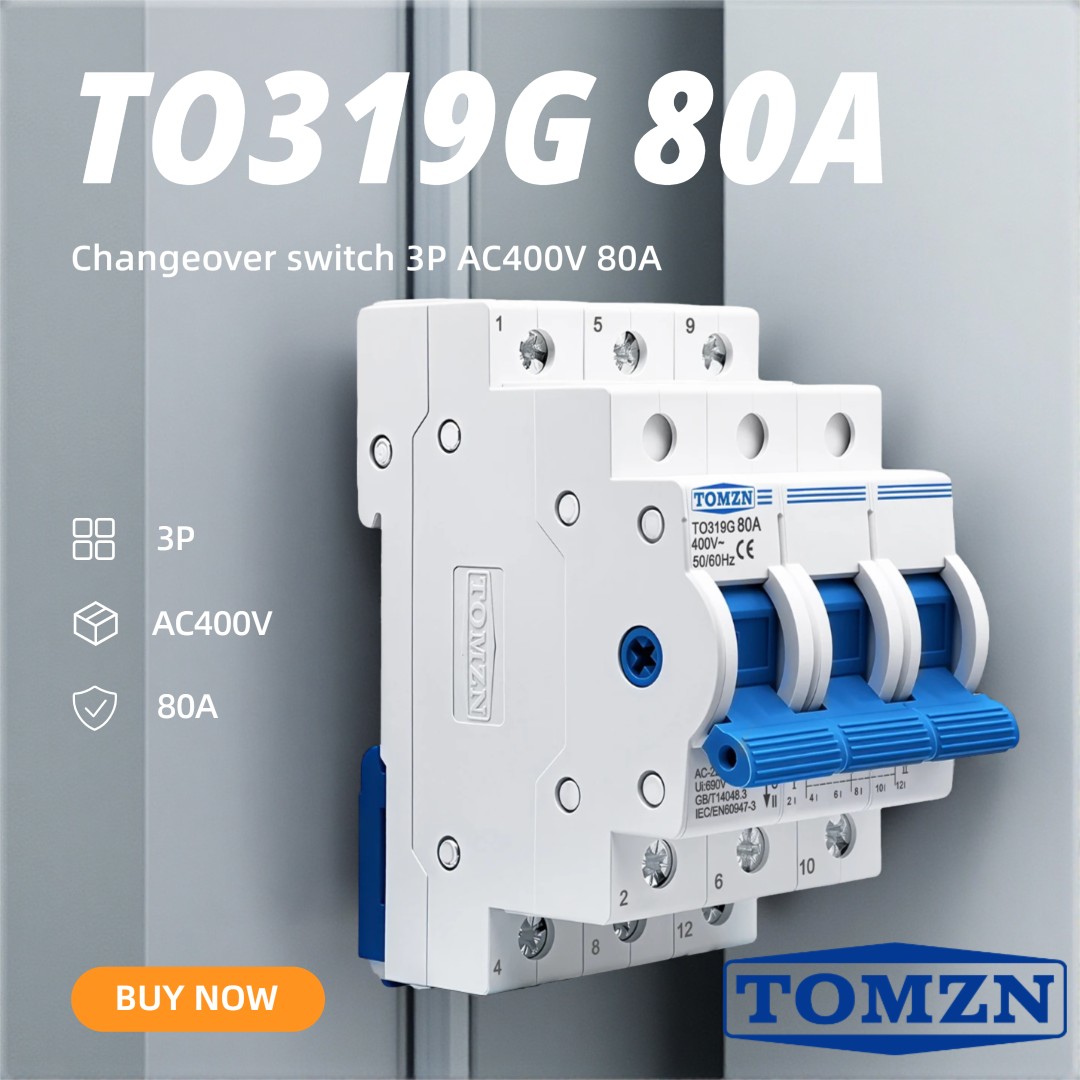
Executive Sourcing Whitepaper: Navigating the Global DIN Rail Circuit Breaker Landscape
The global low-voltage electrical distribution market is undergoing a seismic paradigm shift. As energy infrastructure transitions toward decentralized renewable integration, microgrids, electric vehicle (EV) charging stations, and IoT-enabled smart buildings, the humble DIN rail miniature circuit breaker (MCB) has evolved from a passive, mechanical safety device into a highly sophisticated, intelligent power management node. Standardized on the 35mm top-hat DIN rail specification (EN 60715 / IEC 60715), circuit breakers remain the foundational line of defense against overcurrents, short circuits, thermal runaways, and ground faults across industrial, commercial, and residential applications worldwide.
For international procurement directors, electrical engineering consultants, system integrators, and private-label OEMs, identifying top-tier manufacturing partners requires an exhaustive understanding of technical specifications, material selection, arc extinction mechanics, and international regulatory compliance. This technical report provides an authoritative evaluation of the Top 10 DIN Rail Circuit Breaker Factories & Suppliers, examining manufacturing physics, technological trends, procurement strategies, and global certification benchmarks.
Technical Insight: Modern DIN rail circuit breakers must balance high ultimate short-circuit breaking capacity (Icu) with compact modular width (18mm per pole). Achieving up to 10kA or 15kA breaking capacity in a 18mm housing requires precision-engineered silver-alloy contacts, optimized arc chutes with de-ion plates, and high-dielectric-strength polyamide V-0 thermoplastic enclosures.
Comparative Analysis: Top 10 Global DIN Rail Circuit Breaker Manufacturers
When benchmarking low-voltage circuit protection suppliers, engineering teams evaluate structural durability, magnetic tripping response speed, contact resistance, temperature rise limits, and total cost of ownership (TCO). Below is an industry evaluation matrix highlighting the operational profiles, core strengths, and product specializations of top global manufacturers and OEMs.
| Manufacturer / Hub | Primary Product Specialization | Key Standards Compliance | Breaking Capacity (Icu) | Target Market & Advantage |
|---|---|---|---|---|
| Zhejiang DVS Electric Co., Ltd. (TOMZN) | Smart WiFi/Tuya MCBs, DC Solar MCBs, ATS, Protection Relays | IEC 60898-1, IEC 60947-2, CE, RoHS | 6kA - 10kA (AC), Up to 1000V (DC) | Wenzhou Low-Voltage Capital; Premier OEM/ODM flexibility, rapid prototyping, integrated smart power solutions. |
| Schneider Electric | Acti9 Series, Industrial MCBs, Smart RCBOs | IEC/EN 60898-1, UL 489, UL 1077 | 10kA - 25kA | Global commercial & critical infrastructure; Premium tier pricing, extensive proprietary ecosystem. |
| ABB | System pro M compact, High-Performance MCBs | IEC/EN 60947-2, CSA, UL | 10kA - 50kA | Heavy industrial & railway traction; Advanced magnetic trip coils, high breaking capacity ratings. |
| Siemens | SENTRON 5SY Series, Digital Circuit Protection | IEC/EN 60898-1, VDE, UL 489 | 6kA - 15kA | Automotive & process automation panels; Exceptional thermal stability and selective trip co-ordination. |
| Eaton | xEffect Series, FAZ Miniature Circuit Breakers | IEC 60947-2, UL 489, CE | 10kA - 15kA | North American & European machinery builders; Robust current-limiting design. |
| Legrand | DX³ & TX³ Series Distribution Protection | IEC 60898-1, NF, CE | 6kA - 10kA | Residential & commercial construction; High installation efficiency and terminal safety. |
| Chint Electrics | NB1, NXB Series Standard MCBs | IEC 60898-1, CCC, CE | 6kA - 10kA | Mass commercial distribution; High volume standardized supply chain. |
| Delixi Electric | C65N, DZ47 Series Modular Breakers | IEC 60898-1, CCC, CE | 4.5kA - 6kA | Budget residential construction & civil utility projects. |
| Hager | MW & NBN Series Modular MCBs | IEC 60898-1, VDE, CE | 6kA - 10kA | European residential installer network; Bi-connect terminal options. |
| Mitsubishi Electric | BH-D Series Miniature Circuit Breakers | IEC 60947-2, JIS, CE | 6kA - 10kA | Asian industrial automation & HVAC power distribution panels. |
Engineering Physics of DIN Rail Circuit Breakers: Arc Quenching & Thermal-Magnetic Protection
Understanding the internal physical mechanics of a DIN rail MCB is essential for engineering procurement officers responsible for specifying protective gear under harsh operational conditions. A circuit breaker must reliably execute two primary protective functions: inverse-time thermal protection against prolonged overloads and instantaneous electromagnetic protection against high-magnitude short-circuit faults.
1. Thermal Overload Protection Mechanism
Thermal protection relies on a calibrated bimetallic strip composed of two bonded metals with differing thermal expansion coefficients (typically brass and steel or invar). When continuous load current exceeds the rated current ($I_n$) of the circuit breaker, ohmic heating ($I^2R$) causes the bimetallic strip to bend proportionally toward the trip latch. Upon reaching a critical deflection threshold, the bimetal releases the mechanical contact spring, opening the main contacts. The trip response follows an inverse-time characteristic: higher overcurrents cause faster thermal bending, as defined by standard B, C, and D tripping curves (IEC 60898-1):
- B-Curve: Instantaneous magnetic trip at $3I_n$ to $5I_n$. Ideal for resistive loads, long cable runs, and IT equipment.
- C-Curve: Instantaneous magnetic trip at $5I_n$ to $10I_n$. Standard for commercial lighting, general socket outlets, and inductive household loads.
- D-Curve: Instantaneous magnetic trip at $10I_n$ to $20I_n$. Engineered for high inrush currents, transformers, motors, and industrial power supplies.
2. Electromagnetic Short-Circuit Protection & Arc Extinction
Short circuits generate extreme fault currents ranging from several hundred amperes to tens of kiloamperes within milliseconds. To prevent conductor melting and switchboard fires, a dedicated magnetic solenoid coil activates instantaneously when fault current surges past the designated curve threshold. The magnetic flux forces an internal plunger to strike the trip lever in less than 3 to 5 milliseconds.
However, opening mechanical contacts under thousands of amperes generates a high-temperature ionized plasma electric arc, reaching temperatures over 6,000°K. Extinguishing this electric arc before contact erosion occurs requires a sophisticated arc chute assembly. The arc is drawn away from the contacts via permanent magnetic blowouts or ferromagnetic runner plates into an arc chamber containing a stack of insulated steel splitter plates (de-ion grid). These plates divide the single high-voltage arc into multiple short series arcs, rapidly increasing the total arc voltage above the system supply voltage, cooling the plasma, and quenching the current at the next voltage zero-crossing.
Key Trends Reshaping the DIN Rail Circuit Breaker Industry (2025–2030)
As smart power distribution, renewable microgrids, and IoT connectivity mature, circuit breaker manufacturers are advancing beyond conventional mechanical breakers. Sourcing directors must anticipate these five core industry development trends when planning long-term component procurement:
1. IoT Connectivity & Tuya/Smart Life Platform Integration
The rapid convergence of smart home automation and industrial energy management has created immense demand for smart DIN rail circuit breakers. Modern smart breakers—such as the TOMZN WIFI Smart Circuit Breaker 2P 230V AC—feature embedded Wi-Fi, Bluetooth, or RS485 Modbus communication modules within standard 18mm or 36mm DIN rail footprints. These units enable real-time current/voltage monitoring, remote switching via Tuya/Smart Life applications, automated timer scheduling, and customizable over-under voltage threshold triggers. Facility managers can monitor energy consumption ($kWh$) and detect power anomalies remotely without requiring bulky external power meters.
2. High-Voltage DC Circuit Breakers for Photovoltaics & Energy Storage (BESS)
With global solar PV installations migrating to higher operating voltages to reduce copper losses, traditional AC circuit breakers are completely unsuitable for direct current protection. DC arcs do not possess a natural zero-voltage crossing, making arc extinction exceptionally difficult. Advanced DC MCBs utilize polarized magnetic arc chutes, specialized contact gaps, and multi-pole series wiring to handle DC operational voltages up to 1000V DC and 1500V DC in solar string combiner boxes and lithium battery energy storage systems (BESS).
3. Integrated Over and Under Voltage Protection with Automatic Phase Selection
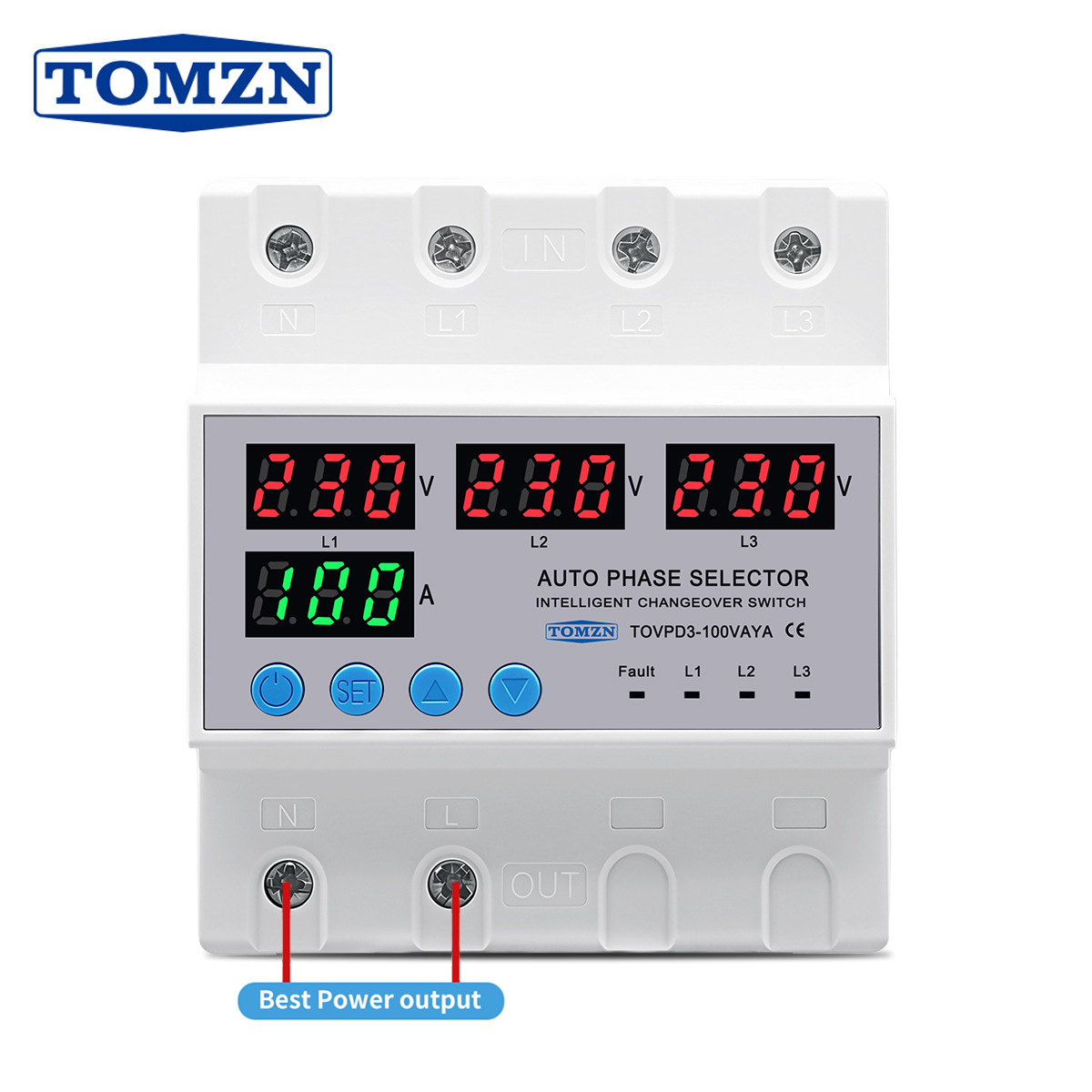
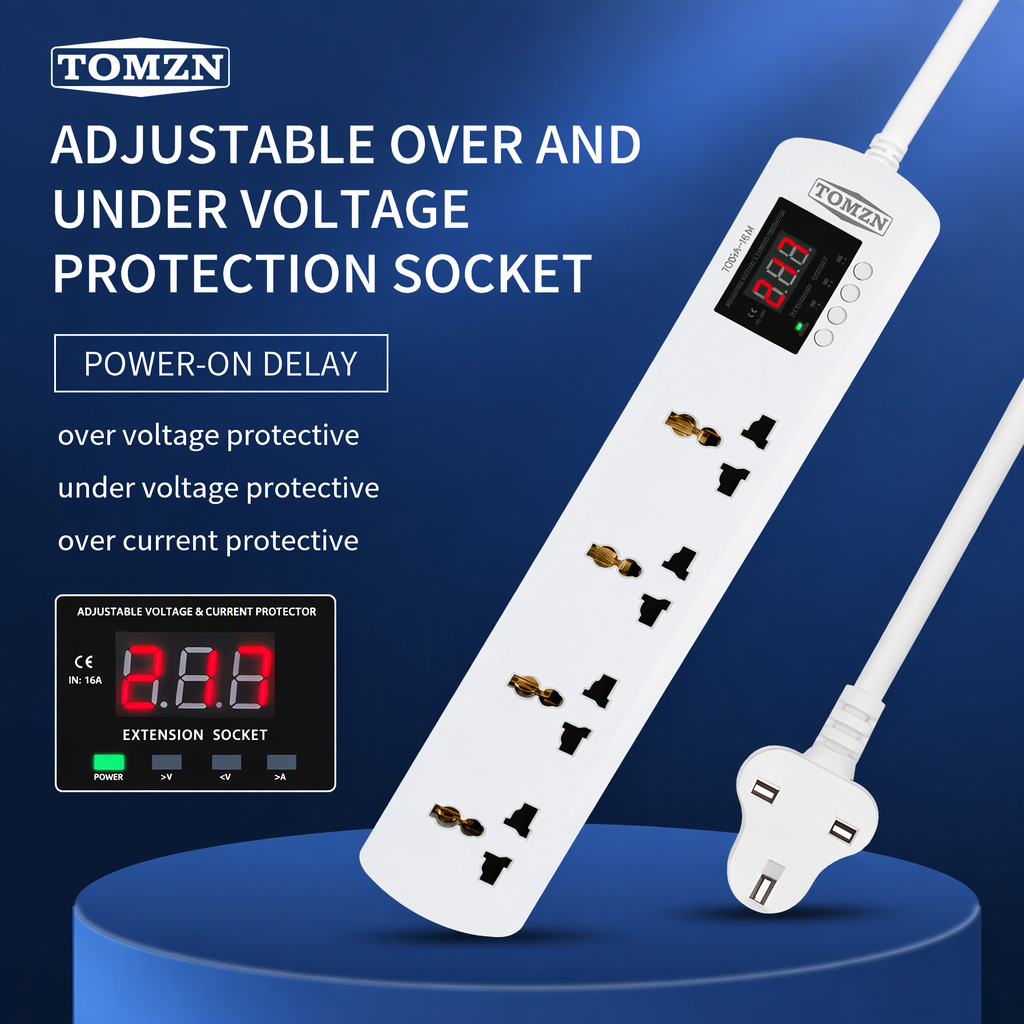
In regions with unstable municipal utility grids or frequent neutral line disconnections, temporary overvoltages (TOV) can instantly destroy sensitive electronic appliances, refrigeration compressors, and industrial drives. Sourcing trends favor multifunction DIN rail relays that combine adjustable overvoltage protection (230V–300V), undervoltage protection (140V–210V), overcurrent limits, and automatic phase selection (3P+N). These micro-processor-controlled devices isolate loads during voltage spikes and automatically restore power after a pre-programmed delay when grid parameters normalize.
4. Automatic Transfer Switches (ATS) & Uninterrupted Power Switching
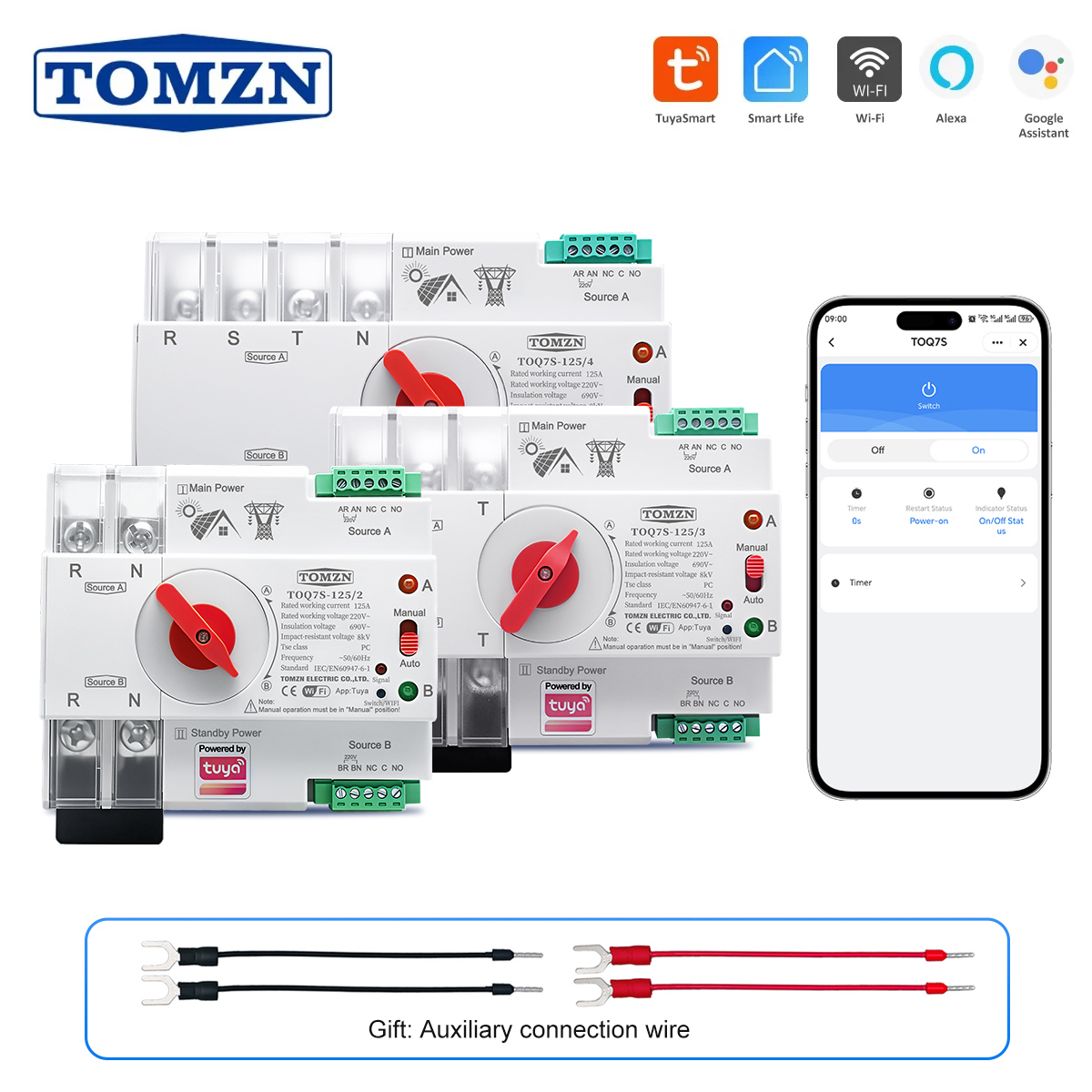
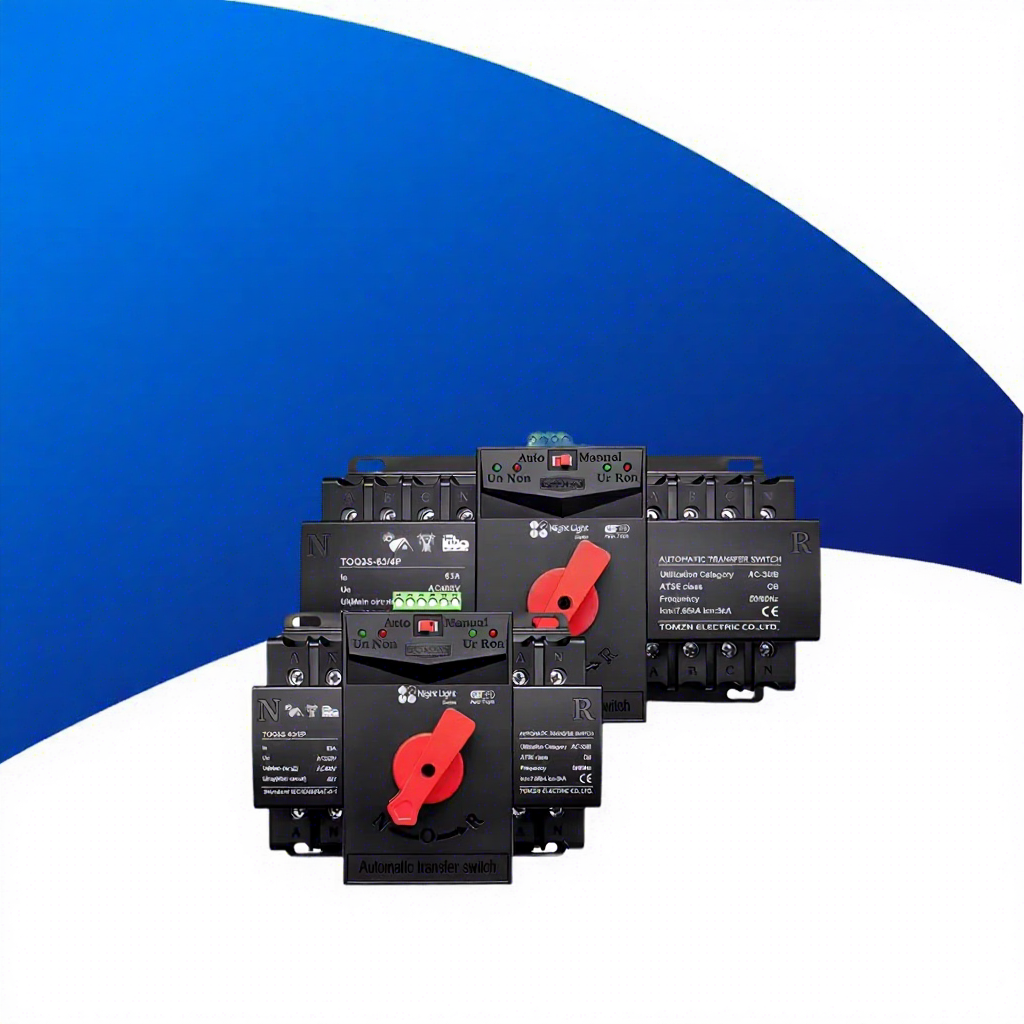
As hybrid solar systems and standby diesel generators proliferate in commercial and residential buildings, compact DIN-rail mounted Automatic Transfer Switches (ATS) have become essential. Modern dual-power ATS units switch loads between primary grid power and secondary backup sources in under 50 milliseconds, ensuring zero disruption to critical IT infrastructure, medical devices, and smart automation hubs.
5. Sustainable Materials & Flame-Retardant Eco-Thermoplastics
Environmental directives like EU RoHS and REACH have forced top factories to replace halogenated flame retardants with environmentally friendly, high-grade Polyamide 66 (PA66) reinforced with glass fiber. These housing materials exhibit exceptional glow-wire ignition temperature (GWIT > 850°C), flame retardancy rating UL94 V-0, and high mechanical impact resistance, guaranteeing zero toxic gas emission during internal arcing events.
Why Source from Zhejiang DVS Electric Co., Ltd. (TOMZN)
Leveraging 24 years of manufacturing heritage in Liushi Town, Wenzhou—China's electrical capital—we deliver uncompromised quality, rigorous testing, and complete OEM/ODM customization.
5,700 m² Certified Facility
State-of-the-art manufacturing plant in Wenzhou equipped with automated spot welding, bimetal calibration benches, and automated arc chute assembly lines.
100% On-Line Quality Testing
Every circuit breaker undergoes instant magnetic trip verification, thermal response calibration, contact resistance measuring, and high-voltage insulation dielectric withstand tests.
Flexible OEM & ODM Engineering
Complete custom design capability including custom ampere ratings, personalized laser marking, customer logo packaging, specialized trip curves, and smart app brand white-labeling.
Strategic Procurement Trends: How Procurement Leaders Mitigate Supply Risk
In an increasingly volatile global economy, procurement executives are moving away from traditional single-source vendor strategies toward resilient, multi-tiered sourcing frameworks. Sourcing leaders must evaluate prospective circuit breaker suppliers through four strategic dimensions:
1. Total Cost of Ownership (TCO) vs. Initial Unit Price
While low initial unit pricing may appear attractive, substandard circuit breakers with high contact resistance or inconsistent trip tolerances incur severe hidden costs. Frequent false tripping leads to costly commercial downtime, while contact welding during minor faults can destroy downstream transformers, solar inverters, and switchgear panels. Selecting verified manufacturers using silver-tin-oxide ($AgSnO_2$) contact tips significantly extends electrical endurance beyond 10,000 switching operations, minimizing lifetime replacement costs.
2. Factory Automation & Traceability Verification
Leading circuit breaker factories employ automated vision inspection systems and laser barcode engraving on every finished housing. This ensures full batch traceability from incoming copper raw material through bimetal stamping to final dielectric voltage testing. Buyers should request comprehensive third-party audit reports (such as SGS, TÜV, or Intertek inspection certificates) to verify production capacity and quality system compliance.
3. Rapid Prototyping & Custom Certification Support
As regional electrical codes evolve, distributors often require custom product variations—such as neutral-switched 1P+N modules, non-standard voltage relays, or customized smart home protocols. A direct manufacturing partner with in-house tooling capabilities drastically reduces sample prototyping cycles from months to days, accelerating time-to-market for private-label brand launches.
Frequently Asked Sourcing & Technical Questions (FAQ)
Clear, direct engineering answers to common procurement, compliance, and installation queries.
Accelerate Your Low-Voltage Component Sourcing Today
Partner with Zhejiang DVS Electric Co., Ltd. (TOMZN) for factory-direct wholesale pricing, OEM private-label packaging, and comprehensive engineering datasheets.
Get Catalog