High-Performance OEM/ODM Circuit Protection & Switching Devices
Direct from verified Wenzhou manufacturing lines. Built under strict IEC/EN standards with full OEM private-label customization options.
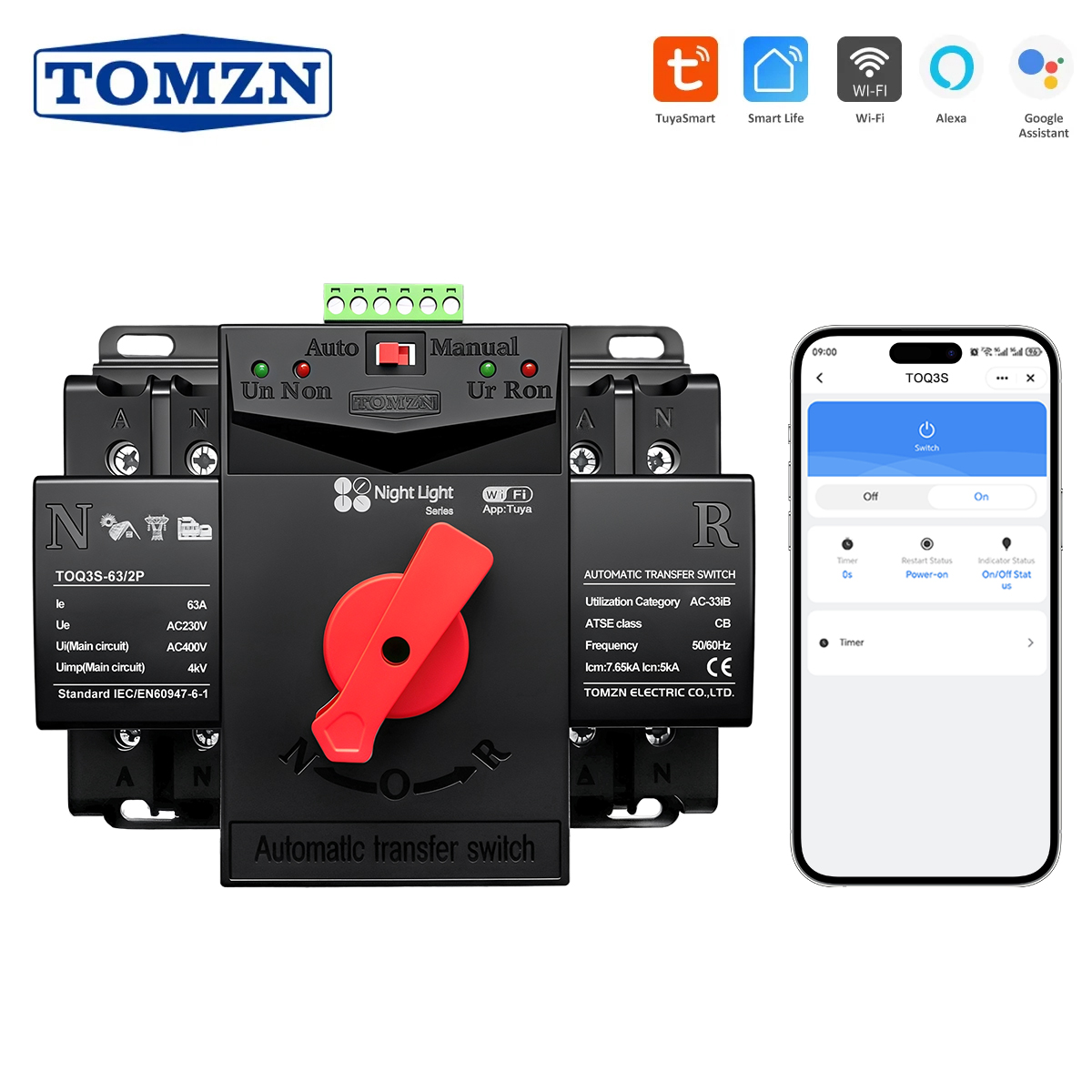
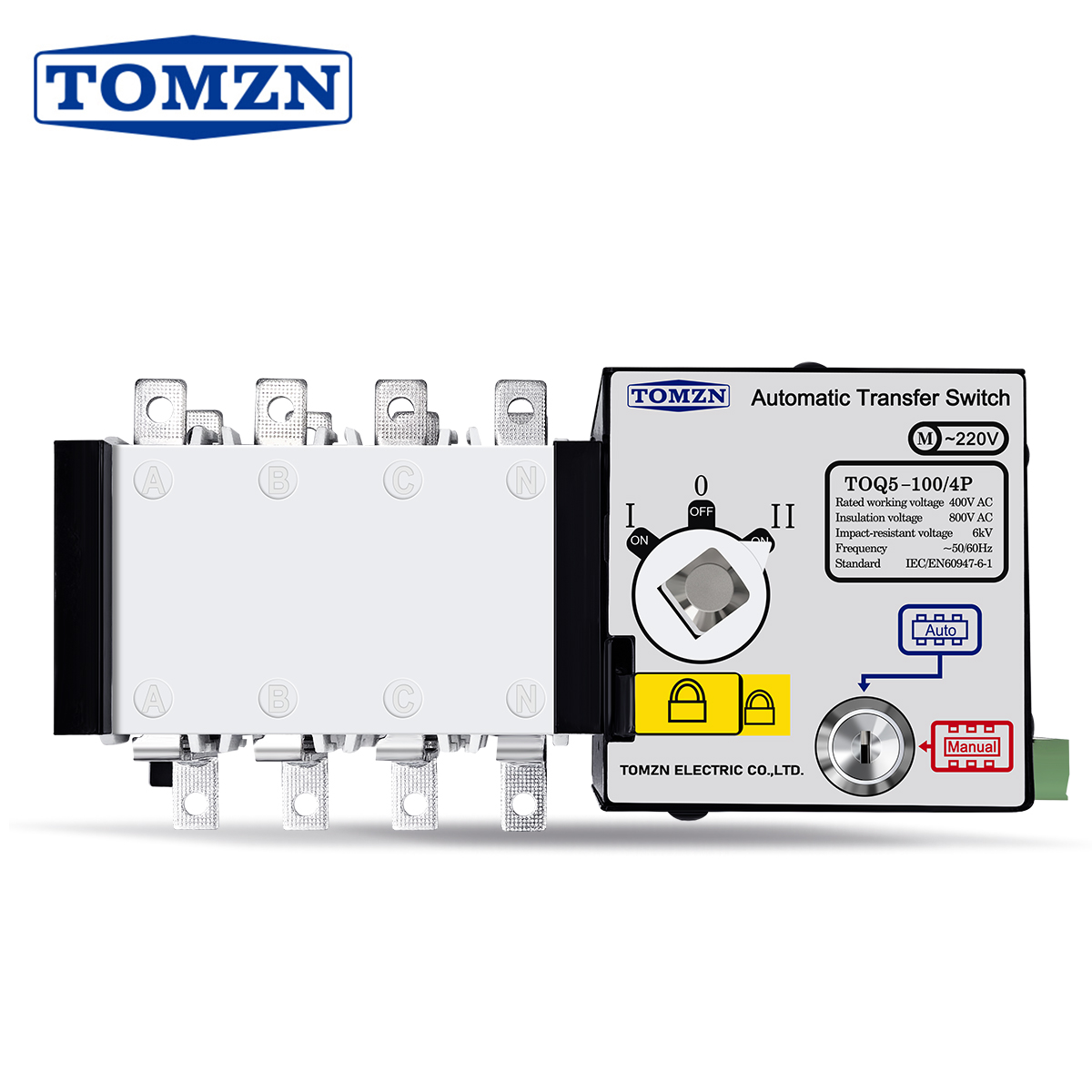
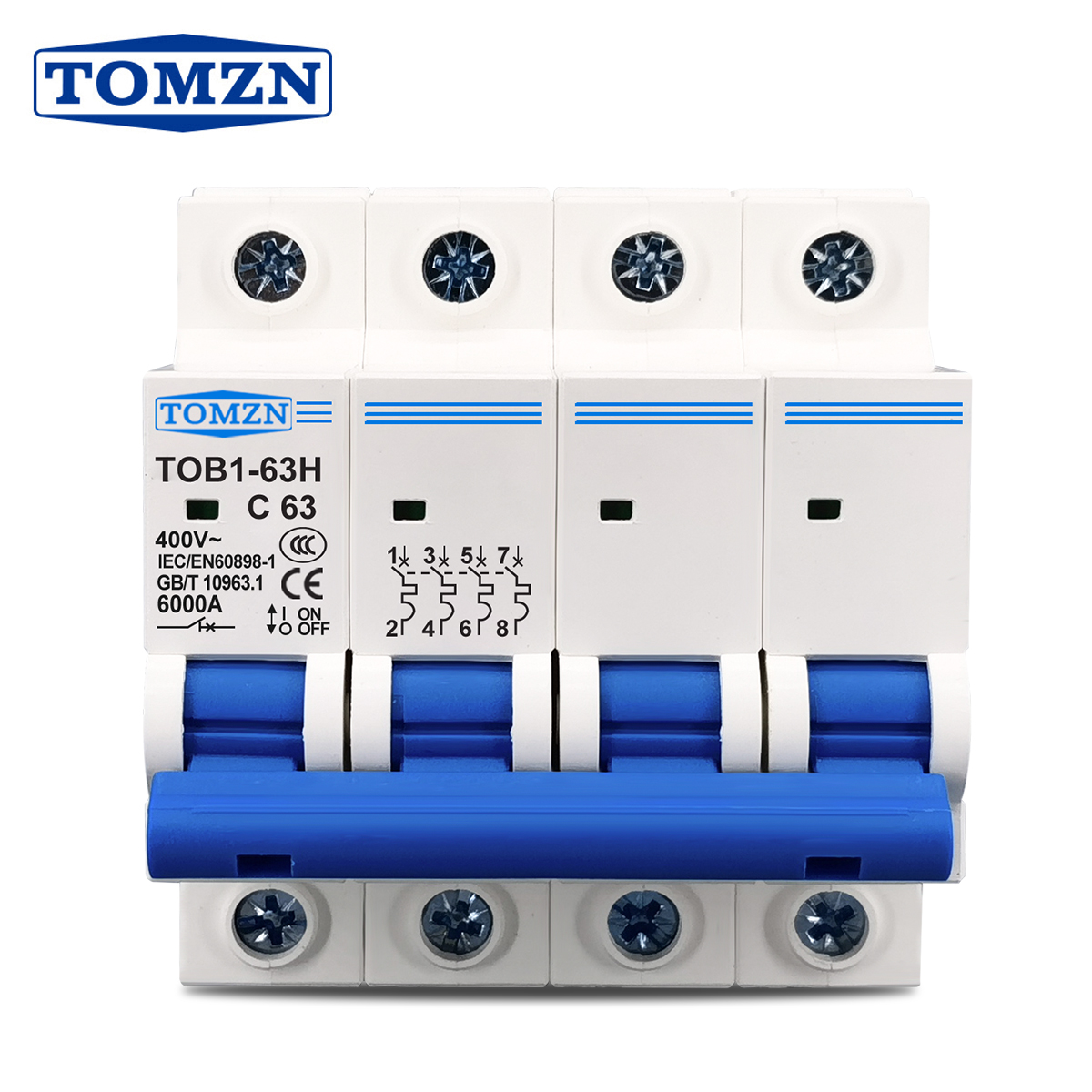
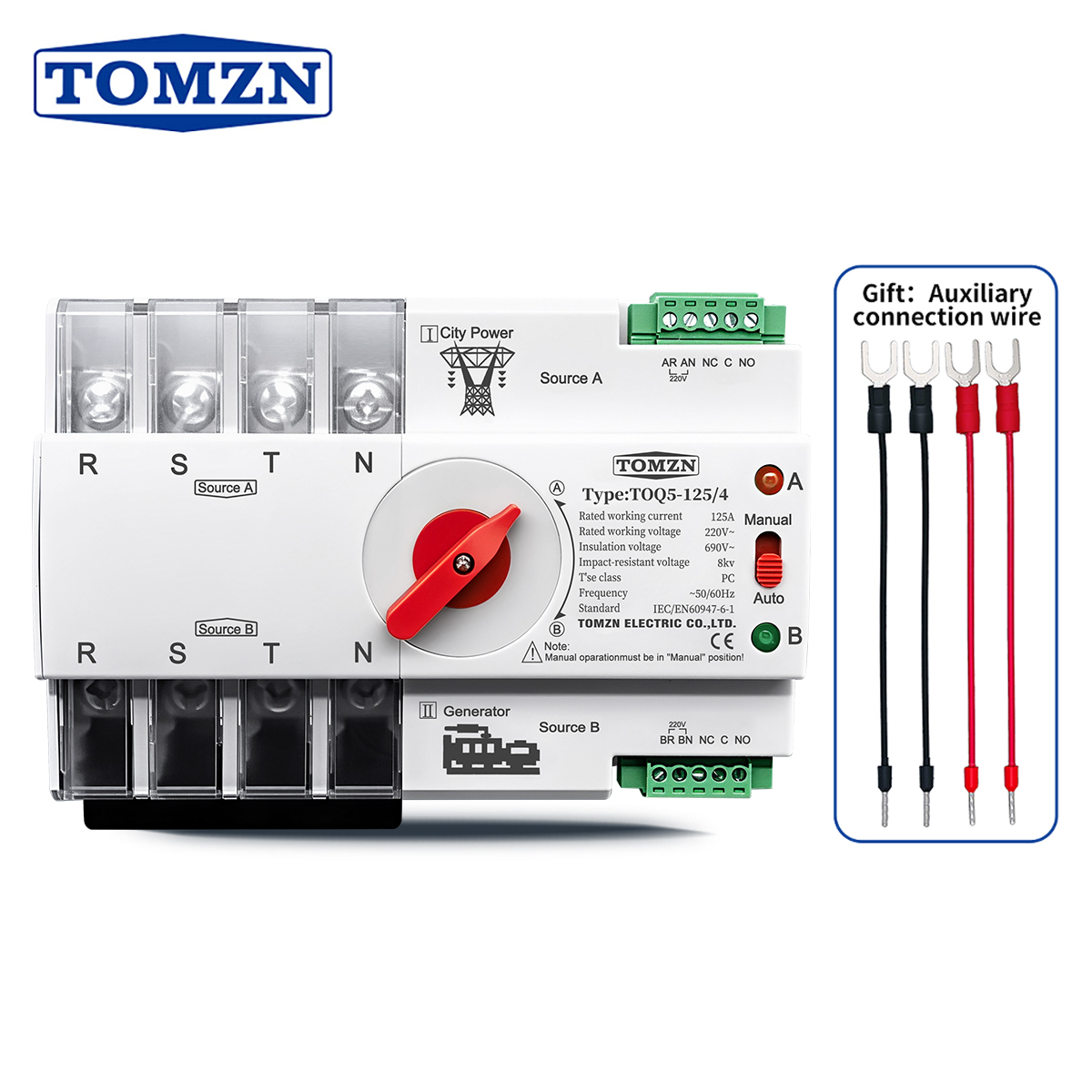
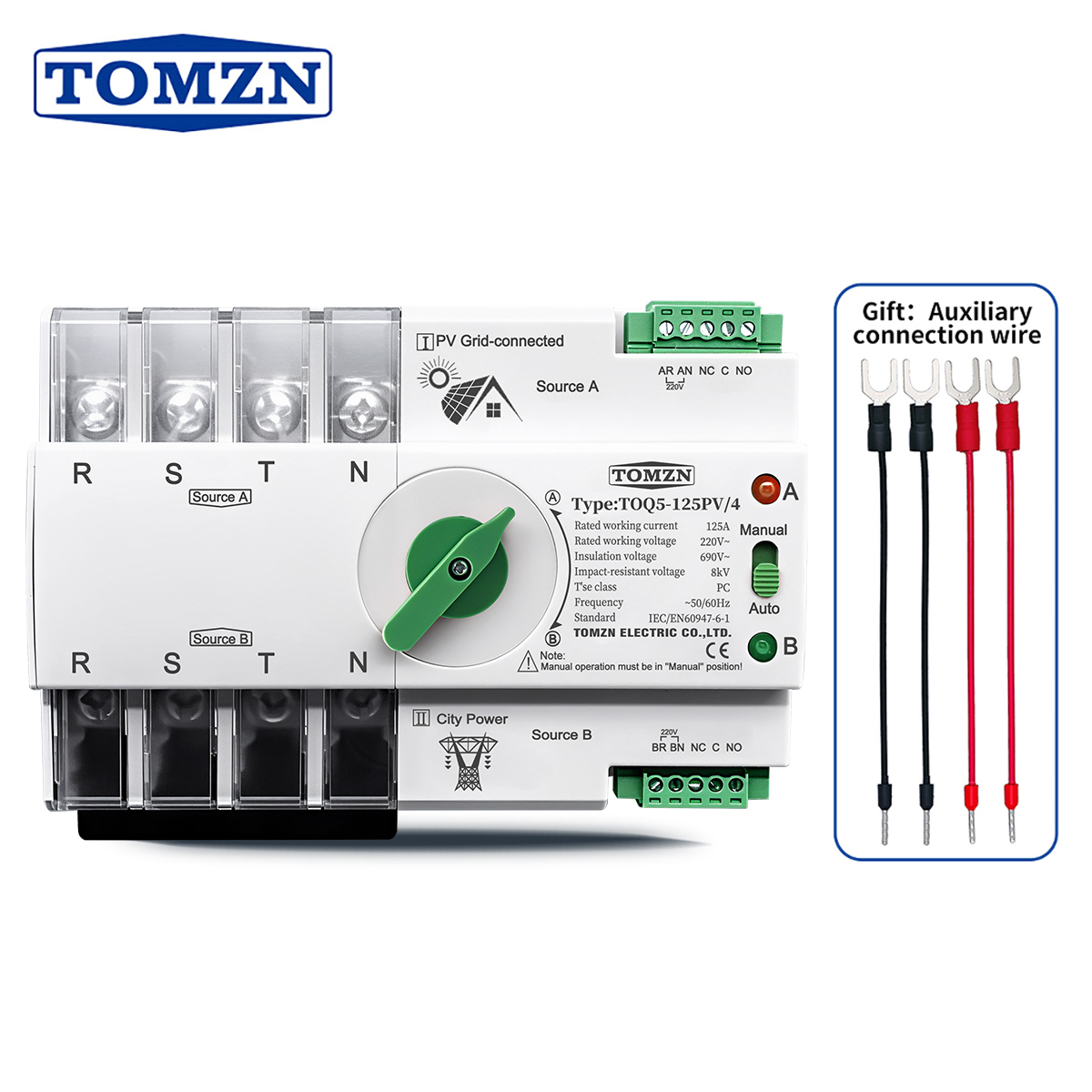
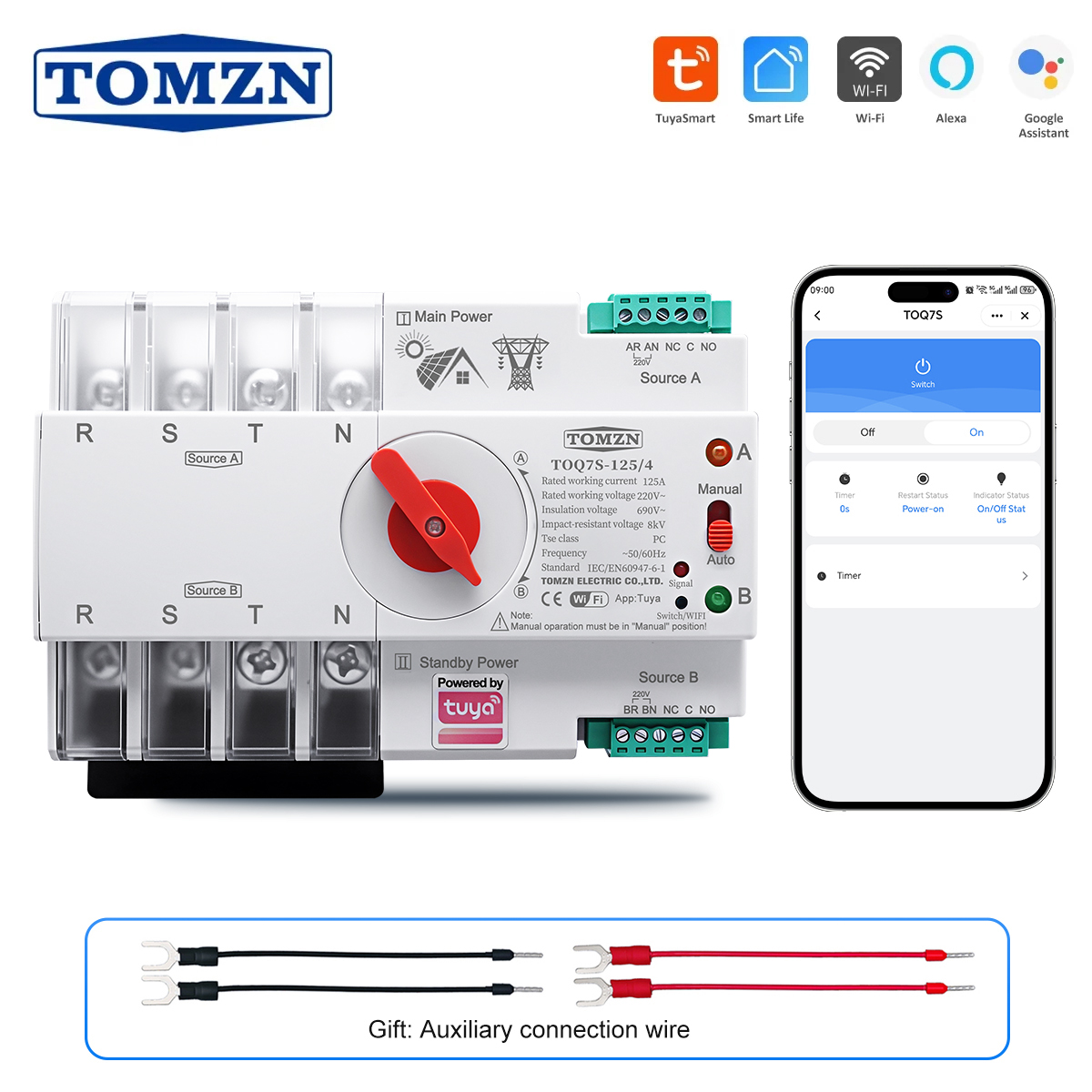
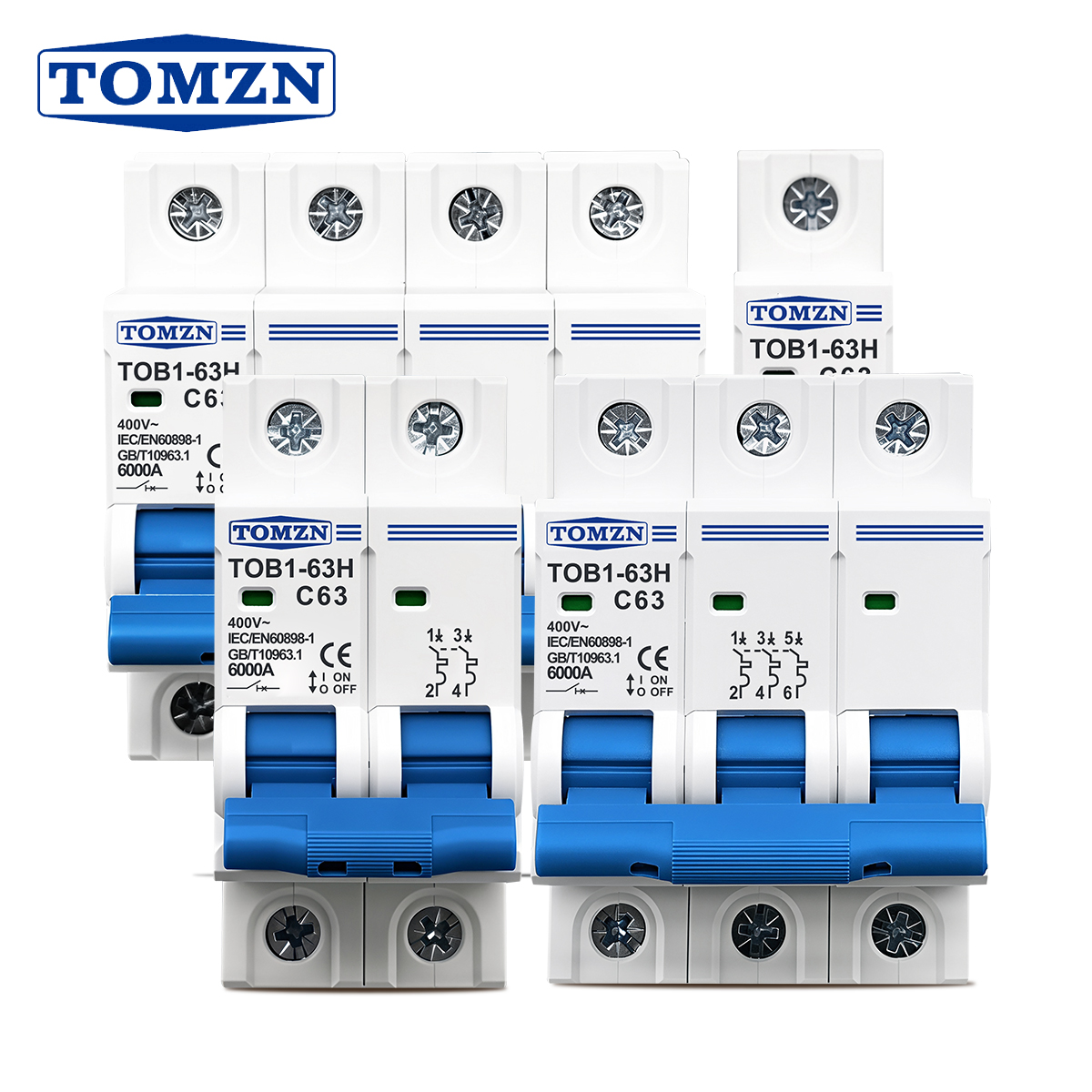
Inside Modern OEM/ODM RCBO Circuit Breaker Factories & Production Standards
In contemporary low-voltage electrical distribution, the RCBO (Residual Current Breaker with Overcurrent Protection) represents the gold standard for life-safety and infrastructure protection. Combining the short-circuit and thermal-overload protection of a traditional Miniature Circuit Breaker (MCB) with the ground-fault earth leakage protection of a Residual Current Device (RCD), an RCBO ensures complete dual protection within a single DIN-rail module.
For global brand owners, importers, electrical contractors, and OEM procurement managers, evaluating OEM/ODM RCBO circuit breaker factories requires an in-depth understanding of manufacturing precision, trip calibration standards, arc quenching mechanisms, and international regulatory compliance (IEC/EN 61009-1). Located in Liushi Town, Wenzhou—China's premier low-voltage electrical manufacturing hub—Zhejiang DVS Electric Co., Ltd. brings over 24 years of custom manufacturing authority to the global electrical engineering market.
Key Engineering Insight: Unlike standalone RCCBs that require downstream MCB pairing, modern compact RCBOs integrate a high-sensitivity core balance current transformer (CBCT) alongside an electromagnetic trip bar in a compact 18mm (1P+N) housing. Achieving reliable 6kA to 10kA breaking capacity in compact enclosures requires advanced silver-alloy contact welding, arc chute chute tuning, and dynamic thermal calibration during factory assembly.
1. Technical Breakdown: RCBO Core Components & Tripping Mechanics
A high-quality OEM RCBO circuit breaker manufactured in a tier-1 facility consists of five critical sub-assemblies:
- Zero-Sequence Core Balance Current Transformer (CBCT): High-permeability toroidal nanocrystalline or mumetal core that continuously monitors vector balance between live and neutral conductors. Any imbalance exceeding the rated residual operating current (\(I_{\Delta n}\), typically 10mA, 30mA, or 300mA) induces a secondary voltage that triggers the electronic/electromechanical release relay.
- Thermal-Magnetic Overload & Short-Circuit Unit: Includes a bimetallic strip for inverse time-delayed thermal protection against prolonged overloads, paired with a rapid magnetic solenoid plunger for instant magnetic tripping under high short-circuit faults (B, C, or D curves).
- Arc Extinguishing Chamber (Arc Chute): Composed of 9 to 13 de-ionizing steel splitter plates engineered to rapidly stretch, cool, and extinguish high-temperature electrical arcs produced during contact separation under 6,000A or 10,000A fault conditions.
- Silver-Graphite Contact System: High-purityAgCdO or AgSnO2 contact rivets that resist contact welding and erosion over thousands of mechanical and electrical operating cycles.
- Integrated Test Button & Filter Circuitry: A manual test circuit that creates an artificial earth leakage current to periodically verify mechanical trip readiness, accompanied by transient surge suppression capacitors to prevent nuisance tripping caused by lightning spikes or switching surges.
2. RCD Tripping Waveform Types: AC, A, F, and B Classifications
Procurement teams must select the appropriate residual current tripping characterization based on the end-market application and connected electrical loads:
Type AC: Designed exclusively for pure sinusoidal AC residual currents. While historically popular in basic residential wiring, Type AC RCBOs are increasingly restricted or banned in modern European national standards (e.g., DIN VDE 0100-530, BS 7671 18th Edition) due to their inability to sense DC-pulsating fault currents generated by modern electronic loads.
Type A (Global Standard): Detects both sinusoidal alternating currents and residual pulsating direct currents. Type A RCBOs are the mandatory benchmark for modern residential and commercial buildings containing switched-mode power supplies, variable speed drives, heat pumps, and induction cooktops.
Type B & Type F (Advanced Industrial & EV Applications): Type B RCBOs detect smooth DC residual currents, high-frequency AC leakage currents up to 1kHz, and pulsating DC currents. They are essential for EV charging infrastructure (IEC 61851), photovoltaic inverter outputs, solar storage batteries, and industrial frequency converters where smooth DC leakage can blind standard Type A transformers.
OEM/ODM RCBO Technical Parameter Comparison
Use this comprehensive engineering specification matrix when planning private-label manufacturing orders or specifying technical tenders.
| Electrical Parameter | Standard Household RCBO | Industrial & EV Grade RCBO | Smart IoT RCBO (WiFi/RS485) | OEM Factory Customization Options |
|---|---|---|---|---|
| Standard Compliance | IEC/EN 61009-1, GB 16917.1 | IEC/EN 61009-1, IEC 62423 | IEC 61009-1, IEC 60947-2 | Custom marking, CE, CB, RoHS, SEMKO |
| Pole Configurations | 1P+N (18mm), 2P | 1P+N, 2P, 3P+N, 4P | 1P+N, 2P, 4P | Single-module 18mm or 36mm width housing |
| Rated Current (\(I_n\)) | 6A, 10A, 16A, 20A, 25A, 32A, 40A | 6A up to 63A, 80A, 100A, 125A | 6A, 16A, 32A, 63A | Custom calibrated current ratings |
| Sensitivity (\(I_{\Delta n}\)) | 30mA (Life Safety) | 10mA, 30mA, 100mA, 300mA | 30mA (Adjustable via App) | 10mA, 30mA, 100mA, 300mA, 500mA |
| Residual Type | Type AC, Type A | Type A, Type F, Type B | Type A, Type AC | Selective time-delay (Type S) options |
| Breaking Capacity (\(I_{cn}\)) | 4,500A / 6,000A (6kA) | 6,000A / 10,000A (10kA) | 6,000A (6kA) | Up to 10kA under IEC 61009-1 testing |
| Tripping Curves | B Curve (3-5 In), C Curve (5-10 In) | C Curve, D Curve (10-14 In) | C Curve | B, C, or D curve thermal-magnetic balance |
| Smart Capabilities | Manual Trip & Mechanical Indicator | Auxiliary Contact Output Options | Tuya / eWeLink / RS485 Modbus | Remote ON/OFF, Energy Metering, Timers |
Future Procurement & Technology Trends in RCBO Circuit Breaker Manufacturing
Key technological shifts and procurement dynamics transforming the low-voltage circuit protection market through 2030.
1. Transition from Type AC to Type A & Type B RCDs
Global regulatory enforcement is driving widespread phasing out of Type AC RCDs. Importers and OEM brands are shifting procurement budgets toward Type A and Type B RCBOs to accommodate EV charging stations, solar PV installations, and electronic residential appliances that bleed DC components into earth circuits.
2. Compact 18mm (1P+N) Single-Module Architecture
Panel space constraint is a primary concern for electrical installers. Advanced OEM factories are replacing legacy 36mm (2-module) RCBO designs with ultra-compact 18mm (1P+N) true-switched neutral units, allowing switchboard builders to double circuit density without expanding enclosure sizes.
3. IoT Smart Metering & Remote Trip Automation
Commercial smart buildings and rental energy platforms demand real-time diagnostics. Modern ODM factories now integrate WiFi, Zigbee, Tuya, or RS485 Modbus RTU microcontrollers directly into RCBO enclosures, providing real-time voltage/current monitoring, remote switching, auto-reclosing, and predictive fault notifications.
4. Enhanced Voltage Surge & Lightning Immunity
Grid instability and rising global weather severity increase risks from transient voltage surges. Future procurement standards mandate RCBOs equipped with enhanced 4kV or 6kV surge impulse withstand capabilities (\(U_{imp}\)), preventing nuisance tripping while protecting delicate electronic components downline.
5. Sustainable Flame-Retardant Polymer Engineering
Environmental standards (RoHS, REACH) require manufacturers to replace halogenated flame retardants with eco-friendly polyamides (PA66) reinforced with glass fiber. These materials deliver VO self-extinguishing ratings, thermal stability up to 960°C glow-wire test thresholds, and high tracking resistance (CTI ≥ 175V).
6. Automated B2B Factory Audits & Traceability
Global buyers are moving away from unverified trading companies toward verified OEM factories with automated laser marking, QR-code component traceability, automatic trip calibration stations, and full third-party test reports (CE, Intertek, TÜV Rheinland) for every batch.
Why Partner with Zhejiang DVS Electric Co., Ltd. for OEM/ODM Sourcing?
Combining 24 years of manufacturing heritage in Wenzhou with rigorous quality management and direct export capability.
5,700 m² Integrated Production Facility
Located in Liushi Town, Wenzhou—China's electrical capital. Our facility houses dedicated assembly lines for circuit breakers, transfer switches, SPDs, and smart energy meters under one roof.
Third-Party Verified Quality Management
Independent third-party inspection firms audit our manufacturing lines, raw material quality controls, and testing routines. Our quality management system guarantees batch consistency.
Full OEM/ODM Branding Flexibility
We provide complete pad printing, laser marking, customized terminal covers, private-label color boxes, carton branding, and custom voltage/current trip curve tuning.
CE Compliance & Global Export Logistics
With over US$3.3M+ in annual exports serving distributors across Europe, South America, Southeast Asia, and the Middle East, our team handles all custom documentation and port logistics smoothly.
Procurement & Technical FAQ for B2B Importers
Direct answers to common technical, manufacturing, and procurement questions asked by wholesale buyers.
1. What is the fundamental technical difference between an RCBO, RCCB, and MCB?
2. Is Zhejiang DVS Electric Co., Ltd. a direct factory or a trading supplier?
3. Why should I specify Type A RCBOs instead of Type AC for modern markets?
4. What customization options are available for OEM / ODM private-label orders?
5. How does your factory ensure 100% tripping accuracy and breaking capacity safety?
6. What is the standard Minimum Order Quantity (MOQ) and lead time for wholesale orders?
Partner with a Leading OEM/ODM RCBO Manufacturer Today
Get direct factory quotes, technical datasheets, sample units, and private-label customization options for your market requirements. Our engineering team responds within 12 business hours.
