Featured Power Transfer & Circuit Breaker Product Series
Engineered for seamless generator changeover, intelligent phase isolation, and heavy-duty industrial circuit protection.
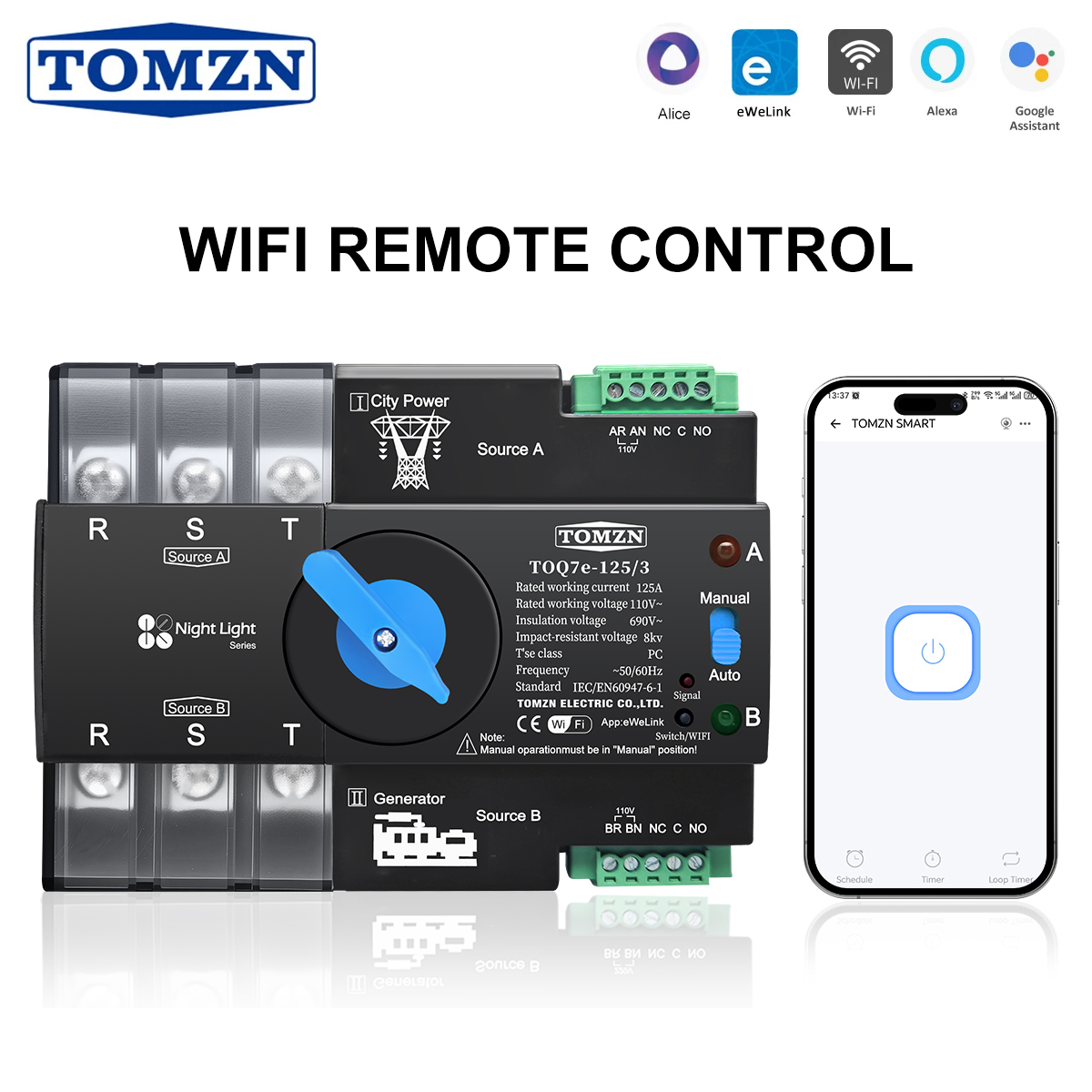
TOMZN 110V/120V Three Phase Smart ATS Dual Power Automatic Transfer Selector Switch Uninterrupted 3P 125A EWeLink Din Rail
View Details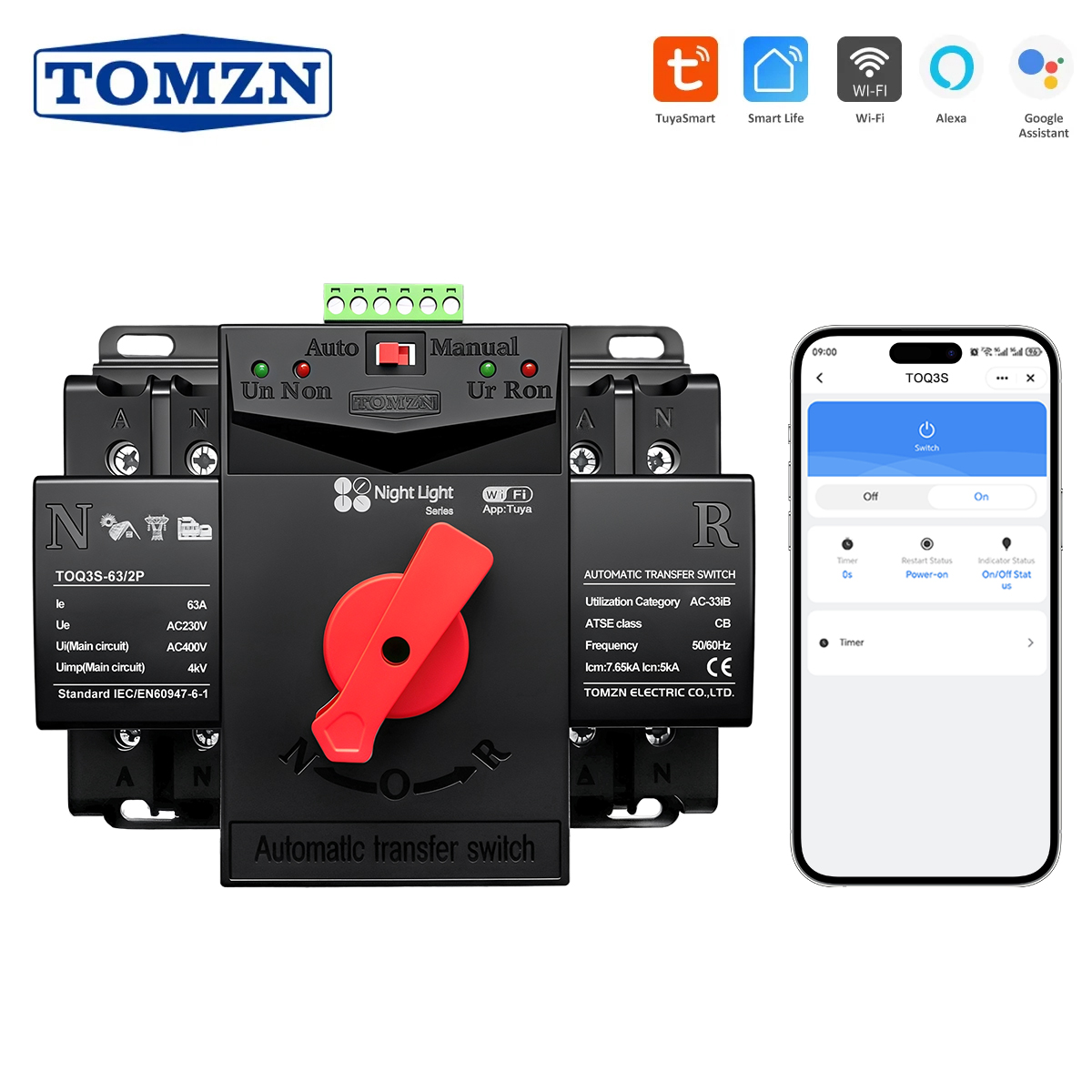
TOMZN SmartLife WiFi Smart ATS 2P 63A Dual Power Auto Transfer Switch AC 230V MCB Type Generator Changeover Switch Short Circuit
View Details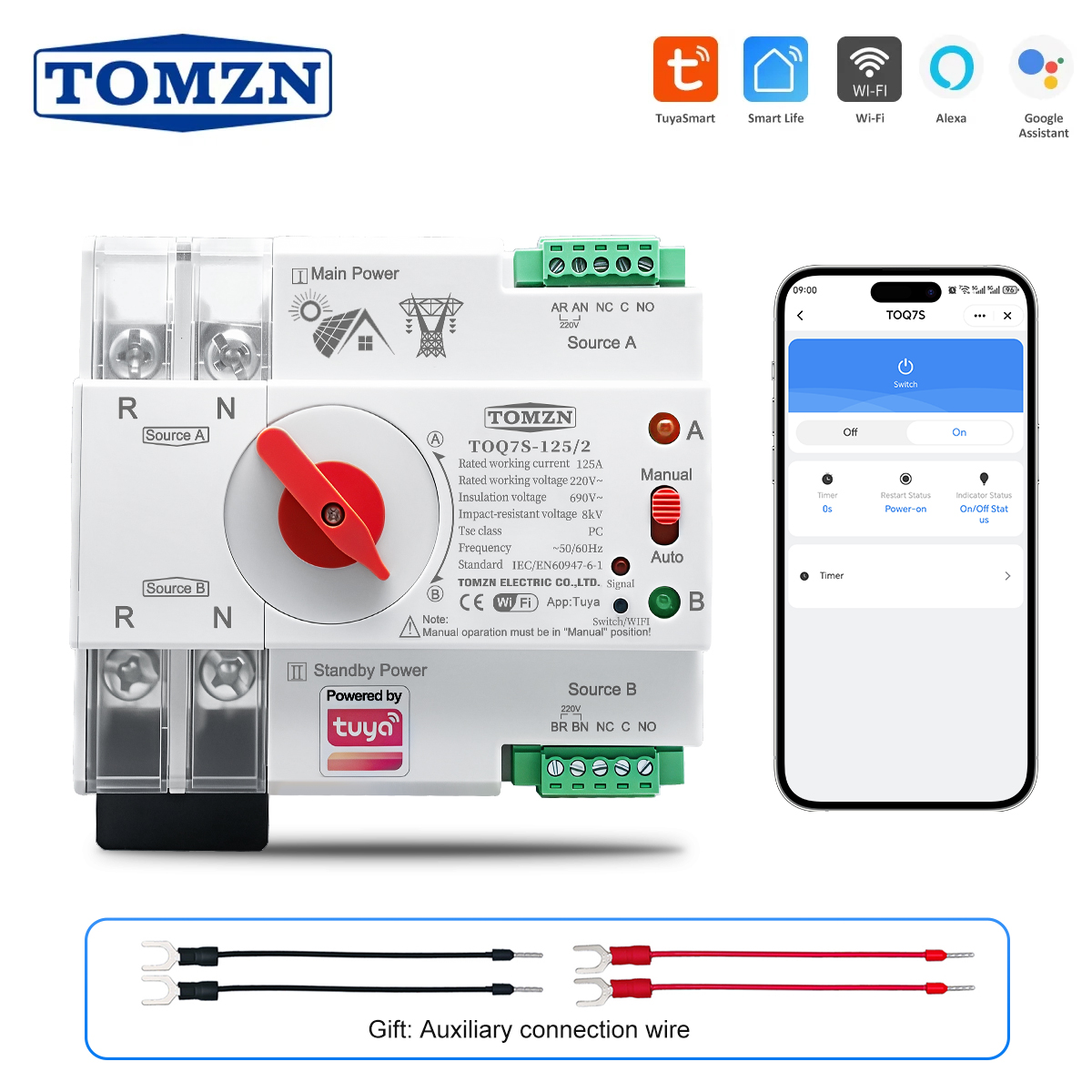
TOMZN TUYA SmartLife WIFI Smart ATS Dual Power Automatic Transfer Selector Switch Uninterrupted 2P 230V 63A 100A 125A
View Details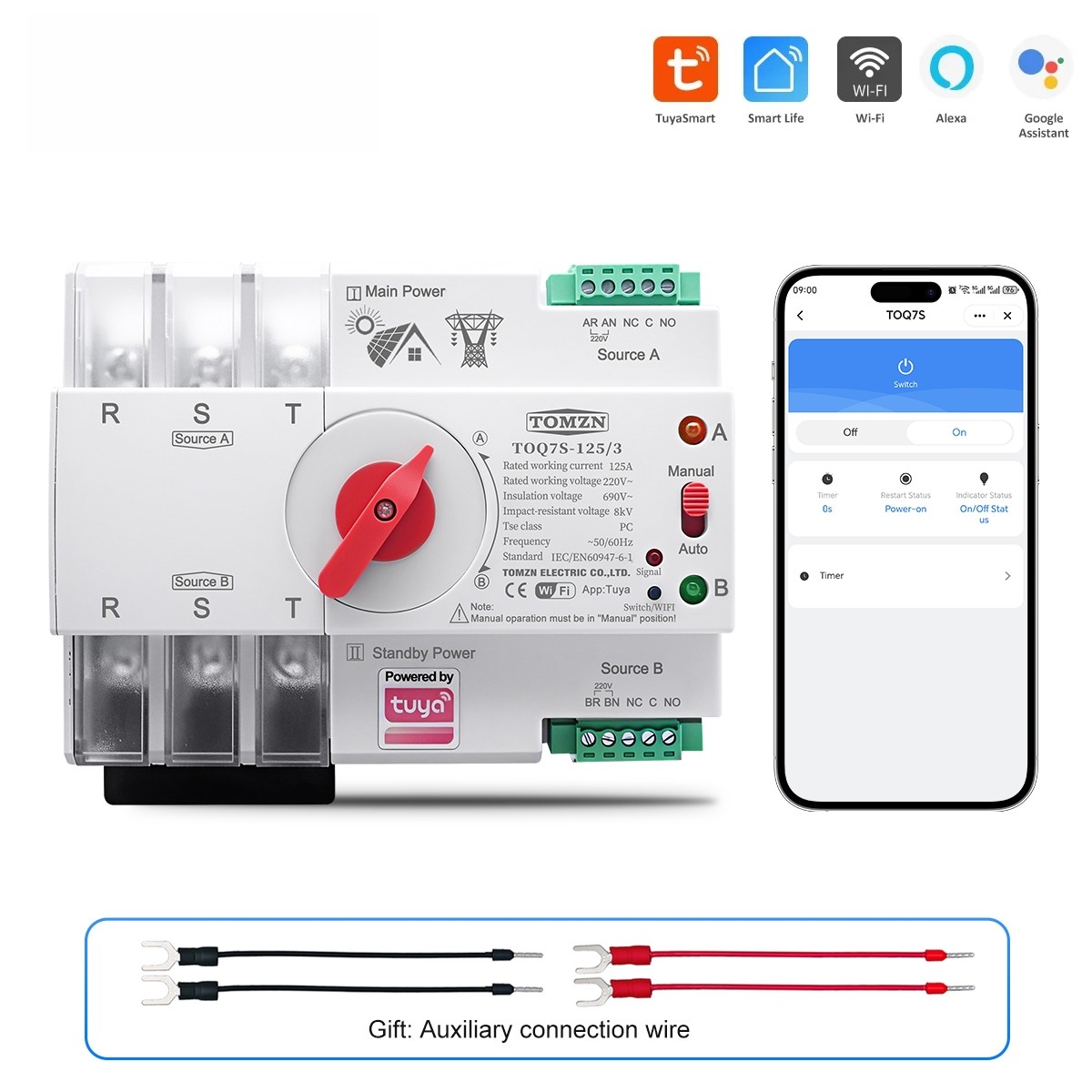
TOMZN TOQ7S 3P AC380V WIFI Smart Dual Power Automatic Transfer Switch Restart Status 50mS WIFI/AUTO/Manual Changeover Switch
View Details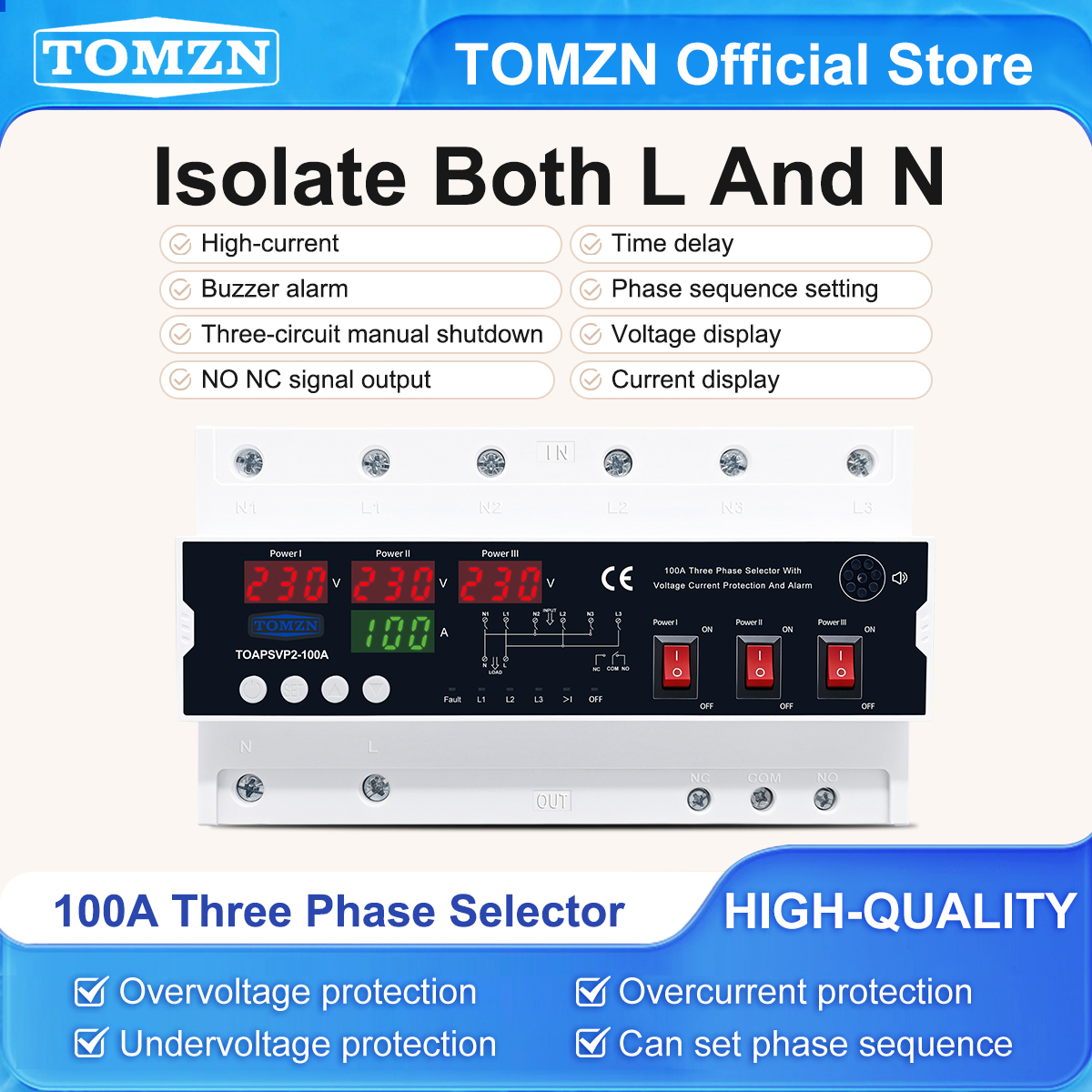
Relay-type Automatic Phase Selector ATS Dual Power Switch Changeover Switch OCP OVP UVP CUT OFF L N Tomzn Official 2P 230V 63A
View Details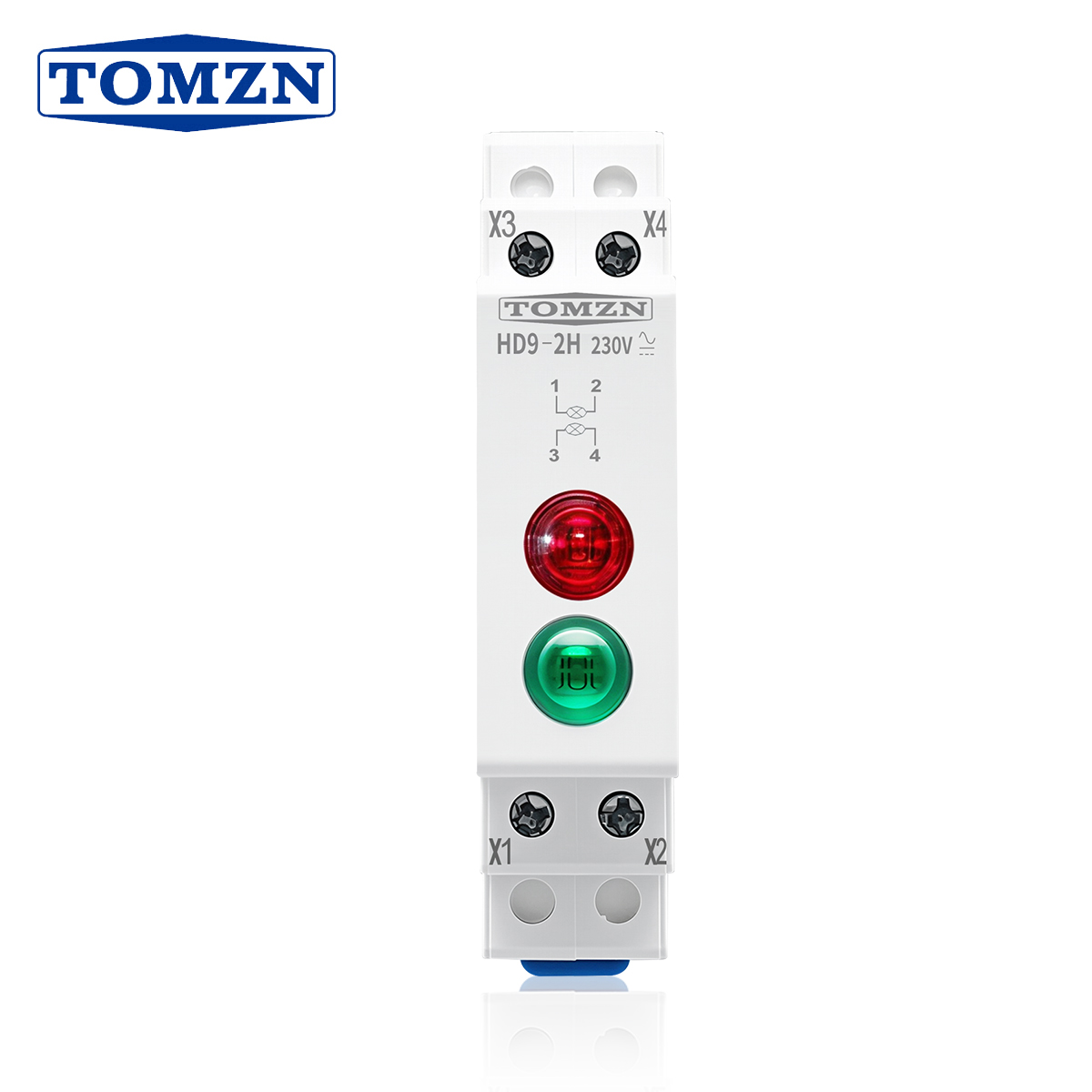
TOMZN DIN Rail HD9-2H 230V AC/DC LED 1P 18mm Signal Indicator Light Red and Green for Household
View Details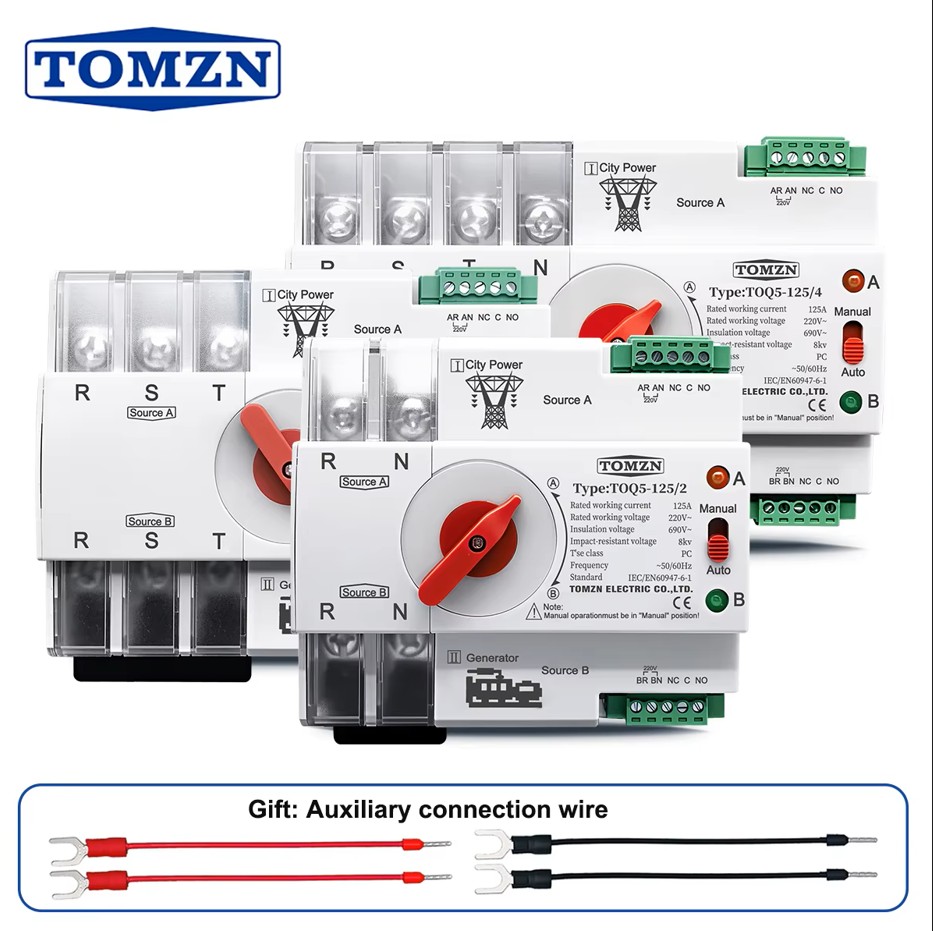
TOMZN Din Rail 2/3/4P ATS Dual Power Automatic Transfer Switch Electrical Selector Switches Uninterrupted Power 63/100/125A
View Details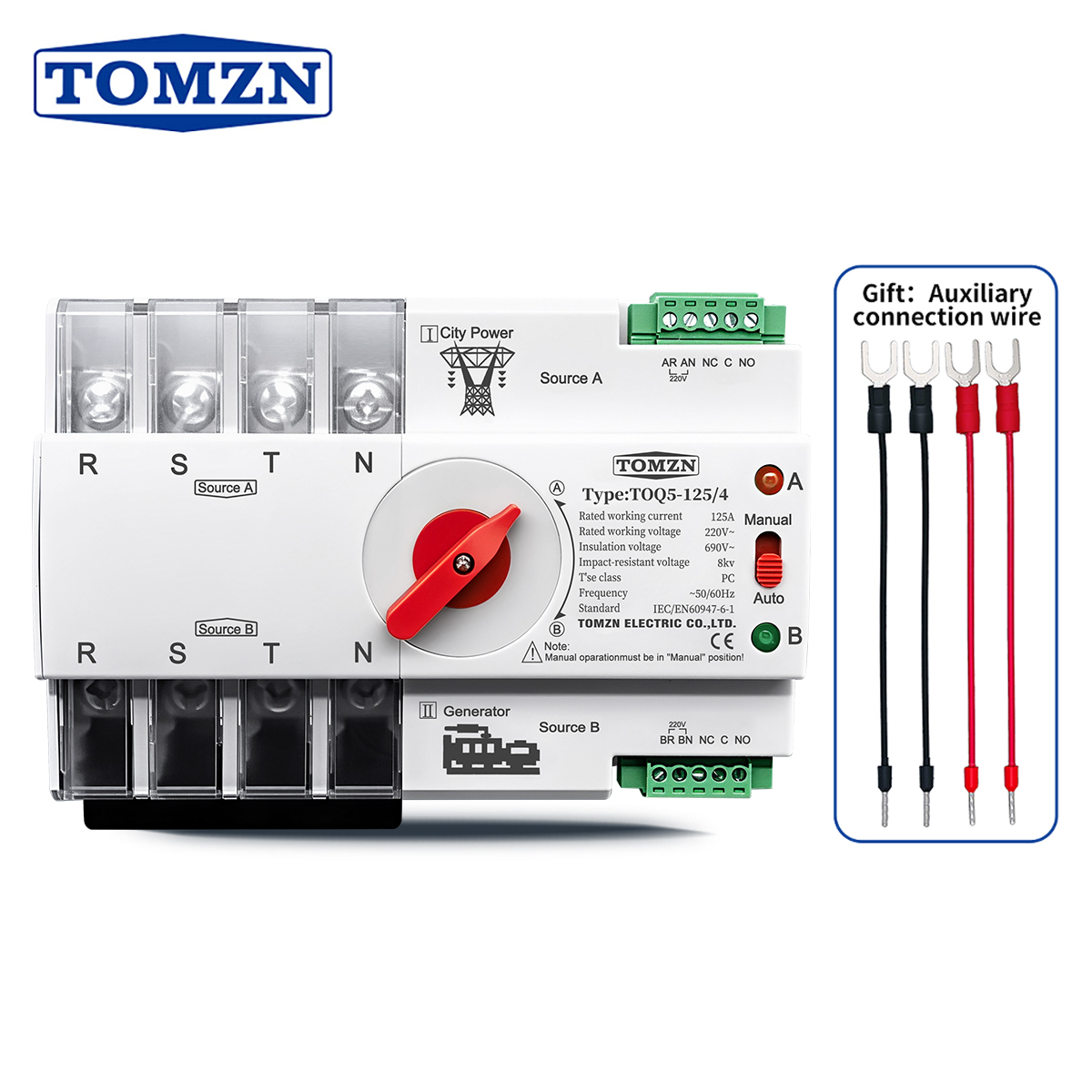
TOMZN 3 Phase Din Rail ATS Dual Power Automatic Transfer Switch Electrical Selector Uninterrupted Power 4P 63A 100A 125A
View DetailsEngineering Blueprint: Molded Case Circuit Breakers (MCCB) in Modern Grid & Photovoltaic Ecosystems
In an era defined by rapid global electrification, decarbonization mandates, and the integration of decentralized renewable energy systems, the demand for robust low-voltage circuit protection infrastructure has intensified. Molded Case Circuit Breakers (MCCBs) serve as the fundamental safeguard within industrial power distribution grids, commercial complexes, utility-scale photovoltaic (PV) installations, and battery energy storage systems (BESS). As a top-tier OEM/ODM Molded Case Circuit Breaker exporter & exporters network, Zhejiang DVS Electric Co., Ltd. provides specialized engineering expertise, advanced thermal-magnetic and electronic interruption technologies, and custom manufacturing tailored to international regulatory landscapes.
Selecting an experienced manufacturing partner is critical for electrical wholesalers, panel builders, EPC (Engineering, Procurement, and Construction) contractors, and private-label distributors. Circuit breakers are no longer passive safety devices; they have evolved into intelligent node assets capable of real-time diagnostics, remote telemetric trip monitoring, and dynamic arc quenching under extreme DC and AC fault currents. This comprehensive guide reviews current circuit protection paradigms, structural engineering advancements, procurement trends, and the technological roadmap for low-voltage power equipment through 2030.
Advanced Arc Extinction Engineering
When contacts part under heavy fault conditions, electrical arcs generate localized temperatures exceeding 6,000°K. Our MCCBs utilize multi-plate arc chutes constructed from high-grade magnetic steel plates. These plates split, stretch, and cool the electric arc into fractional series arcs. For DC applications, static permanent magnets force the magnetic arc blow-out into the de-ionizing grid, safely dissipating stored inductive energy within milliseconds.
Electronic Trip Unit (ETU) Microprocessors
While traditional bimetallic thermal-magnetic units provide dependable inverse-time delay protection, our high-tier OEM/ODM lines offer Microprocessor-Based Electronic Trip Units (ETU). Featuring adjustable LSI (Long-time, Short-time, Instantaneous) trip curves, ground fault protection (G), and integrated RS485 Modbus/WiFi communications, these units deliver precise metering accuracy (Class 1.0) and selective tripping coordination.
Technical Specification Matrix: Low-Voltage Protection & Switching Devices
To assist system integrators and procurement engineers in matching project requirements with optimal apparatus, the following matrix outlines key operational parameters across our primary product families:
| Product Category | Rated Voltage ($U_e$) | Rated Current ($I_n$) | Ultimate Breaking Capacity ($I_{cu}$) | Primary Applications | Standard Compliance |
|---|---|---|---|---|---|
| Solar DC MCCB | DC 500V – 1000V | 63A – 800A | 25kA – 50kA | PV String Combiners, BESS Inverters, DC Distribution | IEC 60947-2, EN 60947-2 |
| AC Industrial MCCB | AC 400V / 690V | 16A – 1250A | 35kA – 100kA | Main Switchboards, Motor Control Centers (MCC) | IEC 60947-2, CE |
| Miniature Circuit Breaker (DC MCB) | DC 250V – 1000V | 1A – 125A | 6kA – 10kA | Residential PV, Telecom Power, Auxiliary DC Circuits | IEC 60898-2, IEC 60947-2 |
| Automatic Transfer Switch (ATS) | AC 110V – 400V | 16A – 125A (DIN-Rail) up to 3200A (Frame) |
5kA – 10kA (Class CB/PC) | Emergency Standby Generator, Dual Grid Switchover | IEC 60947-6-1 |
| Smart WiFi Breaker / Meter | AC 110V – 240V | 1A – 63A | 4.5kA – 6kA | Smart Energy Management, IoT Remote Automation | IEC 60898-1, CE |
Industry Development & Technological Trends: The 2025–2030 Horizon
The global low-voltage electrical apparatus market is undergoing structural shifts driven by energy transition dynamics and industrial digital transformation. Key technology trends shaping future product development include:
1. Transition to 1500V DC Systems
In utility solar and utility storage installations, system voltages are shifting rapidly from 1000V DC to 1500V DC to reduce overall balance-of-system (BOS) cable losses. Next-generation MCCBs feature expanded insulating distances, specialized arc quenching media, and reinforced thermosetting resin housings capable of safely interrupting 1500V DC currents under severe ambient conditions.
2. IoT & Telemetric Edge Intelligence
Circuit breakers are migrating from passive fault-clearing components to smart connected edge nodes. Embedded sensors directly sample current waveforms, thermal dynamics, and contact erosion degradation. Integrated protocol stacks (Modbus-RTU, Wi-Fi, Tuya, eWeLink, Ethernet/IP) enable predictive maintenance schedules before catastrophic failure events occur.
3. Solid-State & Hybrid Breakers
Solid-State Circuit Breaker (SSCB) technology utilizes semiconductor power electronics (SiC / GaN MOSFETs) to achieve arc-free switching speeds under 10 microseconds. Hybrid topologies—combining mechanical contacts with solid-state switches—are set to revolutionize ultra-fast protective coordination in critical data centers and microgrids.
Future B2B Procurement & Supply Chain Trends for Importers
Procurement directors and supply chain managers face shifting logistics realities, geopolitical tariffs, and stricter environmental compliance frameworks (such as RoHS, REACH, and Carbon Border Adjustment Mechanisms). Navigating these challenges requires strategic alignment with verified direct manufacturers:
- Shift toward Agility in Modular Customization (OEM/ODM): Buyers are stepping away from off-the-shelf catalog limitations. Successful importers require modular housing dimensions, custom trip curve calibration, branded fascia plates, and bespoke terminal configurations tailored to local installation norms.
- Supply Chain Transparency & Verified Manufacturing: Third-party factory audits, physical capacity verification, and standardized quality management processes (ISO 9001) are mandatory non-negotiables to mitigate offshore sourcing risks.
- Digital Integration & Instant Technical Assistance: Leading global importers prioritize manufacturing partners capable of delivering instant digital CAD models, BIM objects, automated compliance certification packages, and integrated multi-channel support.
- Demand for All-In-One Protection Enclosures: Rather than sourcing breakers, surge arresters, and switches independently, buyers increasingly favor pre-wired, factory-tested sub-assemblies such as IP65 PV Combiner Boxes and complete Automatic Transfer Switch panels.
Request Custom OEM/ODM Datasheets & Wholesale Quotations
Our engineering design team can assist you with custom current ratings, personalized branding, housing colorways, and full international certification compliance packages.
Why Partner with Zhejiang DVS Electric Co., Ltd.?
Headquartered in Liushi Town, Wenzhou—widely recognized as the low-voltage electrical capital of China—Zhejiang DVS Electric Co., Ltd. brings 24 years of manufacturing heritage to global B2B clients.
Enterprise Footprint & Technical Capabilities
Spanning a verified 5,700 square-meter production facility, our operational infrastructure integrates specialized automated assembly lines, high-precision stamping presses, silver-alloy contact welding stations, and multi-stage testing setups. Our annual export volume exceeds US$ 3.3 Million, serving clients across Europe, South America, Southeast Asia, and the Middle East.
- 24 Years of Low-Voltage Focus: Deep operational experience in miniature circuit breakers, molded case breakers, surge protective devices, and intelligent transfer switches.
- Third-Party Onsite Inspection Verified: Independent international audit firms have verified our manufacturing floor space, production capacity, line integrity, and quality control procedures on-site.
- Robust Quality Assurance (QA): Every single batch undergoes thermal calibration, insulation resistance checks, dielectric withstand testing, and dynamic trip actuation checks before export packaging.
- Comprehensive Compliance: Standard products carry CE marking, with full test reports available for rapid submission to local regulatory authorities.
OEM/ODM Tailored Engineering Services
We offer full-spectrum private-label manufacturing designed to bring your brand to market quickly and reliably:
- Custom silk-screen logo printing and laser marking
- Bespoke packaging design (color boxes, blister packs, export cartons)
- Tailored current ratings ($I_n$), trip curves (B, C, D curves), and operational voltages
- Custom color molding for breaker handles and housing covers
- Low MOQ starting from 5 pieces for evaluation samples
Frequently Asked Questions for Sourcing & Procurement Engineers
Are you a direct manufacturer or a trading company?
Why must a specialized DC MCB or DC MCCB be used in solar PV systems instead of a standard AC breaker?
What are the differences between Ultimate Short-Circuit Breaking Capacity ($I_{cu}$) and Service Breaking Capacity ($I_{cs}$)?
$I_{cs}$ (Service Breaking Capacity): Represents the short-circuit current level at which the breaker can trip, extinguish the arc, and remain fully functional for continued service. Higher-grade industrial MCCBs typically offer $I_{cs} = 75\%$ or $100\% \times I_{cu}$.
What OEM and ODM customization options do you support?
How does an Over and Under Voltage Protector safeguard sensitive appliances on weak power grids?
What are your typical order lead times and sample availability?
Partner with a Premier OEM/ODM MCCB & Power Switchgear Exporter
Elevate your electrical distribution portfolio with reliable, factory-direct circuit protection engineered to international safety standards. Contact our engineering and commercial teams today to request datasheets, product samples, or direct factory pricing.
