Featured Smart MCB & Transfer Protection Switch Series
Engineered for high-density smart panels, renewable microgrids, and enterprise energy management.
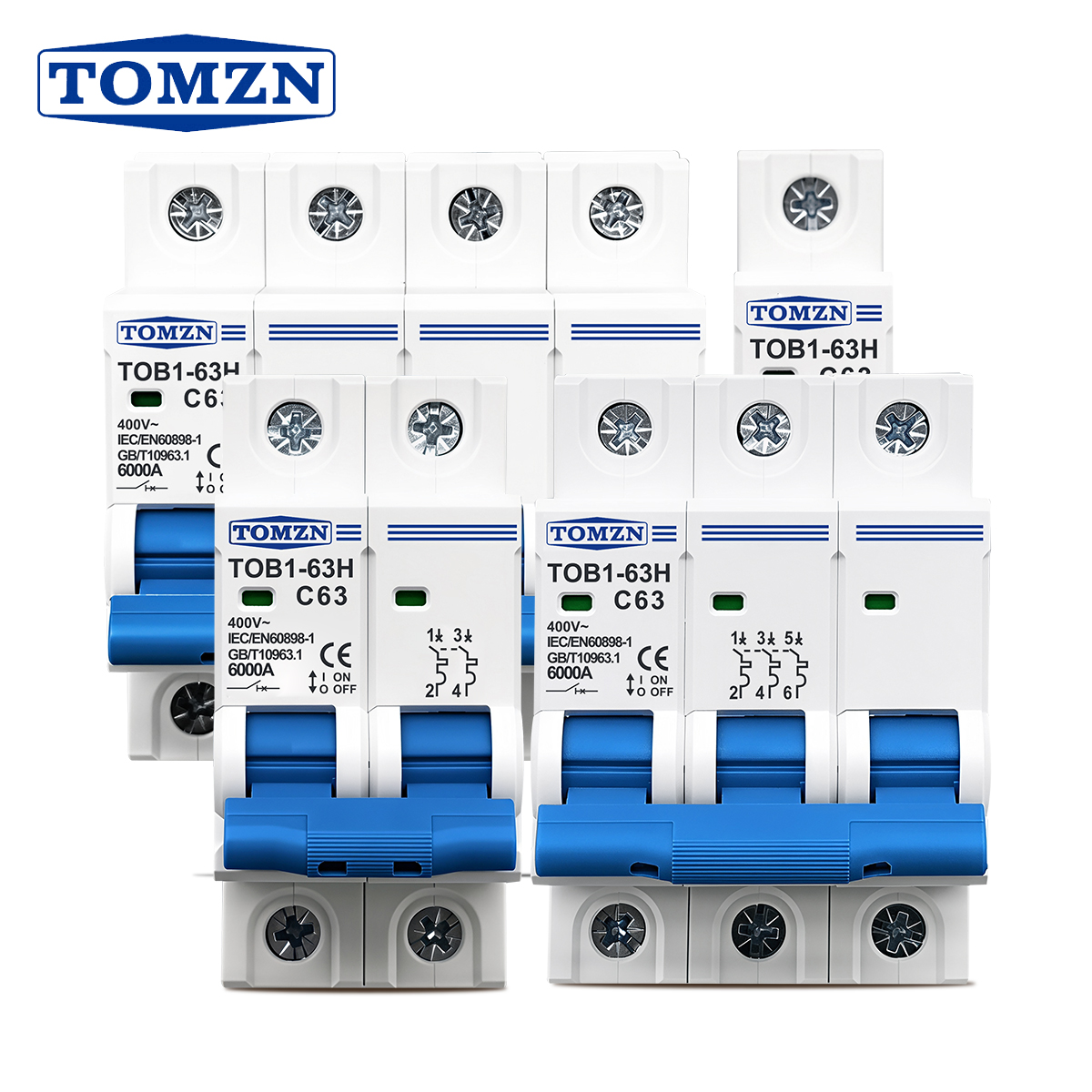
TOMZN AC MCB TOB1-63H C Curve 230/400V~ 50Hz/60Hz Mini Circuit Breaker 1P 2P 3P 4P 3A-63A
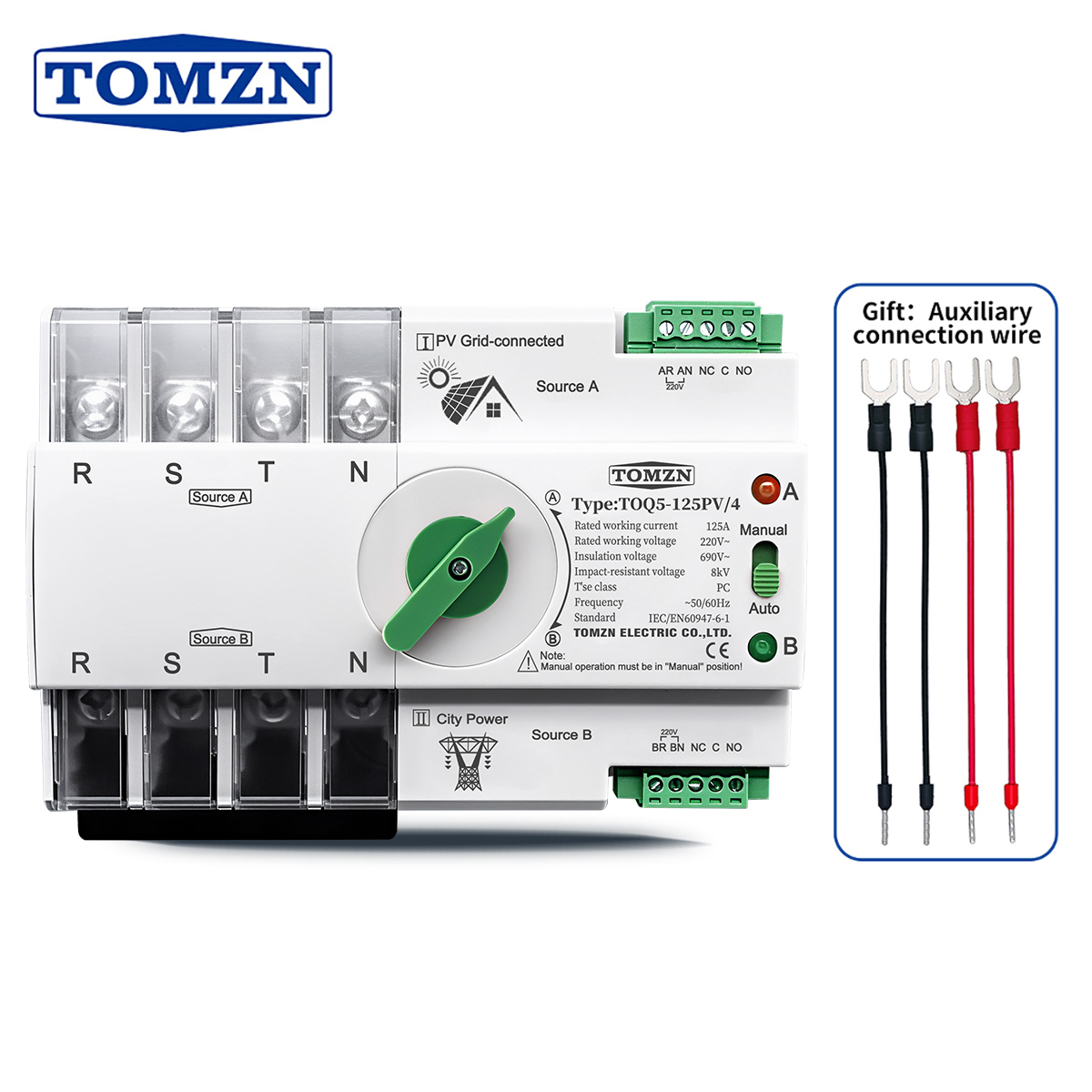
TOMZN 4P 3 Phase 4 Wire Din Rail ATS PV and Inverter Dual Power Automatic Transfer Selector Switches 63A 100A 125A
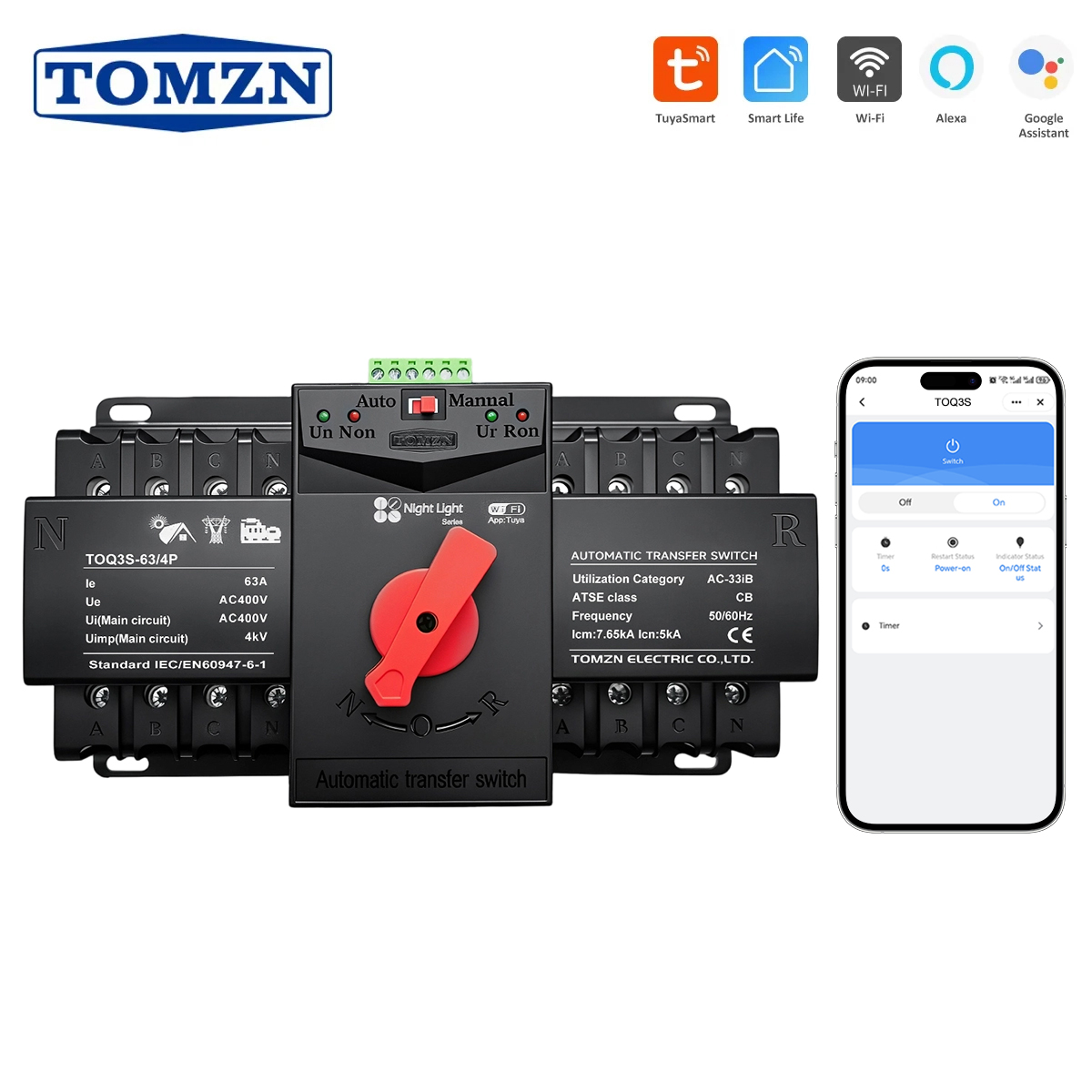
TOMZN Tuya WIFI Smart ATS 4P 63A Dual Power Automatic Transfer Switch AC220V 230V MCB Type Generator Overload Protection
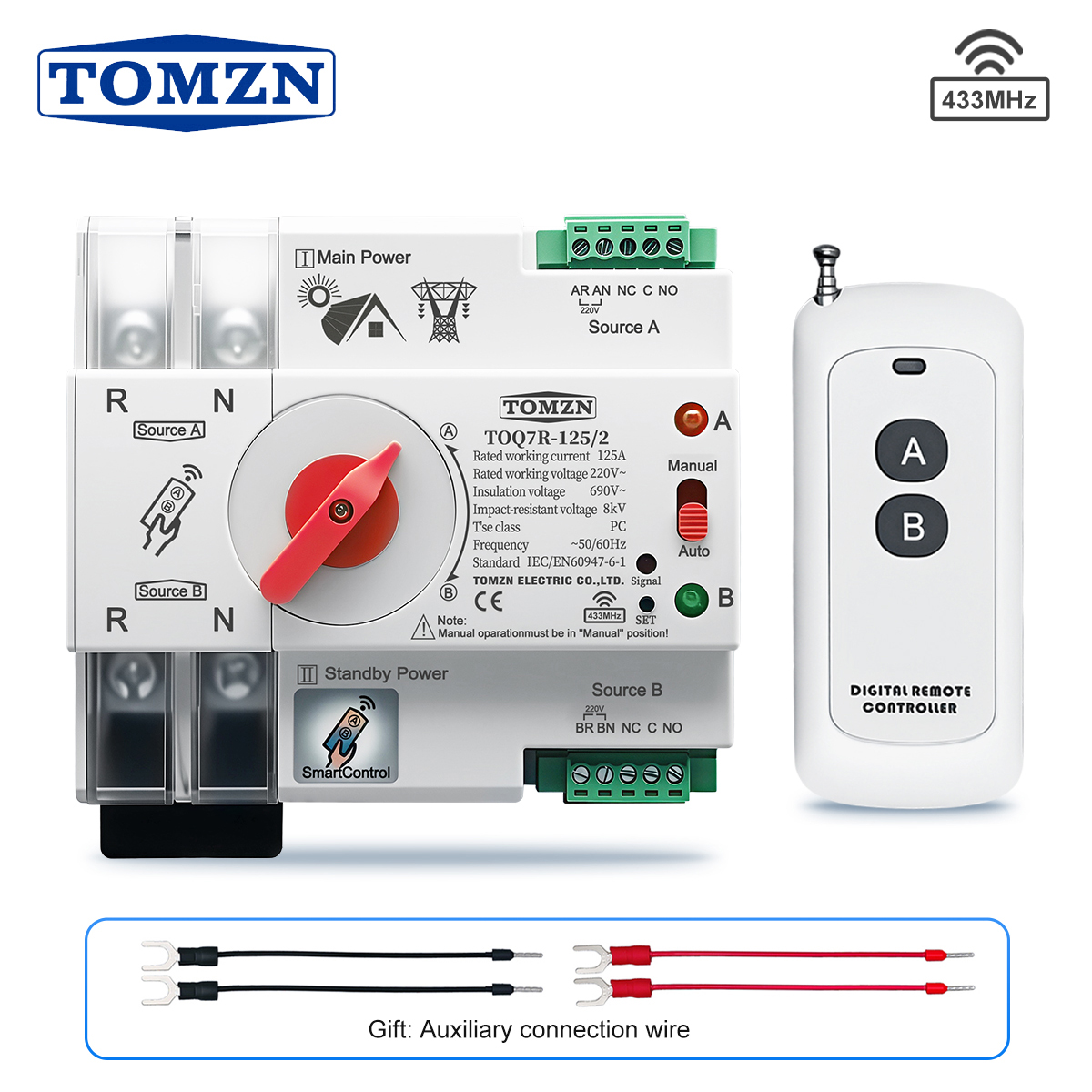
TOMZN 2P Remote Control ATS Wireless 433MHz Dual Power Auto Transfer Switch Electrical Selector Switches Uninterrupted
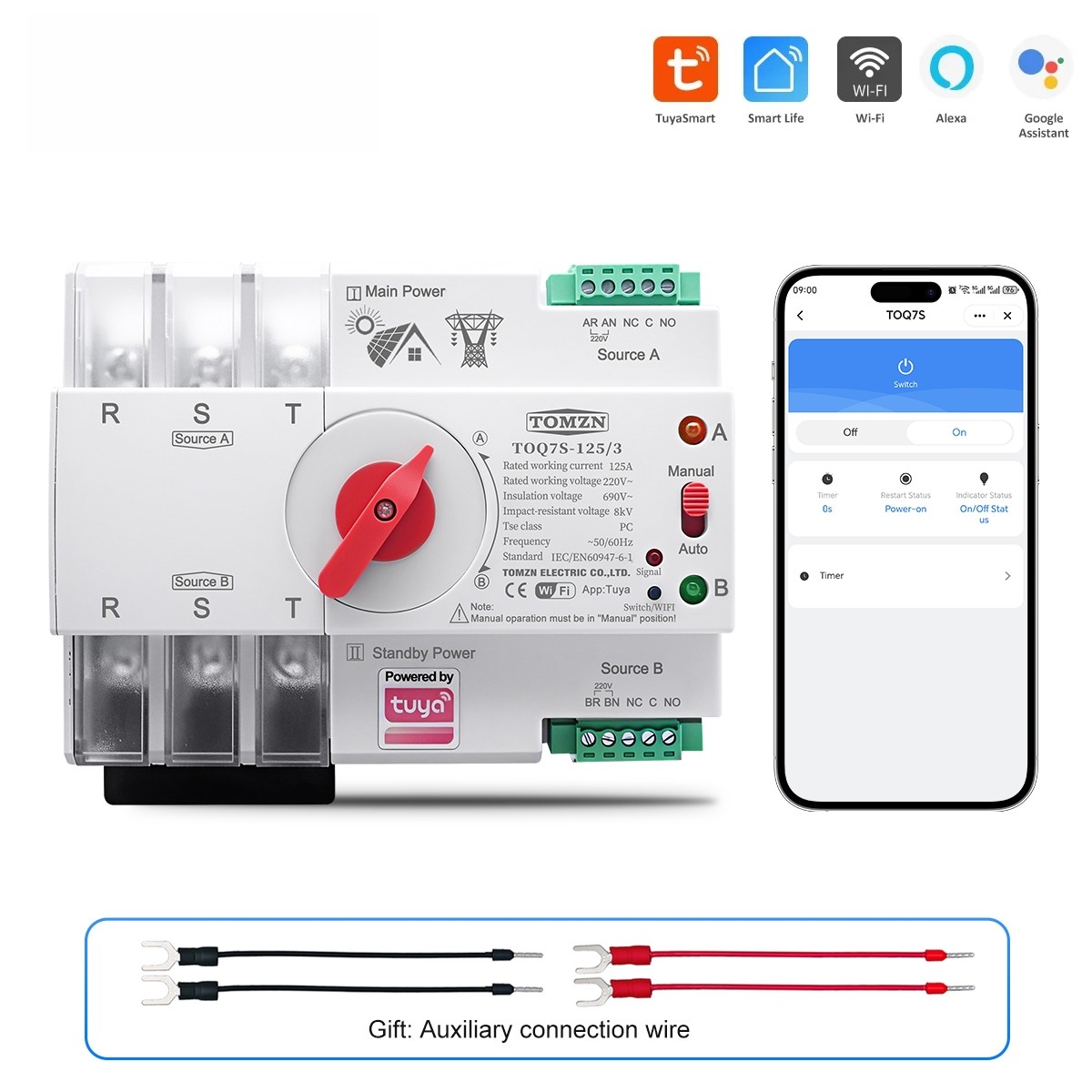
TOMZN TOQ7S 3P AC380V WIFI Smart Dual Power Automatic Transfer Switch Restart Status 50mS WIFI/AUTO/Manual Changeover
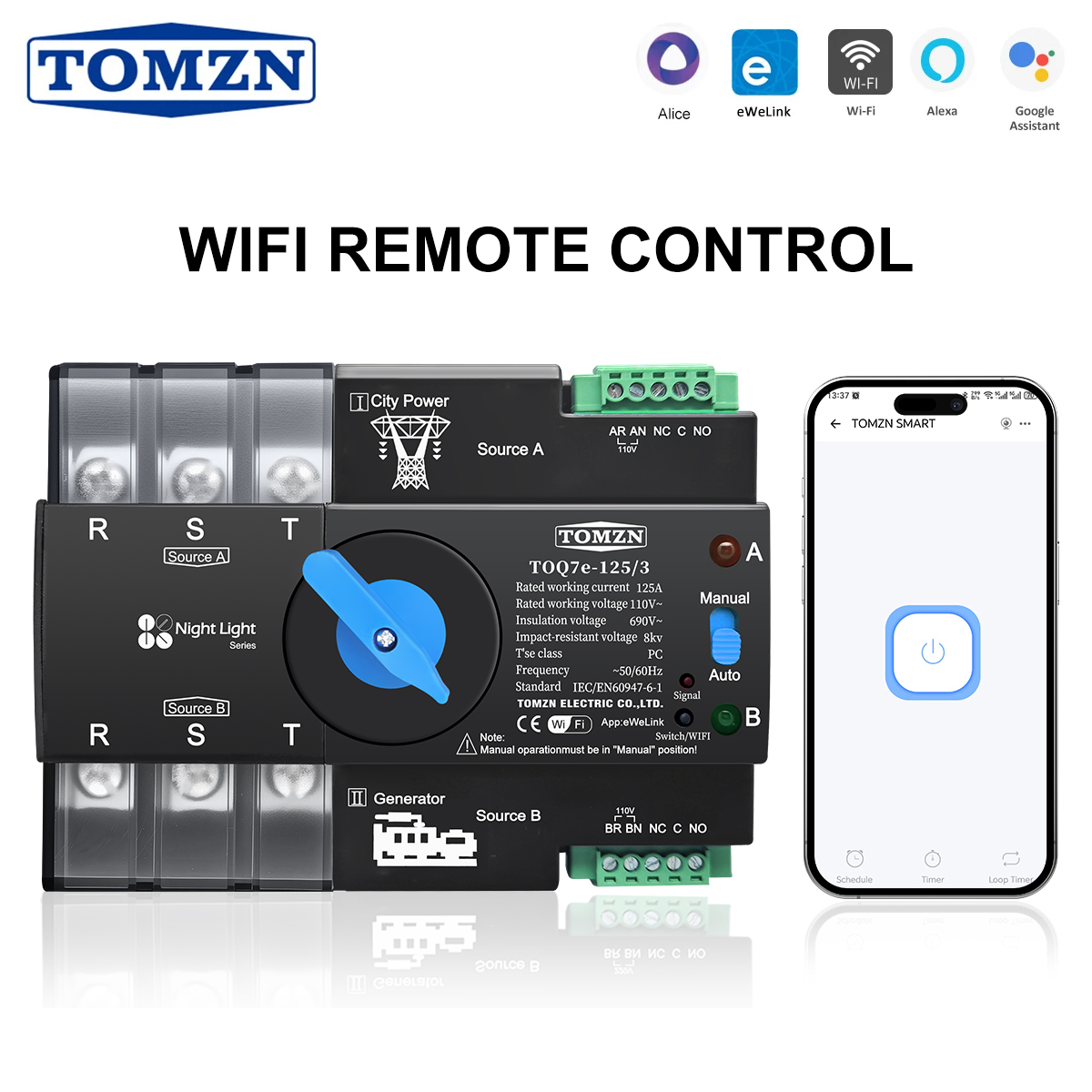
TOMZN 110V/120V Three Phase Smart ATS Dual Power Automatic Transfer Selector Switch 3P 125A EWeLink Din Rail

TOMZN WIFI Smart Circuit Breaker 2P 230V AC 1-100A Overload Protection Short-circuit Breaker Timer Switch Din Rail Smartlife
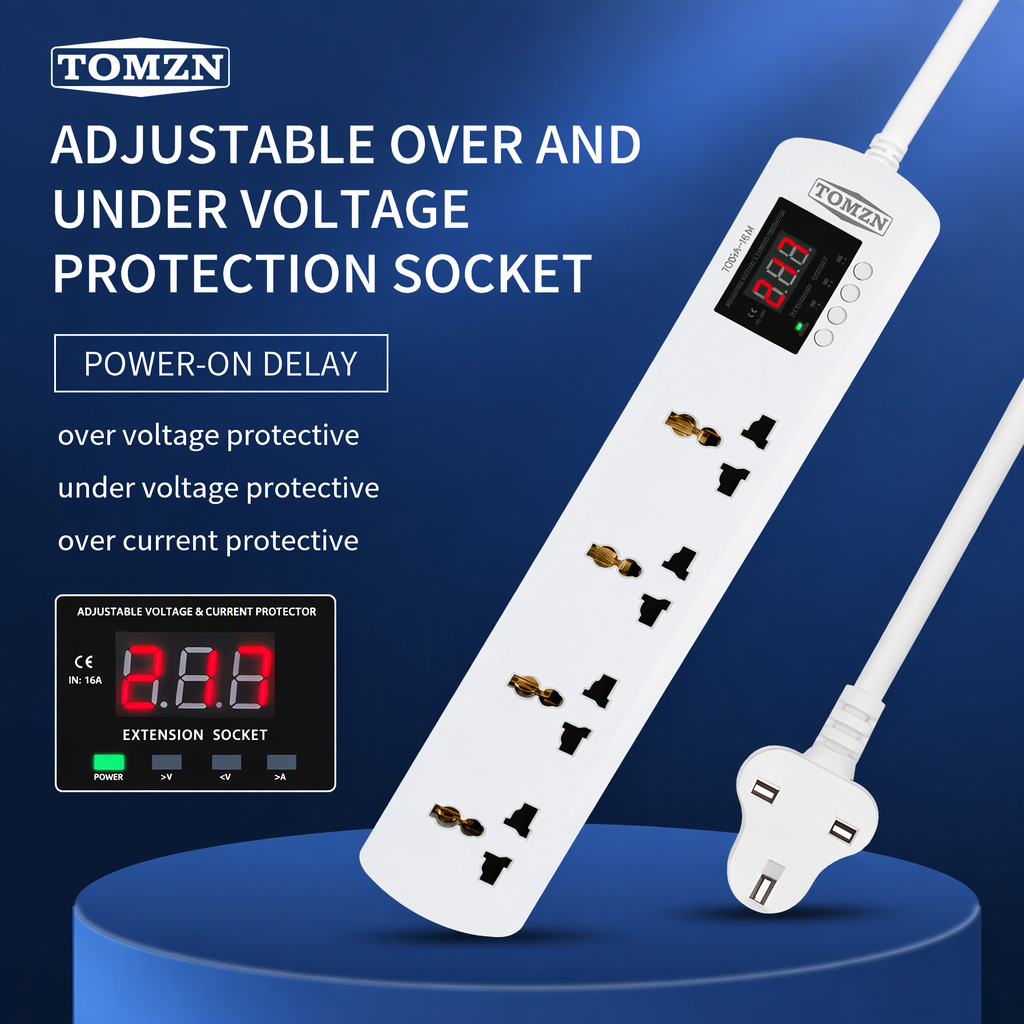
TOMZN 4 Sockets Adjustable Voltage&Current Protector Universal EU Plug AC230V 1-16A 50Hz 60Hz Extension Socket
Engineering Whitepaper: The Evolution of Custom Smart MCB Manufacturing
Architectural design, micro-actuation mechanics, and IoT telemetry integration for next-generation low-voltage distribution boards.
The global electrical low-voltage switchgear industry is undergoing a structural paradigm shift. Traditional Miniature Circuit Breakers (MCBs), which relied strictly on passive bimetallic strips for thermal overload protection and electromagnetic solenoids for short-circuit clearance, are rapidly transitioning into integrated Smart MCB (sMCB) switching systems. Modern commercial buildings, renewable energy infrastructure, solar PV systems, and EV charging hubs demand real-time telemetry, automated load management, dynamic threshold configuration, and remote tripping execution capabilities.
1. Architectural Breakdown of an Enterprise-Grade Smart MCB
A high-performance OEM Smart MCB switch comprises three interdependent physical and electrical layers designed within standard 18mm modular width dimensions per pole (DIN 43880 compliance):
Electromechanical Power Stage
Employs silver-alloy (AgCdO or AgSnO2) contacts designed to handle heavy surge currents and arc suppression. Features high breaking capacity arc chutes with de-ion plates capable of extinguishing up to 6kA/10kA short-circuit faults (IEC 60898-1 / IEC 60947-2).
Integrated Micro-Actuator Mechanics
Replaces purely manual toggling with miniature step motors or magnetic latching relays. The mechanism guarantees switching endurance over 10,000 electrical cycles while offering immediate manual override levers for physical safety isolation during maintenance locks.
Precision Telemetry & Metering Module
Utilizes active Shunt or Rogowski coil sensors combined with high-resolution analog-to-digital converter (ADC) ICs to continuously measure Active Voltage (V), Current (I), Active Power (W), Power Factor (PF), Frequency (Hz), and Cumulative Energy (kWh).
Embedded IoT SoC & Communications
Features low-power microcontrollers running isolated RTOS with multi-protocol support. Embedded security encryption (AES-128/256, TLS 1.3) protects over-the-air (OTA) firmware updates and prevents unauthorized command injection into power infrastructure.
2. Technical Specification Matrix: Standard vs. Custom OEM Smart MCBs
For procurement officers and technical auditors evaluate structural parameters, the technical baseline below highlights custom OEM engineering choices supported at our Wenzhou manufacturing facility:
| Engineering Specification | Standard Commercial MCB | Advanced Custom OEM Smart MCB |
|---|---|---|
| Rated Voltage (Ue) | AC 230V / 400V (50/60Hz) | AC 110V / 220V / 380V / 400V; DC 12V to 1000V Solar PV |
| Rated Current (In) Range | Fixed (6A, 10A, 16A, 32A, 63A) | Software Adjustable (1A to 100A continuously variable) |
| Short-Circuit Breaking Capacity (Icu) | 4.5kA - 6kA (IEC 60898-1) | 6kA - 10kA High-Frame Design (IEC 60947-2) |
| Tripping Curves | Fixed B, C, or D Curve | Programmable Electronic Trip + B/C/D Thermal-Magnetic Backing |
| Wireless / Connectivity Protocols | None (Dry Contact optional) | WiFi (2.4GHz), Tuya Smart Life, eWeLink, Zigbee 3.0, RS485 Modbus RTU |
| Voltage & Leakage Protection | External Add-on Module Needed | Integrated Over-Voltage, Under-Voltage, Phase Loss & Residual Current (RCD) |
| Metering Accuracy Class | Unmetered | Class 1.0 Active Energy Metering (±1% RMS deviation) |
| Mechanical / Electrical Endurance | 8,000 / 4,000 Operations | 20,000 Mechanical / 10,000 Electrical Switching Cycles |
Future Procurement Trends in Smart MCB & Transfer Switches (2025–2030)
Navigating industry standards, grid decentralization, and hardware customization requirements.
As corporate sustainability targets, distributed energy resources (DERs), and smart grid upgrades gain international traction, global wholesale distributors and OEM brand buyers must align their procurement strategies with four key technology trends:
Trend 1: Prosumer Microgrid Integration & Dual Power ATS Convergence
The explosive adoption of residential and commercial photovoltaic (PV) solar systems coupled with Battery Energy Storage Systems (BESS) has transformed energy consumers into prosumers. Power distribution panels no longer rely on a single utility feed. B2B importers are increasingly specifying Dual Power Automatic Transfer Switches (ATS) integrated with WiFi/Smart telemetry. These hybrid switches automatically toggle between primary grid, inverter, and standby diesel generator supplies in under 50 milliseconds while monitoring real-time voltage phase angles to eliminate cross-phase short circuits during transfer.
Trend 2: Convergence on Open Smart Home Protocols (Matter & Zigbee 3.0)
While proprietary 2.4GHz WiFi apps (such as Tuya and eWeLink) dominated early consumer smart breaker markets, commercial procurement now heavily favors standardized, interoperable ecosystems. Importers supplying government projects, smart commercial towers, and multi-dwelling unit (MDU) developments require smart MCBs supporting Matter over Thread or Zigbee 3.0 mesh networks, enabling local edge-control without total reliance on cloud gateways.
Trend 3: Predictive Maintenance via Micro-Temperature Sensing & Arc Mitigation
Fire safety regulations in Europe, North America, and the Middle East are imposing tighter guidelines on electrical enclosure safety. Next-generation OEM Smart MCB switches now feature embedded negative temperature coefficient (NTC) thermistors adjacent to high-current terminal clamps. If terminal screws loosen or copper busbars overheat due to oxidation, the breaker senses thermal spikes and triggers an automatic warning alert or emergency trip long before electrical insulation melts or arc fires initiate.
Trend 4: Flexible White-Label OEM Manufacturing & Custom Firmware Flashing
Global brands no longer want off-the-shelf catalog products that compete on price alone. B2B buyers require complete OEM white-labeling, including laser-etched brand logos, custom housing plastics (UL94-V0 flame retardant), tailor-made packaging, and pre-configured default voltage/current threshold parameters flashed into the microcontroller during factory assembly.
Corporate Advantage: Your OEM/ODM Manufacturing Partner in Wenzhou
Over two decades of precision electrical manufacturing, verified supply chain integrity, and global compliance.
Rooted in Liushi Town, Wenzhou—universally recognized as China’s low-voltage electrical capital—Zhejiang DVS Electric Co., Ltd. (alongside our specialized product series under the TOMZN brand portfolio) brings over 24 years of manufacturing excellence to global electrical distributors, panel builders, and energy engineering firms.
- 5,700 m² Modern Industrial Base: Fully equipped with automated Surface Mount Technology (SMT) lines, mechanical assembly workstations, and computerized calibration benches.
- Rigorous Quality Control (QC): 100% full-load trip testing, dielectric voltage withstand testing, contact resistance measurement, and wireless telemetry calibration prior to packing.
- International Compliance: CE, RoHS, ISO9001 quality system verified. Detailed test reports and datasheets provided for smooth customs clearance and utility approval.
- Flexible OEM/ODM Engineering: Custom software branding, proprietary Tuya API/SDK development, customized enclosure colors, and custom laser etching.
- Verified Export Track Record: Exporting over US$3.3M+ annually across South America, Europe, Southeast Asia, the Middle East, and Africa.
- Low MOQ for Trial Orders: Supporting growing brands with low minimum order quantities starting from 5 units for catalog samples up to full 20ft/40ft container shipments.
Smart MCB Procurement & Technical FAQ
Essential technical and commercial guidance for engineering buyers and OEM importers.
