Precision Single-Phase Protection & Smart Energy Switching
Engineered for high-breaking reliability, smart residential automation, and PV renewable power integration.
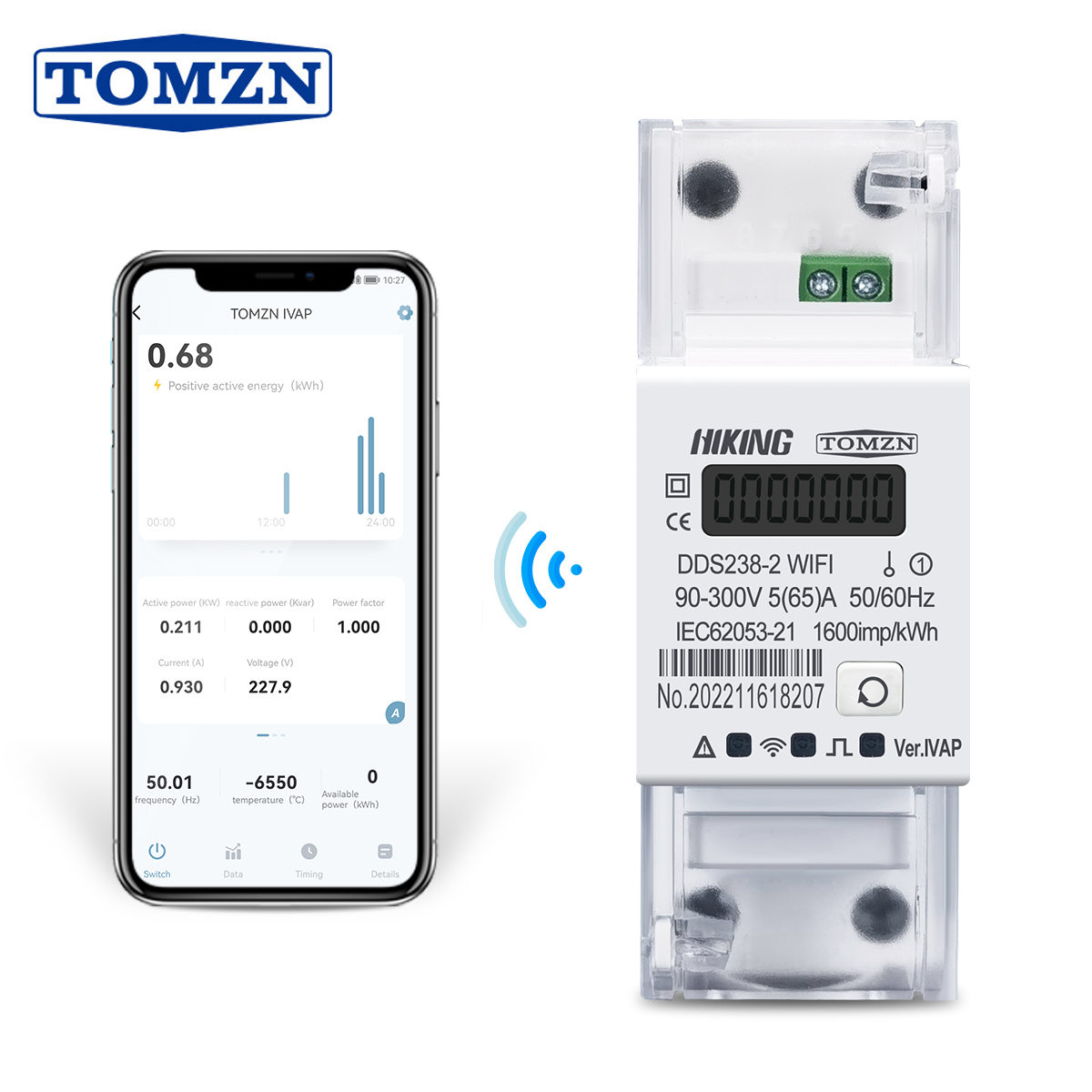
Tuya Single Phase 65A Din Rail WIFI Smart Energy Meter Timer Power Consumption Monitor kWh Meter Wattmeter 110V 220V 50/60Hz
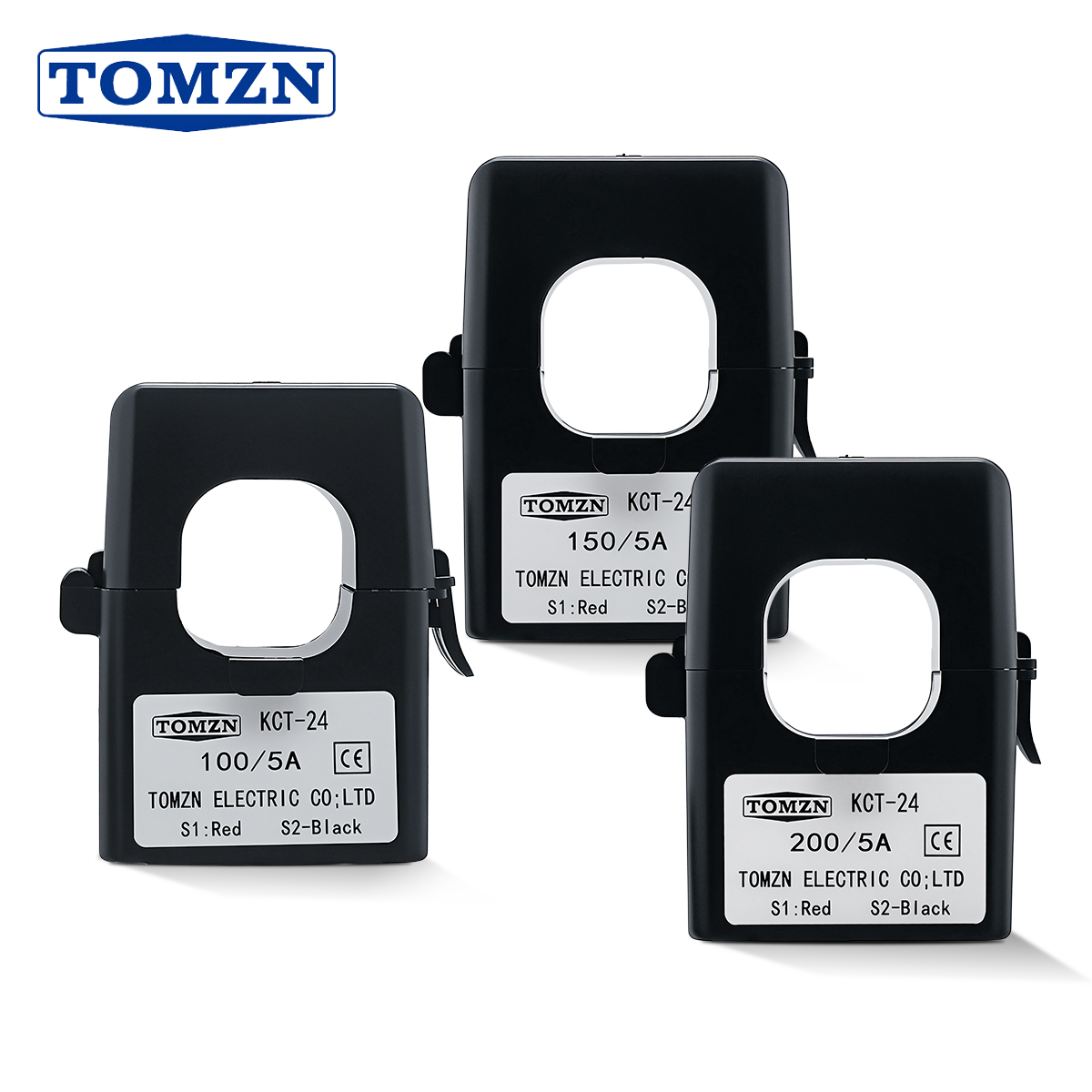
TOMZN Split Type Current Transformer High-current CT Primary 100A 150A 200A Secondary 5A ABS Sealed Wire
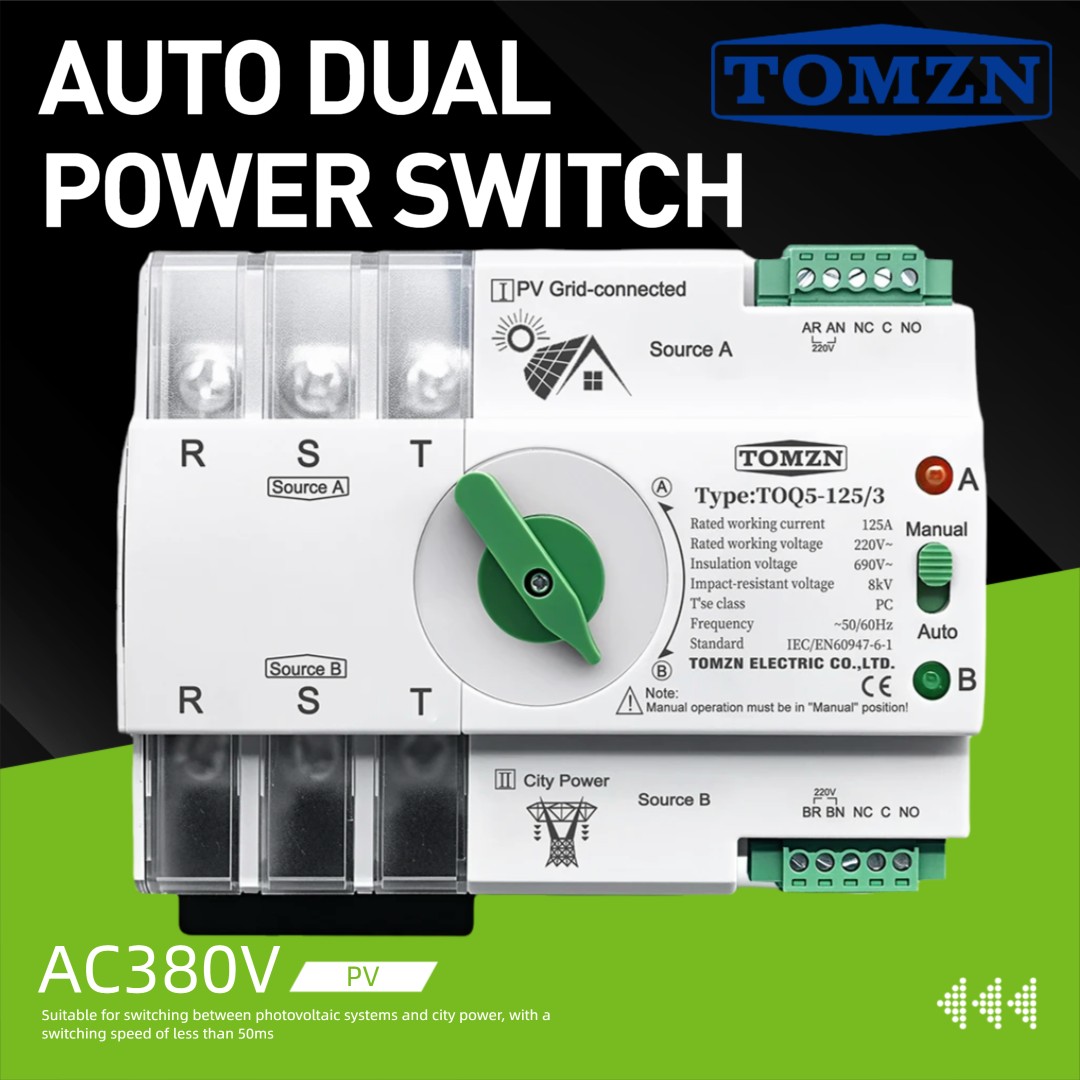
TOMZN 3 Phase DIN Rail ATS for PV Inverter Dual Power Auto Transfer Selector Switches Uninterrupted 2P 230V/380VAC 63A 100A 125A
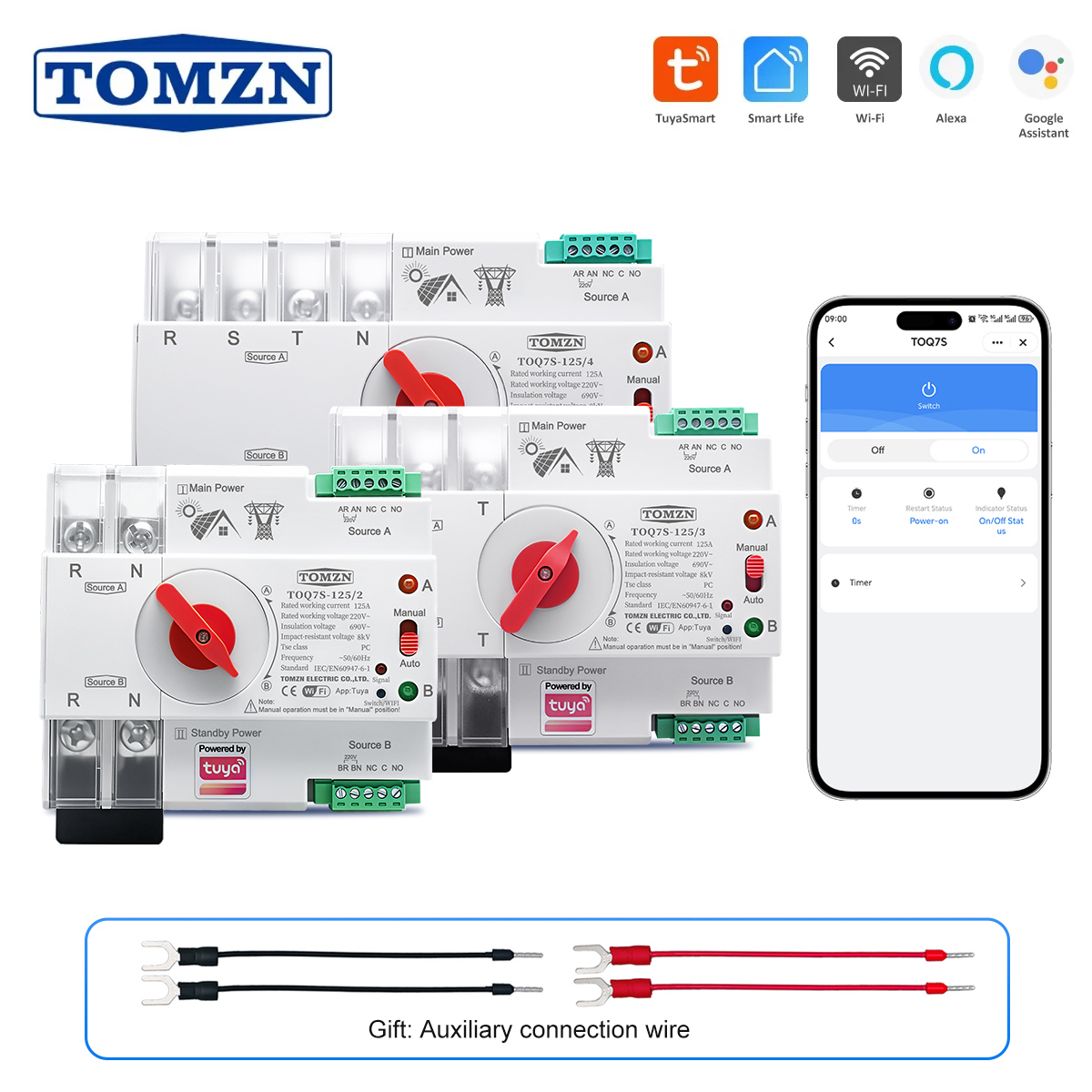
TOMZN TUYA SmartLife WIFI Smart ATS Dual Power Automatic Transfer Selector Switch Uninterrupted 2P 3P 4P 230V 63A 100A 125A
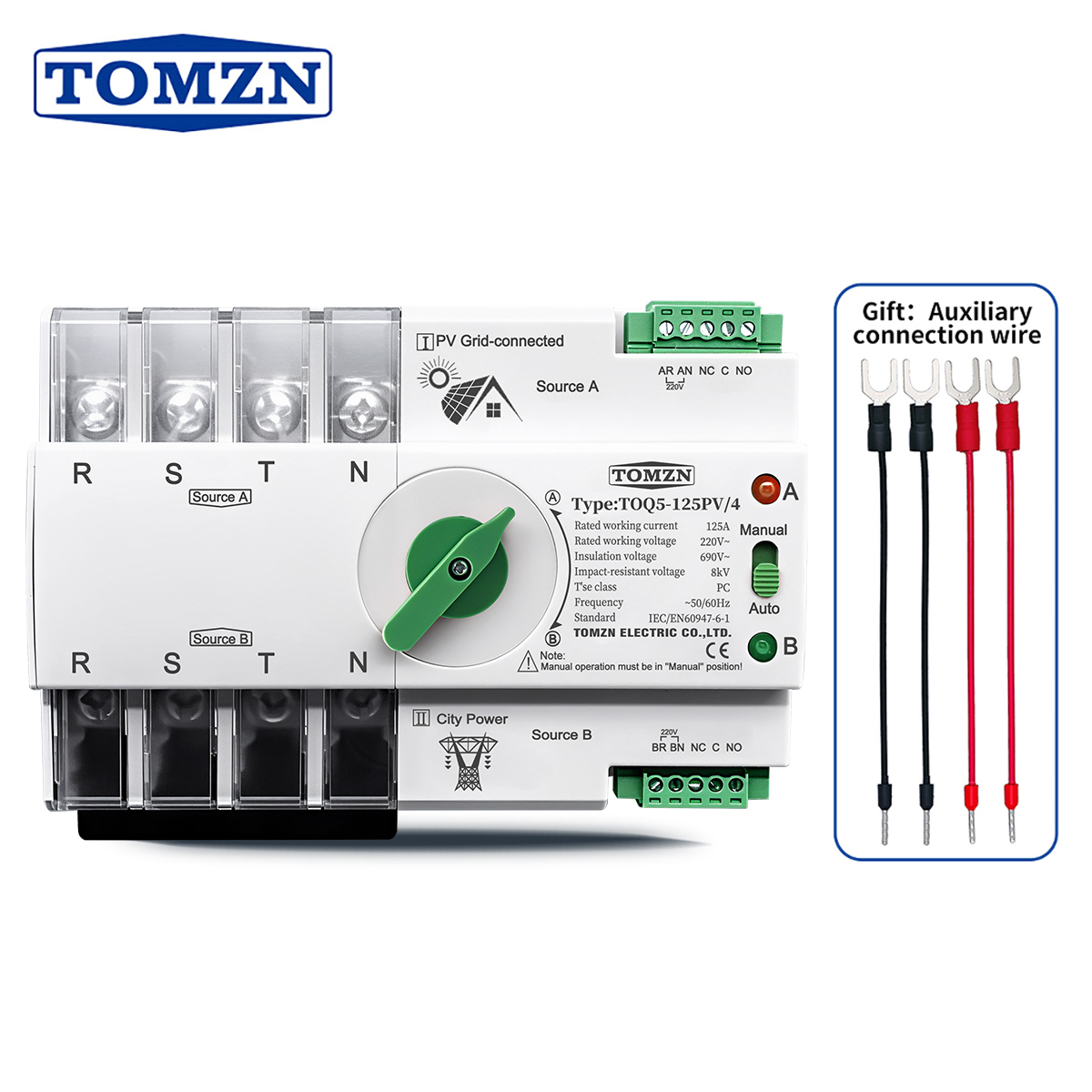
TOMZN 4P 3 Phase 4 Wire Din Rail ATS PV and Inverter Dual Power Automatic Transfer Selector Switches Uninterrupted 63A 100A 125A
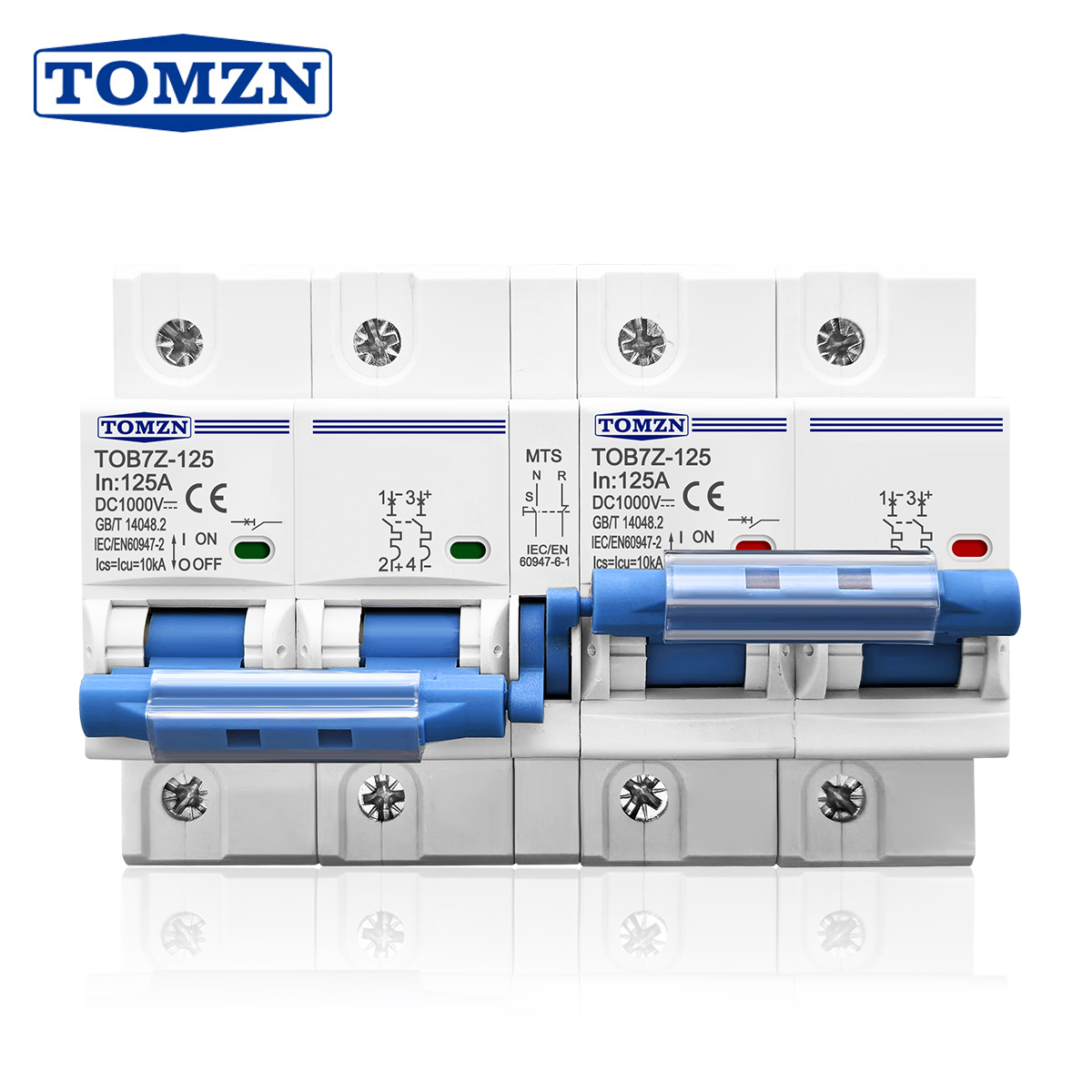
TOMZN 125A 2P Plus 2P DC MTS Dual Power Manual Transfer Switch Circuit Breaker MCB for PV System 2P+2P
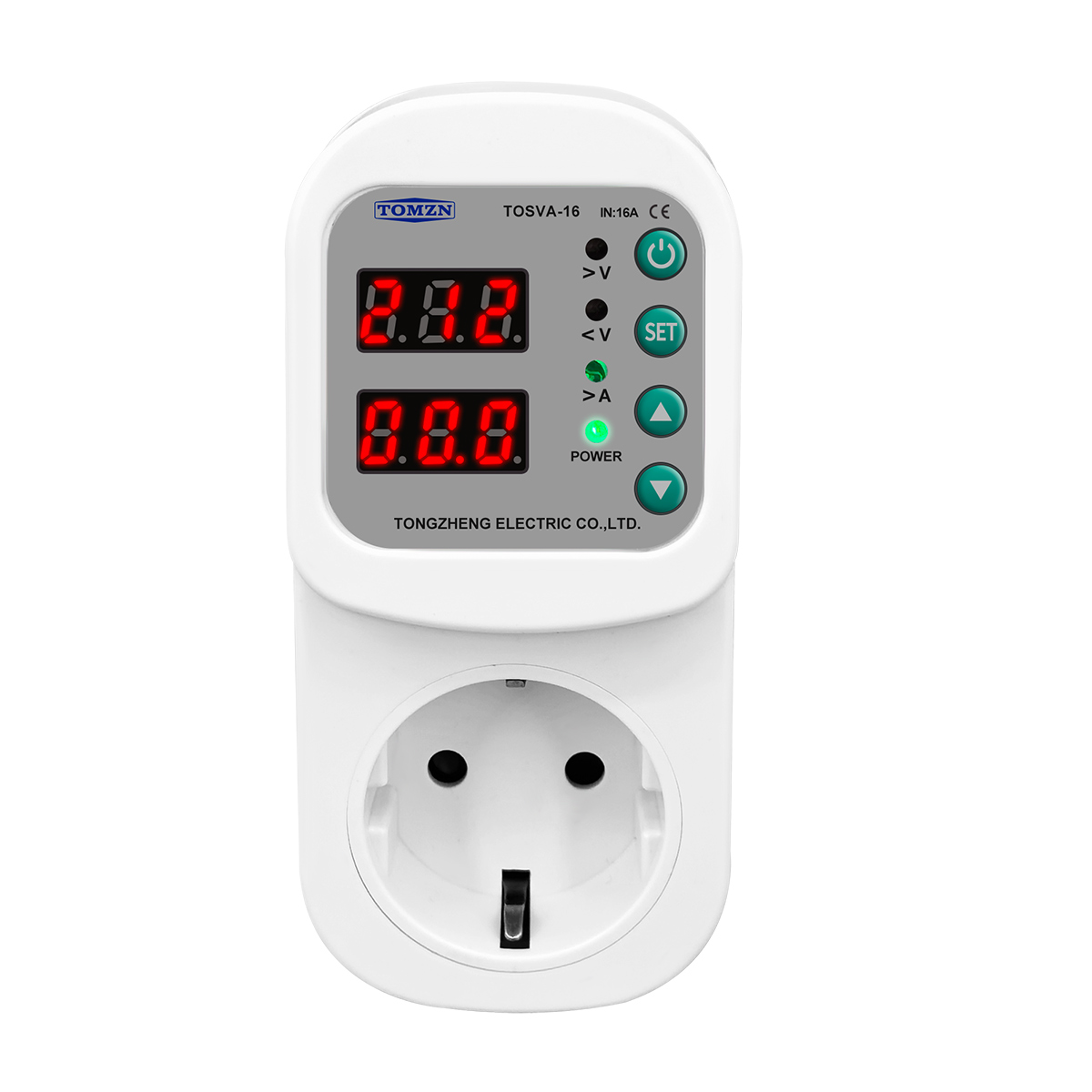
TOMZN TOSVA-16 Automatic Voltage Current Protector Socket AC 110V 220V Adjustable 16A Power Surge Protector EU Plug Socket
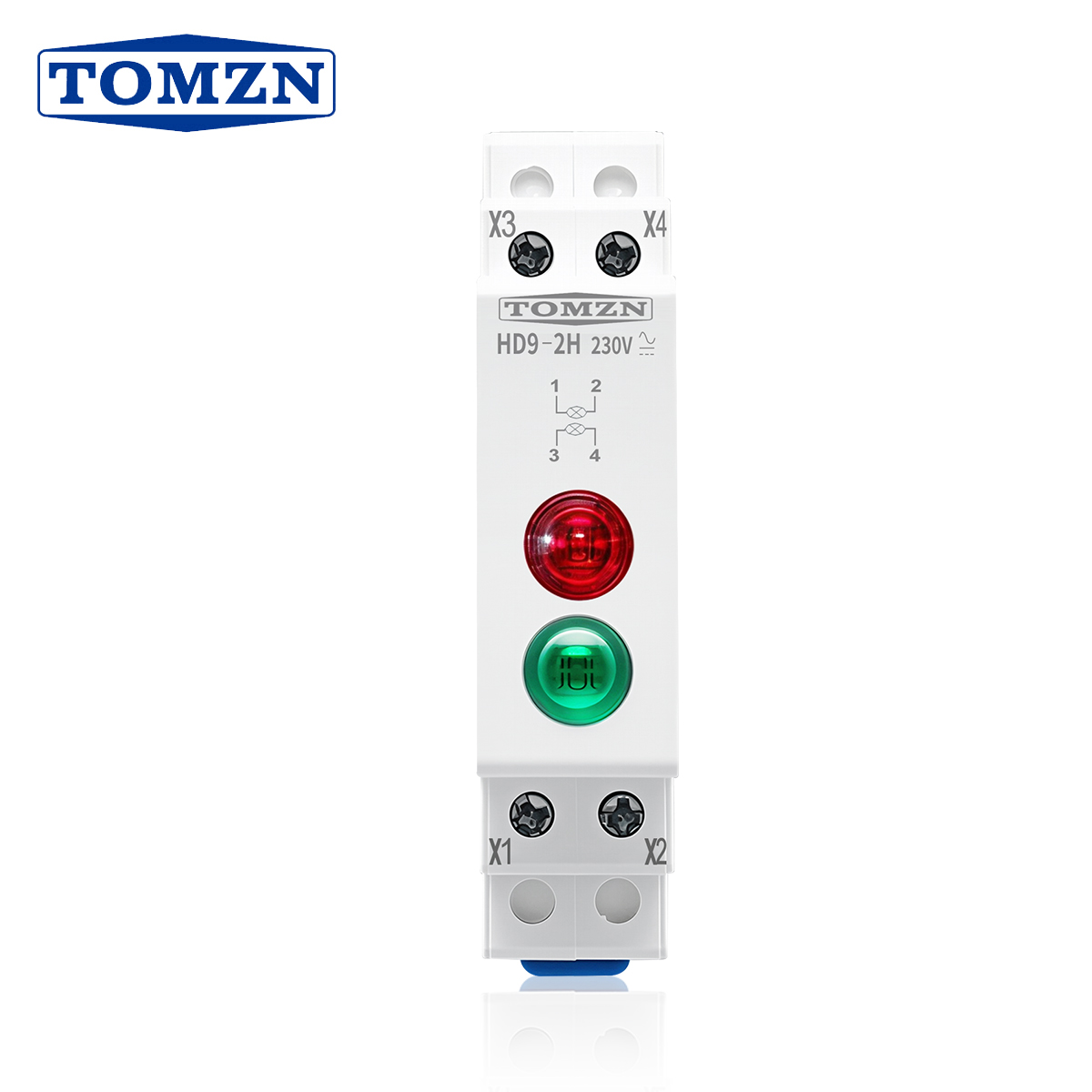
TOMZN DIN Rail HD9-2H 230V AC/DC LED 1P 18mm Signal Indicator Light Red and Green for Household
1. Single-Phase Circuit Protection: Engineering Foundations & Market Imperatives
Single-phase circuit breakers serve as the critical primary line of defense in low-voltage alternating current (AC) distribution networks worldwide. Operating primarily at nominal voltages of 110V, 120V, 220V, and 230V AC (50/60 Hz), these protective devices are specifically engineered to automatically isolate electrical branch circuits during abnormal thermal overload conditions and high-energy electromagnetic short circuits. As modern residential, commercial, and decentralized renewable energy infrastructure increases in density and power complexity, the demand for high-reliability, custom OEM single-phase miniature circuit breakers (MCBs), residual current breakers with overcurrent protection (RCBOs), and intelligent DIN-rail monitoring modules has escalated dramatically.
From an engineering standpoint, single-phase circuit breakers protect phase (L) and neutral (N) conductors against irreversible thermal damage, insulation degradation, and catastrophic electrical fires. B2B procurement managers, electrical contractors, and original equipment manufacturers (OEMs) must navigate stringent global compliance standards—such as IEC/EN 60898-1 for household installations and IEC/EN 60947-2 for industrial applications—to guarantee operational longevity, trip curve precision, and system selectivity.
2. Technical Specifications & Tripping Mechanics Deep-Dive
A thorough understanding of tripping dynamics and physical arc quenching mechanisms is vital for global B2B buyers specifying single-phase low-voltage protective devices. The core operation of an OEM single-phase MCB relies on a dual-tripping architecture: a inverse-time thermal mechanism for overload protection and an instantaneous magnetic solenoid mechanism for short-circuit clearance.
| Electrical Parameter | Standard Specification Range | OEM Customization Capability | Engineering Significance |
|---|---|---|---|
| Rated Voltage ($U_e$) | AC 110V / 220V / 230V / 240V (50/60Hz) | Custom dual-voltage AC/DC tolerance (up to 125V DC) | Ensures universal applicability across North American (120V) and European/Asian (230V) grid standards. |
| Rated Current ($I_n$) | 1A, 2A, 3A, 6A, 10A, 16A, 20A, 25A, 32A, 40A, 50A, 63A | Calibrated non-standard ampere ratings & custom thermal tuning | Precise load matching prevents nuisance tripping and conductor overheating. |
| Tripping Curves | Type B (3-5 $I_n$), Type C (5-10 $I_n$), Type D (10-14 $I_n$) | Custom electromagnetic solenoid winding ratios | Tailors magnetic trip thresholds to match resistive, inductive, or high inrush motor loads. |
| Breaking Capacity ($I_{cn}$) | 4.5 kA, 6 kA, 10 kA (IEC 60898-1) | Enhanced arc chute divider plate configurations (up to 12 plates) | Determines maximum prospective short-circuit current the breaker can safely interrupt without destruction. |
| Housing Flame Retardancy | UL 94-V0 Polycarbonate / PA66 Nylon | Custom enclosure colors, laser markings, anti-UV additives | Prevents flame propagation during extreme thermal fault events and high ambient heat exposure. |
Arc Extinction & Quenching Mechanism: When a short circuit occurs, the contacts separate within milliseconds, generating an intense electrical arc reaching temperatures over 3,000°C. OEM breakers engineered by Zhejiang DVS Electric utilize a zero-zone magnetic blowout geometry that forces the electric arc off the silver contacts and into an insulated 12-plate arc chute. Here, the arc is split into smaller series segments, cooled rapidly, and extinguished before current peak voltage completion.
3. Global Procurement Trends & Future Technological Innovations
The global low-voltage circuit breaker market is undergoing a structural transition driven by smart grids, rooftop solar photovoltaics (PV), battery energy storage systems (BESS), and strict energy efficiency mandates. B2B buyers sourcing single-phase protective equipment must align procurement strategies with these core industry transformations:
IoT & Cloud Smart Breakers
Integration of Wi-Fi (Tuya / eWeLink), Zigbee, and Modbus communication protocols directly into 18mm DIN-rail single-phase modules, enabling remote switching, power scheduling, and dynamic load shedding.
Solid-State & Hybrid Breakers
Transition toward Solid-State Circuit Breakers (SSCBs) incorporating power semiconductors. SSCBs offer microsecond fault isolation—up to 1,000 times faster than electromechanical breakers—eliminating arcing completely.
Integrated Multifunction Protection
Consolidation of overvoltage, undervoltage, surge protection (SPD), and energy metering (kWh/Volts/Amps) into single-phase DIN-rail enclosures to optimize panel space and reduce installation labor.
Eco-Design & RoHS/REACH Compliance
Global buyers are requiring halogen-free, non-toxic thermoplastics and heavy-metal-free contact materials ($AgSnO_2$ replacing cadmium-bearing alloys) to comply with international environmental directives.
5. Frequently Asked B2B Procurement Questions
Essential engineering and supply chain details for importers, electrical wholesalers, and OEM private-label brands.
Are you a direct manufacturer or a trading intermediary?
What OEM and ODM customization options do you support for single-phase breakers?
How do I choose between Type B, Type C, and Type D tripping curves for single-phase applications?
• Type B (3–5 $I_n$): Designed for sensitive resistive loads, electronic equipment, and domestic lighting.
• Type C (5–10 $I_n$): Standard commercial curve for general power outlets, inductive loads, and small household appliances.
• Type D (10–14 $I_n$): Optimized for high-inrush inductive loads, industrial transformers, motors, and HVAC compressors.
What international quality certifications do your single-phase protective products hold?
What is the minimum order quantity (MOQ) and sample lead time for B2B buyers?
How does your factory ensure trip precision and arc quenching reliability under full load?
Request Your Custom OEM Quotation & Technical Datasheets Today
Partner directly with Zhejiang DVS Electric Co., Ltd. for factory-direct pricing, certified quality, and tailored low-voltage manufacturing solutions.
