Featured Transfer Switches & Protection Devices
Explore our OEM/ODM portfolio of DIN-Rail and Industrial Dual Power Transfer Switches, Phase Selectors, and Intelligent Protection Units manufactured under strict IEC standards.
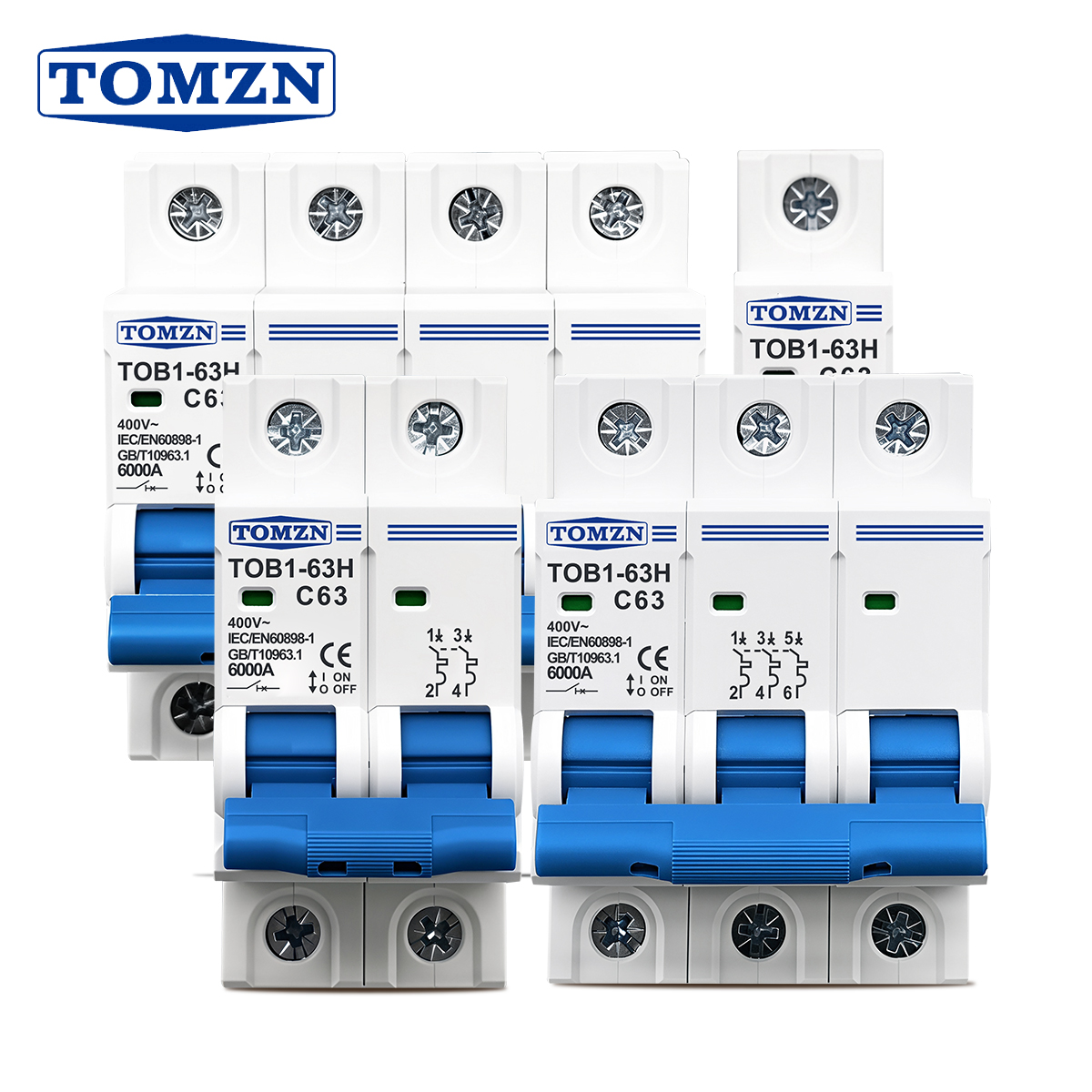
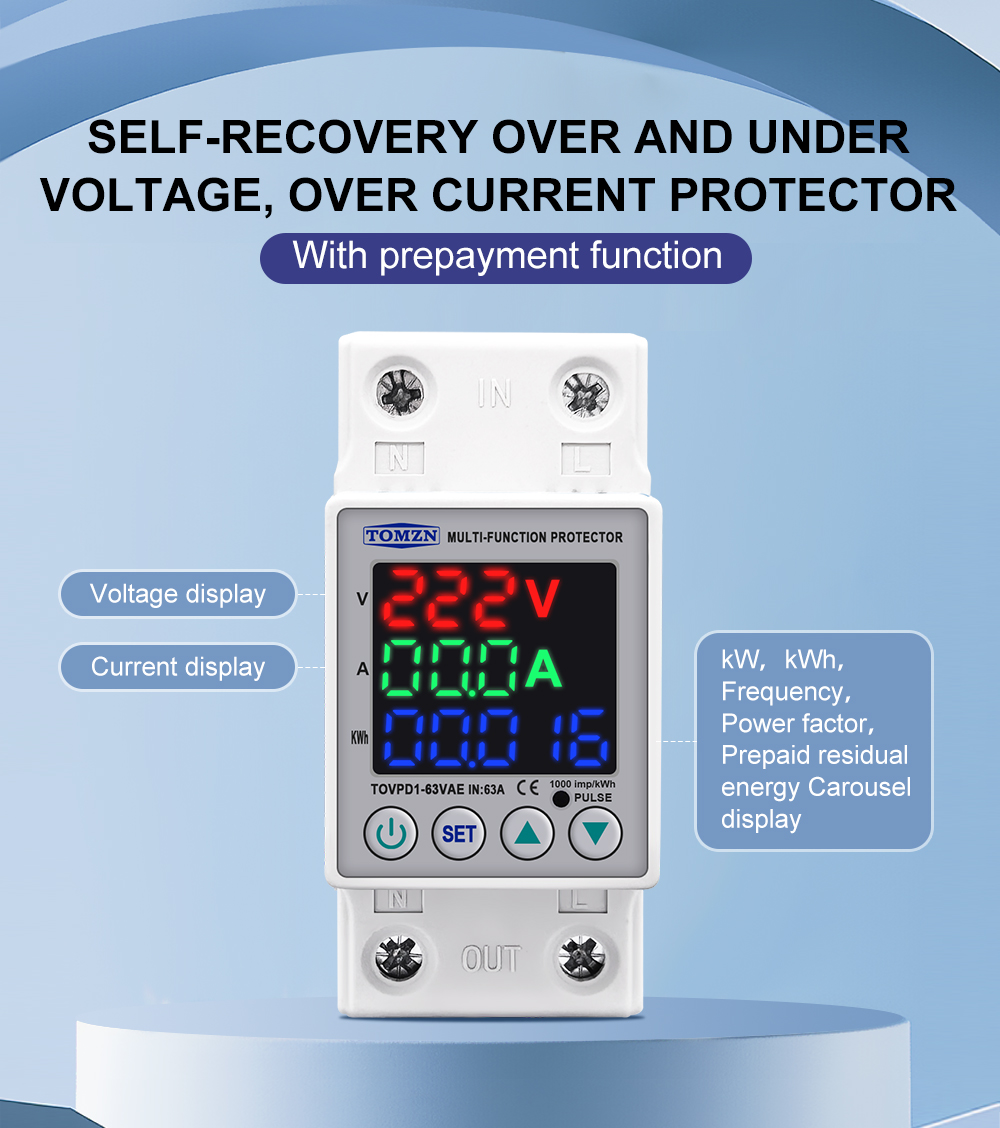
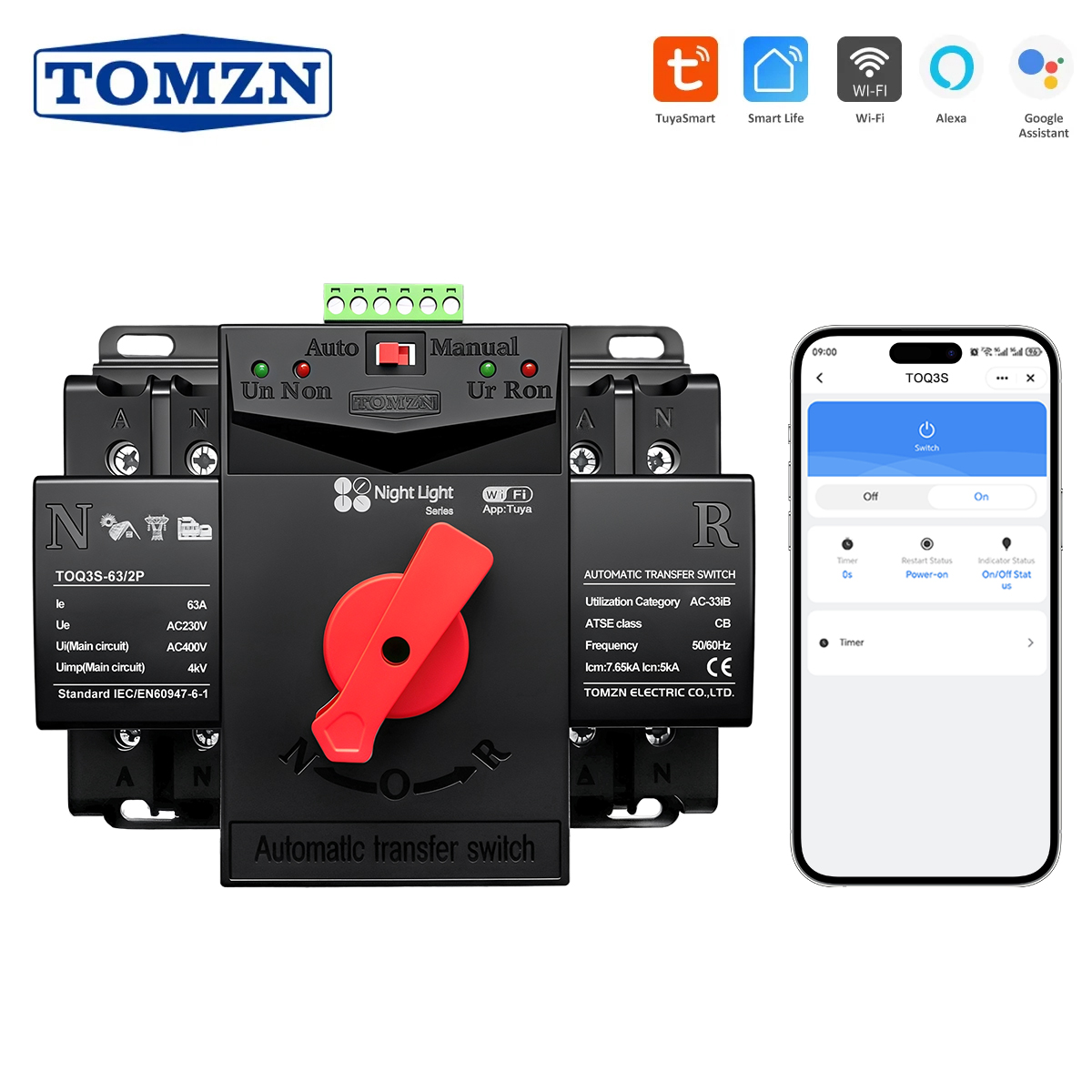
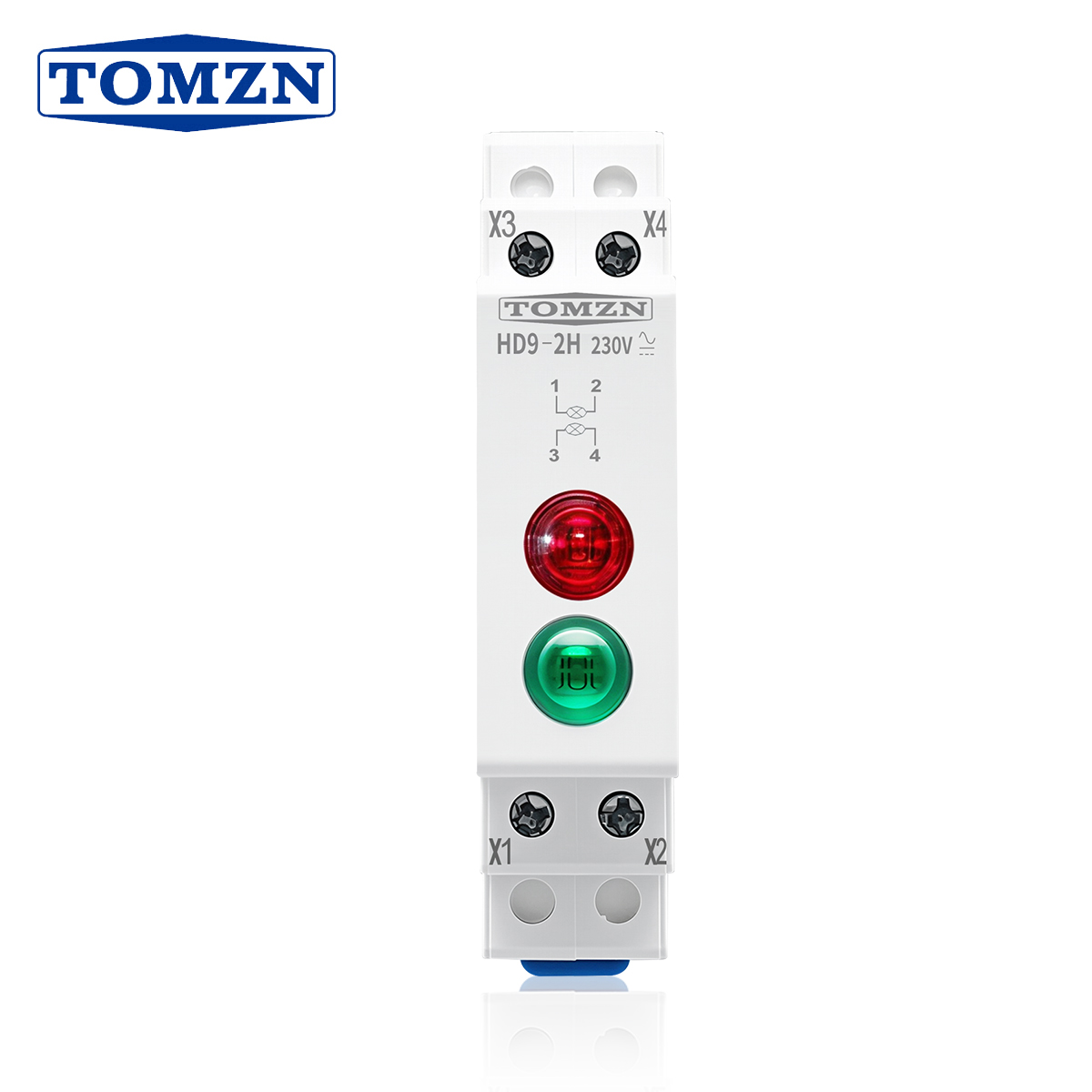
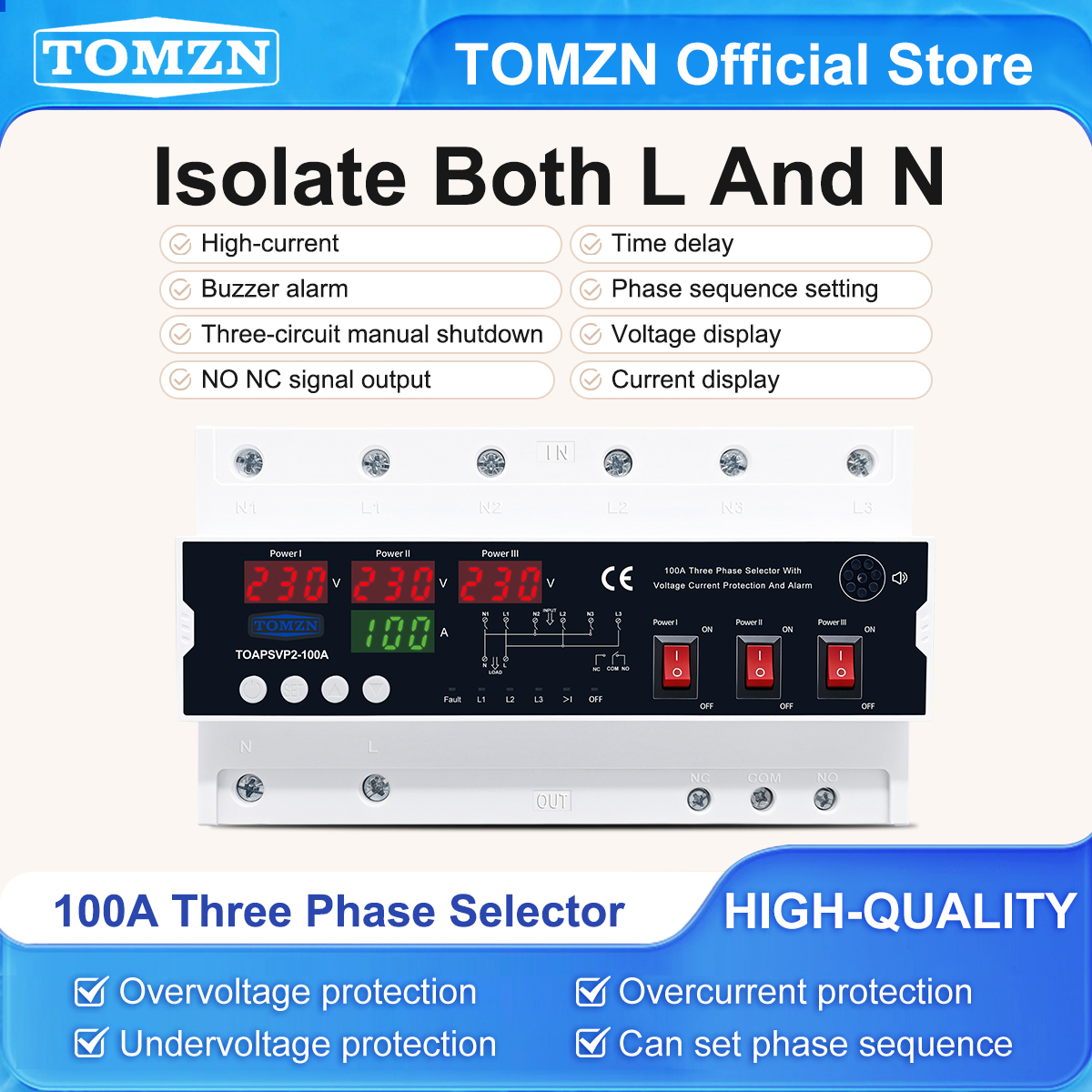
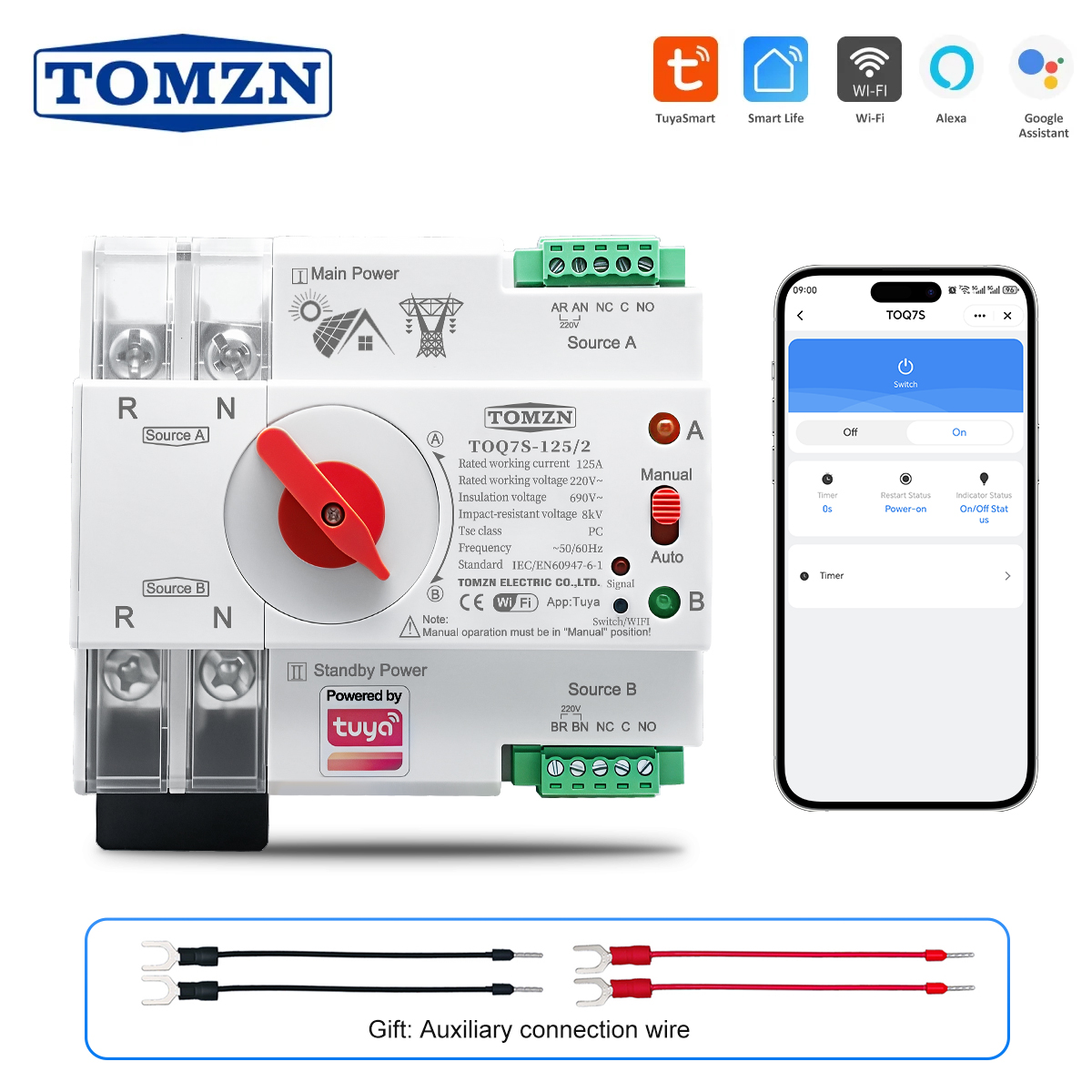
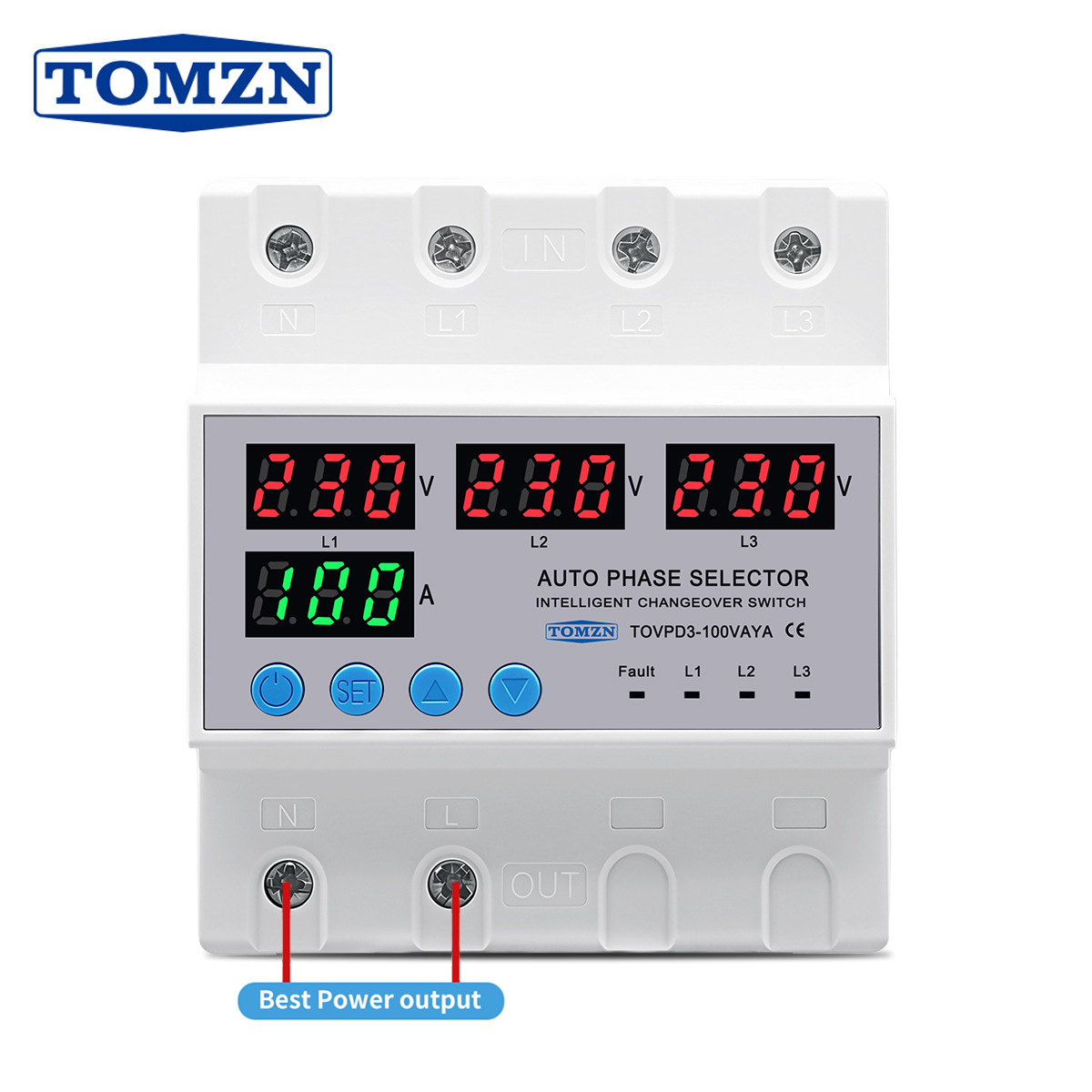
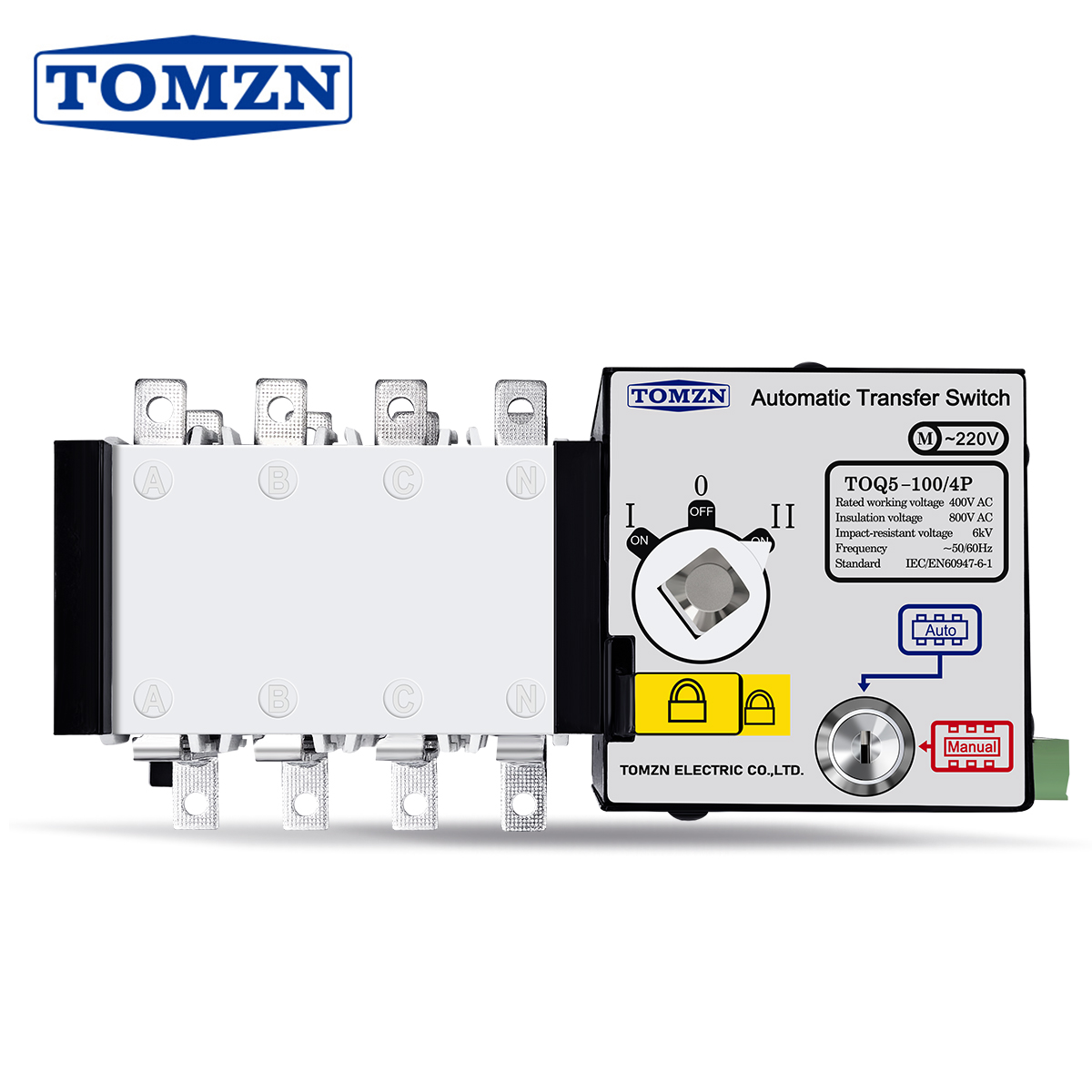
24 Years of Low-Voltage Manufacturing Authority
Zhejiang DVS Electric Co., Ltd. operates a specialized 5,700 m² manufacturing facility in Liushi Town, Wenzhou—China's premier low-voltage electrical industrial capital. We deliver verified OEM/ODM power transition solutions globally.
Full-Scale OEM/ODM Customization Capabilities
As a direct custom manufacturer with third-party verified production lines, we provide turnkey OEM/ODM services tailored to regional electrical codes and distributor branding requirements.
- Custom voltage thresholds (110V, 220V, 230V, 380V, 400V AC / 24V, 48V DC)
- Custom pole configurations (1P+N, 2P, 3P, 3P+N, 4P) and switching capacities (10A to 125A+)
- Private-label laser marking, custom enclosure colorways, and retail box design
- OEM firmware integration for IoT Smart Life / Tuya WiFi & RS485 Modbus protocols
Strict Quality Control & Testing Infrastructure
Every Automatic Transfer Switch and protection relay leaving our Wenzhou assembly line undergoes multi-stage electrical and mechanical endurance evaluations.
- Third-party verified quality management system with full batch traceability
- Dielectric voltage withstand testing and contact resistance measurement
- Thermal endurance checks and automated trip-time verification
- RoHS compliant flame-retardant polycarbonate (V-0 grade) housings
Engineering Guide: Automatic Power Transfer Switch Mechanics & Architecture
A technical whitepaper overview for electrical procurement directors, system integrators, and OEM distributors operating across residential, commercial, and renewable microgrid markets.
1. PC Class vs. CB Class ATS Architectural Comparison
Understanding the structural differences between PC Class and CB Class Automatic Transfer Switches is vital for specifying correct short-circuit withstand and overcurrent protection strategies:
PC-Class ATS: Built strictly to make and withstand short-circuit currents without integrated overcurrent release mechanisms. Utilizing double-throw contact assemblies, PC-class transfer switches deliver exceptional mechanical endurance (>10,000 operations), superior contact arc quenching, and high short-time withstand current ($I_{cw}$) capabilities. They rely on upstream circuit breakers (such as MCCBs or MCBs) for overcurrent protection, making them ideal for high-reliability critical power changeover (e.g., generator-to-grid).
CB-Class ATS: Equipped with built-in thermal-magnetic trip units (overload and short-circuit releases). Built around modified miniature or molded-case circuit breaker architectures, CB-class switches serve dual functions: switching dual power sources and protecting downstream lines. They offer space-saving advantages in compact DIN-rail consumer units.
2. Dual-Power Switching Dynamics & Contact Physics
Transfer switches operate via electromechanical or motorized mechanisms designed to ensure complete physical isolation between Main (Power A) and Reserve (Power B) power sources:
Break-Before-Make (BBM) Interlocking: Prevents hazardous backfeeding by introducing a deterministic mechanical pause during transition. The contacts of Power A must fully disengage and extinguish the electric arc before Power B contacts close. This prevents phase-to-phase short circuits between unsynchronized power sources.
Silver Alloy Contacts (AgSnO2 vs AgCdO): Premium ATS units utilize Silver Tin Oxide ($AgSnO_2$) contacts, providing high arc erosion resistance, reduced contact welding risk under high current inrush, and long-term conductivity without toxic heavy metals.
| ATS Class / Type | Rated Current ($I_n$) | Transition Time | Drive Mechanism | Primary Application Scope |
|---|---|---|---|---|
| PC-Class 4P ATS | 63A - 125A | < 50ms | Electromagnetic Coil Drive | Industrial switchboards, commercial backup generator switching |
| CB-Class MCB Type | 6A - 63A | < 100ms | Motorized Gear Drive | Residential distribution boxes, light commercial changeover |
| Smart Life WiFi ATS | 32A - 125A | < 30ms (Auto) | Electronic & Smart Actuator | Smart homes, solar PV microgrids, remote telecom sites |
| Automatic Phase Selector | 32A - 63A | < 20ms | Fast Switching Relays | Single-phase loads operating on unstable 3-phase supply grids |
Future Procurement & Technological Trends in ATS
Key technological shifts driving global low-voltage equipment procurement over the next decade.
1. Convergence of ATS with Hybrid Solar & Battery Storage (ESS)
As rooftop solar and battery storage systems proliferate globally, the modern Automatic Power Transfer Switch is no longer merely a grid-to-diesel generator changeover device. Procurement is rapidly moving toward Hybrid Microgrid ATS Units capable of zero-crossing or ultra-fast transfer between Utility Grid, Battery Inverters, and Standby Gensets.
Future-ready ATS designs feature signal dry contacts to trigger automatic generator start/stop sequences and multi-channel input priority logic (e.g., Solar First -> Grid Second -> Generator Third).
2. IoT Connectivity & Remote Power Infrastructure Monitoring
The integration of Wireless Smart Life / Tuya IoT modules and RS485 Modbus communications into standard DIN-rail ATS units allows facility managers to monitor grid voltage stability, power consumption (kWh), phase balance, and switch state remotely via mobile apps or centralized SCADA systems.
Custom OEM procurement now heavily favors smart transfer switches with configurable software thresholds for overvoltage, undervoltage, and automatic self-diagnostic routines.
Sourcing & Procurement FAQ
Essential questions answered for electrical wholesalers, engineering procurement managers, and private-label OEM clients.
Partner with a Trusted OEM ATS Manufacturer
Looking to expand your low-voltage product line or source high-reliability dual power transfer switches for commercial projects? Contact our engineering and export team today for technical datasheets, custom factory quotes, and sample requests.
Contact Us