Industrial Circuit Protection & Transfer Switches
Explore our flagship direct-from-factory low-voltage circuit protection solutions, built strictly in accordance with IEC/EN 61008-1, IEC/EN 61009-1, and ISO9001 global engineering standards.
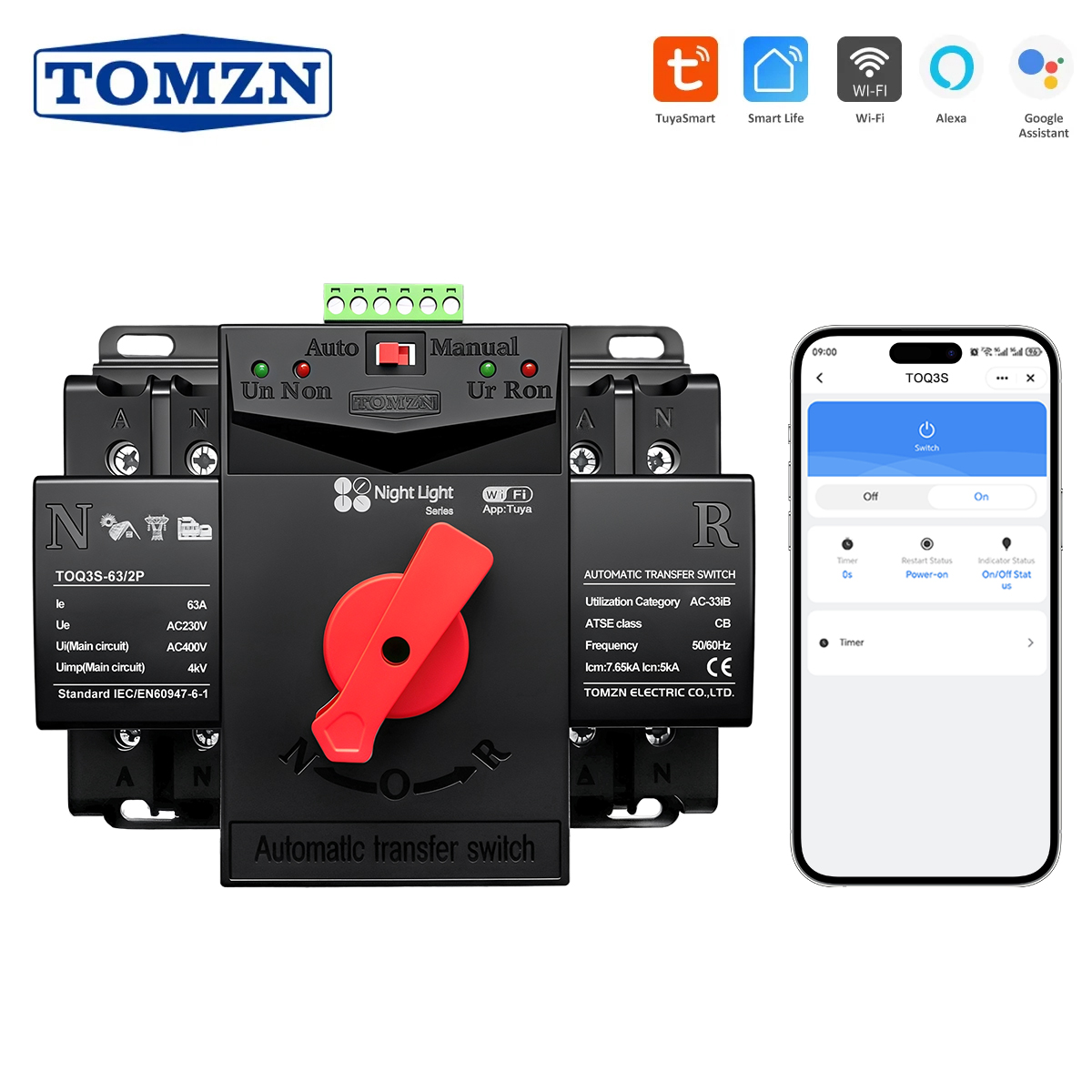
TOMZN SmartLife WiFi Smart ATS 2P 63A Dual Power Auto Transfer Switch AC 230V MCB Type Generator Changeover Switch Short Circuit
View Product Details →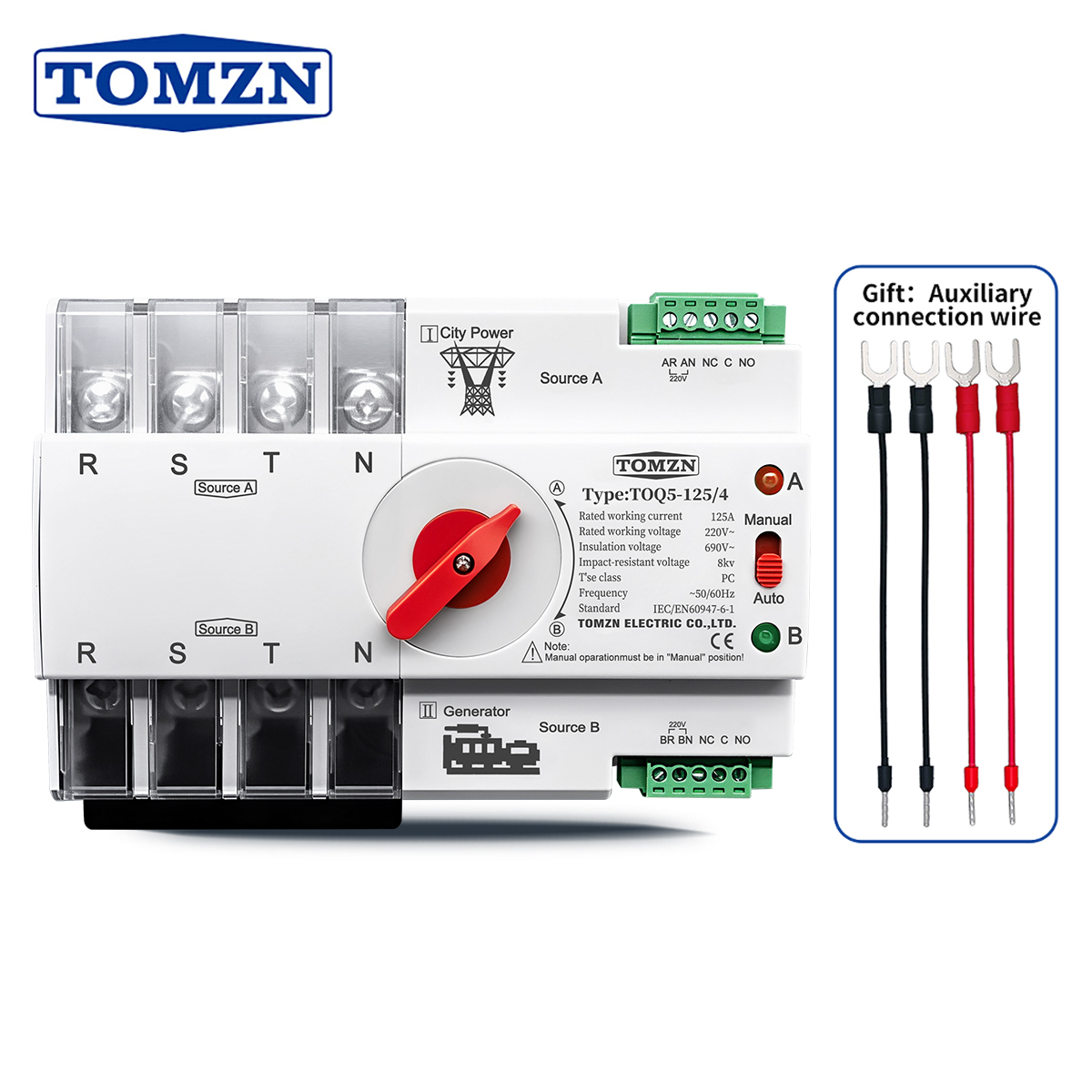
TOMZN 3 Phase Din Rail ATS Dual Power Automatic Transfer Switch Electrical Selector Uninterrupted Power 4P 63A 100A 125A
View Product Details →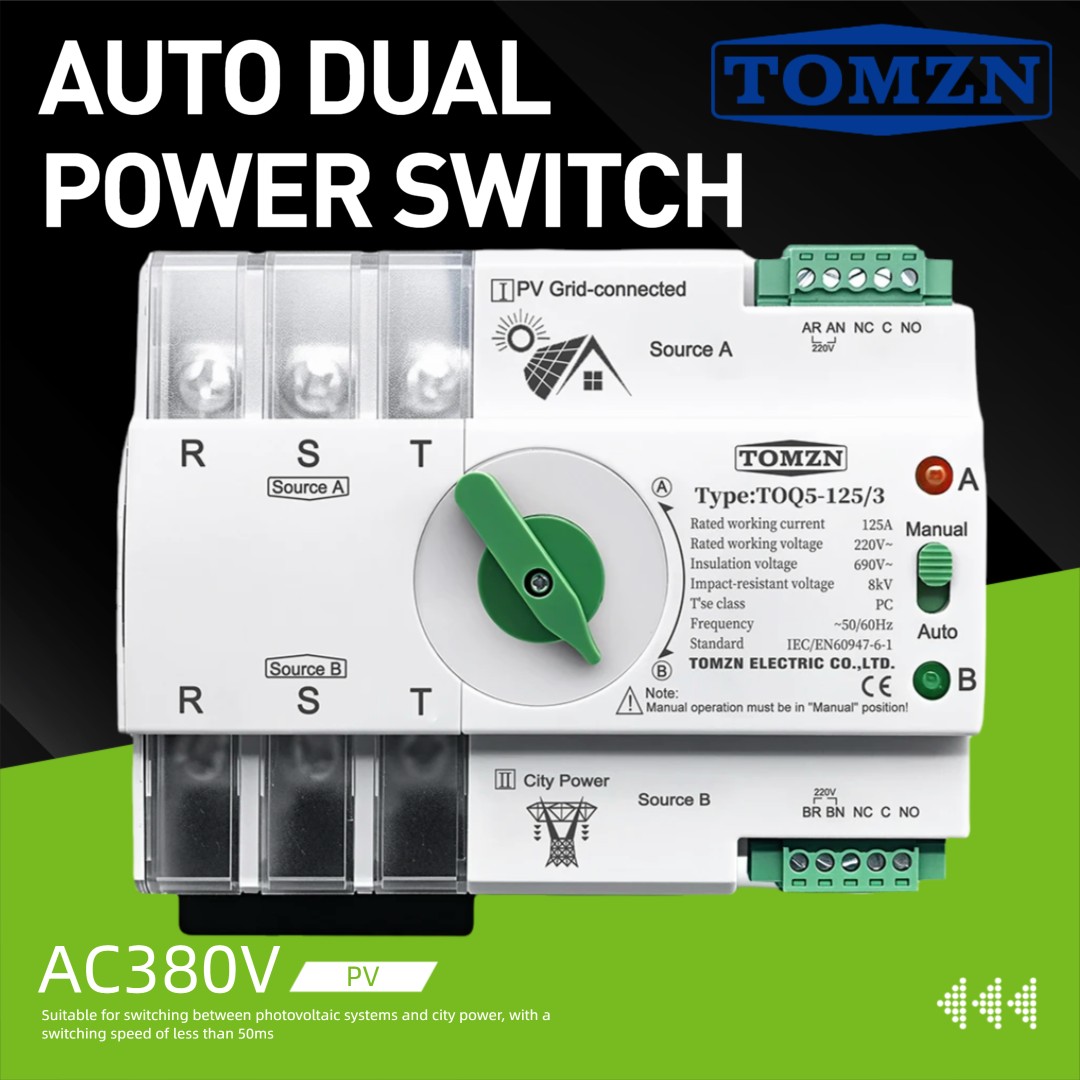
TOMZN 3 Phase DIN Rail ATS for PV Inverter Dual Power Auto Transfer Selector Switches Uninterrupted 2P 230V/380VAC 63A 100A 125A
View Product Details →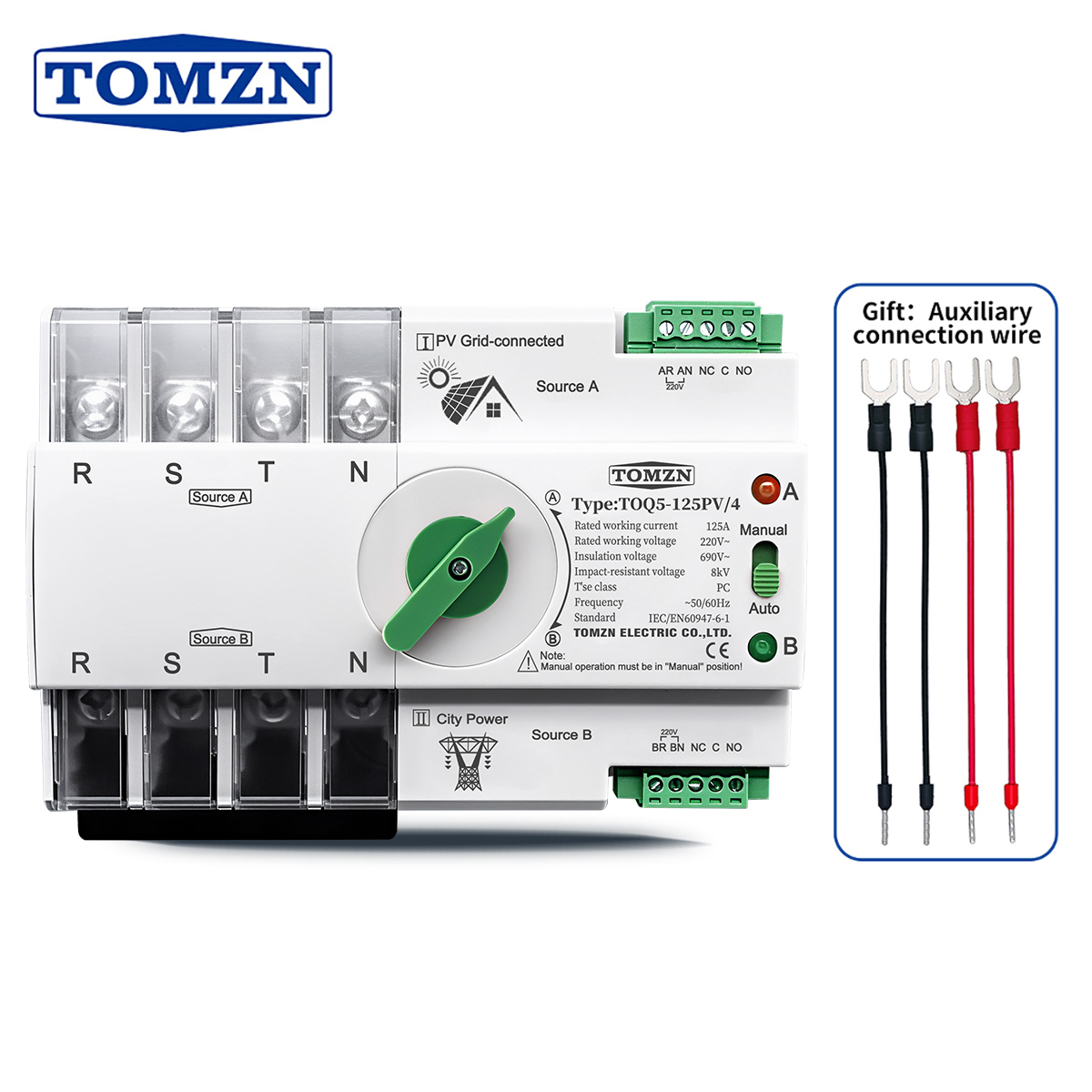
TOMZN 4P 3 Phase 4 Wire Din Rail ATS PV and Inverter Dual Power Automatic Transfer Selector Switches Uninterrupted 63A 100A 125A
View Product Details →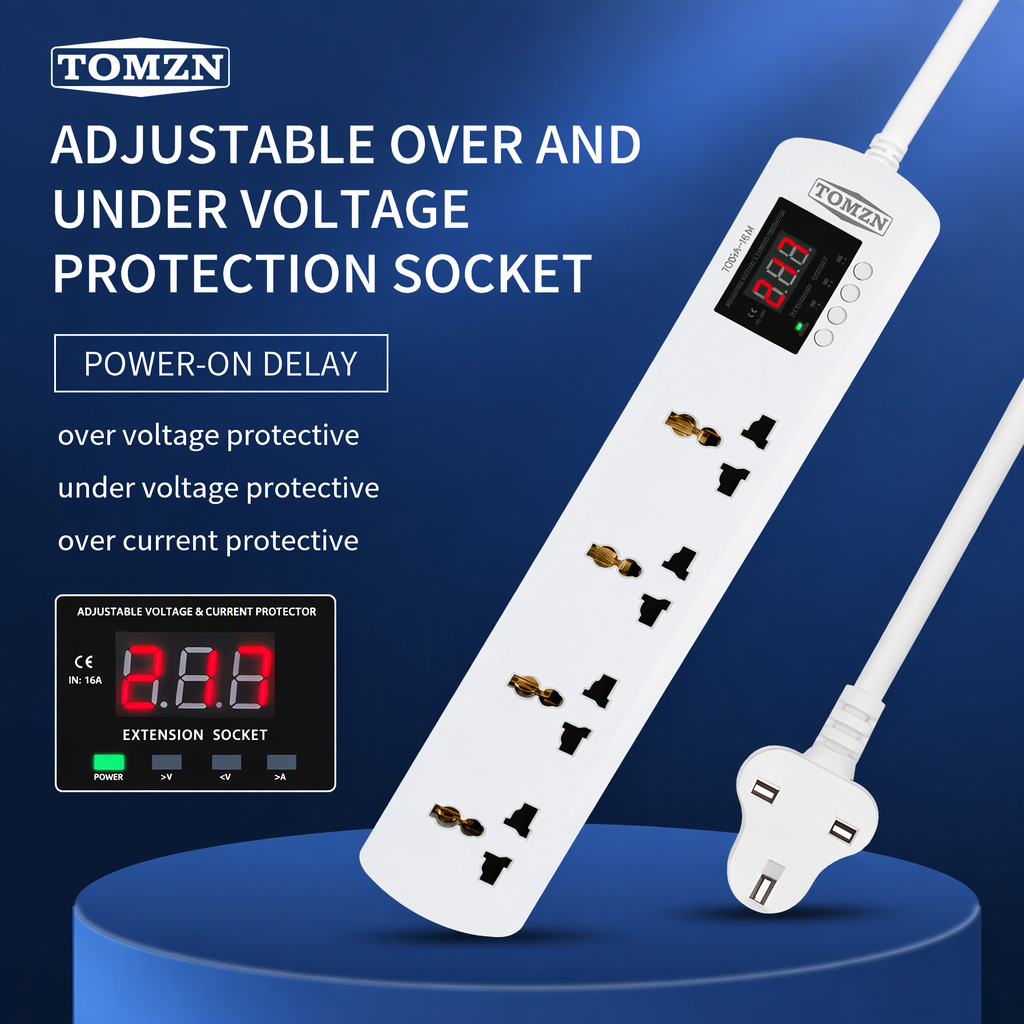
TOMZN 4 Sockets Adjustable Voltage&Current Protector Universal EU Plug AC230V 1-16A 50Hz 60Hz Voltage Display Extension Socket
View Product Details →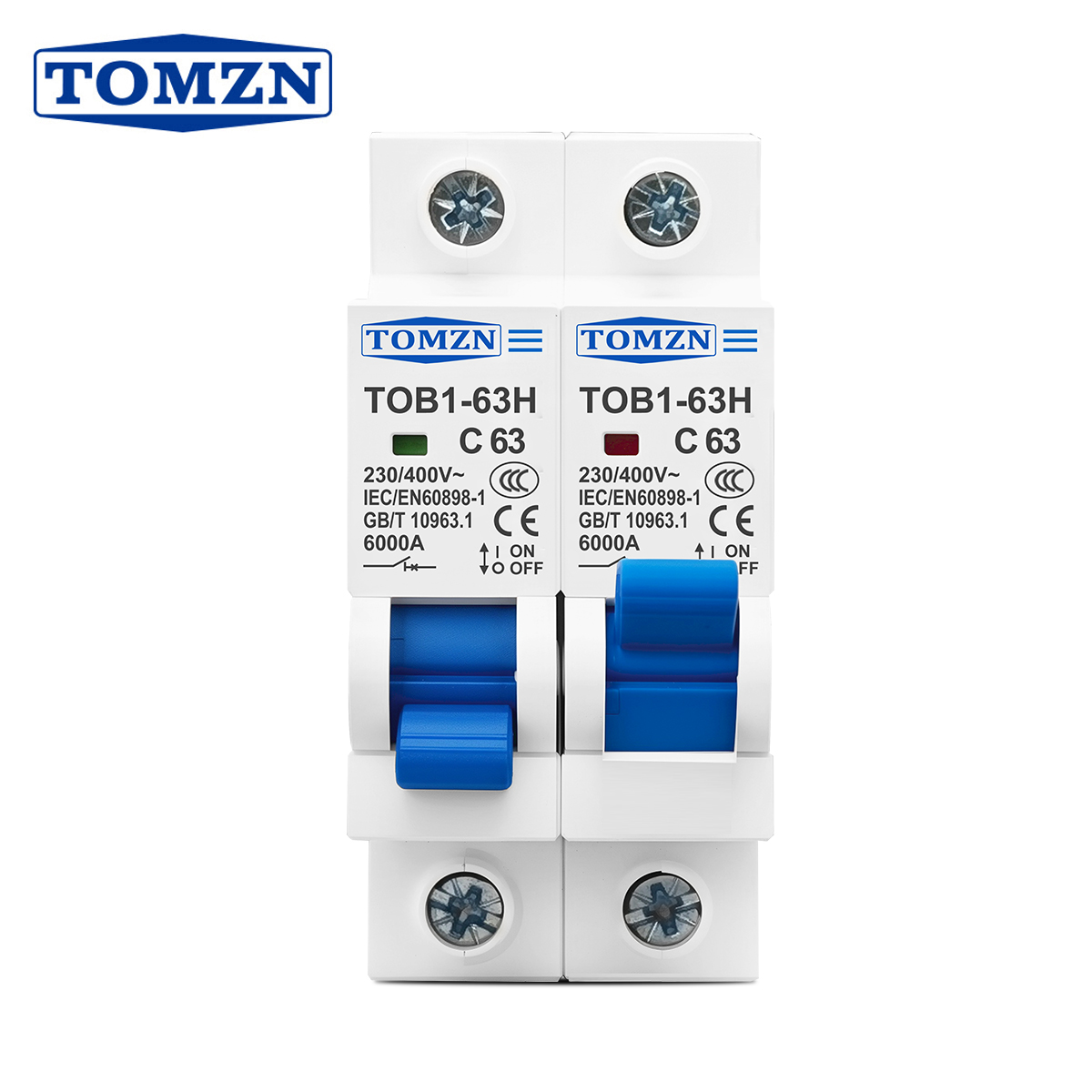
TOMZN Din Rail 1P+1P Interlock MTS Circuit Breaker Changeover Switch Short-circuit Protective Overload Protection 230/400V~ AC
View Product Details →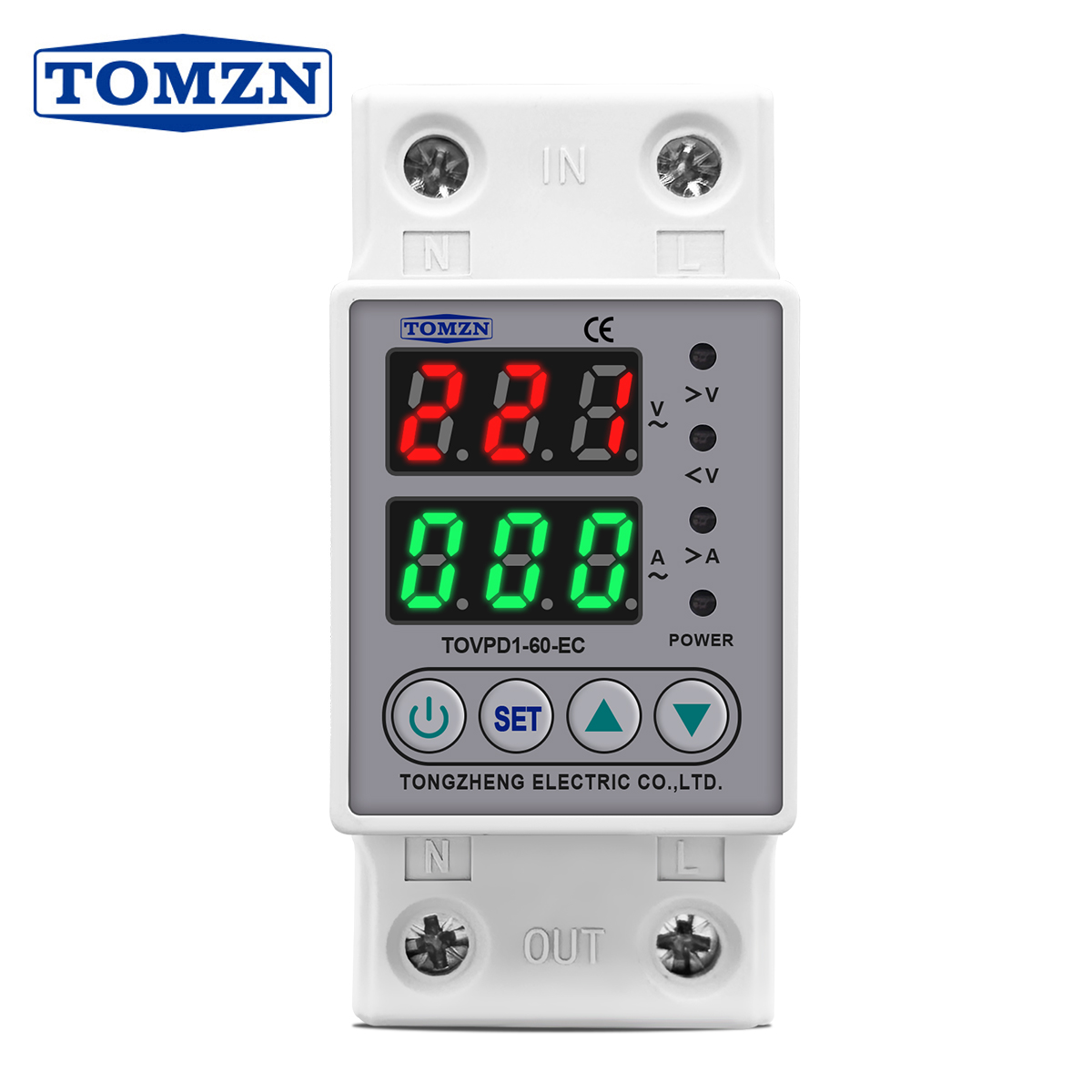
TOMZN DIN Rail 230V Adjustable Over and Under Voltage Protective Device Protector Relay Monitor Current Limit 63A
View Product Details →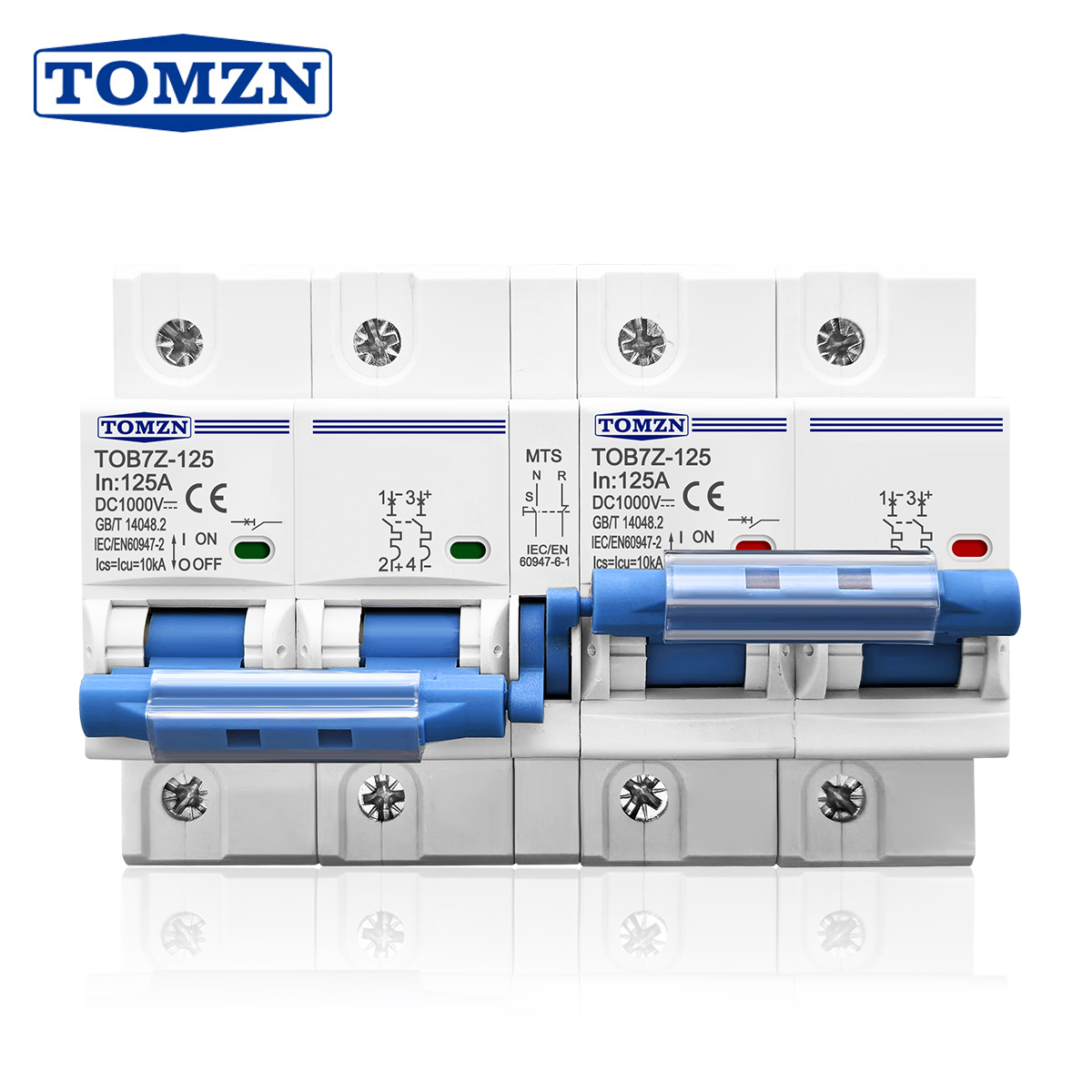
TOMZN 125A 2P Plus 2P DC MTS Dual Power Manual Transfer Switch Circuit Breaker MCB for PV System 2P+2P
View Product Details →1. Executive Technical Whitepaper: Fundamentals of Earth Leakage Protection
In contemporary electrical distribution engineering, personal shock protection and structural fire mitigation rely fundamentally on residual current protection technology. Earth Leakage Circuit Breakers (ELCB), modern Residual Current Circuit Breakers (RCCB), and Residual Current Breakers with Overcurrent Protection (RCBO) serve as the primary protective defense line in low-voltage electrical systems spanning residential, commercial, industrial, and renewable energy infrastructure.
Historically, early-generation Earth Leakage Circuit Breakers functioned via voltage detection (Voltage-Operated ELCBs or VO-ELCBs). These devices monitored the potential difference between a machine frame's metallic enclosure and an auxiliary earth reference electrode. However, legacy VO-ELCBs exhibited critical functional vulnerabilities, including blind spots caused by parallel earthing paths, physical wire degradation on the earth return loop, and an inability to detect direct human contact with live conductors.
Engineering Core Concept: Modern residual current protection devices operate entirely on current-vector summation via a high-permeability Core Balance Current Transformer (CBCT), also known as a Zero-Sequence Current Transformer (ZSCT). Under normal circuit equilibrium, the vector sum of live currents equals zero ($\sum \vec{I} = 0$). When insulation breakdown or human contact introduces a stray vector earth fault path ($I_{\Delta n}$), the resulting magnetic imbalance in the toroidal core induces a secondary voltage that actuates a ultra-sensitive polarized trip solenoid within 40 milliseconds.
As a premier China Earth Leakage Circuit Breaker factory and global OEM supplier, Zhejiang DVS Electric Co., Ltd. integrates advanced electromagnetic toroidal core design, precision silver-alloy contact metallurgy, and micro-gap tripping mechanisms. This structural engineering ensures absolute operational reliability across extreme temperature fluctuations (-25°C to +60°C) and demanding industrial harmonic environments.
2. Engineering Classification & Residual Current Waveform Benchmarks
Global electrical standards (IEC 60755, IEC 61008, IEC 61009) define strict categories for residual current protections based on their capacity to detect diverse AC and DC fault current signatures. Selecting the correct breaker type is vital for preventing magnetic saturation of the CBCT core in power systems incorporating Variable Frequency Drives (VFDs), Solar Photovoltaic (PV) Inverters, and Electric Vehicle (EV) Chargers.
| RCD / ELCB Type | Detectable Fault Waveforms | Typical Industrial Applications | Factory Compliance Standard |
|---|---|---|---|
| Type AC | Sinusoidal Alternating Residual Current (50/60Hz) | General resistive lighting, heating, basic domestic appliances | IEC 61008-1 / GB 16916.1 |
| Type A | Sinusoidal AC + Pulsating Direct Currents with DC overlay ≤ 6mA | Single-phase inverters, washing machines, IT power supplies | IEC 61008-1 / EN 61008 |
| Type F | Type A characteristics + High-Frequency residual currents up to 1kHz | Single-phase VFD heat pumps, complex variable speed motor loads | IEC 62423 / EN 62423 |
| Type B | Type F characteristics + Smooth Direct Currents (DC) & high frequency to 2kHz | Three-phase PV inverters, EV fast chargers, battery storage systems | IEC 62423 / IEC 60947-2 |
Designed with arc chutes featuring up to 13 copper-plated de-ionizing plates to extinguish intense thermal short-circuit arcs up to 6000A / 10000A within milliseconds.
Optimized terminal design supports non-polarized AC/DC line-load connectivity, crucial for solar grid-tie inverters and dual power ATS switchgear.
Built-in surge suppressors prevent nuisance tripping caused by lightning impulse waves (8/20μs surges up to 3000A ringing waves).
3. Strategic Future Sourcing & Procurement Trends (2025–2030)
As global power infrastructure accelerates its migration toward decentralized renewable microgrids, electrification of mobility, and IoT-driven smart building automation, the procurement requirements for Earth Leakage Circuit Breakers are undergoing a structural shift. Distributors, engineering contractors, and OEM brand buyers must align their procurement strategies with four key technical developments:
1. Shift from Type AC to Type A & Type B RCD Mandates: Regulatory bodies across the EU, Middle East, Southeast Asia, and Latin America are increasingly prohibiting Type AC earth leakage breakers in new residential and commercial developments. Modern electronic appliances utilize rectified power supplies that introduce DC leakage components. China suppliers with certified Type A and Type B production lines are capturing major market share due to compliance readiness.
2. Smart Telemetric & Remote Reclosing ELCBs: Smart grid management demands real-time visibility into circuit leakage levels. Advanced RCBOs now feature embedded RS485 Modbus, Wi-Fi (Tuya / eWeLink ecosystem compatibility), or LoRaWAN communication ICs. These devices stream leakage milliampere ($mA$) telemetry to cloud dashboards, enable programmable current threshold adjustment (e.g., selectable 10mA, 30mA, 100mA, 300mA), and permit automated remote reclosing following transient nuisance trips.
3. Space-Saving Slim 1P+N RCBO Miniaturization: Traditional residual current breakers required 2-pole (36mm) or 4-pole (72mm) DIN-rail modular widths. Next-generation manufacturing techniques combine high-density magnetic core geometry with micro-circuitry to house both overcurrent thermal-magnetic protection and ground fault protection inside a ultra-compact 1-module (18mm) housing, doubling panel wiring capacity.
4. Renewable PV System & ESS DC Residual Current Integration: In solar energy storage systems (BESS), dual-power transfer switches (ATS) and DC manual transfer switches (MTS) operate alongside earth leakage devices to isolate faulty inverter branches. Hybrid power architectures mandate cross-protocol protection capable of isolating DC ground faults up to 1000V/1500V DC while managing AC grid utility protection simultaneously.
4. Enterprise Excellence: Zhejiang DVS Electric Manufacturing Capability
Headquartered in Liushi Town, Wenzhou—recognized worldwide as the capital of China's low-voltage electrical industry—Zhejiang DVS Electric Co., Ltd. brings 24 years of specialized manufacturing experience in low-voltage circuit protection, power switching, and energy monitoring.
Spanning a state-of-the-art 5,700 square meter industrial facility, our factory integrates automated assembly lines, high-precision core balance calibration equipment, automated tripping verification stations, and custom laser marking lines. An independent third-party verification company has conducted on-site audits validating our operational scale, quality management systems, and technical export capabilities.
100% automated calibration testing for residual operating current ($I_{\Delta n}$) and instantaneous break time limits (<40ms at $1\times I_{\Delta n}$, <20ms at $5\times I_{\Delta n}$).
Custom private label branding, custom enclosure color moldings, bespoke current ratings (1A to 125A), and tailored packaging solutions for global importers.
With over US$3.3M+ in annual export volume, our products carry CE, CB, and RoHS marks, serving over 60 countries across Europe, South America, Asia, and the Middle East.
B2B Buyer & Engineering FAQ
Detailed technical answers to common queries regarding Earth Leakage Circuit Breakers, supply chain auditing, and product customization.
Partner with China's Premier Earth Leakage Protection Manufacturer
Direct factory pricing, complete CE/CB certification compliance, strict quality control, and scalable OEM production for global electrical importers and panel builders.
Contact Us