Featured Low-Voltage Protection & Smart Switching Equipment
Engineered by Zhejiang DVS Electric Co., Ltd. for solar PV arrays, battery storage systems (BESS), residential backup networks, and industrial control cabinets.
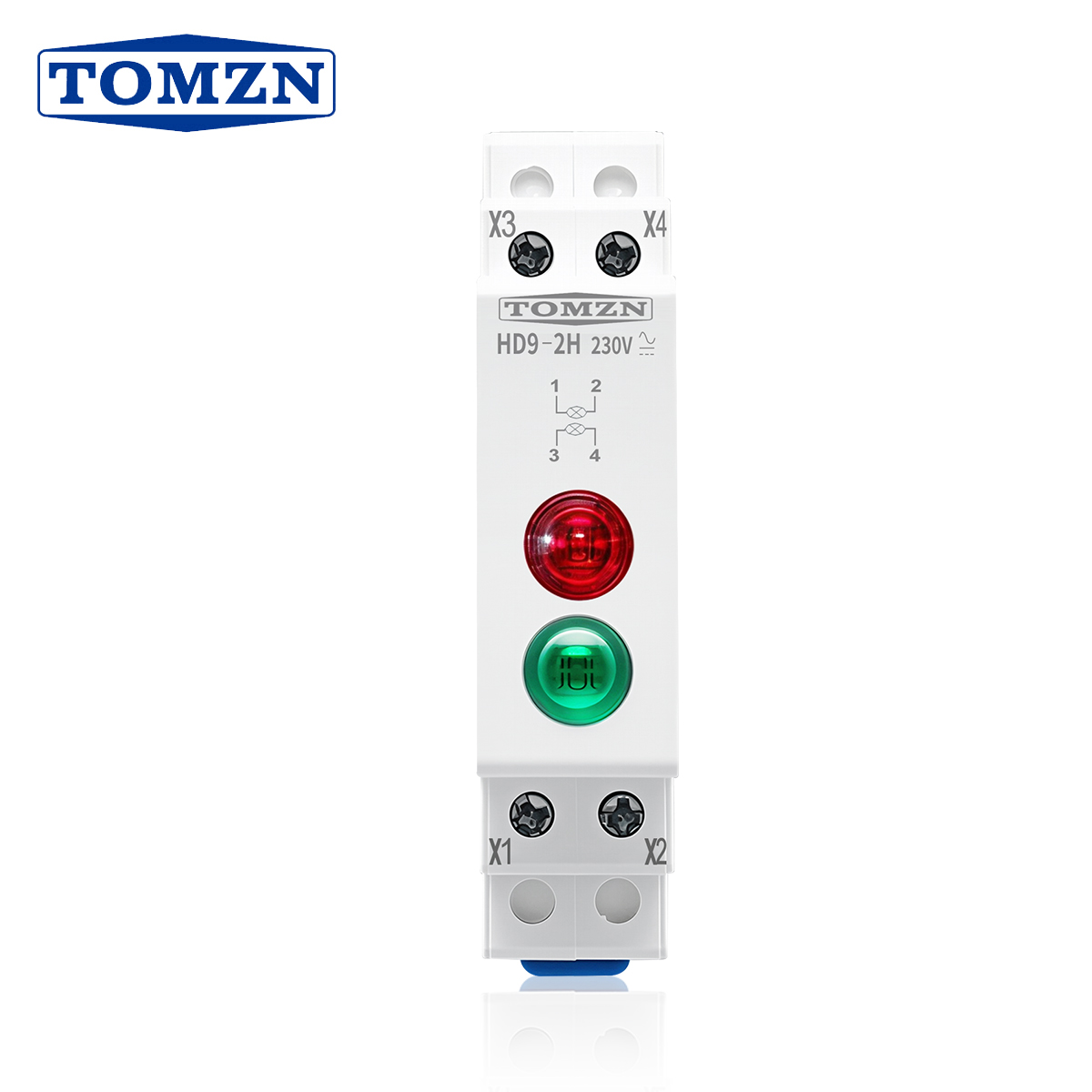
TOMZN DIN Rail HD9-2H 230V AC/DC LED 1P 18mm Signal Indicator Light Red and Green
View Details →
TOMZN WIFI Smart Circuit Breaker 2P 230V AC 1-100A Overload Short-Circuit Timer Switch
View Details →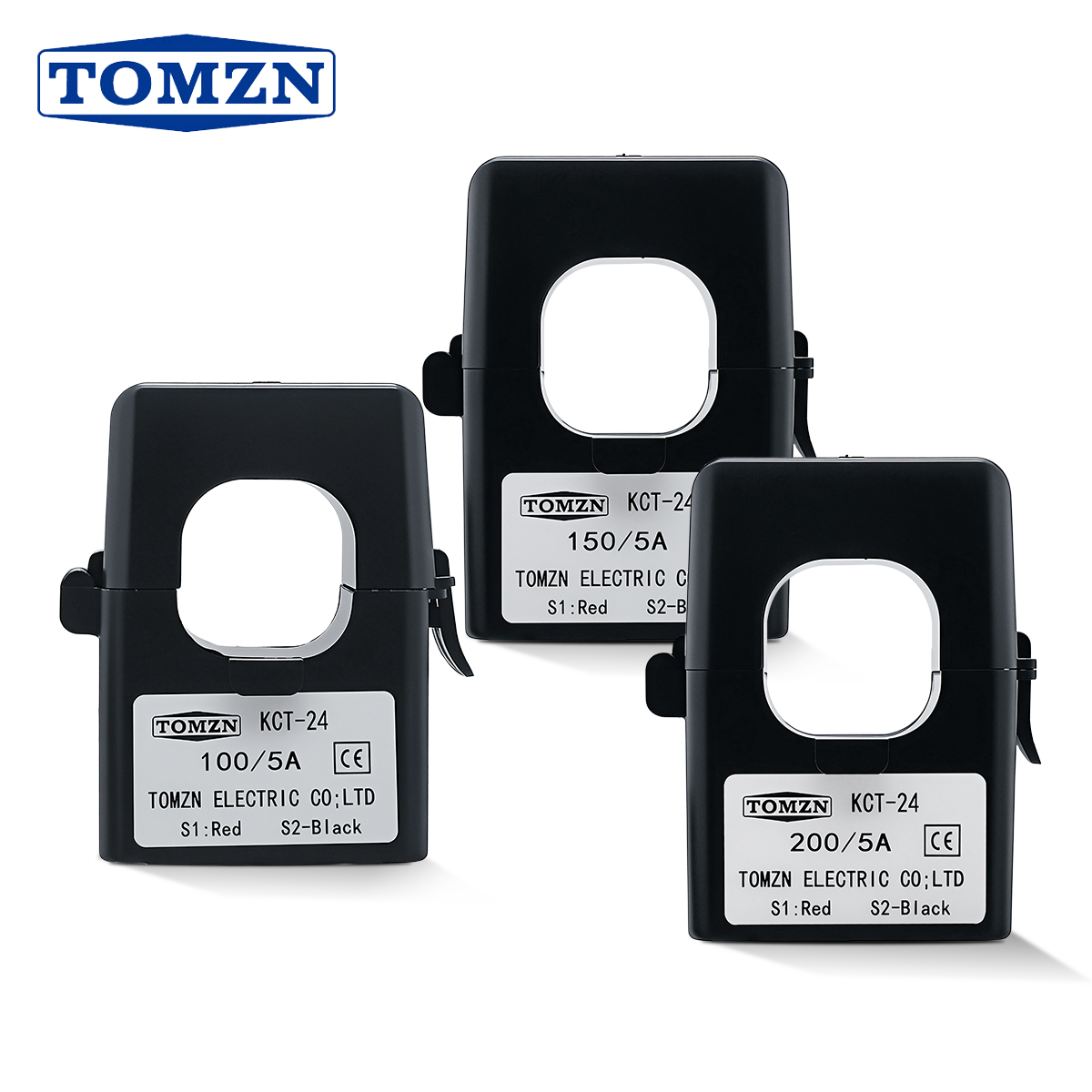
TOMZN Split Type Current Transformer High-Current CT Primary 100A-200A Secondary 5A
View Details →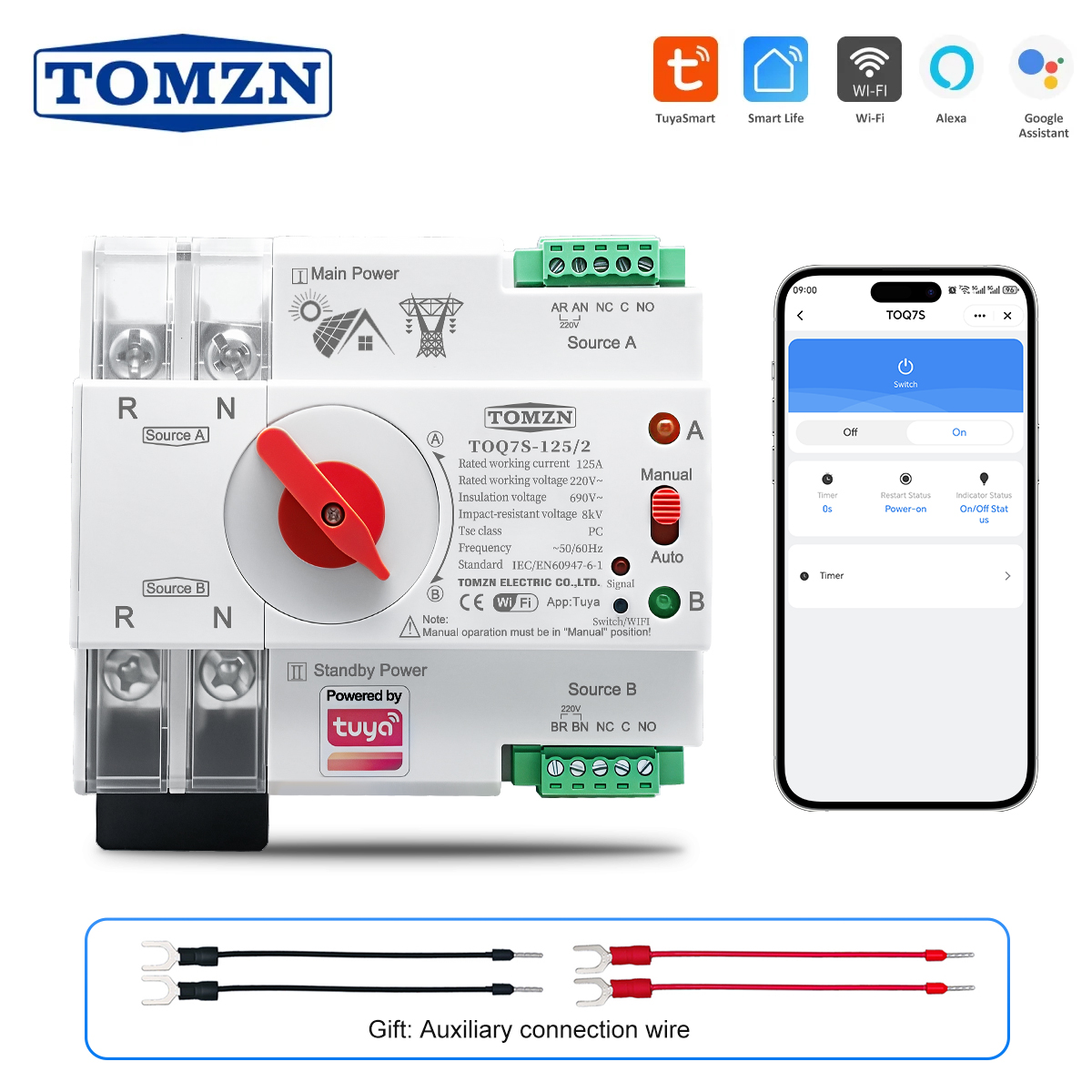
TOMZN TUYA SmartLife WIFI Smart ATS Dual Power Automatic Transfer Switch 2P 230V 63A-125A
View Details →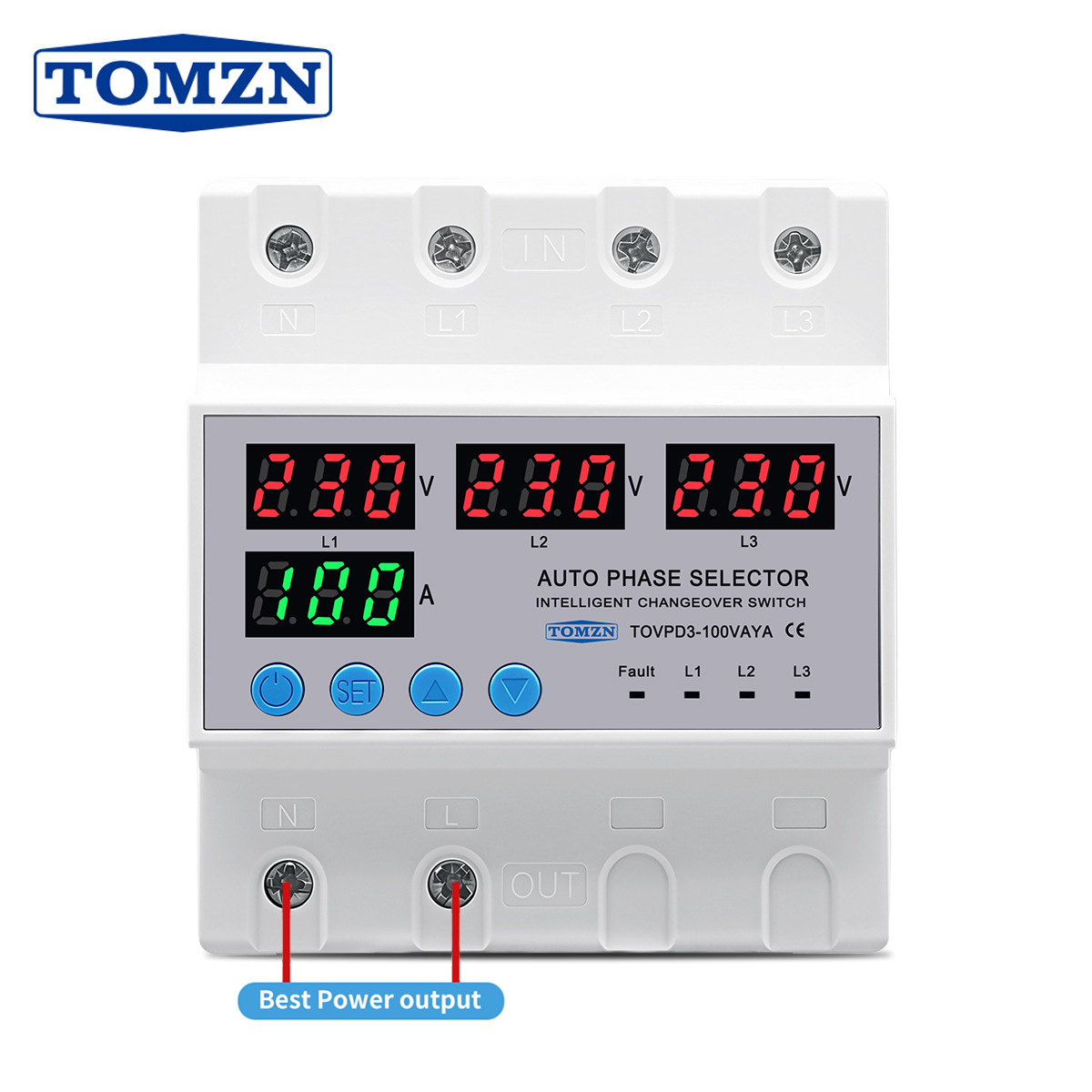
100A TOMZN 3 Phase 3P+N Din Rail Phase Selector Adjustable Over and Under Voltage Relay
View Details →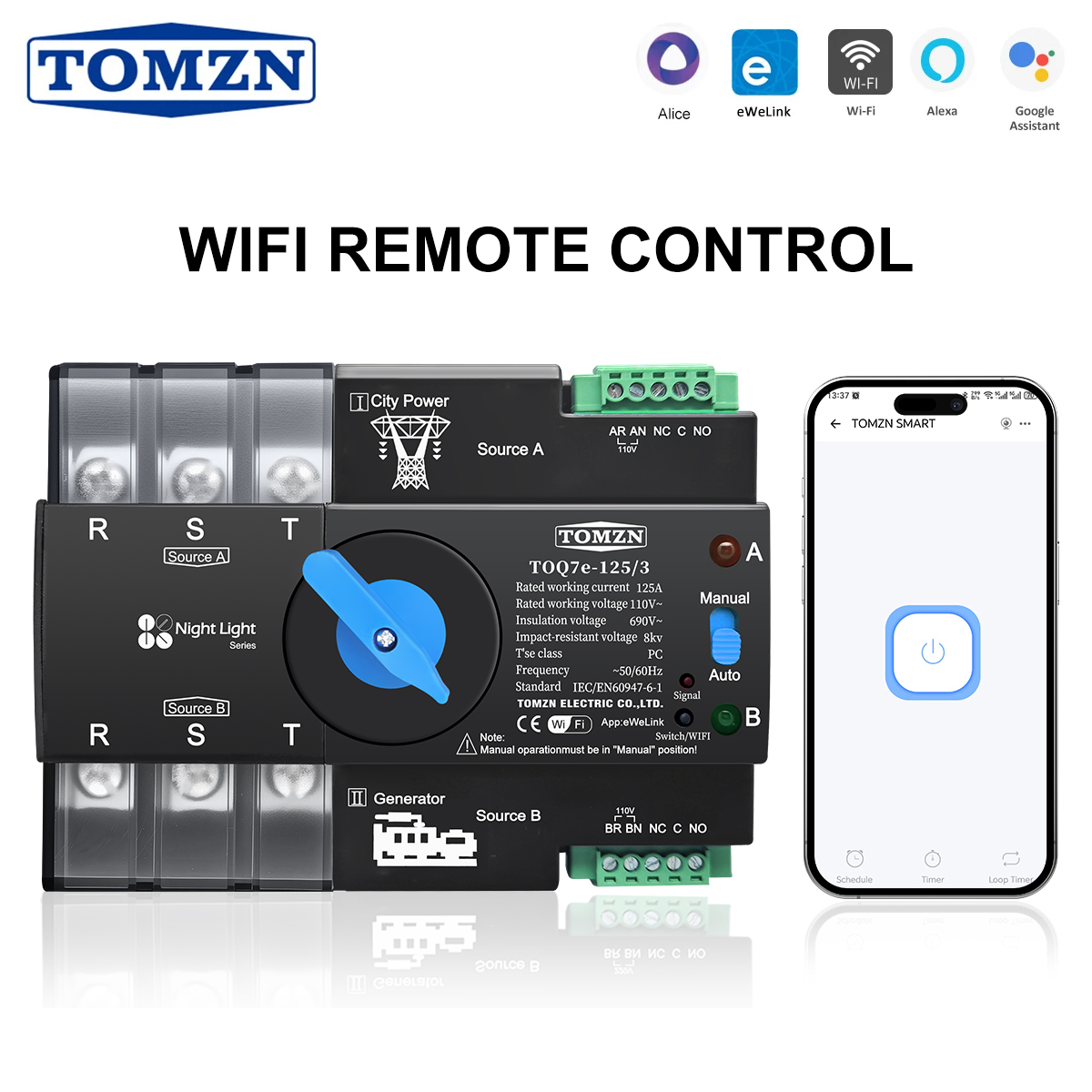
TOMZN 110V/120V Three Phase Smart ATS Dual Power Automatic Switch 3P 125A eWeLink Din Rail
View Details →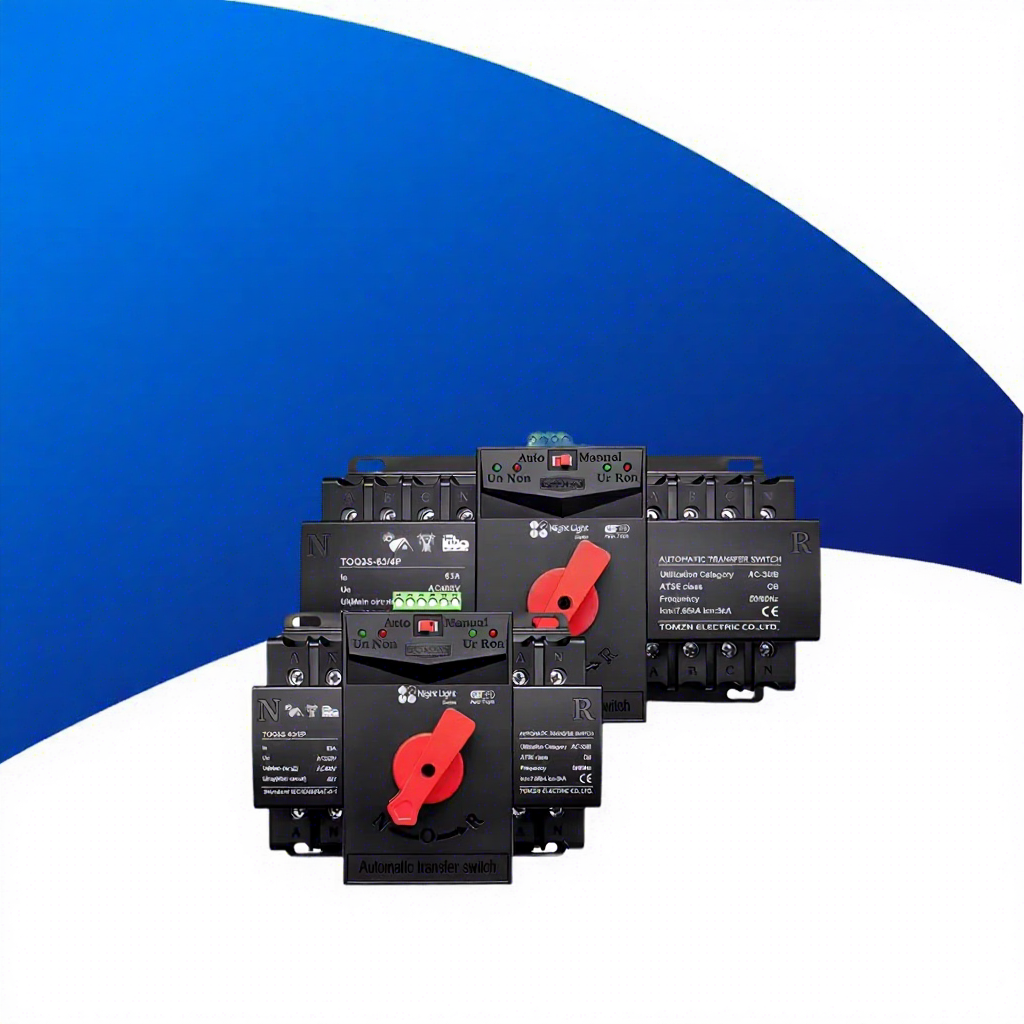
TOMZN SmartLife WiFi Smart ATS 2P/4P 63A Dual Power Auto Transfer Switch AC 220V/230V
View Details →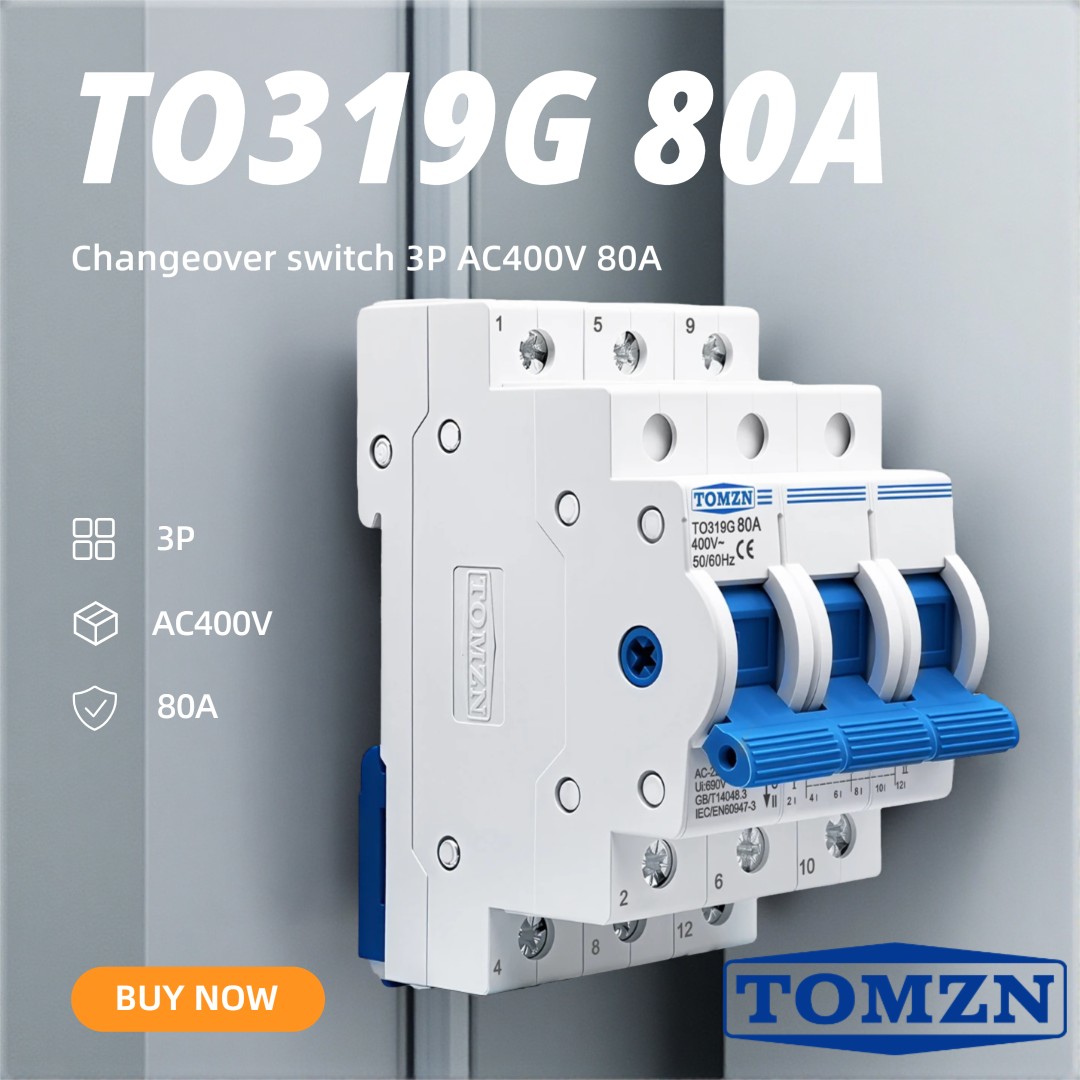
TOMZN TO319G 3 Phase 3P AC400V 80A Changeover Switch MTS Dual Power Manual Isolating Breaker
View Details →Navigating the Global Battery Circuit Protection Ecosystem
As global energy transition accelerates, high-capacity Lithium-ion battery storage installations (BESS), solar PV microgrids, and electric vehicle charging infrastructures require sophisticated, ultra-fast DC protection mechanisms.
The Physics of DC Arc Suppression
Unlike Alternating Current (AC) which naturally crosses a zero-voltage point 100 or 120 times per second—allowing electrical arcs to extinguish naturally—Direct Current (DC) maintains continuous voltage. In high-capacity battery systems (48V to 1000V DC), opening a contact under load creates an intense, sustained plasma arc.
Leading Chinese OEMs incorporate permanent magnetic blowouts and specialized arc chutes that split and elongate plasma arcs into narrow cooling chambers, extinguishing high-energy faults in under 10 milliseconds.
Non-Polarity vs. Polarized DC Breakers
Traditional DC Miniature Circuit Breakers (MCBs) rely on directional polarity, requiring strict wired alignment from positive battery terminals to load side. Reversing current flow during battery charging cycles can destroy polarized arc chambers.
Next-generation battery protection engineered by top-tier suppliers like Zhejiang DVS Electric utilizes symmetrical bidirectional arc-extinction geometry, ensuring complete overcurrent and short-circuit protection regardless of current flow direction.
Compliance & Safety Standards
International procurement managers must ensure compliance with rigorous safety benchmarks. Premier Chinese manufacturers certify products against IEC 60947-2 (for industrial low-voltage switchgear), IEC 60898-2 (for household DC installations), and UL 489B (specifically governing static energy storage systems).
Sourcing certified units guarantees proper ultimate breaking capacity ($I_{cu}$) and service breaking capacity ($I_{cs}$), preventing thermal runaway and catastrophic equipment fires.
Future Sourcing & Technological Development Trends (2025–2030)
Stay ahead of supply chain shifts by understanding the architectural evolution of battery protection equipment in renewable energy microgrids.
1. Shift Toward High-Voltage Architecture (DC 1000V–1500V)
To reduce $I^2R$ copper losses and enhance round-trip system efficiency, commercial and utility energy storage systems are transitioning from 48V/400V to 1000V and 1500V DC bus voltages. Procurement managers are increasingly requesting Molded Case Circuit Breakers (MCCB) and DC MCBs with multi-pole series connections that safely withstand extreme dielectric stresses during interruption.
2. Smart IoT Integration & Real-Time Telemetry
Traditional passive thermal-magnetic tripping mechanisms are being upgraded with microprocessors, RS485 Modbus communications, and wireless connectivity (Tuya, eWeLink, WiFi). Modern battery breakers act as smart telemetry nodes—continuously broadcasting voltage, operational temperature, leakage current, and energy consumption ($kWh$) directly to cloud management platforms.
3. Hybrid & Solid-State DC Protection (SSCB)
While traditional mechanical breakers trip within 5 to 10 milliseconds, Solid-State Circuit Breakers (SSCB) utilize wide-bandgap semiconductors (SiC / GaN) to break short-circuit currents in microseconds. The market is moving toward hybrid breaker configurations—combining semiconductor switching speed with physical galvanic isolation for ultimate battery safety.
Battery Circuit Breaker Selection & Specification Reference
Compare critical electrical parameters across application tiers to streamline engineering procurement and panel builder design.
| Application Tier | Nominal Voltage ($U_e$) | Rated Current ($I_n$) | Breaking Capacity ($I_{cu}$) | Recommended Protection Type | Key Compliance Standard |
|---|---|---|---|---|---|
| Residential Solar & Telecom | DC 12V / 24V / 48V / 60V | 10A – 125A | 6kA – 10kA | 1P / 2P Non-Polarized DC MCB | IEC 60898-2, CE |
| Commercial BESS & Microgrids | DC 250V / 500V / 800V | 63A – 250A | 10kA – 25kA | 2P / 3P Solar DC MCCB | IEC 60947-2, RoHS |
| Utility Energy Storage Systems | DC 1000V / 1200V / 1500V | 100A – 800A | 20kA – 50kA | 4P Heavy-Duty DC MCCB / ACB | UL 489B, IEC 60947-2 |
| Smart Home Backup & ATS | AC 110V / 230V / 400V | 1A – 125A | 6kA – 10kA | 2P / 4P Smart Automatic Switch | CE, ISO9001 |
Why Direct OEM Sourcing from Zhejiang DVS Electric Delivers Competitive Edge
Headquartered in Liushi Town, Wenzhou—China's low-voltage electrical capital—Zhejiang DVS Electric Co., Ltd. combines 24 years of manufacturing experience with flexible global customization.
5,700 m² Modern Plant
Fully integrated assembly, calibration, testing, and packaging operations in a single third-party verified facility, minimizing lead times and eliminating middleman markups.
Complete OEM/ODM Services
Custom laser branding, private label box packaging, specialized tripping curves (B, C, D curves), custom enclosure colors, and localized voltage tuning.
Strict Quality Control
Multi-stage testing protocols including thermal-magnetic calibration, high-voltage flashover testing, contact resistance check, and full functional tripping audits prior to container loading.
Global Export Logistics
Over a decade of international trade experience supplying wholesalers, PV installers, and electrical distributors across Europe, South America, Southeast Asia, and the Middle East.
Frequently Asked Procurement & Technical Questions
Detailed engineering answers to assist importer due diligence, product matching, and system design.
1. What is the fundamental difference between an AC circuit breaker and a DC battery circuit breaker? +
An AC circuit breaker relies on the natural sine-wave zero-voltage point (which occurs 50/60 times per second) to extinguish electrical arcs created when contacts separate. Direct Current (DC) maintains constant current and voltage, resulting in a continuous, high-temperature plasma arc. DC battery circuit breakers incorporate permanent blow-out magnets, specially designed metallic arc chute splitter plates, and wider contact gap distances designed specifically to stretch, cool, and extinguish sustained DC arcs safely without destroying the breaker housing.
2. How do I size a DC MCB or MCCB for a lithium battery storage bank? +
To accurately size a battery circuit breaker, follow these core calculations:
- Continuous Current Rating ($I_n$): Calculate maximum continuous discharge current = $(\text{Inverter Power In Watts} / \text{Minimum Battery Voltage}) \times 1.25$ safety margin.
- Rated Voltage ($U_e$): Breaker voltage rating must exceed the maximum open-circuit absorption voltage of the fully charged battery bank at lowest operational ambient temperatures.
- Interrupting Capacity ($I_{cu}$): Lithium iron phosphate (LiFePO4) batteries exhibit extremely low internal resistance and can deliver instantaneous short-circuit currents exceeding 5,000A to 20,000A. Ensure the selected breaker's $I_{cu}$ rating exceeds your battery bank's maximum short-circuit peak capability.
3. Why are non-polarized DC circuit breakers preferred for energy storage systems? +
In a standard battery energy storage system (BESS), electric current flows in two opposing directions: from battery to inverter during discharge, and from solar array/grid charger to battery during charge. Polarized DC breakers are only engineered to extinguish arcs when current flows in one specific direction. Reversing current flow during charging degrades magnetic arc extinction, creating severe fire hazards. Non-polarized DC breakers engineered by Zhejiang DVS Electric feature symmetrical internal magnetic arc-extinction chambers that protect circuits equally in both current flow directions.
4. What minimum order quantities (MOQ) and OEM customization options are available? +
For standard catalog models (DC MCBs, AC MCBs, ATS switches, and indicators), trial orders start at low MOQ thresholds (typically 5 to 50 pieces). For full OEM customization—including custom laser-printed logos, private-label packaging boxes, specific voltage/current calibration curves, and custom housing colors—MOQ ranges from 500 to 1,000 units depending on product series complexity.
5. How does temperature affect circuit breaker performance, and what derating is needed? +
Standard circuit breakers are calibrated at a reference ambient temperature of 30°C or 40°C. Operating inside sealed outdoor IP65 solar PV combiner boxes or hot battery enclosures elevated to 50°C or 60°C causes the internal bimetallic thermal element to flex earlier. Importers and system designers should apply a thermal derating factor (typically 0.8 to 0.9 multiplier) when selecting rated current ($I_n$) to avoid nuisance tripping in high-temperature environments.
Request Complete Factory Specification & Wholesale Pricing
Download our comprehensive 2025 Low-Voltage & DC Solar Protection Product Catalog, technical datasheets, and direct factory pricing quotes.
