High-Performance Low-Voltage Circuit Protection
Explore our core range of CE-certified three-phase circuit breakers, dual-power transfer switches, and digital voltage protectors designed for global industrial and residential networks.
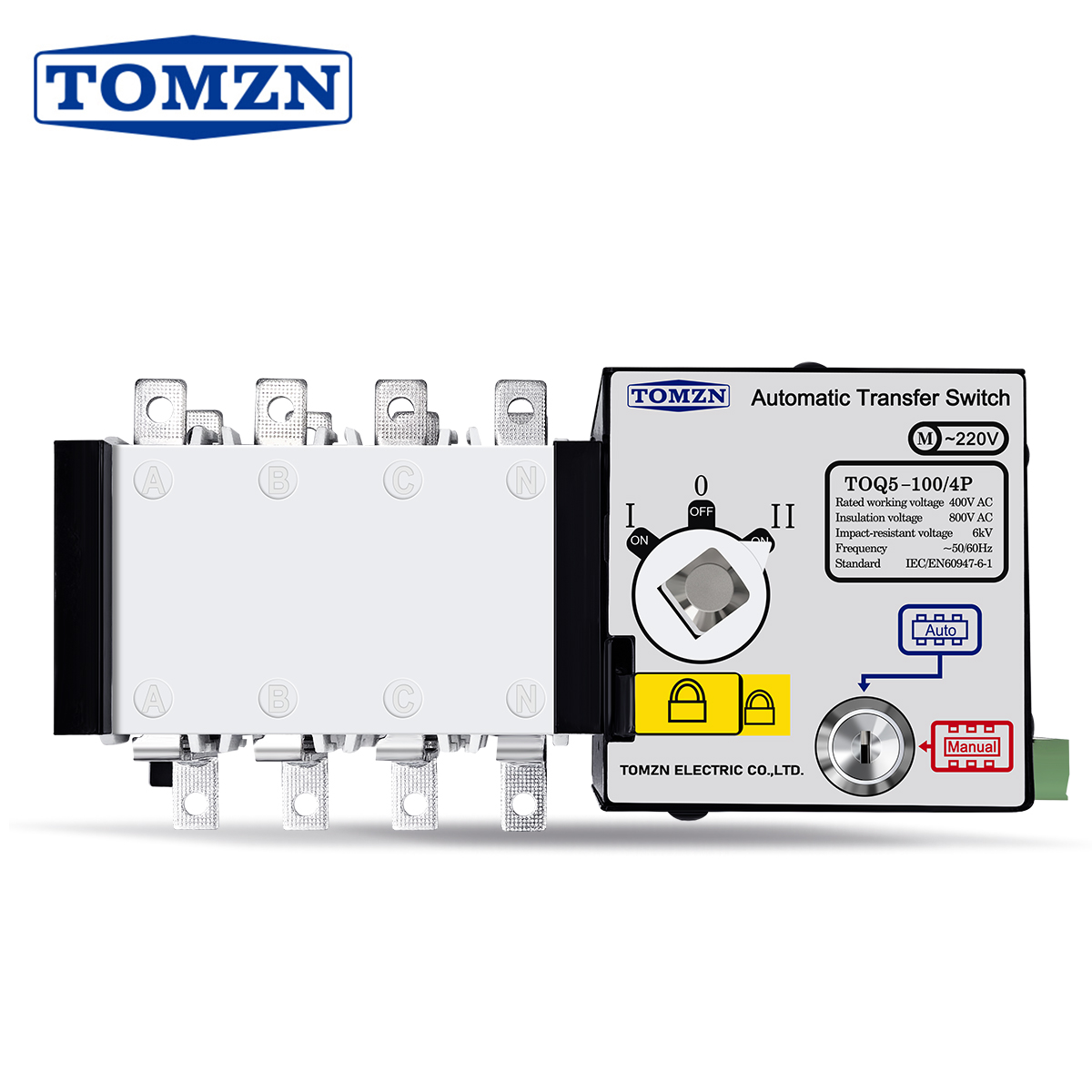
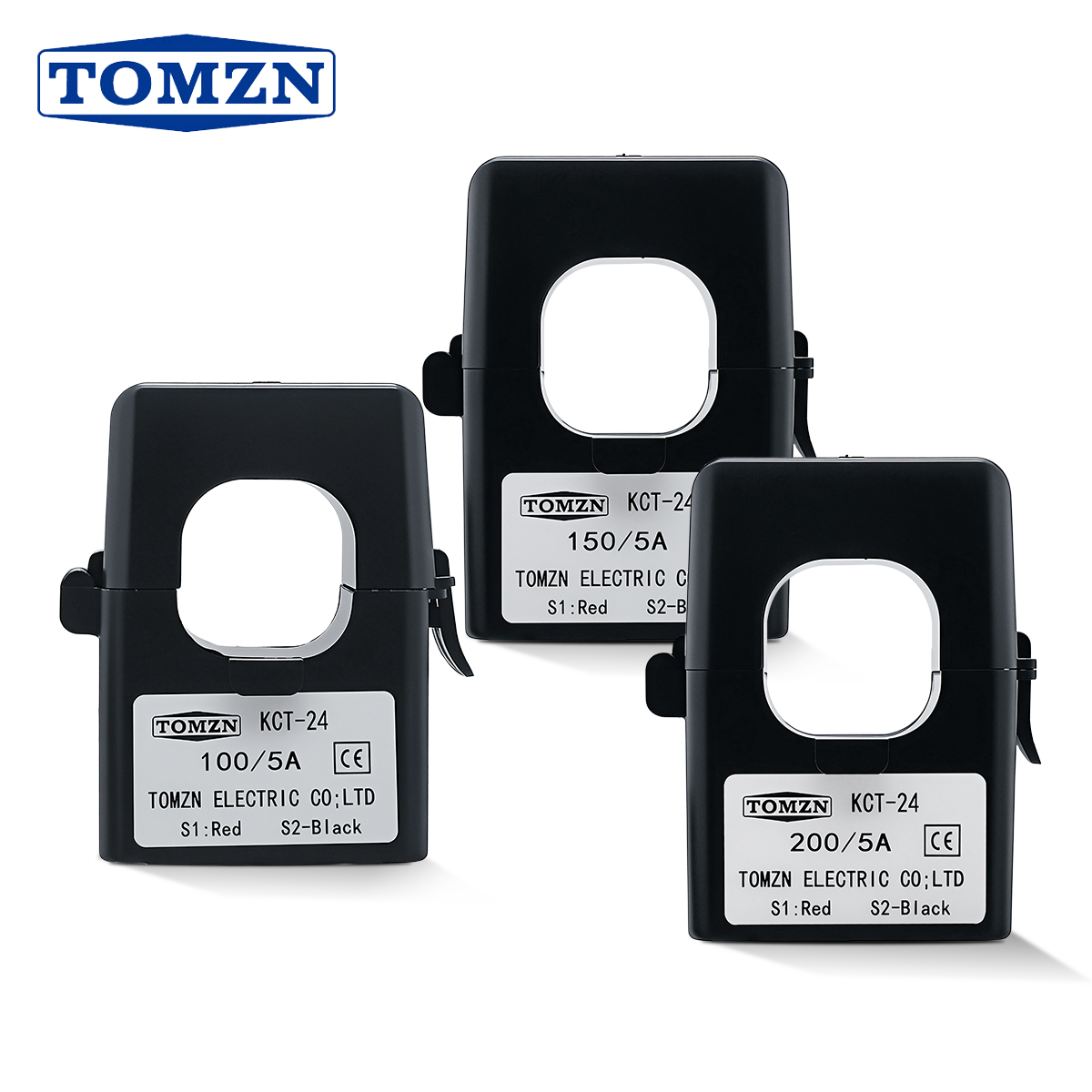
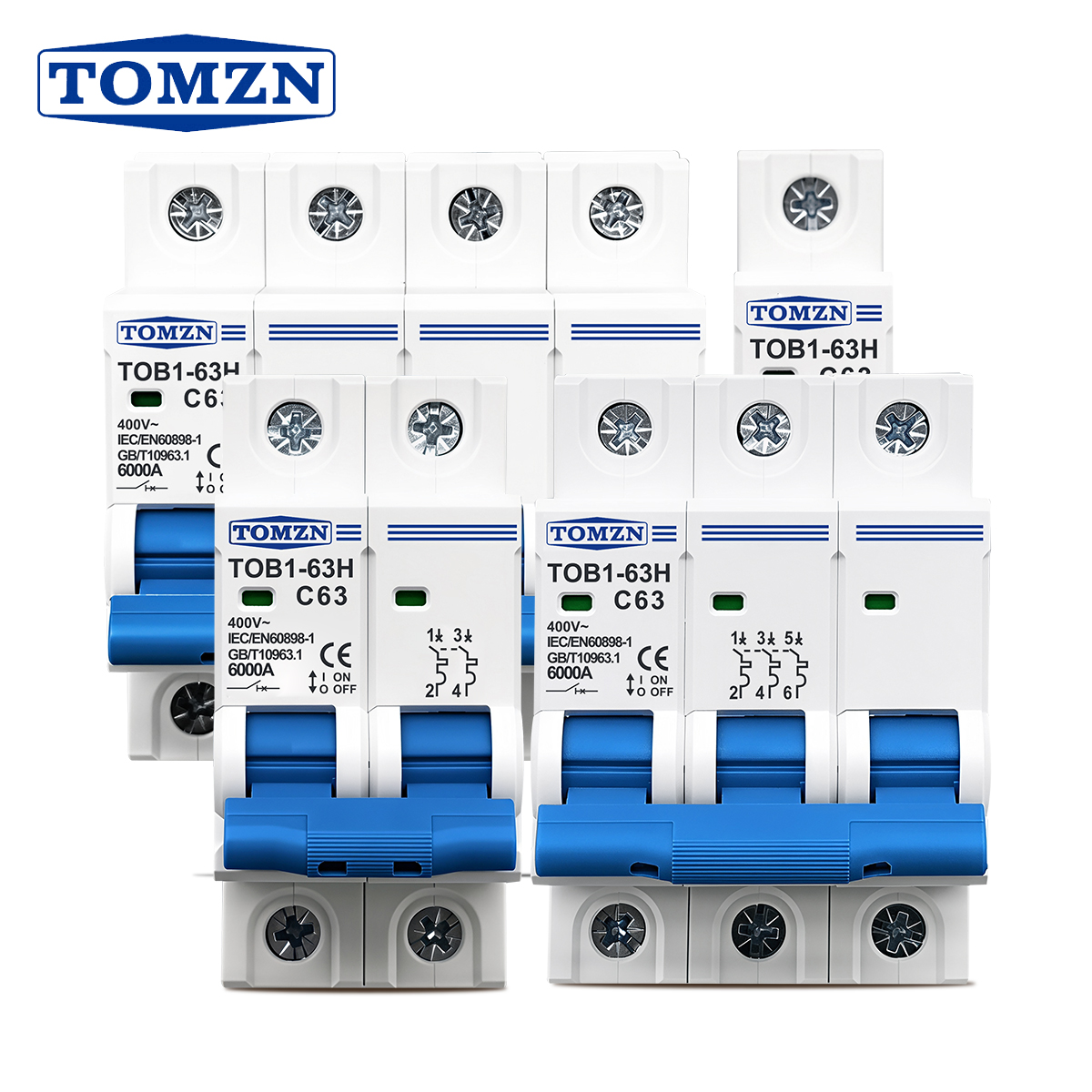
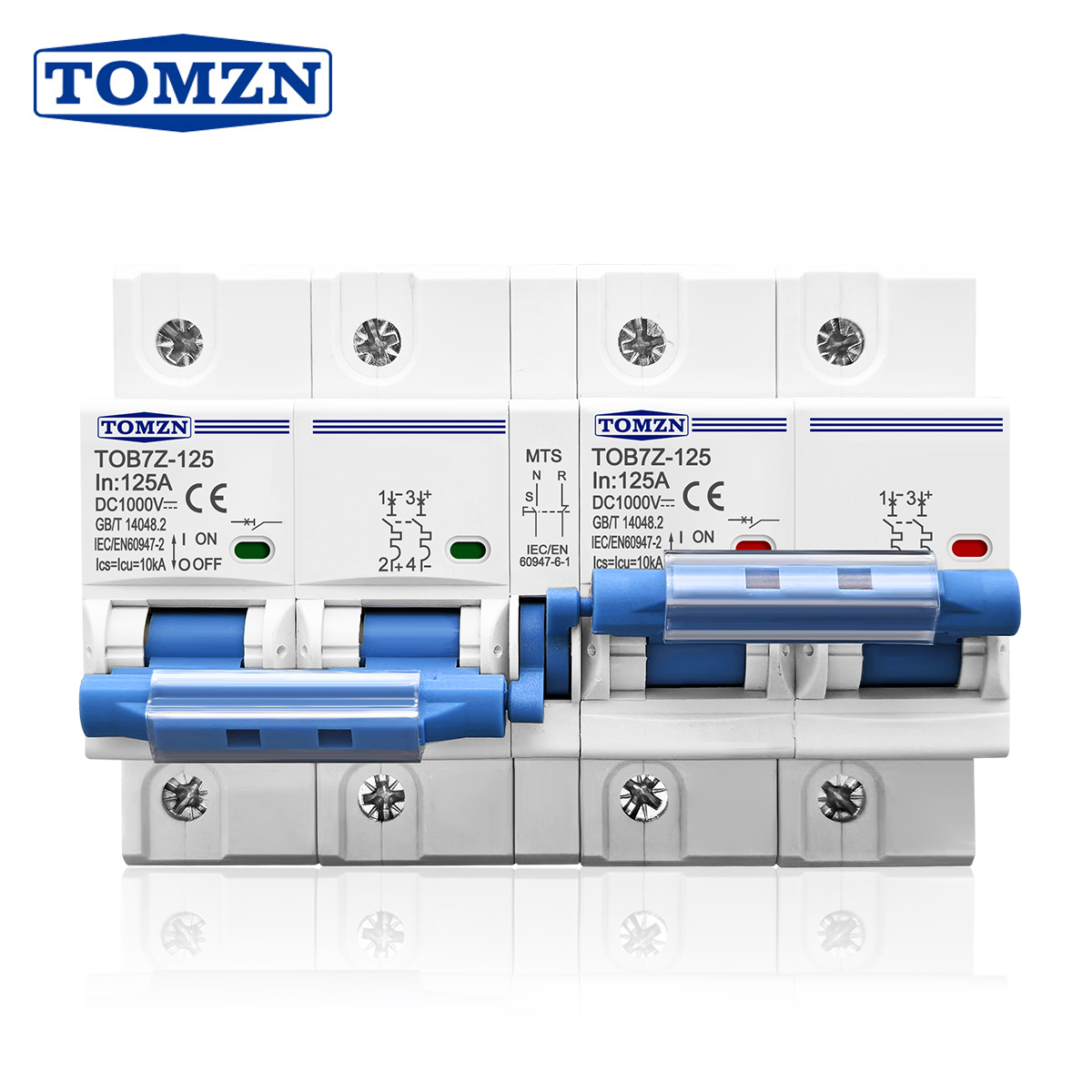

Zhejiang DVS Electric Co., Ltd. — 24 Years of Low-Voltage Innovation
Situated in Liushi Town, Wenzhou—the premier low-voltage electrical manufacturing hub of China—Zhejiang DVS Electric Co., Ltd. operates a streamlined 5,700 m² facility dedicated to manufacturing high-reliability low-voltage protection components.
- Verified Custom Manufacturer: Fully audited onsite by independent third-party inspection firms (Intertek/SGS verified).
- Comprehensive OEM/ODM Service: Custom tripping curves, current ratings (1A to 125A), laser logo engraving, and private label packaging.
- Strict QA/QC Protocols: 100% full dielectric strength, contact resistance, and thermal-magnetic trip calibration prior to shipment.
- International Standard Compliance: ISO 9001 quality management system with full CE certification for European and global compliance.
Engineering Standards & Selection Criteria for 3-Phase Protection
An authoritative whitepaper breakdown on low-voltage three-phase AC 400V/415V protection physics, CE safety compliance, and arc extinguishing design.
Three-phase electrical systems form the backbone of global industrial commercial infrastructure, operating predominantly at nominal line voltages of 380V, 400V, or 415V AC (50/60Hz). Designing protective switchgear for these systems requires a fundamental understanding of electromagnetic forces, arc plasma behavior, and rigorous adherence to international safety standards, specifically IEC/EN 60947-2 (for industrial low-voltage switchgear) and IEC/EN 60898-1 (for household and commercial installations).
1. Arc Extinguishing & Short-Circuit Interruption Physics
When a short-circuit fault occurs in a three-phase system, current spikes rapidly to several thousand amperes within milliseconds. Opening mechanical contacts under full fault current induces an electric arc with core temperatures exceeding 6,000°K. Industrial three-phase Miniature Circuit Breakers (MCBs) and Molded Case Circuit Breakers (MCCBs) manufactured by certified direct factories utilize advanced arc chutes composed of insulated steel plates. These plates divide, lengthen, and cool the electric arc plasma while magnetic blow-out coils force the arc off the silver-tin-oxide (AgSnO2) contact surfaces into the chute chamber.
2. CE Certification & Crucial Technical Parameters
To qualify for full CE marking and legal distribution across the European Economic Area (EEA), three-phase circuit breakers must endure rigorous third-party dielectric, short-circuit, and temperature rise testing. Key technical metrics evaluated by procurement directors include:
- Ultimate Short-Circuit Breaking Capacity (Icu): The maximum fault current the circuit breaker can interrupt at rated voltage without sustaining catastrophic internal damage. Standard industrial 3-phase MCBs achieve Icu ratings from 6kA up to 10kA (400V AC).
- Service Short-Circuit Breaking Capacity (Ics): Expressed as a percentage of Icu (typically 75% or 100%), representing the fault level the breaker can repeatedly interrupt while maintaining operational integrity.
- Rated Impulse Withstand Voltage (Uimp): Defines the circuit breaker's capacity to withstand transient voltage spikes (such as indirect lightning strikes or switching surges) without insulation breakdown. Typical ratings range between 4kV and 8kV.
- Tripping Characteristics (B, C, D Curves): Thermal-magnetic trip calibration dictates system selectivity. C Curve (tripping at 5-10 In) protects general power distribution, while D Curve (tripping at 10-14 In) handles high inrush currents typical of three-phase electric motors and transformers.
Three-Phase Protection Technology Comparison Matrix
| Protection Category | Standard Rated Voltage | Current Range (In) | Typical Breaking Capacity | Primary Application Environment |
|---|---|---|---|---|
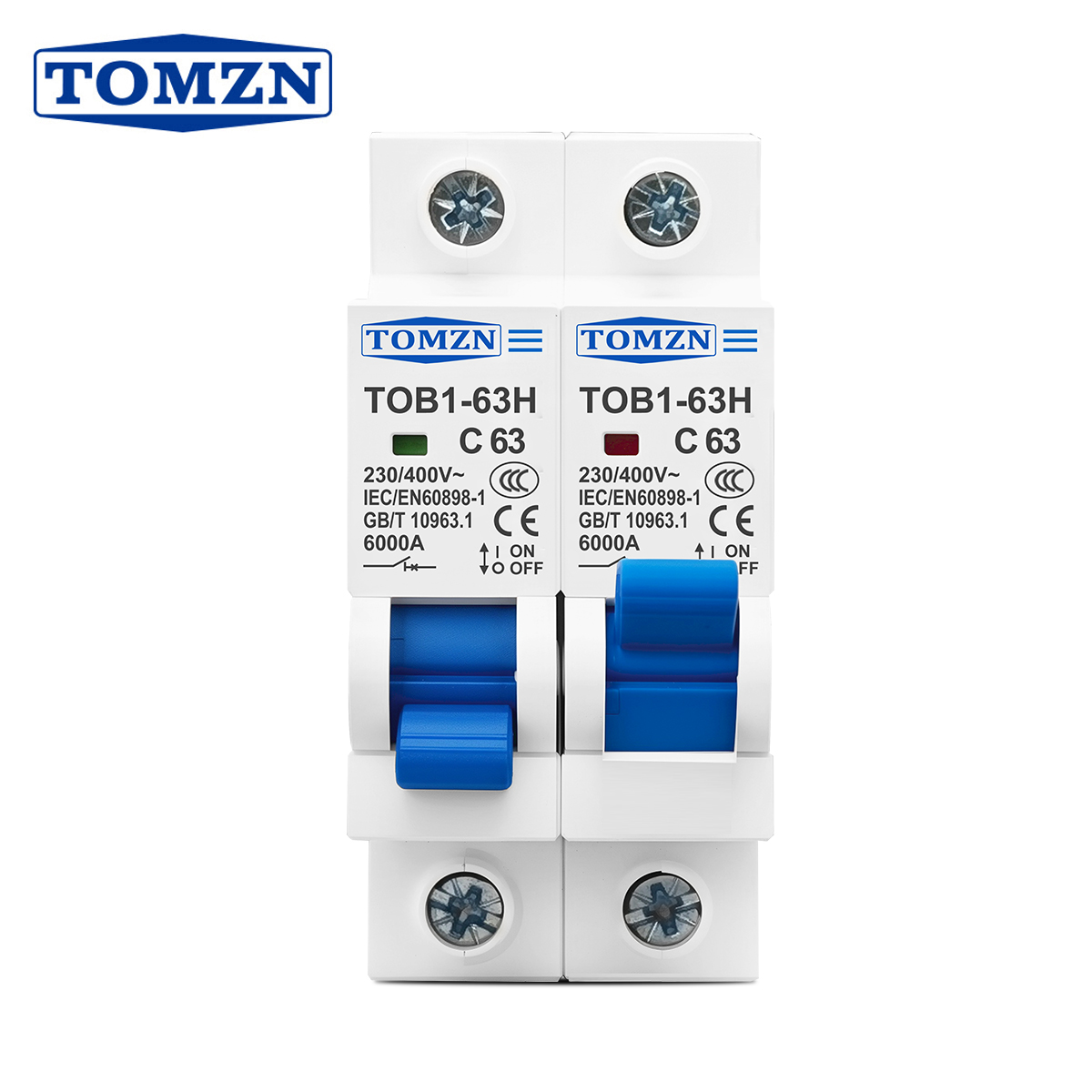
| 3P / 4P AC MCB | AC 230V / 400V | 1A – 63A | 4.5kA / 6kA / 10kA | Commercial distribution panels, small motors, branch circuit isolation. |
| 3P / 4P AC MCCB | AC 400V / 690V | 16A – 800A | 25kA – 50kA | Main industrial switchboards, heavy manufacturing machinery, transformers. |
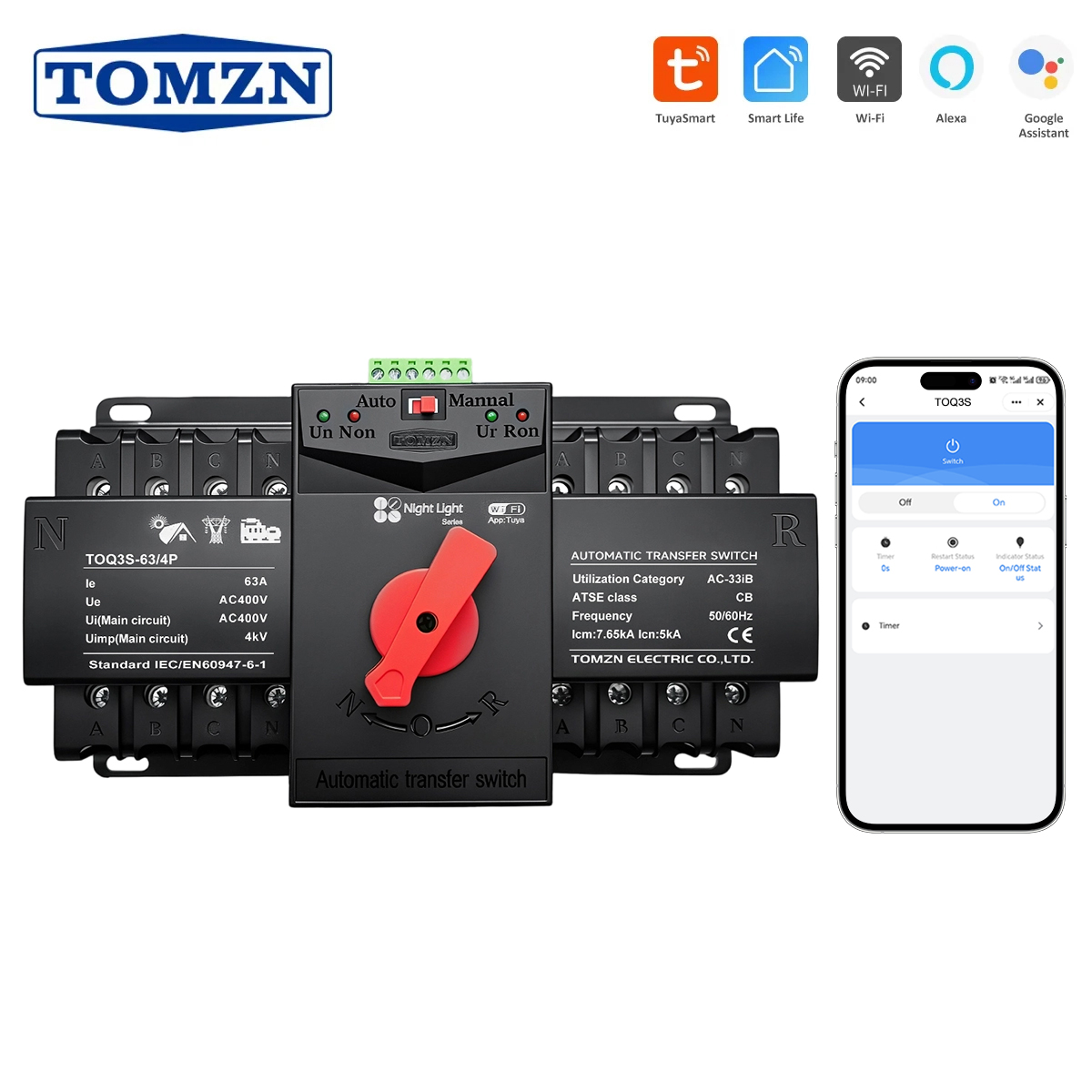
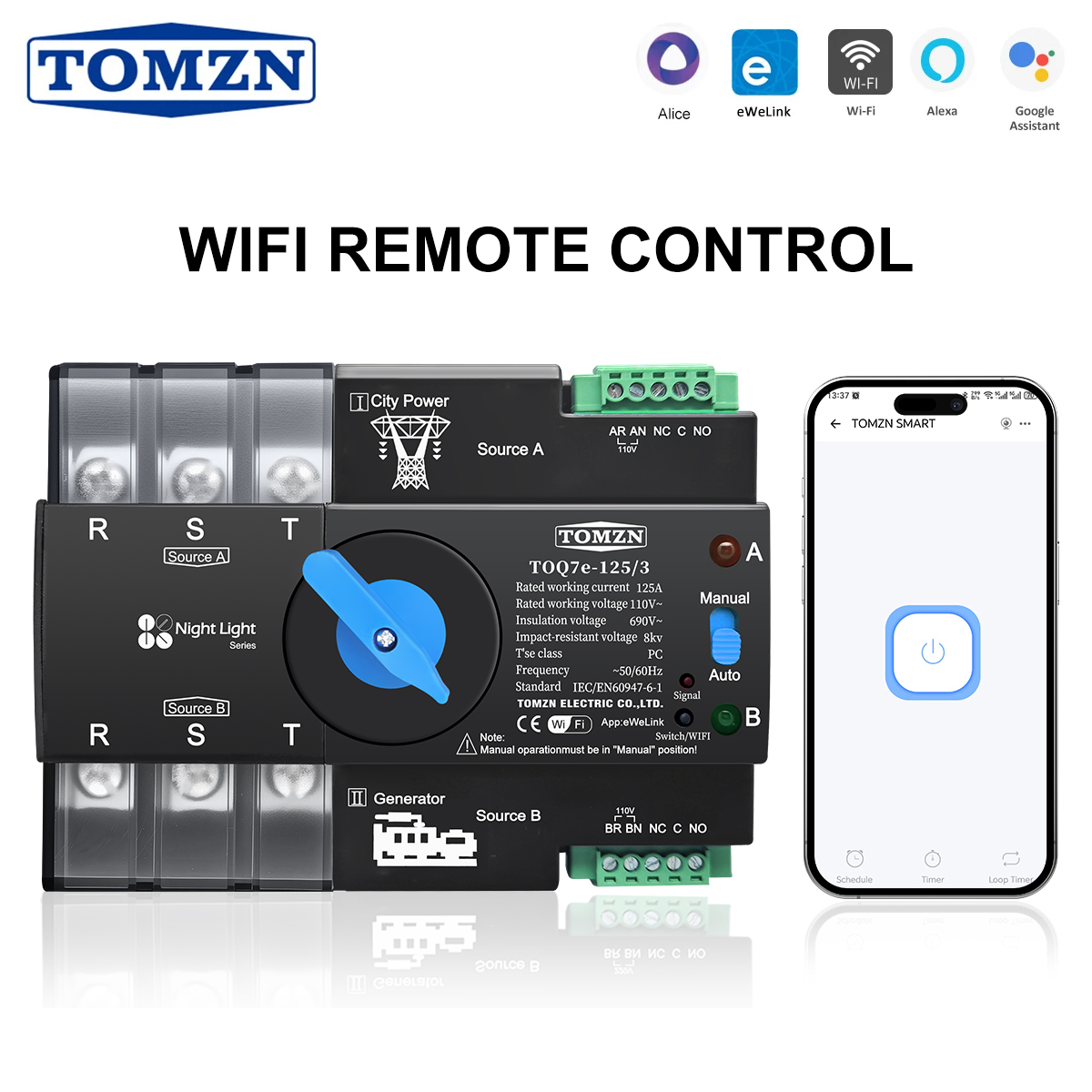
| 3-Phase Smart ATS | AC 110V – 400V | 16A – 125A (PC/CB Class) | 10kA – 20kA | Emergency standby generators, solar hybrid microgrids, server rooms. |
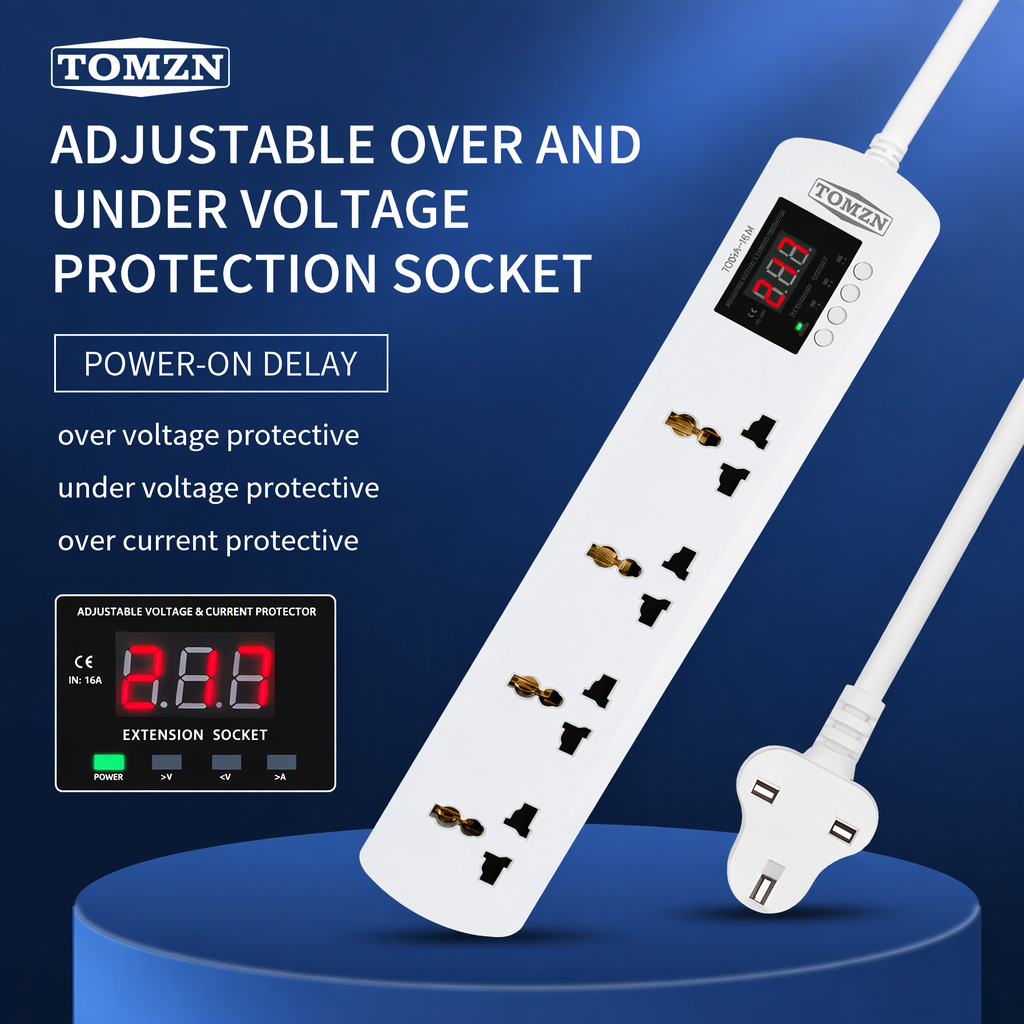
| Over & Under Voltage Relay | AC 230V / 400V (3P+N) | 1A – 80A (Adjustable) | Self-protection disconnect | Grid voltage monitoring, pump station protection against phase loss. |
Key Technical Trends in Low-Voltage Circuit Protection
How smart telemetry, solid-state electronics, and renewable energy integration are reshaping industrial circuit breaker manufacturing.
1. IoT Telemetry & Smart Grid Integration
Modern three-phase circuit breakers are rapidly moving beyond passive mechanical tripping. Integration of Tuya, eWeLink, and Modbus RS485 communication protocols enables real-time voltage, current, temperature, and power factor streaming to cloud dashboards, allowing remote fault diagnosis and predictive maintenance.
2. High-Voltage Solar DC & Storage Isolation
With solar PV string voltages scaling to 1000V and 1500V DC, manufacturers are developing specialized multi-pole non-polarized DC breakers and manual transfer switches (MTS) capable of extinguishing stubborn direct-current arcs in energy storage system (ESS) battery racks.
3. Solid-State & Hybrid Breaker Technology
Solid-state circuit breakers (SSCBs) utilize semiconductor power switches (GaN / SiC MOSFETs) to interrupt electrical faults within microseconds—over 100 times faster than electromechanical breakers—virtually eliminating arcing wear and drastically increasing operational lifespan.
Future Global Procurement Trends in 3-Phase Protection
Key factors guiding B2B electrical importers, panel builders, and engineering contractors toward optimized supply chain resilience.
The global market for low-voltage power equipment is undergoing a major structural transformation driven by electrification, renewable microgrids, and tighter environmental regulations. Procurement managers must adapt their strategy to stay competitive:
Shift Toward Direct-from-Factory OEM Partnership
To reduce intermediary markups and ensure product traceability, international buyers are increasingly shifting away from trading companies in favor of third-party verified manufacturers in specialized clusters like Liushi, Wenzhou. Direct OEM partnership allows tailored technical modifications—such as adjusting trip thresholds, applying custom flame-retardant polyamide housings (UL94 V-0), and establishing private-label brand packaging—at fraction of traditional European factory cost.
Regulatory Compliance & Sustainability Mandates
International environmental standards, including RoHS 2.0, REACH, and CBAM (Carbon Border Adjustment Mechanism), are becoming non-negotiable requirements across European and North American markets. Premier circuit breaker factories are upgrading contact manufacturing to lead-free, cadmium-free silver alloys while ensuring plastic housings utilize recyclable, halogen-free engineering polymers.
Microgrid & Dual-Power Transfer Switching Readiness
As commercial buildings integrate rooftop solar photovoltaic systems, battery backup systems, and diesel standby generators, three-phase automatic transfer switches (ATS) are transitioning from optional accessories to mandatory baseline equipment. Sourcing managers are prioritizing dual-power switches that combine high breaking capacity, mechanical interlocks, and sub-50ms transfer speeds to protect sensitive digital infrastructure.
Frequently Asked Questions by B2B Buyers
Detailed technical and commercial answers for electrical distributors, importers, and project engineers.
What is the difference between 3P and 4P circuit breakers in a three-phase system?
A 3P (3-Pole) circuit breaker protects and switches the three live phase conductors (L1, L2, L3) while leaving the neutral line uninterrupted. A 4P (4-Pole) breaker protects all three phase conductors and switches the neutral conductor (N). 4P breakers are required in installations with unbalanced loads, dual-power switching (ATS), TT earthing systems, or where complete isolation of the neutral is mandated by local wiring codes (e.g., IEC 60364).
How do I verify the authenticity of CE certification from a Chinese manufacturer?
Authentic CE compliance requires full test reports issued under relevant EN standards (EN 60947-2 or EN 60898-1) by an accredited laboratory (e.g., TÜV, Intertek, SGS, DEKRA, or CE-notified bodies). Request the complete test report number, check certificate validity directly on the issuing agency's verification portal, and ensure the manufacturer's name matches the factory audited in the ISO 9001 QMS certificate.
What custom OEM options are available for circuit breaker orders?
Zhejiang DVS Electric offers comprehensive OEM/ODM options: custom rated current (1A–125A), customized tripping curves (B, C, D), laser-engraved customer logos, specialized casing color selection, multi-voltage coil ratings (110V, 220V, 400V), and fully customized multi-language retail or industrial carton packaging.
Why should a DC circuit breaker be used for solar PV instead of an AC breaker?
AC current crosses the zero-voltage point 100 or 120 times per second, allowing electric arcs to extinguish naturally during trip events. Direct Current (DC) maintains constant voltage and current, producing extremely resilient arcs that do not extinguish on their own. DC MCBs feature specialized magnetic blow-out permanent magnets and extended arc chute geometry designed to extinguish DC arcs up to 1000V/1200V DC safely.
What lead times and Minimum Order Quantities (MOQ) can buyers expect?
Standard catalog products start from low MOQs (5 to 50 units for sample testing and trial orders). Custom OEM production runs typically require MOQs of 500 to 1000 units per specification. Standard lead time for custom production is 15-25 days, with fast-track delivery options available for established distribution partners.
Partner with a Verified Low-Voltage Manufacturer
Upgrade your electrical product lineup with factory-direct pricing, certified performance, and complete OEM customization from Zhejiang DVS Electric Co., Ltd.
Get Catalog