Recommended Electrical Safety & Protection Solutions
Direct from Wenzhou’s premier low-voltage electrical manufacturing facility. Certified, tested, and tailored for global power distribution systems.
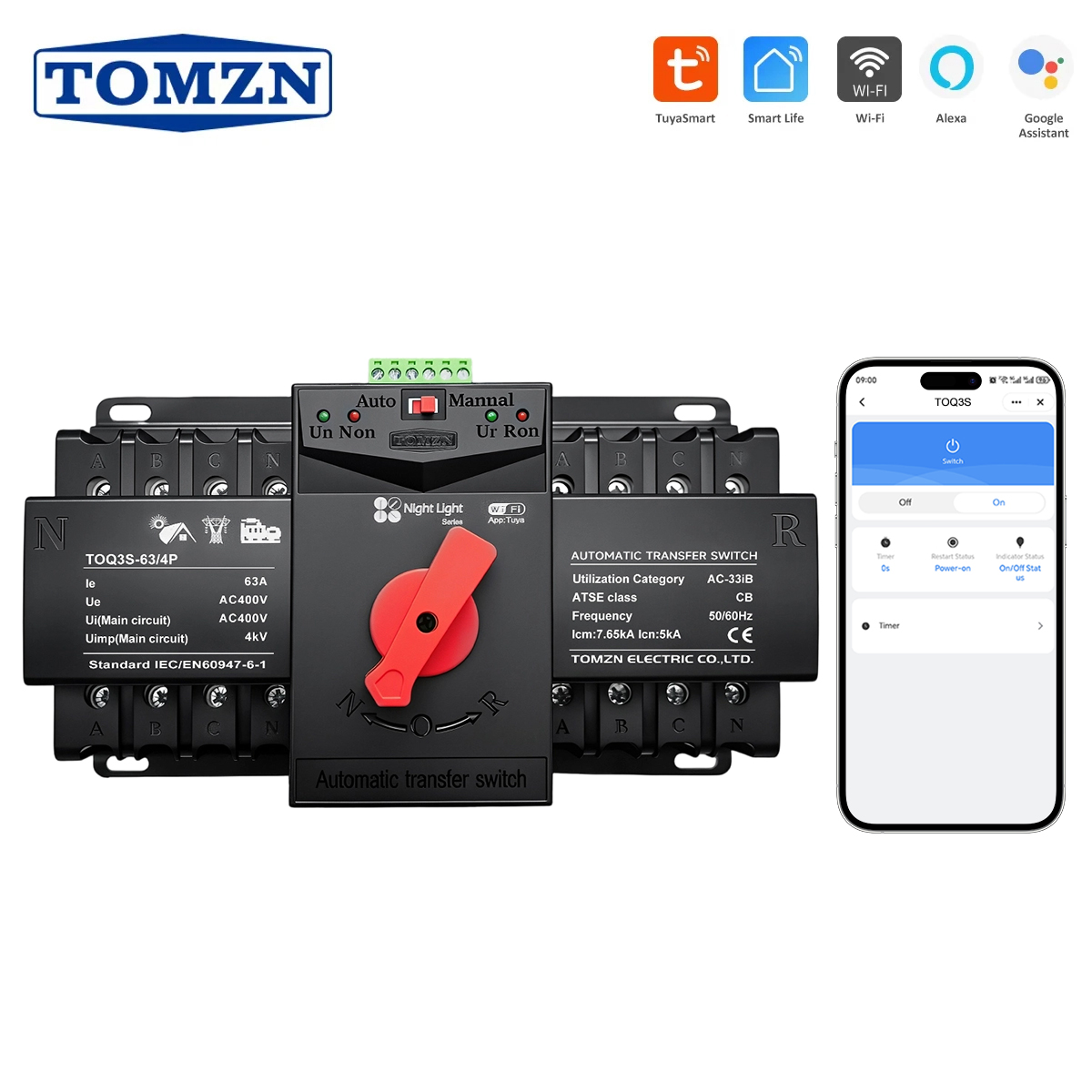
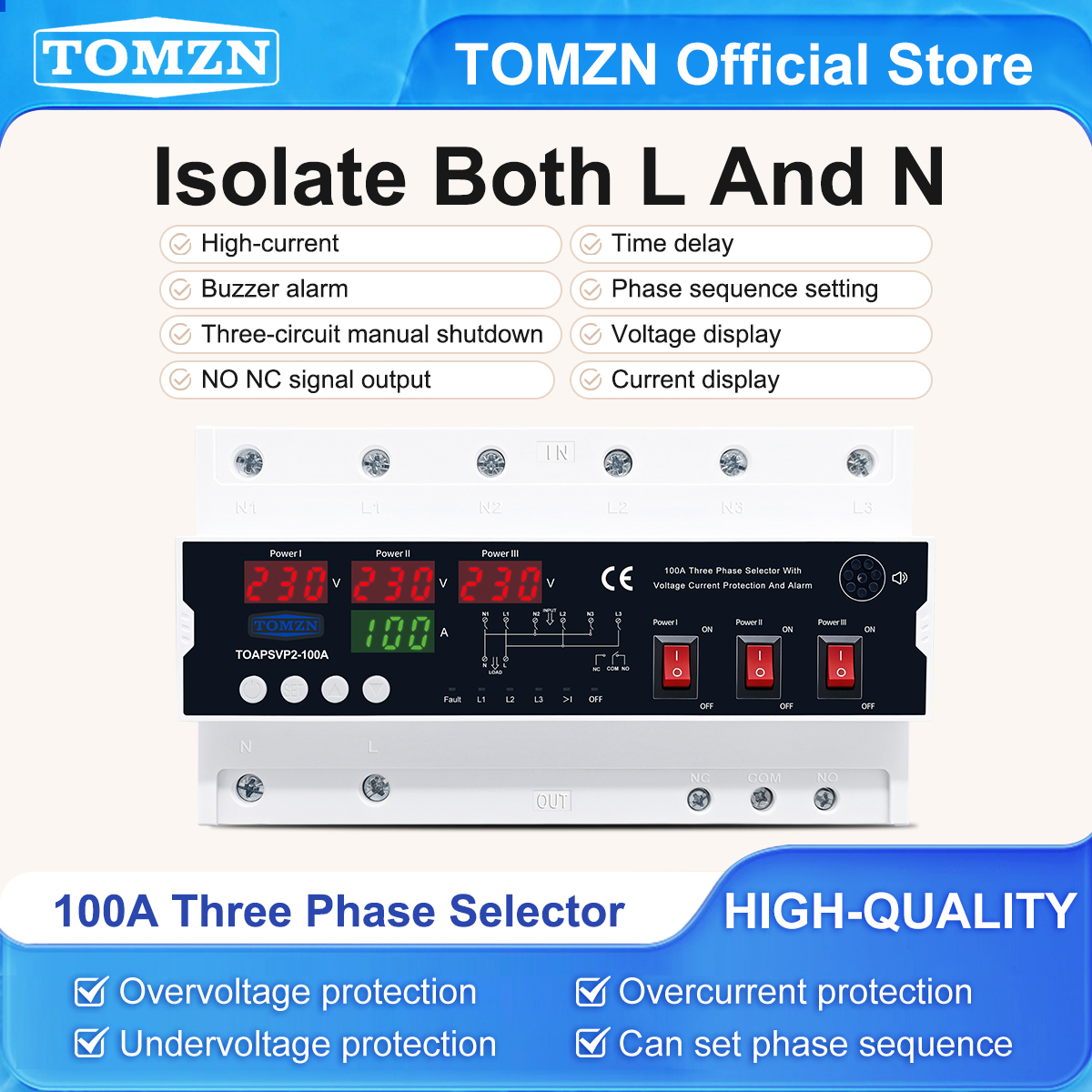


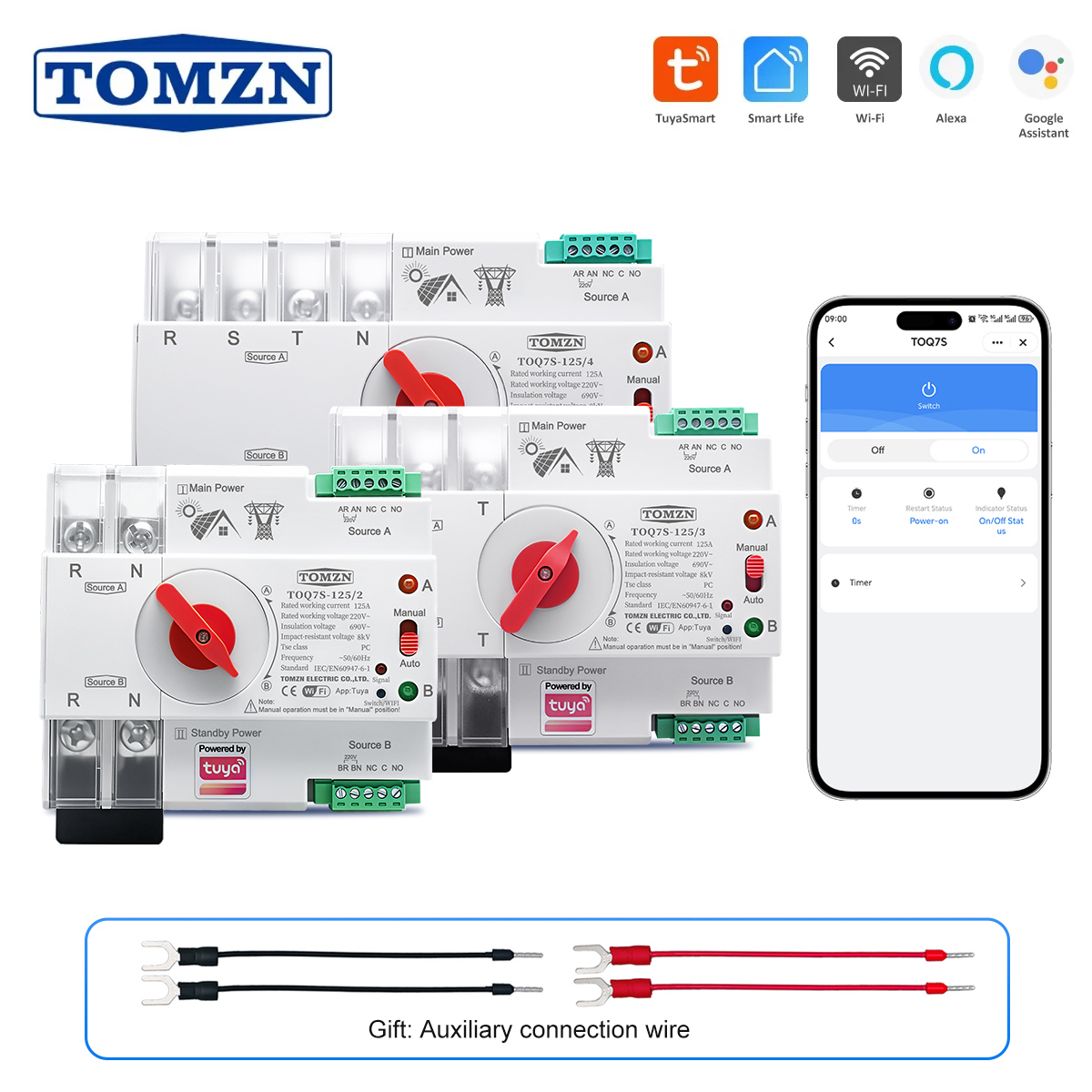
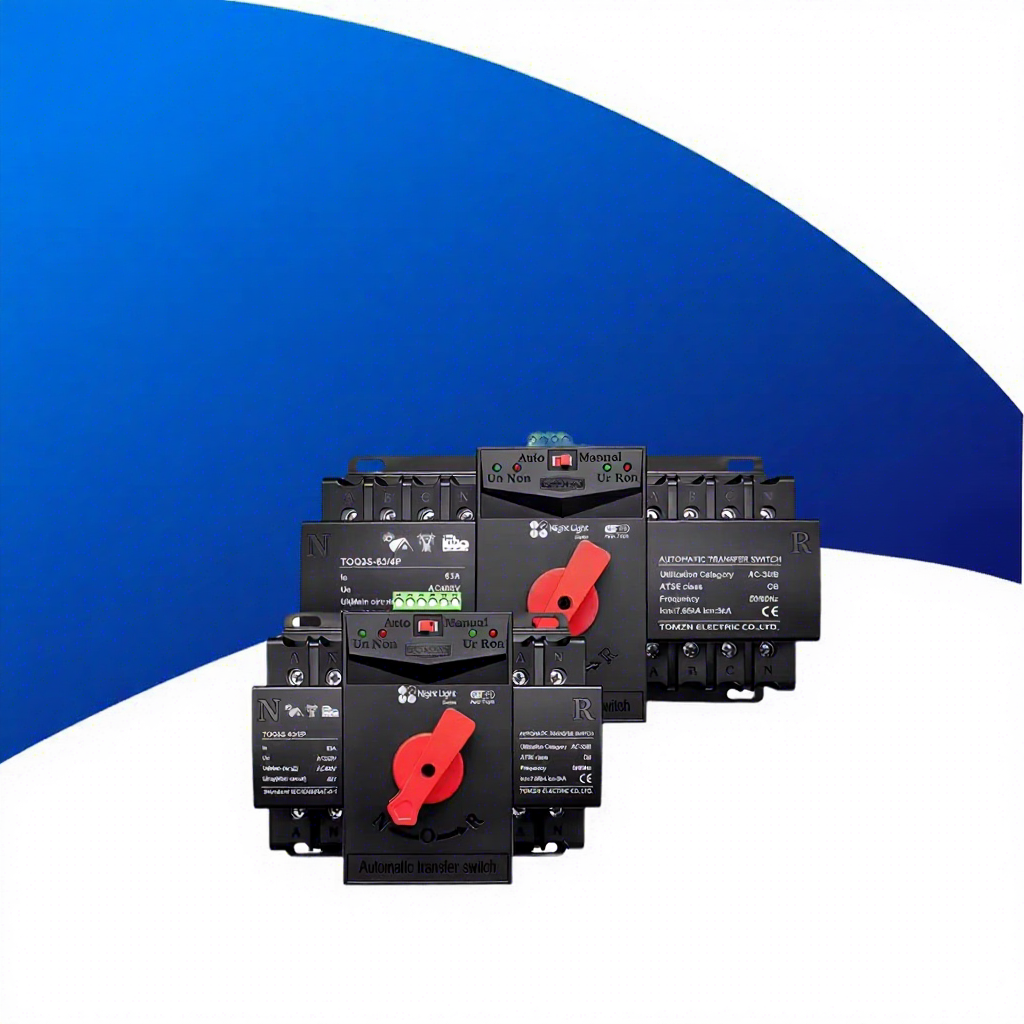
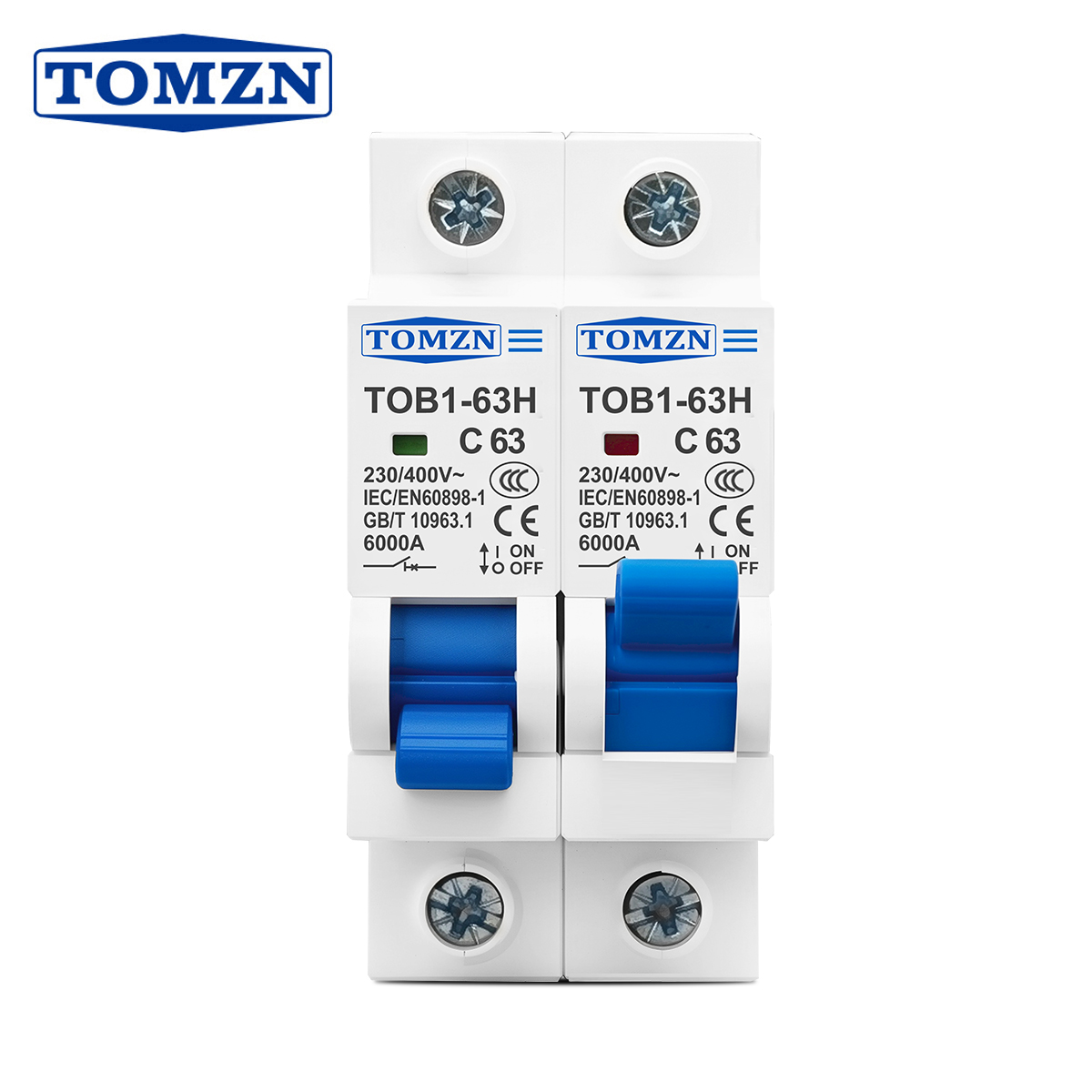
Arc Fault Protection Architecture: Industry Standards & Technical Evaluation
Electrical arcing remains one of the primary catalysts for structural fires in residential, commercial, and industrial installations worldwide. Standard miniature circuit breakers (MCBs) protect against overloads and short circuits, while residual current devices (RCDs/RCCBs) safeguard human life against earth leakage currents. However, neither traditional device is structurally designed to detect high-frequency, low-current erratic arcing faults. Arc Fault Circuit Interrupters (AFCIs) and Arc Fault Detection Devices (AFDDs) fulfill this critical void in electrical safety engineering.
As a leading supplier and exporter based in Wenzhou, China—the global manufacturing nerve center for low-voltage apparatus—Zhejiang DVS Electric Co., Ltd. produces CE-marked Arc Fault Circuit Breakers engineered according to rigorous international benchmarks, including IEC 62606 and UL 1699. By integrating embedded digital signal processors (DSPs) and fast Fourier transform (FFT) waveform analysis, our AFDDs continuously monitor current signature patterns to isolate hazardous arcs while suppressing benign operational arcing caused by motor brushes, switches, or inductive load switching.
Technical Information Gain: According to international electrical safety studies, over 30% of building electrical fires stem from low-amplitude series arcs occurring across degraded insulation, loose wire terminals, or punctured cables. Traditional 16A MCBs will never trip under a 5A series arc fault because the current remains far below the thermal-magnetic trip threshold. CE-certified AFDDs detect these high-frequency RF spectral anomalies within milliseconds, isolating the circuit before ignition occurs.
Mechanistic Breakdown: Series vs. Parallel Arc Fault Detection
Understanding the physics of arcing is paramount for procurement engineers, MEP contractors, and industrial distributors when specifying circuit protection hardware:
| Arc Fault Type | Physical Cause | Current Amplitude Characteristics | Traditional MCB / RCD Detection | AFDD / AFCI Response Performance |
|---|---|---|---|---|
| Series Arc Fault | Broken conductors, loose screw terminals, crushed appliance flex cables. | Constrained by load impedance (typically < Load Operating Current). | Completely Blind: Current level is too low to trigger thermal or magnetic trips. | Trips within < 100ms via high-frequency spectral noise analysis. |
| Parallel Arc Fault (Line to Neutral) | Insulation carbonization between live and neutral lines. | High transient currents, limited by system impedance. | Partial Detection: Trips only if current exceeds magnetic threshold (e.g., 5-10x In). | Instantaneous Isolation: Detects sharp broadband voltage/current waveform spikes. |
| Parallel Arc Fault (Line to Earth) | Dielectric breakdown between live conductor and ground conduit. | Varies based on grounding scheme (TN-S, TT, IT systems). | RCD Detects: If leakage exceeds RCD rated current (30mA - 300mA). | Dual Protection: Integrated AFDD+RCBO units isolate both arc and earth leakage. |
Global Sourcing Trends & Future Procurement Dynamics (2025–2030)
The global market for Arc Fault Circuit Breakers is experiencing unprecedented structural growth. Driven by stringent national electrical codes, expanding solar PV adoption, and smart grid automation, industrial buyers and electrical engineering EPCs are fundamentally altering their procurement strategies. Key vector shifts shaping global demand include:
1. Mandatory Regulatory Compliance Integration
Following the updates in IEC 60364-4-42 (Electrical installations of buildings - Protection for safety against thermal effects), multiple jurisdictions across Europe, the Middle East, and Latin America now mandate AFDD installation in high-risk environments. Procurement mandates explicitly target locations with sleeping accommodations (hotels, care homes), premises with combustible construction materials (timber-frame buildings), and sites housing irreplaceable cultural assets (museums, data centers). Exporters must provide fully certified CE, CB, and RoHS documentation packages to navigate customs and regional compliance hurdles smoothly.
2. Convergence of AFDD, RCBO, and IoT Connectivity
Single-function breakers are rapidly giving way to compact, multi-functional DIN-rail devices. Modern electrical panel design demands combined AFDD + MCB + RCD (All-in-One) topology within a minimal modular width (1P+N or 2P enclosures). Furthermore, the integration of wireless protocols such as Tuya WiFi, Zigbee, and RS485 Modbus—as showcased in our intelligent switchgear line—allows facility operators to receive real-time arc fault alerts, remote energy metering data, and predictive maintenance diagnostics directly on cloud dashboards.
3. Solar Photovoltaic (DC Arc) Protection Expansion
With global solar PV installation capacity accelerating, DC arc fault protection has emerged as a massive procurement domain. DC arcs do not possess a natural zero-crossing point, rendering them self-sustaining and intensely hot (exceeding 3,000°C). As residential and commercial solar arrays push system voltages to 1000V DC and 1500V DC, suppliers capable of delivering high-voltage DC MCBs, solar combiner boxes, and integrated DC arc detection units are securing strategic advantages in international supply chains.
Product Development Evolution: From Electromagnetic Relays to Edge AI
The technical evolution of circuit protection devices over the past quarter-century reflects a broader transition from purely mechanical electro-thermal actuators to microchip-controlled intelligent power electronics:
Standard bimetallic strip and magnetic solenoid tripping mechanisms. Highly reliable for overloads and high-energy short circuits, but completely incapable of sensing low-current arcs.
Early-stage AFCI units utilizing analog operational amplifiers and basic bandpass filters to isolate high-frequency RF noise signatures. Susceptible to nuisance tripping from household electronics.
Current-generation CE-certified AFDDs. Uses high-speed ADCs and embedded DSP algorithms to analyze high-frequency current spectrums, noise duration, and phase-angle relationships in real time.
Next-frontier protection featuring machine learning edge models that dynamically adapt to complex non-linear loads, combined with solid-state power switches achieving sub-millisecond zero-arc isolation.
Why Partner with Zhejiang DVS Electric Co., Ltd.?
Choosing an established manufacturing partner is critical when importing technical safety equipment. Headquartered in Liushi Town, Wenzhou—China's world-renowned low-voltage electrical hub—Zhejiang DVS Electric Co., Ltd. brings over 24 years of specialized engineering experience to the global marketplace.
Complete end-to-end control over assembly, contact calibration, automated functional testing, and packaging across dedicated manufacturing floors.
Our manufacturing capabilities, trade capacity, and quality control management systems are verified onsite by leading international inspection agencies.
Custom current ratings, specialized housing colors, laser logo engraving, private-label packaging, and custom PCB firmware development for global distributors.
Extensive logistical experience across South America, Europe, Southeast Asia, and the Middle East, ensuring smooth customs processing and rapid lead times.
Complete documentation compliance packages including CE marking, EMC test reports, LVD certificates, and material safety data sheets (MSDS).
Eliminate intermediary trading margins. Work directly with our engineering and sales teams for highly competitive volume-based quotation structures.
Procurement & Technical FAQ: Frequently Asked Questions
Detailed technical responses to common questions raised by electrical importers, engineering buyers, and OEM clients.
What is the primary operational difference between an MCB, an RCD, and an AFDD?
Are your Arc Fault Circuit Breakers CE certified and compliant with IEC 62606?
How do your AFDD units prevent false or nuisance tripping from normal household appliances?
What OEM and customization capabilities does Zhejiang DVS Electric offer?
What is the Minimum Order Quantity (MOQ) and standard delivery lead time?
Why is DC arc detection vital for Solar Photovoltaic (PV) installations?
Are you a direct factory manufacturer or an export trading agency?
Partner with a Leading CE Certified AFDD Manufacturer
Whether you are seeking high-volume OEM manufacturing, private-label distribution, or specialized circuit protection for project tenders, our technical engineering team is ready to assist you.
