Choosing the best Automatic Transfer Switch in 2026 starts with a practical question: what must stay powered when the utility supply fails? A small office may need a straightforward switch between utility power and a standby generator. A hospital, data center, or industrial site may require faster transfer, more detailed monitoring, or a bypass-isolation design that supports maintenance. The right choice depends on the load, the backup source, and the consequences of interruption. There is no universal winner.
Open-transition switches briefly disconnect one source before connecting another. They suit many common backup systems, but sensitive equipment may not tolerate even a short interruption. Closed-transition models can overlap sources briefly, where system design and utility requirements allow. Delayed-transition options add a pause between sources, which can help with certain motor loads. Details matter. A specification sheet alone will not reveal how a switch behaves during a real outage.
This guide compares major ATS types and explains what to check before selecting one. We’ll consider transfer method, current rating, source compatibility, controller features, maintenance access, and the loads the switch must protect. In 2026, remote status reporting can make troubleshooting easier, but extra connectivity does not automatically make a system more dependable. A clear load assessment and review by a qualified electrical professional remain essential. The honest answer may be less satisfying than a simple ranking: the best switch is the one that fits the site, operates reliably with its power sources, and can be maintained safely.
How an Automatic Transfer Switch Works
What Is the Best Type of Automatic Transfer Switch in 2026?
How an Automatic Transfer Switch Works
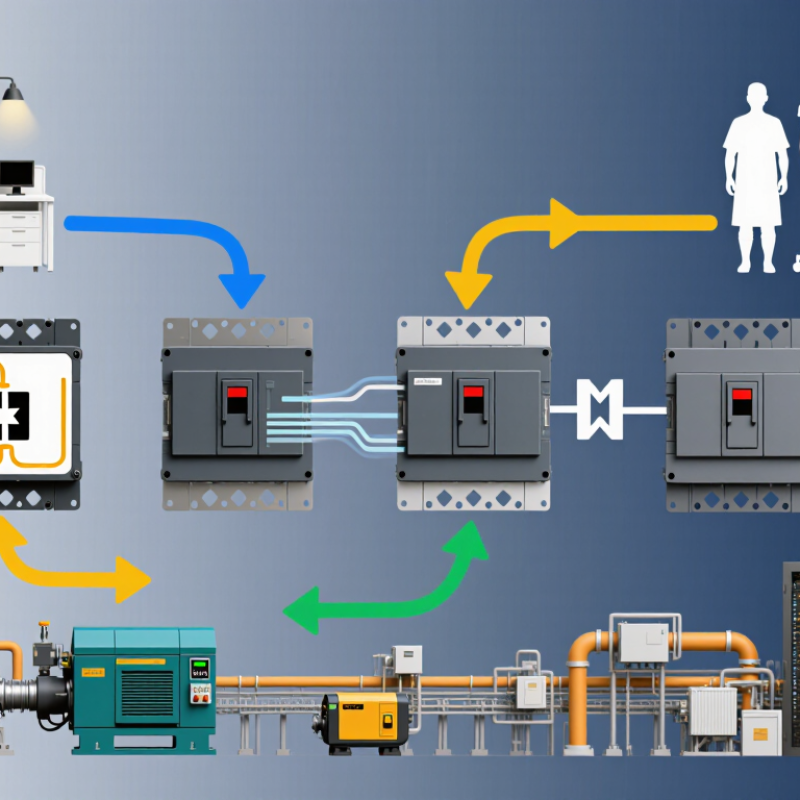
An automatic transfer switch (ATS) monitors the utility supply for voltage and frequency changes. When power falls outside preset limits, the controller signals a standby generator to start. The switch waits until the generator’s output stabilizes, then moves the load from utility power to generator power. During the change, some systems briefly interrupt electricity. That pause matters. When utility power returns and stabilizes, the ATS transfers the load back and allows the generator to cool down before stopping.
The sequence sounds simple, but timing and load compatibility matter. Uptime Institute’s 2024 Annual Outage Analysis reported that
54% of respondents said their most recent significant data-center outage cost more than $100,000.
That figure does not measure ATS performance, but it shows why reliable power transitions deserve careful planning. A qualified electrical professional should check load size, generator capacity, starting current, and the required transfer behavior. Small details matter.
For many buildings, an open-transition ATS is a practical choice: it disconnects one source before connecting the other. Closed-transition models briefly overlap sources, which can reduce interruptions but require compatible equipment and controls. There is no universal best type. Match the switch to the load, the generator, and the consequences of even a short outage. This part is easy to underestimate. A switch that transfers quickly may still be unsuitable if its ratings or control settings do not fit the installation.
The Main Types of Automatic Transfer Switches
Automatic transfer switches differ in how they move a load from normal to standby power. IEC 60947-6-1 covers low-voltage transfer switching equipment. The right type depends on interruption tolerance, load behavior, and source coordination.
Open-transition switches disconnect one source before connecting the other, causing a brief outage. They suit many buildings with standard lighting and HVAC. Delayed-transition models add a pause, allowing motor residual voltage to decay before reconnection. That matters. The pause may help reduce stress on motors, but sensitive equipment can still be interrupted. Closed-transition switches briefly connect both sources, limiting interruption; they require compatible, synchronized sources and appropriate operating conditions. Bypass-isolation designs allow maintenance while keeping the load supplied, but describe a service arrangement, not a transfer timing method. Static transfer switches use power electronics for very fast switching and often serve critical electronic loads.
NFPA 110 defines Type 10 emergency power systems around a maximum 10-second interval for power availability at load terminals, where that classification applies. This is a system performance target, not proof that one switch type fits every site. Check generator start time, motor starting current, and load tolerance for a momentary dip. A specification can look sound yet miss a practical weakness: the actual load list.
Key Factors for Comparing ATS Options in 2026
Choosing an automatic transfer switch in 2026 starts with the load, not the feature list. A hospital imaging room, a small office, and a pump station do not tolerate the same interruption. Check the required voltage, current rating, number of poles, and available fault-current rating against the installation. A mismatch can create costly problems. Even a few seconds without power may matter for controls or sensitive equipment.
Compare transfer behavior carefully. Open-transition switches briefly disconnect one source before connecting another, while closed-transition designs overlap sources for a controlled moment when the system permits it. Delayed transition can suit loads that need time to discharge or stop. Check generator start and stabilization times, too. The fastest switch is not always the best fit. It may add complexity without helping the actual load.
Consider the enclosure’s location, maintenance access, control features, and testing requirements. Dust, heat, vibration, and limited cabinet space can affect long-term reliability. For critical systems, ask whether bypass-isolation features allow inspection without interrupting the load. Review applicable electrical standards with a qualified engineer. Field conditions often expose what a neat specification sheet misses. I would also question any selection based on price alone; it is an easy shortcut, and sometimes the wrong one. Compare lifecycle service needs and documented test results before deciding.
Choosing an ATS for Different Power and Load Requirements
What Is the Best Type of Automatic Transfer Switch in 2026?
Choosing an ATS for Different Power and Load Requirements
The best automatic transfer switch (ATS) depends on the power source, connected loads, and acceptable interruption time. A home with a standby generator may need a straightforward open-transition switch. It briefly disconnects one source before connecting the other. That pause is usually acceptable for lighting and standard appliances.
Small details matter. Check the switch’s current rating, voltage, number of phases, and compatibility with the generator before selecting a model.
For sensitive equipment, even a short interruption can cause resets or data loss. A closed-transition ATS can transfer between synchronized sources with little or no break, but it requires compatible equipment and careful system design. Delayed-transition switches add a pause between sources, which may suit loads that need residual voltage to dissipate.
Larger facilities may also need bypass-isolation features for maintenance. A tidy load estimate can still miss motor-starting surges; that is an easy detail to overlook.
Tips: List essential loads, such as a well pump, refrigerator, or server rack, and note their starting currents. Ask a qualified electrical professional to verify load calculations, fault ratings, and local installation requirements. Consider how often the switch will be tested and serviced. The lowest-rated option may appear sufficient on paper, but real operating conditions are rarely quite that neat.
How to Evaluate Reliability, Safety, and Total Cost of Ownership
What Is the Best Type of Automatic Transfer Switch in 2026?
How to Evaluate Reliability, Safety, and Total Cost of Ownership
The best automatic transfer switch depends on the loads it must protect, not just its purchase price. Open-transition switches briefly disconnect one source before connecting another, which suits many everyday applications. Sensitive equipment may need a different arrangement. Closed-transition switching can reduce interruption, but requires compatible sources and careful system design. For motors, a delayed transition may help manage residual voltage. There is no universal winner.
Compare the switch’s current and fault ratings with the installation’s actual requirements. Check whether neutral switching, bypass isolation, remote monitoring, or specific transfer timing is needed. These details affect safety, maintenance, and downtime. In practice, a well-matched switch with clear service access can be more dependable than a feature-heavy model that is difficult to inspect. Include installation, scheduled testing, repairs, and possible outage costs in your ownership estimate. A low initial price can mislead; I would still verify assumptions with a qualified electrical professional.
Tips: Review the load list and generator capacity before choosing. Ask how the switch behaves during a failed start, and how technicians can test it safely. Keep inspection records. Small gaps in documentation are easy to overlook.
What Is the Best Type of Automatic Transfer Switch in 2026?
Typical transfer interruption by ATS type (milliseconds). Lower values mean less time without power.
These are representative values, not guaranteed specifications: actual transfer time depends on equipment, source conditions, and load. Static transfer switches are suited to loads needing very fast transfer; closed-transition switches can minimize interruption when sources are synchronized and paralleling is permitted. Open-transition ATS units are common for general standby power, while delayed-transition units intentionally add a pause for specific loads. Compare reliability, safety requirements, maintenance, and installation costs before choosing—there is no single best type for every application.
Conclusion
An Automatic Transfer Switch monitors the incoming power supply and automatically moves a connected load to a backup source when the primary source fails. Once normal power returns, it can transfer the load back, helping maintain continuity while reducing the need for manual intervention. Common ATS designs differ in how they sense and switch power, how quickly they respond, and whether they are intended for simpler standby setups or more demanding systems.
Choosing the best type in 2026 depends on the power sources, load size and sensitivity, expected transfer speed, installation environment, and plans for future expansion. Compare options for capacity, compatibility, control features, maintenance needs, and built-in protections. Reliability and safety matter as much as purchase price: consider the full cost of installation, testing, upkeep, and potential downtime over the equipment’s service life. The right ATS is the one that safely meets the application’s requirements without adding unnecessary complexity or expense.