info@dvselectric.com Liushi Town, Wenzhou, Zhejiang, China Third-Party Verified Custom Manufacturer
English
0%

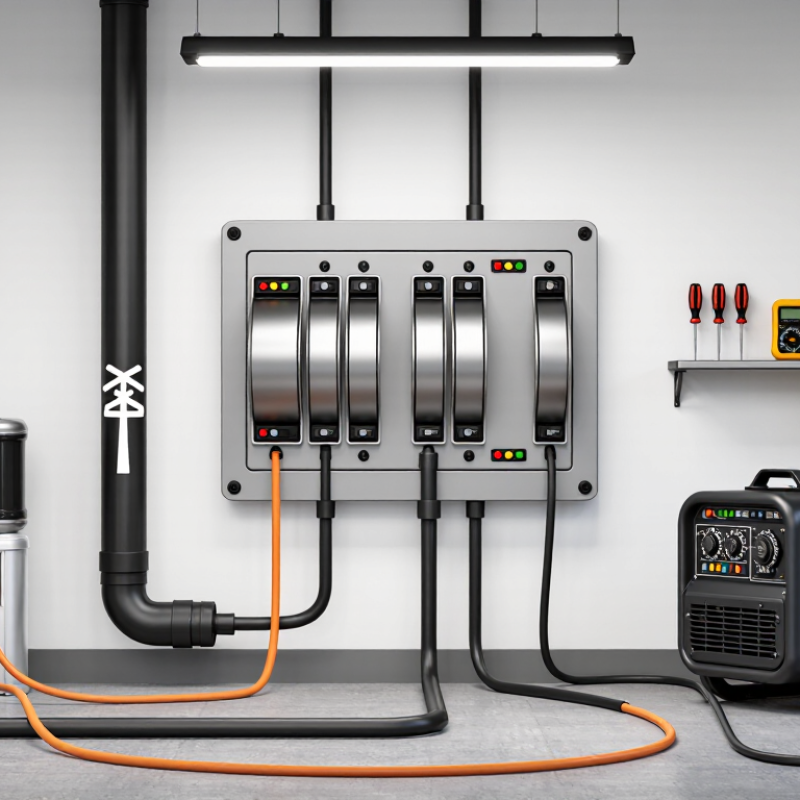
When utility power fails, the change can be abrupt: lights go dark, pumps stop, and essential equipment loses its supply. An Automatic Changeover Switch detects the outage and transfers a connected load to a standby source, such as a generator. When utility power returns and conditions are suitable, it can switch the load back. The transition is practical, but its quality depends on correct sizing, installation, and maintenance.

Mike Holt, an electrical educator and author, offers a useful safety-focused principle, paraphrased here: “Reliable power depends on equipment chosen and maintained for the real load.” That matters because a switch that looks suitable on paper may not match a motor’s starting current or the site’s operating demands. Details count. A brief delay can be normal. A poor setup can create trouble.

Why choose an Automatic Changeover Switch? It can reduce manual intervention, help keep critical systems running, and make backup power more predictable. Think of a small clinic refrigerator, a workshop pump, or a home alarm system. Each has different priorities. Still, automatic transfer is not a substitute for testing the generator, checking connections, and following the manufacturer’s instructions. It is also fair to admit that no switch can prevent every interruption. Choosing carefully makes the handover more dependable, not perfect.
Why Choose an Automatic Changeover Switch?

What an Automatic Changeover Switch Does

Why Choose an Automatic Changeover Switch?

What an Automatic Changeover Switch Does

An automatic changeover switch monitors the incoming power supply and connects a load to an alternate source when the primary supply fails or moves outside set limits. In a standby-generator setup, it can signal the generator to start, then transfer the building’s circuits once voltage and frequency are acceptable. When utility power returns and remains stable, the switch can transfer the load back. The generator then cools down before stopping. The switch does not create electricity; it manages the connection between sources.

That matters. The U.S. Energy Information Administration’s 2022 reliability data reported an average of about 5.5 hours of customer interruptions, including major events. For a clinic refrigerator, a sump pump, or a server room, even a short interruption can be costly. An automatic switch reduces the need for someone to reach a panel in the dark. Not instant, though: generator starting and transfer delays depend on the equipment and settings.

In real installations, the switch must match the load, available fault current, and source configuration. A qualified installer also checks wiring, protective devices, and transfer timing. One detail is easy to overlook: not every circuit needs backup, and adding everything can oversize the generator. Test the complete system under load, not just the switch’s indicator lights. A light can look reassuring while a weak battery or loose connection waits unnoticed.

How It Transfers Power Between Sources

Why Choose an Automatic Changeover Switch?

How It Transfers Power Between Sources

An automatic changeover switch monitors the supply feeding a building or piece of equipment. It may compare voltage and frequency against set limits. If the primary source fails or becomes unstable, the switch begins a transfer sequence. The exact response depends on its settings and system design.

With a standby generator, the switch can signal the generator to start, if that control connection is installed. It waits for the generator’s output to stabilize, then moves the load to that source. When utility power returns and remains steady for a configured period, the switch can transfer the load back. That pause matters. It helps prevent rapid switching during brief interruptions.

The handoff may not feel seamless. Some switches briefly interrupt power; others are designed to reduce that break, but they must suit the installation. A technician should confirm source capacity, wiring, protection, and transfer settings before commissioning. A small detail can be missed: the switch may operate correctly while an overloaded generator still struggles to carry the connected equipment. Testing under realistic load gives a clearer picture than relying on a status light alone.

Why Choose an Automatic Changeover Switch? - How It Transfers Power Between Sources
System Stage What the Switch Does Practical Benefit
Normal operation Connects the load to the preferred power source, commonly the utility supply, while monitoring configured electrical conditions. Keeps the load supplied from the selected normal source without requiring routine manual switching.
Source monitoring Checks selected parameters such as voltage and, where supported, frequency and phase conditions on the available sources. Can identify a source that falls outside configured acceptable limits; monitoring features vary by switch and control system.
Loss or unacceptable condition When the normal source fails or becomes unacceptable, the controller may apply a configured delay to help avoid unnecessary transfers during brief disturbances. Helps reduce transfers caused by short-lived fluctuations. Delay settings depend on the installation and applicable requirements.
Standby-source start If the standby source is a generator, the switch’s control system can send a start signal. The transfer waits until the standby source is available and acceptable. Coordinates transfer with generator start-up; the switch itself does not generate power.
Transfer to standby Moves the load connection from the normal source to the standby source. Many systems use open transition, disconnecting one source before connecting the other. Provides an automatic change of supply while preventing unintended direct connection of independent sources in a typical open-transition arrangement.
Return to normal source After the normal source is restored and acceptable, the controller can transfer the load back, often after a configurable retransfer delay. Helps avoid switching back and forth if the normal source is unstable after restoration.
Standby-source cooldown After retransfer, a generator may continue running without load for a configured cooldown period before stopping. Allows the generator to cool down according to its operating requirements; cooldown behavior depends on the controls and generator system.
Transfer approach Open-transition switches briefly interrupt the load during transfer. Closed-transition equipment can momentarily overlap sources only when designed and authorized for synchronized operation. The appropriate approach depends on load sensitivity, source characteristics, site requirements, and applicable electrical rules.
Selection considerations Selection typically considers system voltage, phase, current rating, number of sources, fault-current withstand, enclosure, transfer method, and required approvals. Matching the switch to the electrical system and the load helps support safe, reliable operation. Installation and settings should be reviewed by a qualified professional.

Key Benefits of Automatic Power Switching

Why Choose an Automatic Changeover Switch?

Key Benefits of Automatic Power Switching

An automatic changeover switch monitors the normal power supply and transfers selected circuits to a backup source when voltage fails. That can reduce downtime for lighting, routers, pumps, or control equipment. The transfer may still cause a brief interruption. Sensitive devices may need separate backup protection.

The practical benefit is less manual intervention during an outage. In a small workshop, for example, a generator can supply chosen circuits while other loads remain disconnected. This helps avoid overloading the backup source. Motors can draw much more current during startup, so load ratings matter.

Still, automatic does not mean flawless. The switch cannot create power, correct every voltage problem, or guarantee an uninterrupted transition. Its performance depends on compatible equipment, correct sizing, and careful installation. A qualified electrician can check the source capacity and wiring. Periodic testing also helps reveal problems before an outage, though testing is easy to put off.

Common Applications for Changeover Switches

Why Choose an Automatic Changeover Switch?
Common Applications for Changeover Switches

Automatic changeover switches serve buildings that cannot wait for someone to restore power manually. When the utility supply fails, a switch can transfer selected loads to a standby generator or a second source. Common applications include hospitals, data centers, telecom sites, water-pumping stations, cold-storage rooms, and homes with backup generation. In a hospital, that may mean keeping essential circuits supplied; in cold storage, it may help protect temperature-sensitive stock. Transfer is not always instant. Open-transition systems briefly interrupt power, so sensitive equipment may need separate protection.

The U.S. Energy Information Administration reported that electricity customers experienced an average of about 5.5 hours of interruptions in 2022, including major events. That national figure is not a prediction for any one facility, but it shows why backup arrangements matter. A changeover switch cannot prevent an outage or guarantee uninterrupted operation; performance depends on the backup source, correct sizing, and maintenance. For water systems and industrial sites, engineers should also check motor-starting currents and whether the generator can carry the required load.

Tips: Match the switch rating to the load, voltage, fault current, and transfer arrangement. Test the complete system periodically, including generator start-up. Small details matter. Have a qualified professional confirm neutral switching and protection settings before installation.

Factors to Consider When Choosing a Switch

Why Choose an Automatic Changeover Switch?

Factors to Consider When Choosing a Switch

Choosing an automatic changeover switch can keep essential equipment supplied when the main source fails. The right model depends on the installation, not just its advertised current rating. Match the switch to the system voltage, phase, frequency, and maximum load. Leave headroom for motor starting currents; a pump drawing modest running current may briefly demand much more.

Check how quickly the switch detects a failure and transfers power. Sensitive controls may need a short interruption, while other equipment can tolerate a pause. Confirm that the switch suits both power sources and handles the neutral conductor as required by the system design. Details matter. Also verify short-circuit ratings, enclosure protection, temperature limits, and available space near the distribution board.

Consider routine testing and maintenance before buying. Can a technician inspect contacts and test transfer functions without disrupting critical loads? Ask a qualified electrical professional to confirm the design and protection coordination. Heat matters. A switch in a cramped, warm cabinet may perform differently from one in a ventilated room. I would not choose from a specification sheet alone; site conditions can reveal a mismatch only after installation.

FAQS

What does an automatic changeover switch do?

It monitors the normal power supply and transfers selected circuits to a backup source when voltage fails. Lights may blink briefly.

Does it provide uninterrupted power?

No. Some systems pause during transfer, and the switch cannot create electricity. Sensitive controls may need separate backup protection.

What equipment can it keep running?

It can supply selected loads, such as lights, routers, pumps, or control equipment. Not every circuit. A cold-storage room might prioritize refrigeration.

Where are these switches commonly used?

They are used in homes, workshops, hospitals, data centers, water stations, and cold-storage rooms. The backup source must support the chosen loads.

How should I size a switch and backup source?

Check voltage, phase, frequency, maximum load, and short-circuit ratings. Allow for motor startup: a pump can briefly draw much more current.

What should an electrician check before installation?

They should confirm wiring, neutral switching, protection settings, and compatibility with both power sources. Details matter.

How often should the system be tested?

Test the complete arrangement periodically, including generator startup and transfer. A technician can inspect contacts and reveal problems before an outage.

Can an automatic switch fix every power problem?

No. It cannot prevent outages or correct every voltage issue. I would not choose from a rating label alone; site conditions may reveal a mismatch later.

Conclusion

An Automatic Changeover Switch helps maintain a reliable power supply by moving a load from its normal source to a backup source when the primary supply becomes unavailable. It monitors the available power sources and, when a failure is detected, transfers the connection according to its operating settings. Once the primary source is stable again, the switch can return the load to it, helping reduce the need for manual intervention.

Automatic power switching can limit interruptions, support continuity, and make backup power systems easier to manage. Changeover switches are commonly used in homes, commercial buildings, industrial facilities, and other settings where dependable power matters. When choosing a switch, consider the system’s voltage and current requirements, the types of power sources involved, transfer speed, installation conditions, safety features, and maintenance needs. Selecting a suitable unit helps ensure that it works effectively with the electrical system and the level of backup support required.

Isla

Isla

Isla is a professional marketing specialist with a strong understanding of the company’s products, their practical applications, and the needs of the customers they serve. She combines product knowledge with clear, thoughtful communication, helping readers understand not only what each solution......